REVIEW · STREET ART
Lisbon Street Art Tour
Book on GetYourGuide →Operated by Lisbon Lives Walking Tours · Bookable on GetYourGuide
Street art in Lisbon is art you can reach. This 2-hour Lisbon Street Art Tour takes you through Graça and Mouraria, where walls, tiles, and sculptures turn into a real walking classroom. I like how the guide brings major names into the conversation, including the American street artist Shepard Fairey, and then keeps the focus grounded in what Lisbon is actually talking about.
Two things that really make this experience work: first, you don’t just see murals—you get practical interpretation of each piece, including the techniques used and the ideas behind them (when artists’ own words are available). Second, you’ll also cover Portuguese stars like Vhils and Bordalo II, plus local and up-and-coming artists, including perspectives on how women are breaking into a space that’s historically been male-dominated. One consideration: the tour is a walk, and it isn’t suitable if you have mobility impairments.
In This Review
- Key highlights worth planning around
- Graça and Mouraria: two neighborhoods where street art makes sense
- Shepard Fairey, Vhils, Bordalo II, and the rest of the artist lineup
- The commentary is the point: technique, artist intent, and tough questions
- Lisbon public art beyond murals: tiles and sculptures you’ll stop noticing
- A 2-hour small-group walk in French: pace, comfort, and what you should bring
- Included tastes: pastel de nata or ginginha with your street-art lessons
- Price and value: is $41 fair for street art in Lisbon?
- Who should book this tour, and who might skip it?
- Should you book Lisbon Street Art Tour?
- FAQ
- How long is the Lisbon Street Art Tour?
- Where does the tour meet?
- What is included during the tour?
- What is not included?
- How big is the group?
- What language is the guide?
Key highlights worth planning around
- Graça and Mouraria focus so you’re not chasing random murals across the whole city
- Big international names alongside Portuguese artists and emerging local voices
- Technique + meaning for each work, so you know what you’re looking at
- Public art beyond graffiti, including sculptures and Lisbon’s iconic tiles
- Small group size (limited to 8), which makes Q&A feel possible
Graça and Mouraria: two neighborhoods where street art makes sense
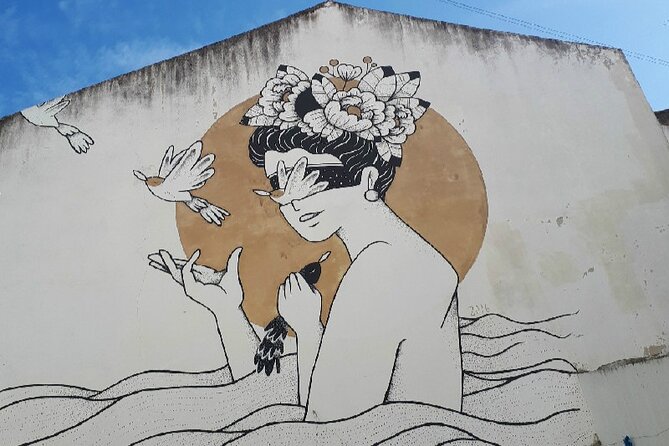
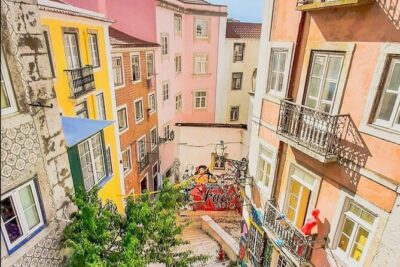
This tour is built around two Lisbon areas that naturally “hold” street art. That matters, because Lisbon’s public art isn’t evenly scattered. In some spots you get a few good pieces; in others you get long stretches where styles, themes, and social messages keep stacking up.
In Graça, you’re in that classic Lisbon old-neighborhood zone where the street layout helps the art feel part of everyday life. I like the way the tour uses the neighborhood itself like a frame—walls become visual footnotes to the city’s ongoing conversations about identity, power, and culture.
Then you shift into Mouraria, where the vibe feels more layered and lived-in. This is where you’ll start seeing how street art isn’t just decoration. It can be critique, portrait, protest, and sometimes just a loud wink at society. The tour keeps you moving so you don’t just stand and stare; you walk, look, and listen, and the meaning starts to connect.
One practical note: you should wear comfortable shoes. Even in 2 hours, this kind of route adds up, especially with Lisbon’s uneven pavement.
You can also read our reviews of more tours and experiences in Lisbon



Shepard Fairey, Vhils, Bordalo II, and the rest of the artist lineup

A big reason this tour is worth your time is the mix of artists. You get a blend of international street art recognition and Portuguese work that locals actually live with on their own streets.
Here’s what you can look out for as you go:
- Shepard Fairey (the tour specifically highlights his work)
- Vhils (Portuguese artist known for transforming surfaces through techniques that create depth)
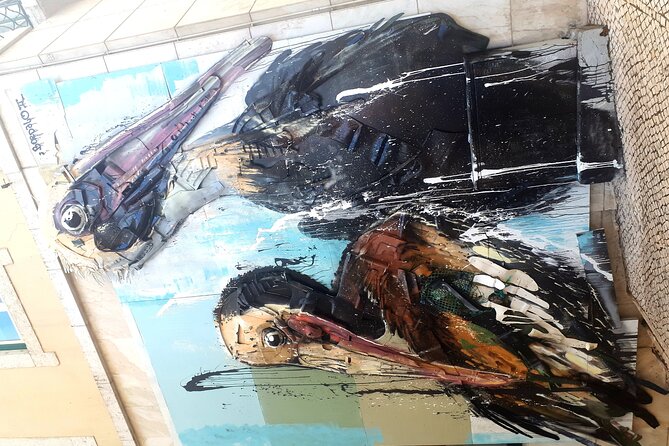
- Bordalo II (street artist whose work often turns Lisbon’s urban walls into playful, critical visual statements)
- TV Boy
- Joana Vasconcelos
- Andrea Tarli
- Urban Solid
- Utopia
What I like about this approach is the way it prevents the “tour-as-Instagram” problem. When you’re shown a range of styles—stencils, interventions, larger mural work, and pieces that feel almost sculptural—you start to understand that street art isn’t one thing. It’s a whole toolbox.
The tour also addresses who gets to be heard in street art. Women’s growing presence in a historically male-dominated “preserve” is part of the tour’s framing, so you’re not just looking at pictures—you’re also learning about participation, visibility, and voice.
The commentary is the point: technique, artist intent, and tough questions
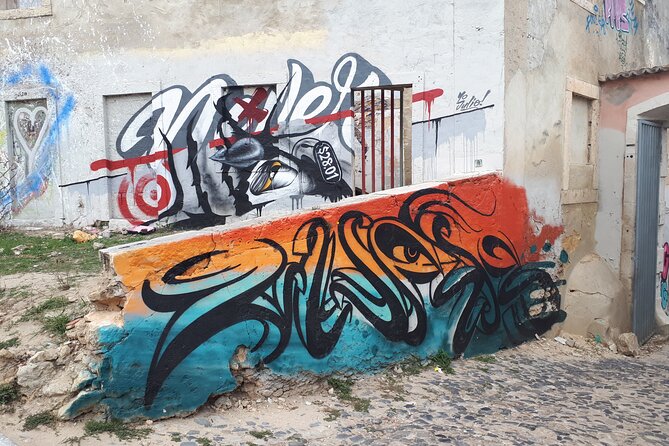
Seeing murals is fun. Understanding them is better. This tour is built around commentary on each piece, not a quick parade of photos.
As you walk, the guide discusses:
- the techniques used in the artwork
- artists’ words when available
- the social and political issues the work raises
- broader questions about the role of art in public life
That last bit matters. Street art often shows up in places where people have strong opinions about what public space should be. So the conversation naturally turns to power: Who gets to speak? Who gets to be seen? What’s allowed to be loud?
I also appreciate the way the tour talks about the nature of art itself. Not in a snobby lecture way—more like a practical question: if a work lives outside galleries, what changes? Who controls the meaning then?
If you enjoy walking tours where the guide actually helps you decode what you’re seeing, this is the kind where you’ll feel your eyes “upgrade” fast. After a while, you start noticing layers—style choices, recurring themes, and the way a piece fits the street around it.
Lisbon public art beyond murals: tiles and sculptures you’ll stop noticing
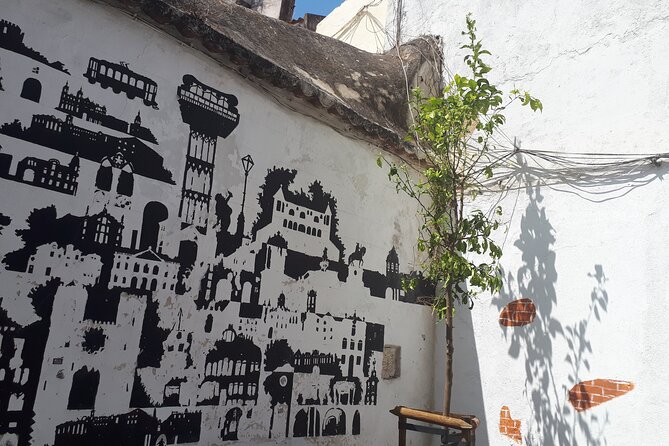
Street art is the headline, but you won’t ignore other forms of public art. Lisbon’s famous azulejos (beautiful tiles) and public sculptures are part of the route, and that’s a smart move.
Why? Tiles and sculpture are still public art. They shape what the city feels like on a daily basis. When you pair them with contemporary street art, you start seeing continuity: Lisbon has long used walls and streets as a canvas. The difference now is the message often shifts toward street-level commentary rather than purely decorative storytelling.
So you’ll be looking at more than paint. You’ll notice materials, placement, and how the city’s aesthetic language mixes eras. It’s a good reminder that street art isn’t just about graffiti—it’s about how culture shows up in public space.
A 2-hour small-group walk in French: pace, comfort, and what you should bring
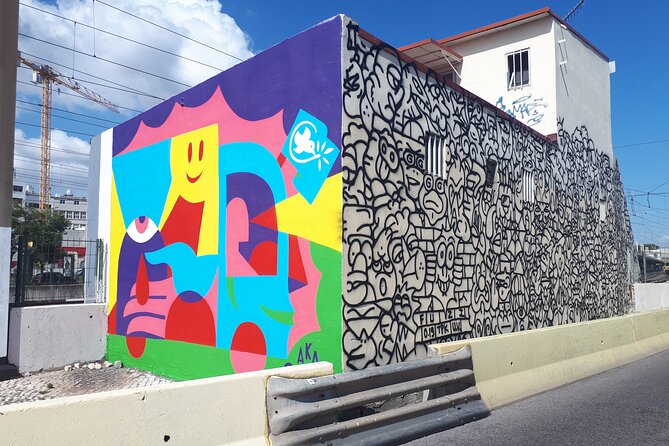
This is a 2-hour experience with a small group limited to 8 participants. That small size changes the feel. You’re not swallowed by a crowd. You can ask quick questions and actually hear the explanation over the noise of the street.
The tour guide speaks French, so it’s best if you’re comfortable with French or you don’t mind following closely through visual cues. A big part of street art is visual, so even if your French is rusty, you’ll still get plenty from the discussion structure.
Pace-wise, you’re walking through two neighborhood sections. I wouldn’t call it a leisurely stroll, but it also isn’t a forced march. The best strategy is to treat it like a guided walk with stops: keep moving, keep water handy, and let the explanations slow you down when the guide points something out.
What to bring:
- Comfortable shoes
- Water
And one more comfort detail: coffee or other hot/cold drinks aren’t included. If you need a caffeine hit, plan for it before or after.




Included tastes: pastel de nata or ginginha with your street-art lessons
One of the friendlier bonuses on this tour is the included Lisbon specialty. You’ll get either:
- Pastel de Nata (cream tart)
- or Ginginha (wild cherry liqueur)
It’s a small thing, but it helps the tour feel less like a lecture and more like a real Lisbon moment. If you’re into food-as-culture, this works nicely. If you don’t want alcohol, ask about ginginha options when you’re with the guide—just keep in mind the tour lists a choice between the two.
Price and value: is $41 fair for street art in Lisbon?
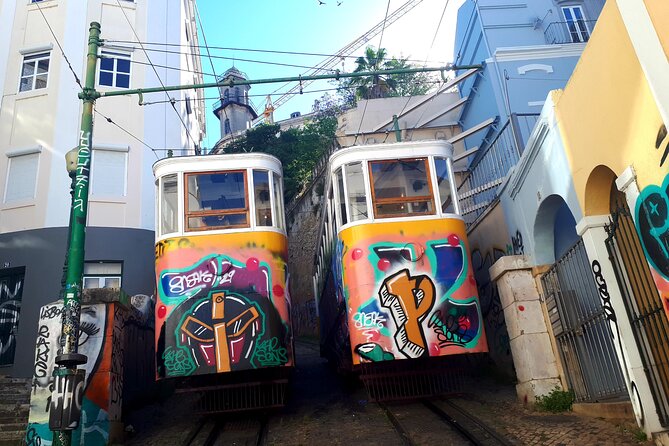
At $41 per person for 2 hours, the value depends on what you want out of Lisbon street art.
If you’re the type who likes to look at murals with captions—or you prefer just wandering and taking photos—this might feel pricey because you could technically DIY a similar route. But if you want the meaning, the artist context, and the social questions tied to what you’re seeing, this price starts making sense.
Here’s what you’re paying for in practical terms:
- A live guide (French) who explains each work’s technique and themes
- A small group that keeps attention focused
- Coverage of Graça and Mouraria, so you’re not spending time commuting between random murals
- Included Lisbon tastings (pastel de nata or ginginha)
For many visitors, the biggest payoff is the difference between seeing street art as decoration versus seeing it as commentary. That interpretive layer is hard to replicate on your own unless you’re already a street art deep reader.
Who should book this tour, and who might skip it?
This tour is a great fit if you:
- like street art and want more than surface-level viewing
- want to learn Portuguese street art names like Vhils and Bordalo II
- enjoy guided context on the social and political side of art
- prefer small groups with actual conversation space
- want a fun break with pastel de nata or a taste of ginginha
You might skip it if:
- you need an accessibility-friendly route. The tour is not suitable for people with mobility impairments.
- you only want unstructured wandering. This one is guided and discussion-driven.
Also, because the tour is in French, it’s ideal if you can follow French explanations. If you can’t, you might still enjoy the visuals, but the deeper meaning will be harder to catch.
Should you book Lisbon Street Art Tour?
If your idea of a good Lisbon day includes walking through real neighborhoods and learning how street art connects to society, I’d book this. The big win is the guided interpretation of specific works—especially the blend of international and Portuguese artists—and the focus on Graça and Mouraria instead of random stops.
If you’re on a tight schedule and you want maximum street-art exposure without getting lost, it’s also a sensible choice. Just plan for walking time, bring water, and remember that drinks like coffee aren’t included.
FAQ
How long is the Lisbon Street Art Tour?
The tour lasts 2 hours.
Where does the tour meet?
Meet the guide in front of the church (the meeting point is directly in front of the church).
What is included during the tour?
You’ll get Lisbon specialties: either pastel de nata or ginginha.
What is not included?
Coffee or other hot or cold drinks are not included.
How big is the group?
The group is small, limited to 8 participants.
What language is the guide?
The tour is guided in French.