REVIEW · LISBON WALKING TOURS
Lisbon: Private Walking Tour with a Local Guide
Book on GetYourGuide →Operated by Delighted Tours Portugal · Bookable on GetYourGuide
Lisbon is best understood on foot. This private walk stitches together the city’s key neighborhoods with real local context, not just dates. I especially like having time in Alfama for the Fado-shaped feel of the streets, plus the included tastings like ginginha and codfish cake.
The big caveat is the walking: the route includes uphill, uneven sidewalks, and narrow alleys. If your feet or knees don’t love that, you’ll want to plan for breaks and comfortable shoes.
You’ll start with a pickup near your hotel (or a nearby meeting spot), then head to Praça do Comércio by the Tagus River. From there the tour moves from Lisbon’s grand public spaces into older quarters, finishing with the smoother, more modern sweep toward Avenida da Liberdade.
In This Review
- Key Highlights You’ll Actually Feel on the Ground
- Entering Praça do Comércio: Lisbon’s Riverfront Welcome
- Alfama Is the Point: Streets, Squares, and the Fado Connection
- Lisbon Cathedral and Santo António de Lisboa: Quick Stops With Big Atmosphere
- Rua Augusta to Chiado: Lisbon’s Main Street Energy
- Bairro Alto and Rossio Square: Views, Squares, and People-Watching
- Avenida da Liberdade: The Finish Line With a Softer Pace
- What the Private Guide Changes (For the Better)
- Included Tastings: Ginginha and Codfish Cake
- Price and Logistics for a 3-Hour Private Walk
- Who This Tour Suits Best
- Quick Verdict: Book It or Pass?
- FAQ
- How long is the Lisbon private walking tour?
- Is it a private group tour?
- Where does the tour start?
- Are there extra fees for pickup by car?
- What languages are the guides available in?
- What’s included in the price besides the guide?
- Are entrance fees included for attractions?
- What should I bring?
- What happens if the weather is bad?
- Is the tour suitable for wheelchair users or people with mobility impairments?
Key Highlights You’ll Actually Feel on the Ground
- A true private guide who can answer your questions as you walk
- Alfama time built in (with the Fado connection) so it doesn’t feel rushed
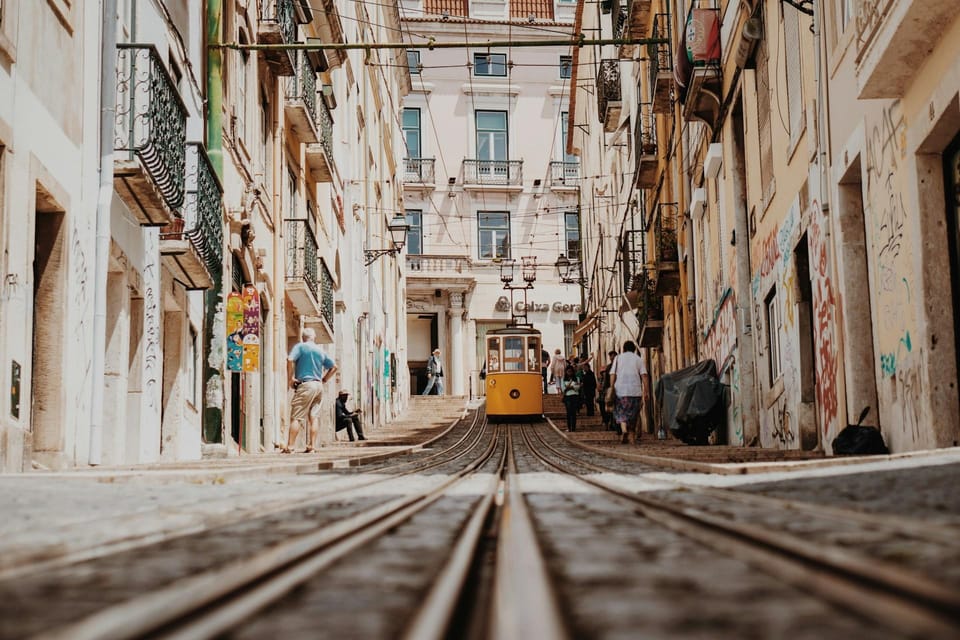
- Photo stops where they matter: Commerce Square, Lisbon Cathedral area, and key viewpoints
- Taste stops included: ginginha (sour cherry liqueur) and codfish cake
- Big-scope route in 3 hours: riverfront to downtown squares, then up to Avenida da Liberdade
- Multilingual guiding in English, French, Spanish, or Portuguese
Entering Praça do Comércio: Lisbon’s Riverfront Welcome
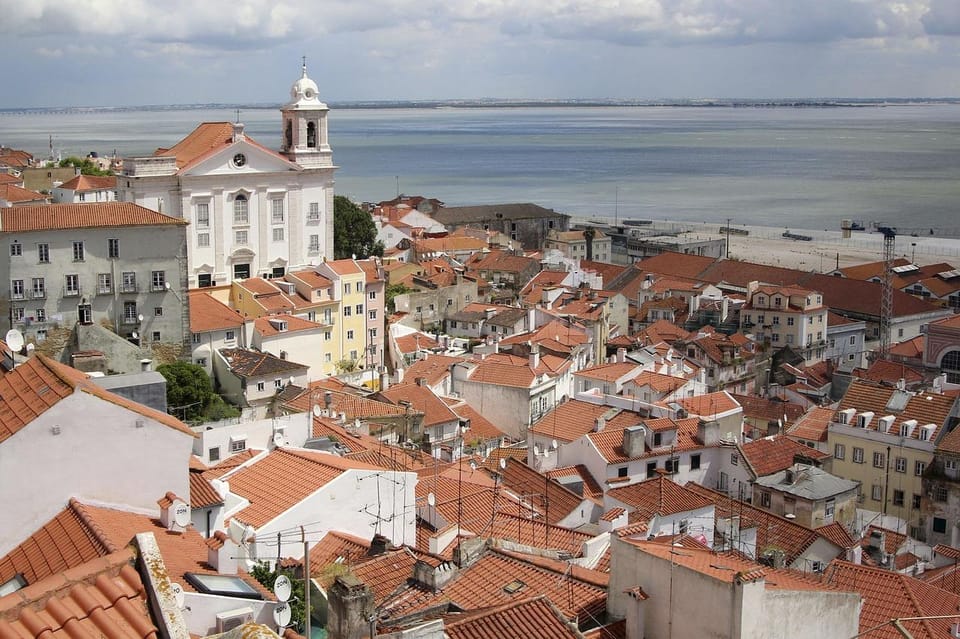
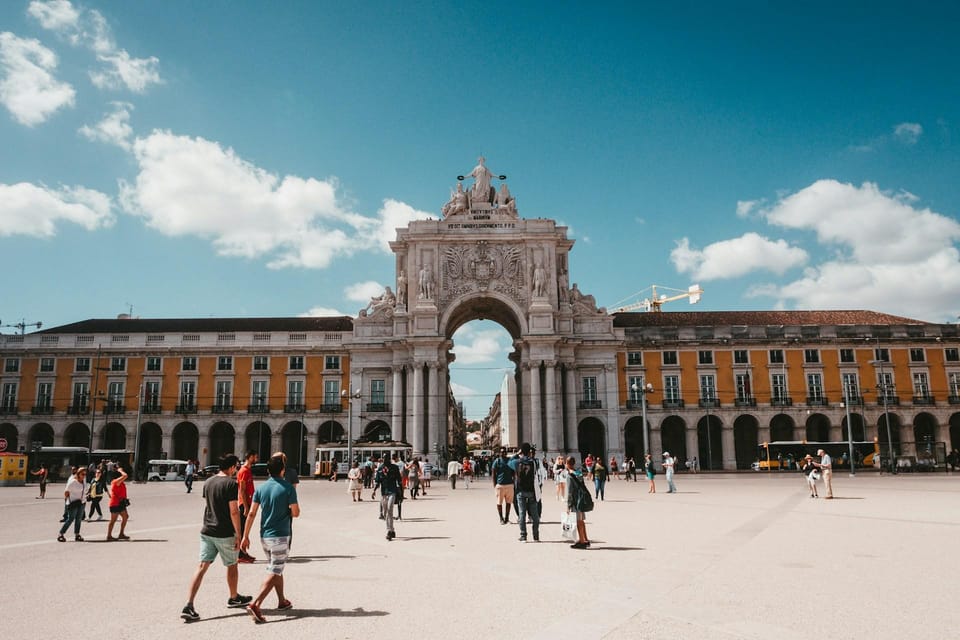
Your tour kicks off around Lisbon’s most cinematic starting point: Praça do Comércio. This huge square sits right by the Tagus River, and it’s designed for that first moment of orientation—wide open space, impressive architecture, and big river views. Even if you’ve seen photos, you’ll understand why this is such a common entry point once you’re standing there and looking across the water.
You get a photo stop and guided walk through the area (about 20 minutes). The guide’s job here is smart: set the frame for the rest of the day. Lisbon’s neighborhoods feel very different from each other, so early context helps your brain connect the dots—where you are, why it developed that way, and how people moved between the riverfront and the older city.
A practical tip: spend a moment scanning for good views back toward the river before you move on. The architecture lines up nicely, but once you leave the square, you won’t have the same “all at once” viewpoint again.
You can also read our reviews of more walking tours in Lisbon


Alfama Is the Point: Streets, Squares, and the Fado Connection
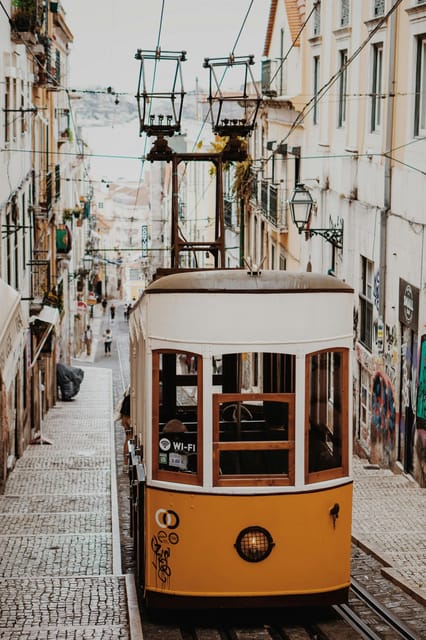
Next comes the heart of the route: Alfama. If Lisbon has a soul, it’s here. This neighborhood is older, tightly packed, and full of visual texture—winding lanes, small squares, and traditional whitewashed buildings that make the city feel lived-in rather than staged.
You’ll get about 45 minutes in Alfama for sightseeing and guided storytelling. The tour emphasis is cultural, especially the connection to Fado. Fado is Portugal’s traditional music genre, and it’s recognized as a UNESCO-listed tradition. The guide helps you understand why Fado belongs in Alfama—not just as entertainment, but as part of the neighborhood’s identity and emotional tone.
One reason this stop is so valuable: in a normal self-guided stroll, you can walk the streets and still miss the meaning. A good guide explains what you’re seeing—why the alleys bend the way they do, what the squares were used for, and how daily life and music link together in this part of town.
Also, the walking here can feel slow by nature. That’s not a problem. It’s the point. Take your time, let the lanes unfold, and don’t try to “beat the clock” inside Alfama.
Lisbon Cathedral and Santo António de Lisboa: Quick Stops With Big Atmosphere
After Alfama, you’ll hit two stops that add a spiritual and historic layer without turning the day into a museum marathon.
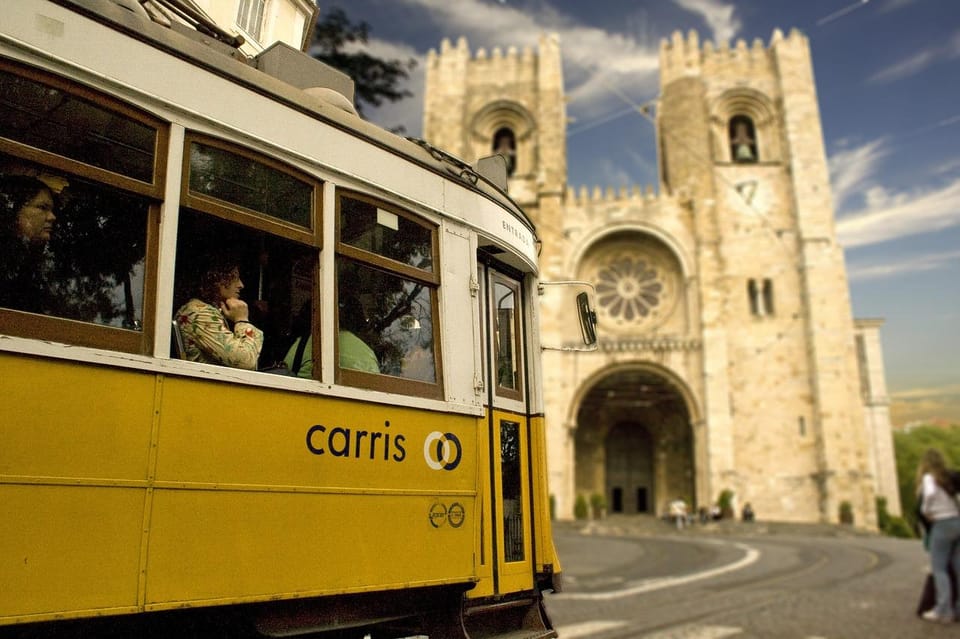
First is the Lisbon Cathedral photo stop and visit (about 15 minutes). Even when you don’t go deep into interiors, cathedrals give you a sense of what shaped the city’s core values and power over time. Here, the guide’s commentary makes the building feel less like scenery and more like a landmark with a story.
Then the tour moves to Santo António de Lisboa for another short photo stop and guided visit (also about 15 minutes). You’ll get enough time to appreciate the setting and the kind of devotion tied to this area, but not so much that you feel stuck in one spot.
The benefit of keeping these stops concise is that you don’t lose momentum. The drawback is simple: if you want detailed interior viewing or long photo sessions, you may need to add separate time later. Entrance fees aren’t included, so plan on paying separately if you choose to go fully inside any attraction.
Rua Augusta to Chiado: Lisbon’s Main Street Energy
From the older lanes, you transition toward Lisbon’s more central, pedestrian-friendly zone. Rua Augusta is one of those classic city streets where the scale feels different—shops, lively foot traffic, and a sense of Lisbon’s daytime rhythm. You’ll have about 15 minutes here with photo opportunities and guided sightseeing.
What I like about pairing Rua Augusta with the next stop is contrast. Rua Augusta gives you the “downtown Lisbon” feeling, while Chiado shifts the mood back toward culture and architecture details. This is a great part of the tour for people who want variety rather than a one-neighborhood day.
Chiado is next for about 10 minutes. It’s a lighter, shorter segment, but it’s useful. You’ll see how Lisbon transitions from older quarters into an area that feels more polished and more connected to modern life. Even in a short time, you’ll notice how the streetscape and building style start to change.
If it’s a busy day, expect crowds along Rua Augusta. A private guide helps you keep moving without feeling like you’re trapped in the flow.
Bairro Alto and Rossio Square: Views, Squares, and People-Watching
Bairro Alto enters next with a longer block of time: about 25 minutes. You’ll get a mix of photo stop, visit, and sightseeing. This part of the route is where Lisbon can feel more energetic, especially around viewpoint angles and the streets that rise and fall.
If you’re the type who likes seeing a city from multiple levels, Bairro Alto is helpful. You’ll get glimpses of Lisbon’s layout and the way neighborhoods stack—something you can’t fully grasp from flat ground alone.
Then comes Rossio Square, with about 15 minutes for guided viewing and sightseeing, plus a short pass later. Rossio is a central square vibe: a place where people meet, walk through, and orient themselves. The guide’s job here is to make it more than a landmark photo. You’ll likely get context about how Rossio functions in the city’s everyday movement.
Why this section matters in a 3-hour tour: you’re balancing older Lisbon with central Lisbon. That mix helps you understand not just what’s historic, but how the city actually operates day to day.
You can also read our reviews of more guided tours in Lisbon




Avenida da Liberdade: The Finish Line With a Softer Pace
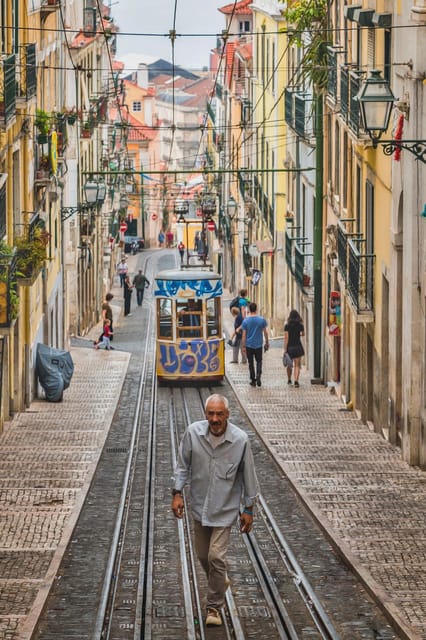
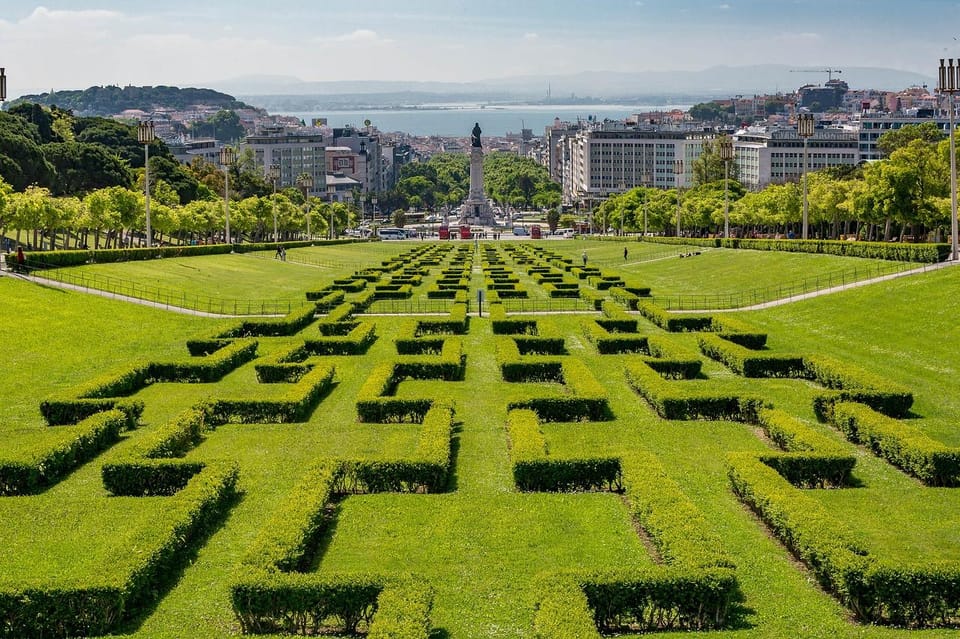
Avenida da Liberdade is the tour’s more elegant ending. You’ll have about 15 minutes here, including a photo stop and guided tour. The avenue feels wider and more structured than what you’ve been walking through—less maze, more boulevard.
This is a smart way to wrap the day. After narrow alleys and busy squares, Avenida da Liberdade lets your feet breathe while you still see a major Lisbon identity: the long, grand stretches that signal Lisbon’s modern self-image.
On the way, you may also pass areas connected to Marquês de Pombal, which shows up as part of the tour’s broader route planning. Even when you’re just passing through, it’s a useful reminder that Lisbon isn’t only about the old quarters. The city keeps evolving, and you’re moving through those layers in real time.
What the Private Guide Changes (For the Better)
A private guide turns this from a simple route into something you can actually remember. The strongest feedback tied to the tour is about the guides’ ability to explain points clearly and with empathy. In particular, names like Luiz, Luis, and Miguel come up in the guide experience—people credit them with strong knowledge and a helpful, human approach.
Here’s what that means for you in practice:
- You can ask why a neighborhood looks a certain way, not only what it is.
- You get pacing that makes sense for a 3-hour window.
- You avoid the common self-guided problem: walking through places without knowing what to notice.
And since you’re private, you can slow down when something catches your eye—especially in Alfama, where the best moments often happen around turns and small corners.
Included Tastings: Ginginha and Codfish Cake
One of the most fun parts of this tour is that you don’t just look at food culture—you actually taste it. You’ll get bottled water during the walk, plus a ginginha tasting (sour cherry liqueur) and codfish cake.
These two items are a nice pairing. Ginginha is a signature Portuguese flavor, and codfish cake connects to the long-running Portuguese love for cod preparations. Even if you’re not a foodie, it makes the experience feel grounded in everyday culture rather than sightseeing alone.
If you don’t drink alcohol, you might want to confirm how the tasting is handled in your specific start time. The tour info says a tasting is included, so you should treat it as part of the plan rather than an optional extra.
Price and Logistics for a 3-Hour Private Walk
The price is $68 per person for a 3-hour private walking tour, which is a fair deal considering you’re paying for a guide, not just a route. Lisbon walking tours can range widely depending on what’s included, so the tastings and bottled water matter here—they add real value.
A couple logistics points you’ll want to think through:
- Pickup is included if your hotel location is accessible to the tour sites. If it’s not, you’ll use a nearby meeting point, or add a car pickup/drop-off option with a per-person fee.
- Entrance fees aren’t included, so any time you want inside an attraction is on you.
- You’ll want comfortable walking shoes. This is a city where the pavement changes fast, and Alfama adds extra unevenness.
Also, the tour can be canceled due to weather. If you’re traveling in rainy months, build a flexible day for this.
Who This Tour Suits Best
This is a strong choice if you want a structured introduction to Lisbon without feeling stuck in long lines or big tour groups. It’s especially good for:
- First-time Lisbon visitors who want a smart sampler of major neighborhoods
- People who like a mix of landmarks and lived-in streets
- Anyone who wants cultural context around Fado and Alfama, not just a map-based checklist
- Couples or small groups who want a private guide and personal pace
It’s less ideal if you have mobility limitations or use a wheelchair. The tour is described as not suitable for that, and the street style in parts of Alfama makes that a real-world issue, not just a technical one.
Quick Verdict: Book It or Pass?
I’d book this if you want a private, 3-hour Lisbon walk that combines major sights (Praça do Comércio, Rua Augusta, Rossio, Avenida da Liberdade) with time in Alfama, plus included Portuguese tastings. The guide component is the real multiplier here, and the included ginginha and codfish cake make it more memorable than a basic walking route.
Pass if you’re not up for uneven streets and hills, or if you specifically want long interior visits where you’d rather spend time inside rather than walking between stops.
If you’re trying to pick one “starter” tour day in Lisbon, this is the kind that helps you understand where to go next on your own.
FAQ
How long is the Lisbon private walking tour?
The tour lasts 3 hours.
Is it a private group tour?
Yes. It’s a private walking tour with a local guide.
Where does the tour start?
Pickup is arranged from your hotel or your address if the location is suitable for the start of the walking tour. If hotel pickup isn’t accessible, the operator will arrange a convenient meeting point.
Are there extra fees for pickup by car?
If hotel pickup isn’t accessible, there may be a car pickup/drop-off option for an additional fee. The fee depends on group size, as listed in the tour details.
What languages are the guides available in?
The live tour guide is available in English, French, Spanish, and Portuguese.
What’s included in the price besides the guide?
Included items are bottled water, a tasting of ginginha (sour cherry liqueur), and codfish cake.
Are entrance fees included for attractions?
No. Entrance fees to attractions are not included.
What should I bring?
Wear comfortable walking shoes.
What happens if the weather is bad?
The tour could be canceled due to weather conditions.
Is the tour suitable for wheelchair users or people with mobility impairments?
No. It is not suitable for people with mobility impairments or wheelchair users.