REVIEW · HISTORICAL TOURS
Lisbon: Jewish History Tour of Lisbon
Book on GetYourGuide →Operated by Lisbon Walker · Bookable on GetYourGuide
Jewish Lisbon can feel like following whispers through stone. This 1-day walk strings together the sites tied to medieval Judiarias, later forced conversions, and even the 1940s refugee passage.
I really like how the route is built around major squares and neighborhoods you can still recognize: starting at Praça do Comércio and moving through Alfama and Baixa on foot. One caution: Lisbon’s Jewish past has fewer surviving physical traces than you’d hope, so the tour leans heavily on storytelling rather than artifacts.
In This Review
- Key highlights worth circling
- Why Jewish History in Lisbon Feels Like a Trail of Clues
- Meeting at Praça do Comércio and Getting Oriented Fast
- Baixa District Stops: Forced Conversions in the Heart of the City
- Alfama and Mouraria: Medieval Segregation on Narrow Streets
- Rossio and the 1506 Pessah Massacre: A Turning Point
- The WWII 1940s Thread and Lisbon’s Refugee Passage
- What You’ll Actually See About Lisbon’s Jewish Past (and What You Won’t)
- Price and Logistics: Is $106 Worth 3 Hours?
- Who This Tour Fits Best
- Should You Book the Lisbon Jewish History Tour?
- FAQ
- How long is the Lisbon Jewish History Tour?
- How much does it cost?
- Where do I meet the guide?
- What’s included in the price?
- Are hotel pickup and drop-off included?
- What languages is the tour offered in?
- Do I need to bring food or drinks?
- What’s the cancellation policy?
Key highlights worth circling
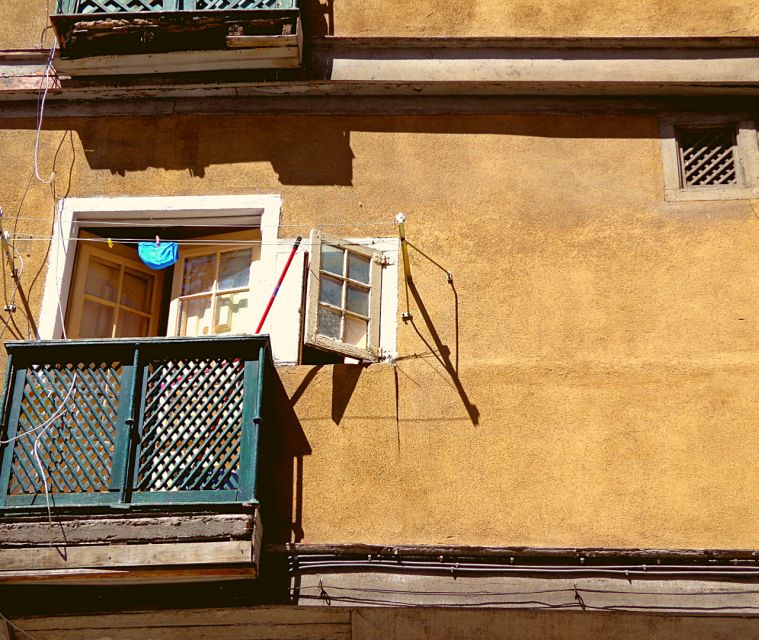
- Praça do Comércio as a starting point tied to the Exodus story
- Alfama and medieval segregation mapped in plain, walkable streets
- Baixa District and forced conversions connected to the city’s daily layout
- Rossio and the 1506 Pessah massacre placed in local context
- WWII-era refugee passage in the 1940s showing the community story keeps moving
- Private-group, 3-hour format with English or Portuguese guides
Why Jewish History in Lisbon Feels Like a Trail of Clues
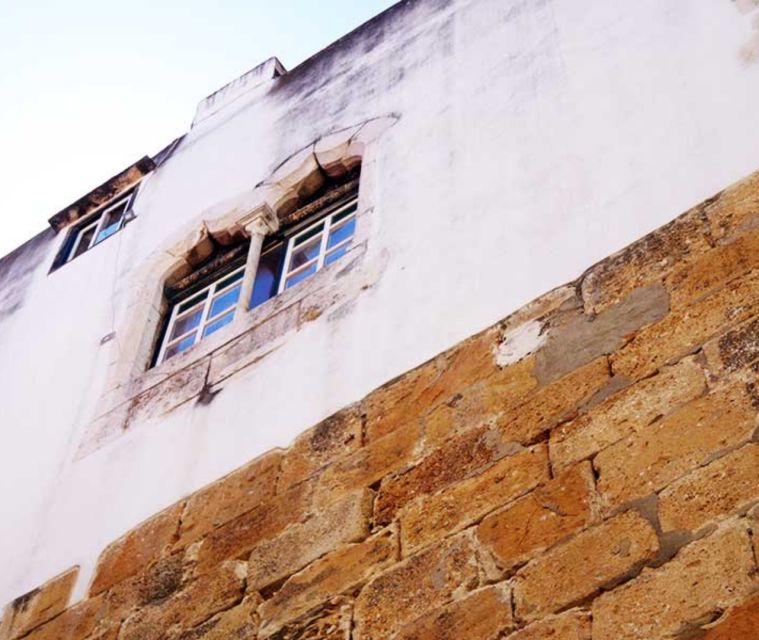
Lisbon’s Jewish story is powerful, but it doesn’t always show up as obvious monuments. That can sound discouraging, yet it’s also part of what makes this tour work so well: the guide helps you read the city like a map of changing rules, faith, and survival.
I like that the experience doesn’t treat Jewish history as one sealed-off chapter. It links medieval presence, the pressures of conversion, and later refugee routes, including the 1940s story of people moving through Lisbon during WWII years. You end up with a timeline that feels human, not dusty.
The trade-off is real: you should plan for oral history. Even with careful site selection, physical remains are limited, so your main takeaway is understanding what happened in specific places—even when the evidence is mostly gone.
You can also read our reviews of more historical tours in Lisbon


Meeting at Praça do Comércio and Getting Oriented Fast
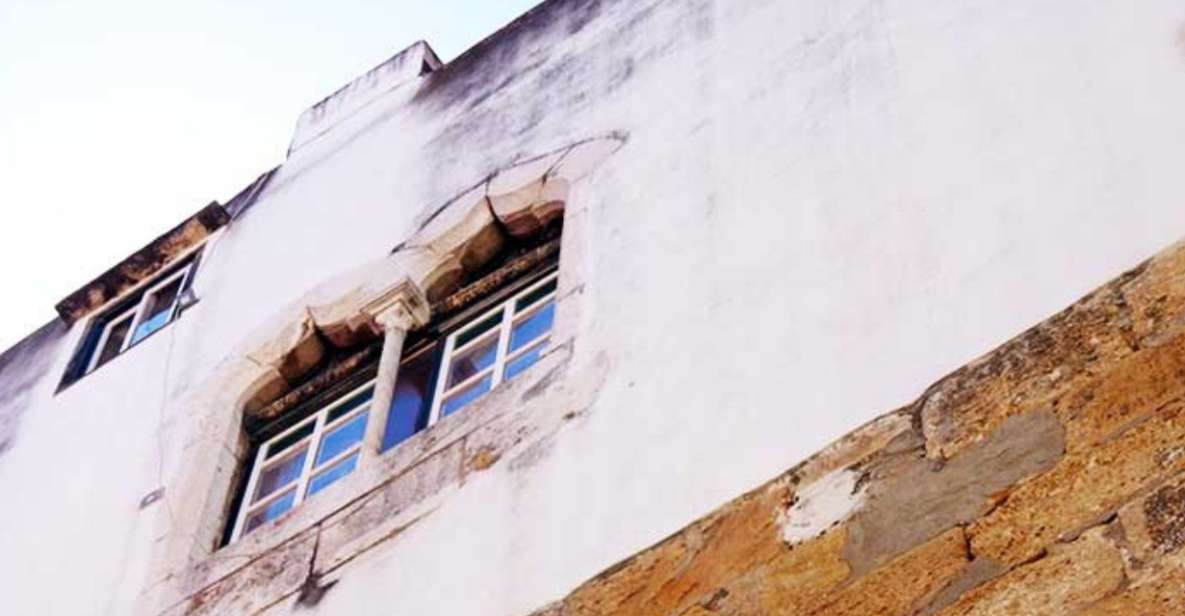
The tour starts at Praça do Comércio, with your guide waiting under the big triumph arch. Look for a guide wearing an orange backpack or a Lisbon Walker tote. That matters more than it sounds: you want to avoid wandering the square while everyone else assembles.
This opening stop is smart because Praça do Comércio is one of the easiest places to orient yourself in Lisbon’s core. From here, you can understand the walk as a shift from open civic space into the narrower, older streets of Alfama and Mouraria, and then back toward the busier central districts.
You’ll also get a framework early on for the route. The guide sets up the idea that Lisbon’s Jewish history is tied to how the city was organized—what areas were used, restricted, or repurposed over time.
Baixa District Stops: Forced Conversions in the Heart of the City
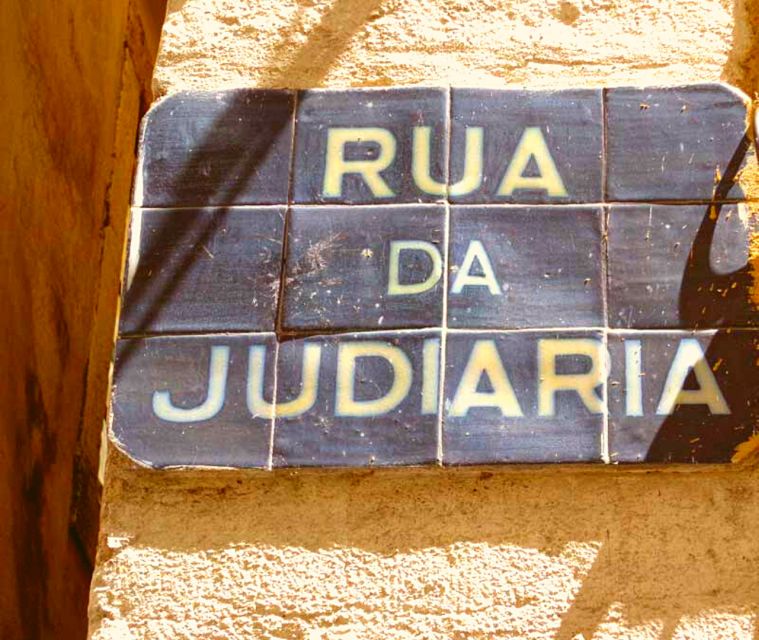
After leaving Praça do Comércio, the walk moves through the central spine of Lisbon, including Praça do Município and Rua do Comércio. This is the kind of geography that helps you see how power and religion sat side by side in everyday life.
Casa dos Bicos is one of the stops that can catch your eye even if you’re not thinking about Jewish history at first. The guide’s job here is to connect structures you see today to the shifting identity of people and communities across centuries. It’s a good moment to slow down and pay attention, because Baixa is where Lisbon can feel modern and busy fast.
From there, the route continues toward Ribeira and into areas tied to remembrance and resistance, including a Resistance museum stop. Even without heavy architectural remnants of Jewish life from earlier periods, you learn how Lisbon’s story was shaped by conflict—then how that conflict echoed into later decades.
Why Baixa works on this tour: it’s not just “where Jews lived.” It’s also where policy and coercion played out. Forced conversions weren’t abstract. They were tied to the city’s power centers, public identity, and the ability to monitor who belonged where.
Alfama and Mouraria: Medieval Segregation on Narrow Streets
Alfama is the part of Lisbon where your pace naturally slows. The streets tighten, views open and close, and the neighborhood layout starts to make sense as an experience—especially when the guide explains the historical pattern of segregation.
The highlight here is the Alfama Jewish quarter, including the context of medieval separation. You’re walking through the kind of urban space where restrictions mattered: where access could be limited, where community life could be controlled, and where reputation could be enforced.
The tour also includes Mouraria. In practical terms, this is valuable because Mouraria helps fill in the “human geography” around Alfama. Instead of treating Judiarias as isolated islands, you see how neighborhoods overlapped, and how people moved through the city under shifting rules.
One recurring theme in the experience is that the guide doesn’t just point. They connect dots between place, time, and consequences. Names like Jose and Filipa show up in the tour history as guides who keep the discussion moving and keep you asking questions even when the group is standing still on a corner.
Rossio and the 1506 Pessah Massacre: A Turning Point
Rossio is a big, open, central square—perfect for a story that involves public fear and public impact. The tour includes Rossio along with a stop at Praça da Figueira, giving you a sense of how events played out across the city’s main gathering spaces.
The standout historical moment is the 1506 Pessah massacre. You’ll get local context for what happened and why it mattered in Portuguese history and Jewish community life. The guide typically frames it not as a distant tragedy but as a hinge that changes how communities operate afterward.
This is also where Lisbon’s “few visible remains” issue becomes most important. There may not be a plaque that shouts this history in bold letters. Instead, you’re learning how the city’s public spaces held serious stakes for minority communities.
If you like history that’s tied to geography—where a massacre is not just a date but a place you can stand in—this part is worth it.


The WWII 1940s Thread and Lisbon’s Refugee Passage
Many Jewish history tours stick to medieval centuries and stop there. This one continues into the 1940s, covering the IIWW refugees passage through Lisbon during WWII-era movement.
That contemporary thread is more than a side note. It shows you that the story isn’t fixed in the past. Lisbon served as a crossroads for escape, travel routes, and hope—part of the wider diaspora story that spread outward from Lisbon across the Atlantic, into the Mediterranean, and onward to Asia and northern Europe.
I like that the tour treats this as part of the same long narrative. When you get to the WWII-era section, you’re already primed to understand how forced decisions, borders, and safety shape community life.
If your interests include modern history, migration routes, or how cities act as gates during wars, this portion gives the tour extra staying power beyond medieval sites.
What You’ll Actually See About Lisbon’s Jewish Past (and What You Won’t)
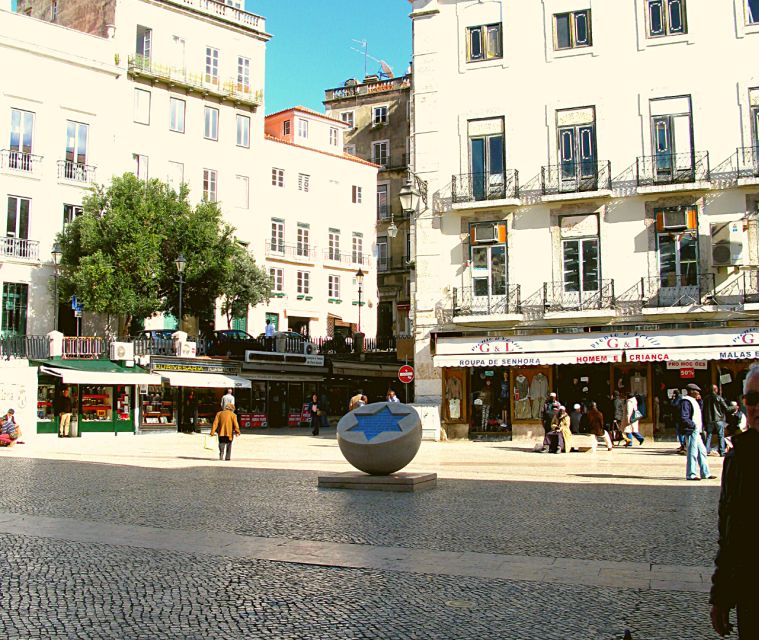
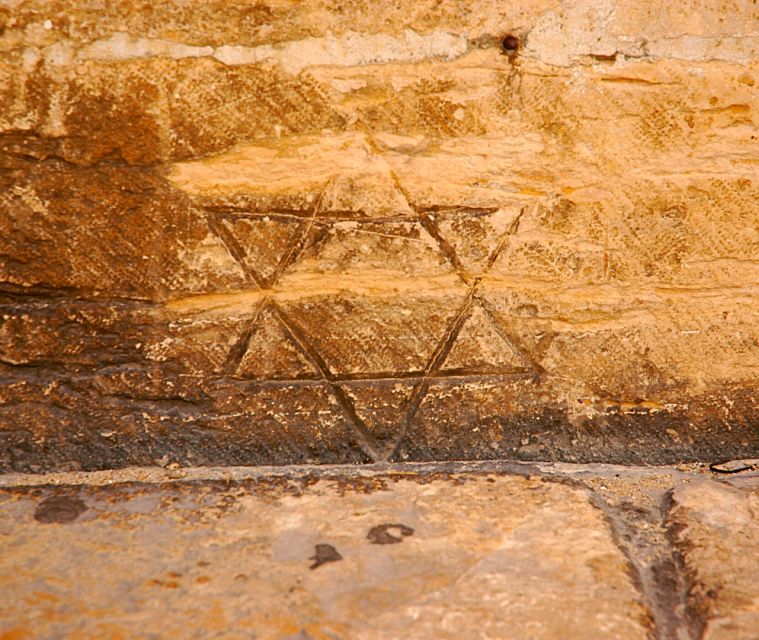
Here’s the honest expectation to set: you should not plan on a site-and-artifact crawl. Reviews of this experience consistently point out that there are few if any physical remains of the Lisbon Jewish community to inspect.
That can change how you enjoy the tour. If you want carved inscriptions, intact synagogue ruins, or museums full of objects, you may wish there were more. Guides like Jose and Sofia are specifically praised for handling this well—meaning they explain the limits and still make the history legible by grounding it in neighborhoods and architecture you can see.
Also, don’t skip the “nearby” discoveries. One guide experience described taking the group to see hidden Roman remains and churches. Even if that wasn’t the headline of the tour, it reinforces a key idea: Lisbon’s layers overlap. You’re learning how Jewish life existed inside a city with older histories, other religions, and changing political control.
My suggestion: show up ready to listen. Bring the questions you’d ask in a museum—then let the guide translate streets into evidence.
Price and Logistics: Is $106 Worth 3 Hours?
At $106 per person for a 3-hour guided tour, value depends on what you want from the experience.
This price covers the guided portion, and that’s it. You should budget separately for food and drinks, and there’s no hotel pickup or drop-off included. You’ll be walking, and you’ll want comfortable shoes so you can stay focused on the story instead of your feet.
The tour is private group, with live guidance in English and Portuguese, and it includes skipping a ticket line. Since the tour is built around outdoor streets and major stops, that “skip the ticket line” perk likely helps keep momentum without delays.
Is it a bargain? If you’re a serious history person, you’ll likely feel it’s fair because the guide’s role is the product: connecting context across centuries with a route you can actually follow. If you mostly want casual sightseeing, the lack of physical artifacts could feel like “talk without much to look at.”
For best value, treat it as a focused orientation lesson for Lisbon’s center and old quarters. You’ll get more out of a later self-guided wander because you’ll understand what you’re seeing.
Who This Tour Fits Best
This tour is a strong match if you’re drawn to Jewish history, forced conversion history, and how communities survive through change. It’s also ideal if you like city walking routes where big squares (like Praça do Comércio and Rossio) anchor the story.
It’s a good option for mixed interests, too. The tour references Lisbon’s connection to Portuguese culture, science, and gastronomy, so you’re not stuck only on conflict. And the WWII passage brings it into the 20th century without abandoning the medieval backbone.
From the guide-led style described in the experience, it also sounds like you can expect engagement and room for questions. Guides such as Filipa, Jose, Rita, Sofia, Jorge, and others are repeatedly praised for staying animated and keeping people interested during the whole walk.
If you’re traveling with limited patience for walking, keep in mind it’s still a guided route through historic neighborhoods. Comfortable shoes aren’t optional here.
Should You Book the Lisbon Jewish History Tour?
Book it if you want a guided walk that gives you a clear, place-based understanding of Lisbon’s Jewish story—from medieval segregation and forced conversions to Rossio’s 1506 Pessah massacre and the 1940s refugee passage. It’s especially worthwhile if you enjoy history that makes the city itself feel like evidence.
Skip it or rethink it if you’re only excited by physical artifacts and museum-style displays. Here, the strongest “see” is what your guide helps you notice in the city layout and in the way each district fits into the bigger narrative.
If you’re the type who loves asking why a square matters or what a neighborhood name signals, this tour is built for you. And if you arrive ready for a lot of listening, you’ll leave with a Lisbon you can read—quietly, carefully, and with far more context than you started with.
FAQ
How long is the Lisbon Jewish History Tour?
The tour lasts 1 day, with a 3-hour guided walking experience.
How much does it cost?
The price is $106 per person.
Where do I meet the guide?
Meet under the big triumph arch at Praça do Comércio. The guide will be wearing an orange backpack or carrying a tote with the Lisbon Walker big logo.
What’s included in the price?
The price includes the 3 hours guided tour.
Are hotel pickup and drop-off included?
No. Hotel pickup and drop-off aren’t included.
What languages is the tour offered in?
The tour is offered in English and Portuguese.
Do I need to bring food or drinks?
Food and drinks are not included, so you’ll want to plan for that yourself.
What’s the cancellation policy?
There’s free cancellation up to 24 hours in advance for a full refund.