REVIEW · BELEM TOURS
Lisbon: Guided Tour of Historic Belém by Electric Bike
Book on GetYourGuide →Operated by LISBOA AUTÊNTICA LDA · Bookable on GetYourGuide
Electric bikes make Belém feel close. This 3-hour guided ride strings together UNESCO monuments, Tagus waterfront views, and Lisbon’s most iconic bridges without turning your day into a shoe-leather workout.
I love the smart pacing: a short bike-learning briefing, then a smooth glide through markets and river viewpoints, with stops that actually connect to the stories behind what you see. I also love the human touch—guides like Xavier and Jorge bring the area to life with real Lisbon details, not just dates.
One heads-up: while the ride is mostly easy, you can still hit a few stretches of busy, bumpy streets, so comfortable shoes matter.
In This Review
- Key highlights you’ll feel on this tour
- Electric-bike briefing: your first step to an easy Belém day
- Starting the route: Ribeira Market and the colors of Pink Street
- Cais do Sodré and the Tagus: ferries, maritime Lisbon, and open views
- Torre Belém and the 25 de Abril Bridge: more than postcard stops
- The former power plant turned Electricity Museum: industrial architecture details
- Monument of the Discoveries: 1940 symbolism and the Age of Discoveries mindset
- Stroll-through moments: Monastery of Saint Jerome and its Manueline-style drama
- Coffee break away from tourist traps: when rest improves the photos
- Pacing and difficulty: mostly easy, but not zero-stress
- Price and value: $47 for a guided e-bike loop that actually saves time
- Meeting point basics: where to go without wasting your morning
- Who this tour suits best (and who should pass)
- Should you book this Belém electric bike tour?
Key highlights you’ll feel on this tour
- Electric-bike help on the Tagus so you can focus on sights, not pushing uphill
- Belém’s UNESCO sights in a single loop with Torre Belém, the Discoveries monument, and Jerónimos nearby
- 25 de Abril Bridge with the political backstory behind the photo
- Rua Nova de Carvalho (Pink Street) for color, street energy, and great photo chances
- A calmer coffee pause by the water before you get your optional pastel de nata fix
- Small-group feel and frequent adjustments to match what your group wants to linger on
Electric-bike briefing: your first step to an easy Belém day
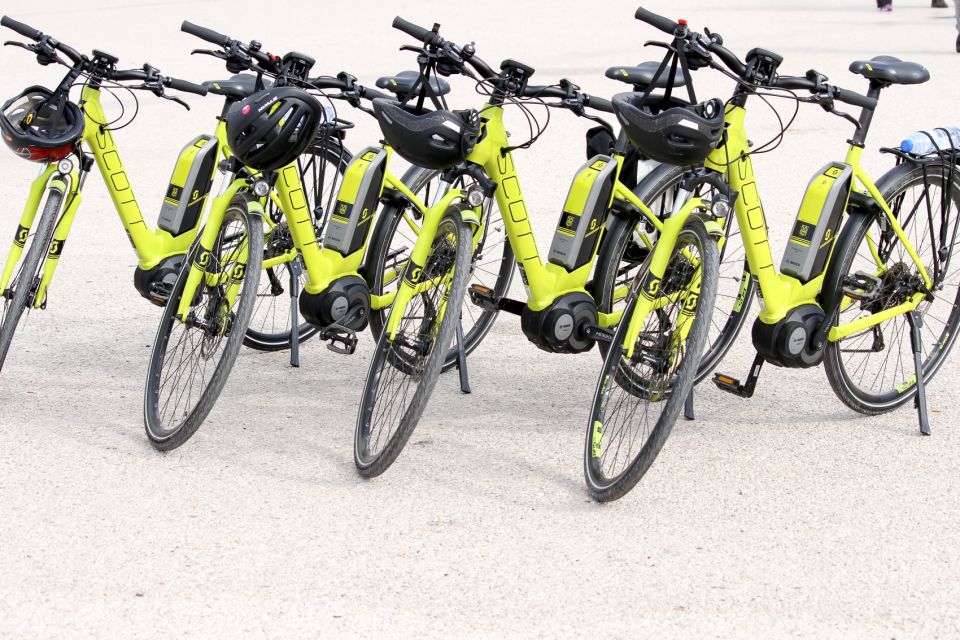
Your tour starts with a quick meetup near Largo Severa 7A in central Lisbon, then a bike briefing that’s built for people who don’t ride a lot. You get helmets and a clear walk-through of how the e-bike works, so you’re not figuring it out while the group is rolling.
Once you’re moving, you’ll notice the biggest advantage of e-bikes in Lisbon: you can cover real distance while keeping the ride relaxed. That matters here because Belém isn’t just one monument—it’s a whole riverfront system of forts, memorials, and architecture.
Tip: wear comfortable shoes. You’ll spend enough time moving that you want your feet to feel good, even if the bike makes the pedaling effortless.
You can also read our reviews of more cycling tours in Lisbon


Starting the route: Ribeira Market and the colors of Pink Street
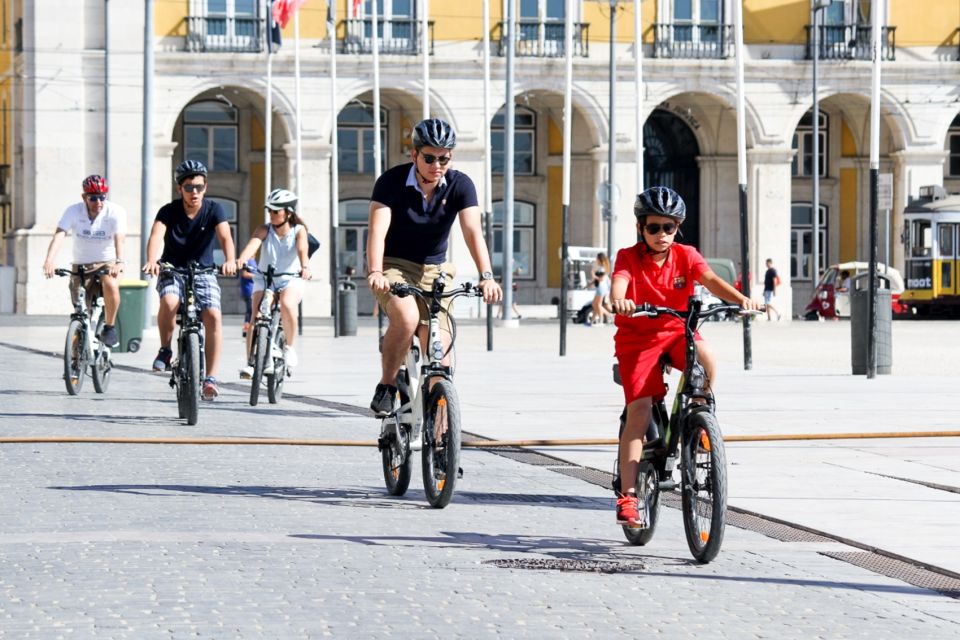
Right after the bike briefing, you roll toward the Ribeira Market area. The market zone is known for traditional stalls—fish, fruit, vegetables, and flowers—plus a separate cluster of many restaurant options. Even when you’re not eating, it’s a great place to get your bearings and watch how locals shop and snack.
Then comes a fun tonal shift: the ride goes to Rua Nova de Carvalho, also called Pink Street. The name fits. Expect colorful buildings and that lively neighborhood vibe people come to experience after dark.
This is one of those parts that works even if you’re not a nightlife person. Daytime, it feels like local Lisbon, not a staged museum. And if you love photos, this street gives you real color without you having to chase it.
Cais do Sodré and the Tagus: ferries, maritime Lisbon, and open views
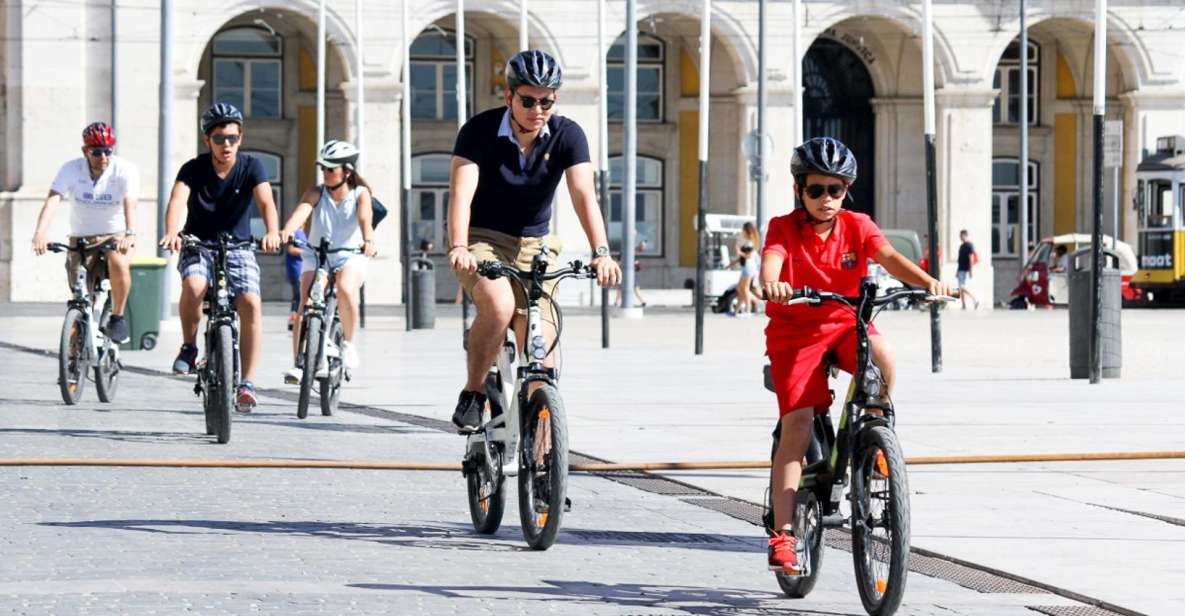
Next, you pass through Cais do Sodré, a waterfront hub with maritime energy going back centuries. It’s especially interesting because it’s tied to how people move across the Tagus today.
You’ll also see the cacilheiros ferry operation—boats that connect Lisbon with Cacilhas. Watching how that transport system functions adds context to the riverfront. Belém isn’t just scenic. It’s the kind of place built around ships, supply routes, and coastal power.
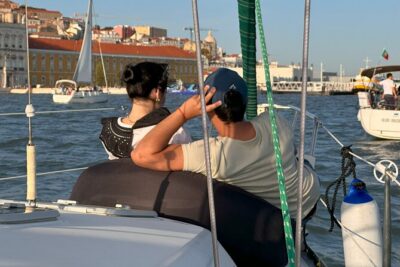
Once you’re cycling alongside the Tagus, the vibe changes again: more open air, more space, and far easier riding. Several riders have noted the route feels flat and comfortable thanks to the e-bike assist, and you’ll likely feel that immediately once you get onto the waterfront stretches.
If you’re sensitive to traffic noise, this is where the ride can calm down, because you’re out in the open for long sections.
Torre Belém and the 25 de Abril Bridge: more than postcard stops
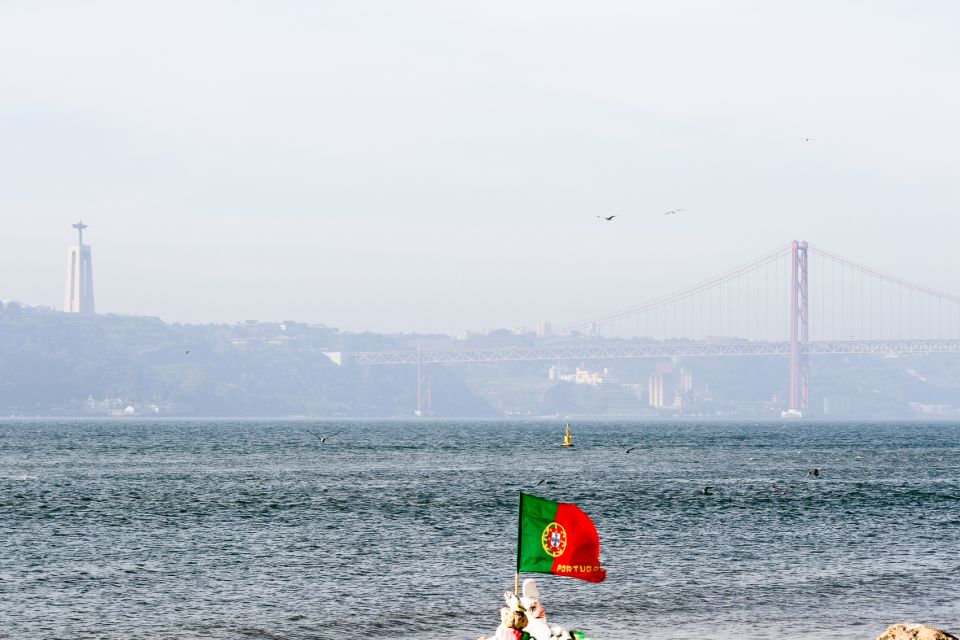
As the tour pushes deeper into Belém, you’ll reach the Torre Belém area and the iconic lines of the 25 de Abril Bridge. These are the big visuals. But the tour’s value is the history glue that connects them.
You’ll get the meaning behind the bridge name: it was built at the end of the Portuguese dictatorship and it became a symbol of the 25 April Revolution, which ended 41 years of dictatorship. That changes the way you look at the structure. Suddenly it’s not just a dramatic skyline element. It’s tied to political change and modern Portuguese identity.
Then you’ll move through the Belém riverfront fortification story. Torre Belém sits within a broader defensive system meant to protect Lisbon from pirates. If you like architecture that served a purpose, this stop gives you that “why it looks like this” clarity.
Photo tip: don’t just shoot from one angle. Even small shifts in where you park the bike can give you better lines across the water.
The former power plant turned Electricity Museum: industrial architecture details
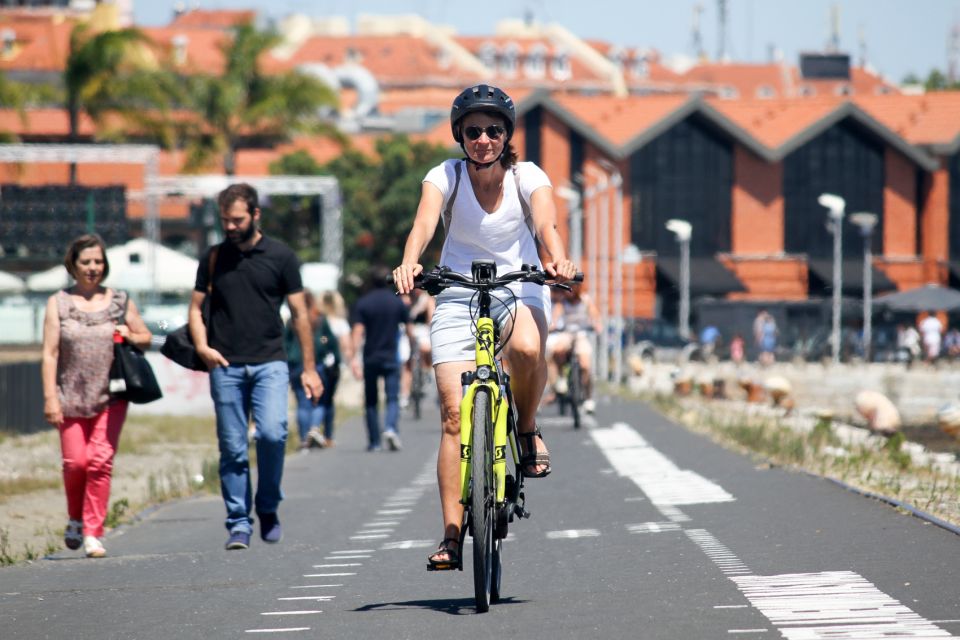
After the big monuments, the tour turns smart by adding variety: you pass by a former thermoelectric plant now home to the Electricity Museum. This is Lisbon with a different tempo.
The point here isn’t just that you see a building—it’s that you start noticing Lisbon’s industrial layers. You’ll learn to spot how industrial architecture shaped city life, especially along the river where power and trade tend to cluster.
This stop can be a breath of fresh air if you’ve been leaning hard on palaces and churches. It reminds you that the Age of Discoveries and Portugal’s later modernization weren’t only about ships—they were also about infrastructure and energy.
You can also read our reviews of more guided tours in Lisbon






Monument of the Discoveries: 1940 symbolism and the Age of Discoveries mindset
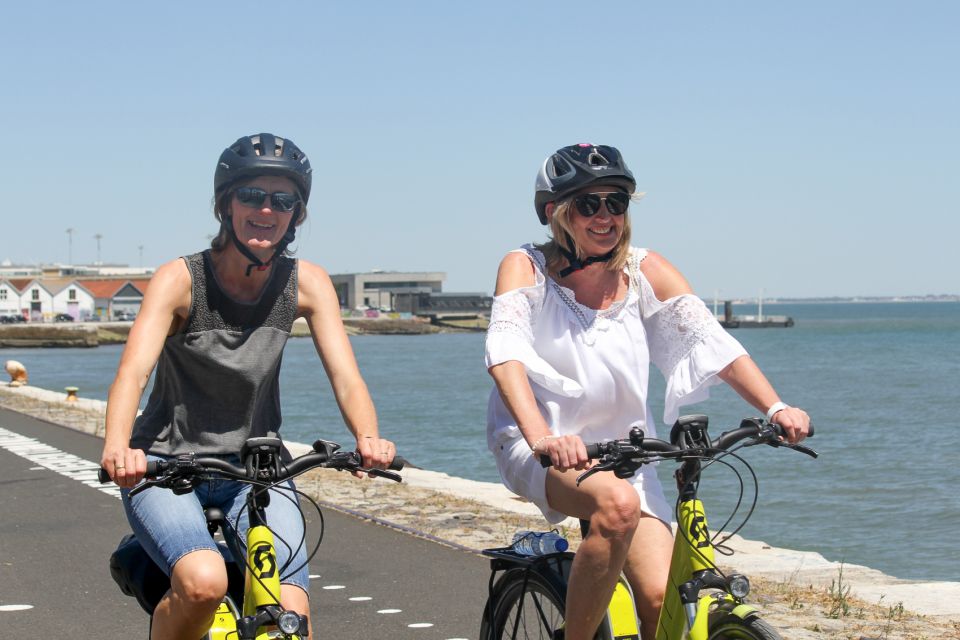
From there, you’ll visit the Monument of the Discoveries, built in 1940 for an exhibition about the Portuguese world. That detail matters, because it frames the monument as a statement made in the 20th century about an older era.
Expect depictions linked to Portugal’s Age of Discoveries—ships, explorers, and the cultural storyline Portugal wanted to project. If you’ve been reading about Portuguese maritime expansion, this stop helps you see how that story was packaged and displayed for later generations.
This is one of those moments where you’ll understand why Belém is considered a “place of memory.” It’s not only where history happened. It’s where Portugal chose to remember how it happened.
Stroll-through moments: Monastery of Saint Jerome and its Manueline-style drama
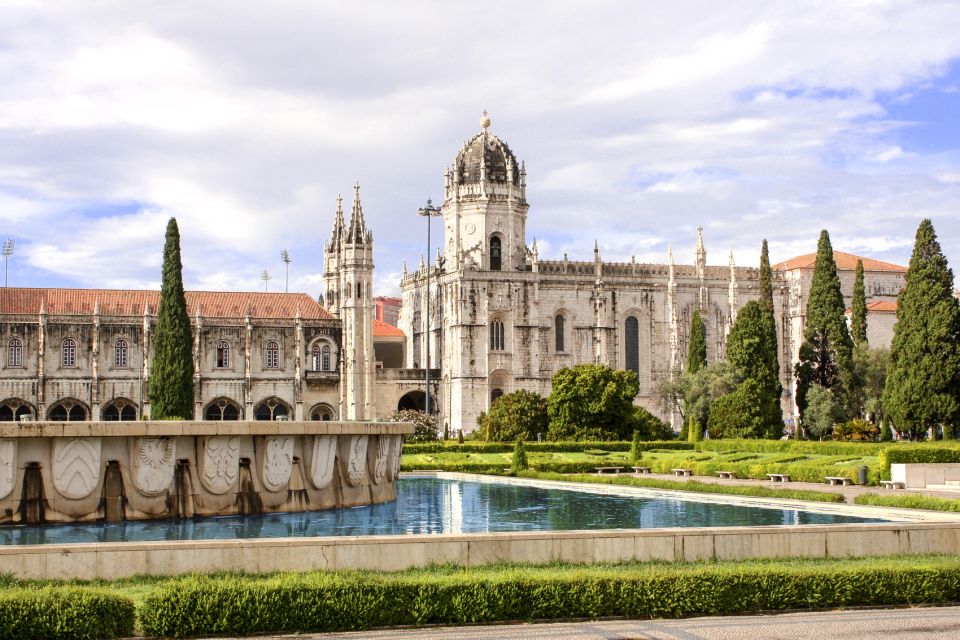
Near the end of the ride, you head toward the Monastery of Saint Jerome (Jerónimos Monastery), one of the finest examples of Manueline-style architecture in Lisbon. This is where the tour leans into visual impact.
Manueline can feel like stone turned into lace, with details that reward slow looking. The tour format keeps you moving, so you won’t have hours to wander like you would on your own—but you do get enough time to appreciate the style before you move on.
Then comes the part many people look forward to: a stop connected to the famous custard tartlets, often known as pastel de nata. You’ll have a chance to taste one in the monastery gardens.
One practical note: custard tartlets are not listed as included, so budget a little extra if you want the taste experience here. Still, it’s a strong payoff to match the architecture with a Belém classic.
Coffee break away from tourist traps: when rest improves the photos
Between the major monuments, you’ll get a coffee break in a quieter area away from the main tourist crush. This matters more than it sounds. Your brain needs a reset before the final stretch, especially if you’ve been taking lots of photos.
It’s also a good moment to rehydrate. Even if your pedaling is light, Lisbon can be warm and the open air along the river can dry you out.
If you’re the type who gets hungry fast, this break is your chance to tide things over without turning the rest of the tour into a food hunt.
Pacing and difficulty: mostly easy, but not zero-stress
Overall, this is a practical “see a lot” bike tour. Many riders have said the route feels flat with easy riding thanks to the e-bike support. You also get a proper briefing at the start, which helps you feel confident early.
Still, plan for reality. One review-style concern that shows up is a short portion of riding on busy, sometimes bumpy city streets. That’s not the waterfront portion you came for, so you’ll want to be ready for quick attention: where the bike goes, how the road feels, and what cars do around you.
Also, if you’re new to bikes or you need frequent restroom access, this may not be the gentlest ride all day. The tour runs about 3 hours, and the stops are timed around sights, not long breaks.
A smaller but real comfort note: some riders have mentioned saddle comfort. If you’re picky, you might want to take that seriously—bring your own water, adjust your fit early, and focus on staying loose.
Price and value: $47 for a guided e-bike loop that actually saves time
At about $47 per person for a 3-hour tour, you’re paying for more than bike rental. You’re buying guide time plus a vehicle that lets you link several Belém anchors without spending your energy on transit.
What you get with the price:
- A guide
- An e-bike and helmet
- One bottle of mineral water
- Liability and personal accident insurance
What you do not get:
- Transfers to and from the meeting point
- Refreshments
- Belém custard tartlets
Is it good value? In my book, yes—especially if you want to see Belém with context in one morning/afternoon block. Belém’s sights are spread out, and doing them solo usually means more walking or more transit planning. Here, the route and timing are handled.
If you’re already an expert cyclist and you don’t care about explanations, you might question the price. But if you want the bridge story, the Age of Discoveries framing, and the architecture notes without researching every stop, the guided approach is the point.
Meeting point basics: where to go without wasting your morning
You’ll meet at Largo Severa 7A, 1100-588 Lisboa, in a pedestrian area. If you’re arriving by Uber or taxi, a helpful nearby destination is Praça Martim Moniz, with Largo da Severa about a two-minute walk away.
This is worth handling early because the tour starts on time and it’s easier when you’re not hunting while everyone else is already mounted.
If you get turned around, some people have received extra direction help by phone in past experiences, which is reassuring if you’re the type who hates arriving late.
Who this tour suits best (and who should pass)
This tour fits you if:
- You want Belém sights in one organized loop
- You’d like history and architecture explained as you ride
- You want a low-effort way to cover distance thanks to e-bike assist
- You enjoy photo stops where the story behind the view is part of the payoff
You might skip it if:
- You have mobility limitations, since it’s not listed as suitable for that
- You’re under 145 cm
- You dislike riding near busy streets, even briefly
- You want a slow, long-form museum visit rather than a guided ride with short stops
Should you book this Belém electric bike tour?
I’d book it if your top goal is to get a fast, guided hit of Belém’s UNESCO landmarks, plus the riverfront atmosphere of the Tagus. The combination of e-bike ease, a well-structured route, and the stops that connect to Portugal’s discovery-era story makes the experience feel like it has a purpose.
If you’re unsure, here’s the simplest test: do you want to spend your time looking and learning, not navigating? If yes, this tour is a strong bet.