REVIEW · FOOD
Lisbon Food and Wine Walking Tour
Book on GetYourGuide →Operated by Bruno Vilhana · Bookable on GetYourGuide
Lisbon tastes better on foot. This Lisbon Food and Wine Walking Tour mixes a relaxed city stroll with Portuguese flavors and funny, story-driven context, the kind that makes the city feel personal. I especially like the 10–12 bite-sized tastings across about 5–6 stops, plus the way the guide ties food to Lisbon’s history and daily life (guides like Julia, David, and Sofia have strong follow-through). The one drawback to plan for: you’re walking for about 3 hours, so bring comfortable shoes and come with at least a somewhat empty stomach.
You also get the feel of an intimate group, limited to 10 people, with an English-speaking live guide. That matters here because food tours can get noisy and rushed; this one aims to keep the pace human, with the route and timing adjusted to what you’re interested in.
Finally, you’re not just collecting snacks. You’re learning Portuguese gastronomy in a practical way—what you’re eating, what it comes from, and why it fits Lisbon. If you want typical local places and a proper mix of food and drinks, this is built for you.
In This Review
- Key things I think you’ll care about
- Why a 3-hour walking format works for Lisbon food
- 5–6 stops and 10–12 tastings: what the pacing really means
- Your guide matters: Julia, David, and Sofia set the tone
- Portuguese food basics you’ll learn by tasting, not memorizing
- Stop-by-stop experience: how each tasting moment is likely built
- Stop 1: A typical Lisbon welcome, plus an early flavor anchor
- Stops in the middle: the guide connects ingredients to Lisbon’s story
- A sweet moment and a final savor: the tour ends with your taste memory intact
- Mouraria (and similar local areas) makes the walk feel real
- Price and value: what you get for $100
- What to bring (and how to get the most out of the tastings)
- Who this tour fits best (and who should skip it)
- Should you book this Lisbon Food and Wine Walking Tour?
- FAQ
- How long is the Lisbon Food and Wine Walking Tour?
- How many tastings are included?
- Is the tour in English?
- How big is the group?
- How much does the tour cost?
- What kinds of items will I taste?
- Where is the tour located?
- Is there a live guide?
- Can I cancel for a refund?
- Do I have to pay immediately to reserve?
Key things I think you’ll care about
- Small group (max 10): easier questions, more attention, and less waiting around.
- 10–12 tastings in 3 hours: you get variety without being stuffed by the end.
- Food plus Portuguese wine and liqueurs: not just one category of tasting.
- Guides with story skills: history tied to what’s on your plate, not facts dumped at you.
- Typical local stops: places you’d be less likely to find on your own.
- Walk-first format: it’s city sightseeing through your stomach, not a restaurant crawl.
Why a 3-hour walking format works for Lisbon food
Lisbon is a city of short distances and constant movement. A walking tour matches that reality. In three hours, you can cover enough ground to feel like you’re seeing the city, while still spending real time at each stop to actually taste and learn instead of just passing by.
This also keeps the experience from turning into a long meal. You’ll get a sequence of small tastings—food and/or drinks—so you’re not stuck waiting for one main dish to arrive. Instead, the tour keeps changing pace: walk a bit, taste a bit, then talk about what you just ate. It’s a pattern that works well if you’re traveling for the first time and want quick clarity on what matters.
One practical note: this isn’t a sit-down tasting class. You’ll be on your feet, and a few reviews specifically suggested runners and an empty tummy. That’s not just “nice to know.” It directly affects how much you enjoy the pacing. Comfortable shoes mean you can focus on flavors, not foot pain.
You can also read our reviews of more walking tours in Lisbon


5–6 stops and 10–12 tastings: what the pacing really means
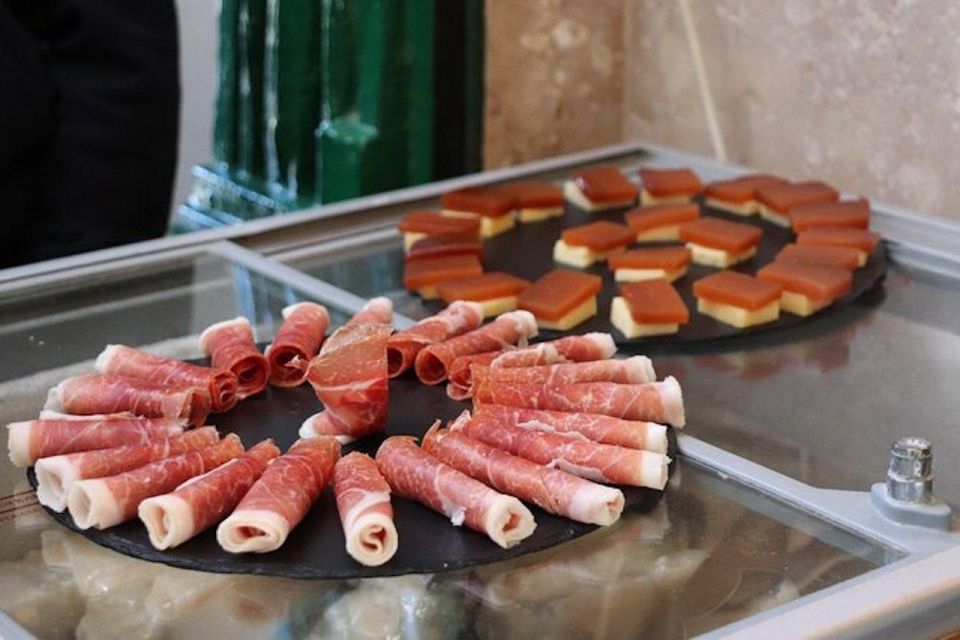
The tour is designed around about 5–6 stops, with 10–12 separate tastings (food and/or drinks). That tells you a lot about how the guide thinks: instead of one giant tasting spread out across a single venue, you’re moving through multiple local counters and small plates.
So what does that feel like for you?
- You’ll taste enough variety to learn Portuguese flavor patterns—salty vs. sweet, savory richness vs. something lighter.
- You’ll get repeated chances to ask questions, not just one mid-tour check-in.
- You won’t leave with regret like, I liked stop three most but missed the rest. The format spreads the best moments out.
There’s also a hidden benefit for most people: appetite management. Because each tasting is bite-sized, you can slow down at the places you like and stay curious at the places you’re unsure about. Then you get a few drinks in the mix, which helps you understand the difference between what’s tasty and what’s memorable.
If you’re the type who hates surprises, keep in mind that tasting tours always have a bit of variability. Still, the core is consistent: typical Portuguese food and Portuguese wine and liqueurs are part of the plan, with multiple stops and included tastings.
Your guide matters: Julia, David, and Sofia set the tone
In a tour like this, the guide isn’t just logistics. They shape how the food lands in your head. The reviews you shared highlight guides like Julia, David, and Sofia, and the pattern is consistent: guides who connect food to place and history, while keeping the stories entertaining.
David is repeatedly described as both knowledgeable and flexible with pacing—less strict clock-watching, more adjusting to your tempo and interests. That’s a big deal in Lisbon because neighborhoods change fast. If the group wants to linger, or if one tasting triggers more questions than expected, a rigid route can ruin the experience. A guide who knows when to slow down makes the tastings feel earned instead of rushed.
Julia is praised for being sweet and for explaining Portuguese history in a way that supports the food. Sofia is noted as friendly and knowledgeable, and at least one route includes time through Mouraria, a neighborhood with plenty of character and everyday life.
What you should take from this: choose the tour time when you’ll actually be alert. A great guide can only do so much if you show up exhausted.
Portuguese food basics you’ll learn by tasting, not memorizing
You’re here to learn Portuguese gastronomy through typical flavors and traditional products. That means you’ll likely hear explanations tied to everyday ingredients—how Portuguese cooking thinks about salt, smoke, sweetness, and comfort.
You’ll also learn vocabulary through experience. When someone points out what makes a wine match a savory bite, it stops being abstract. It becomes practical: you start noticing why one drink works better than another with the same flavor base.
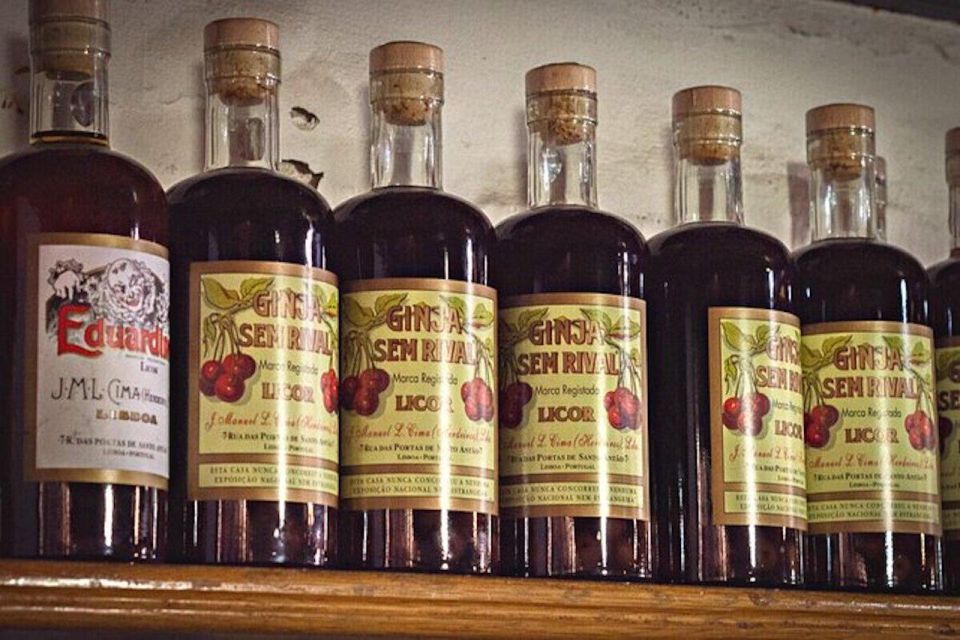
In the reviews, there are clear signals that the tour doesn’t limit itself to one drink style. You can expect Portuguese wines and also liqueurs as part of the tasting mix. That variety matters because it shows the range of Portuguese drinking culture: not only wines as a single category, but also the smaller, stronger, more aromatic side (the kind that can show up as a digestif or flavored spirit).
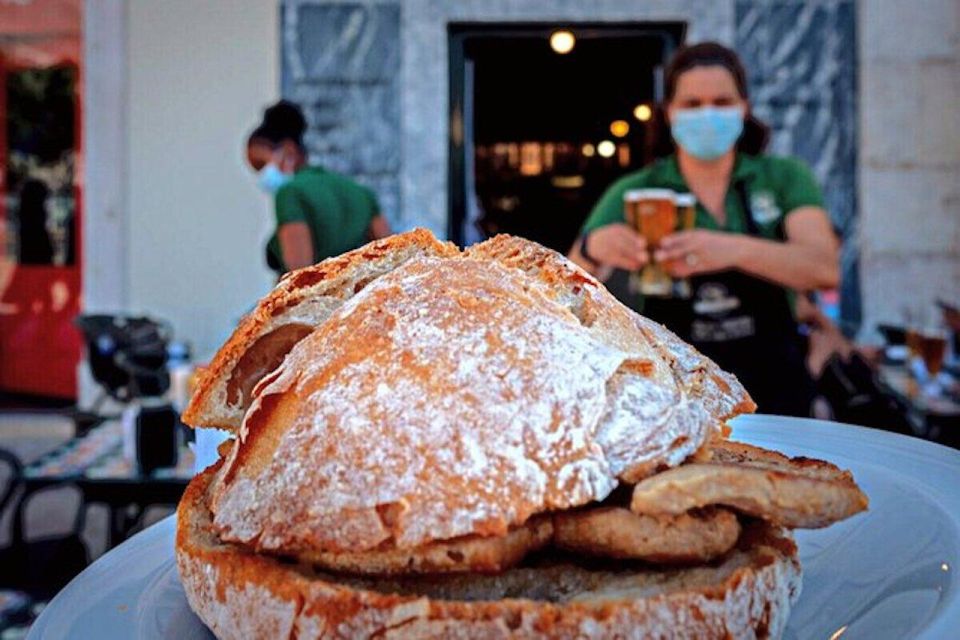
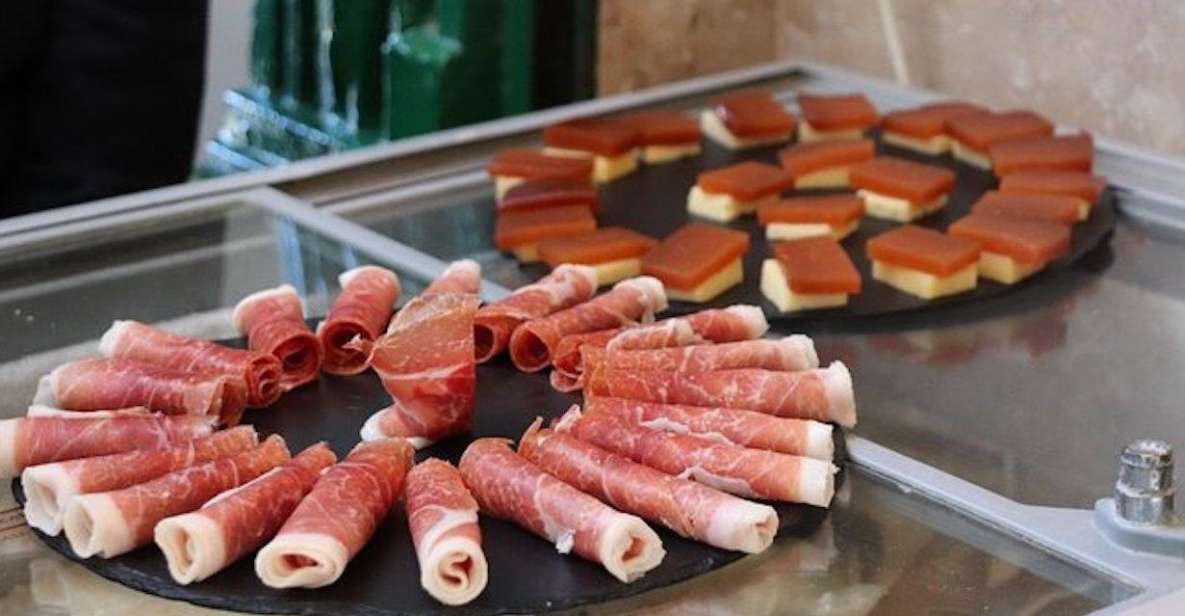
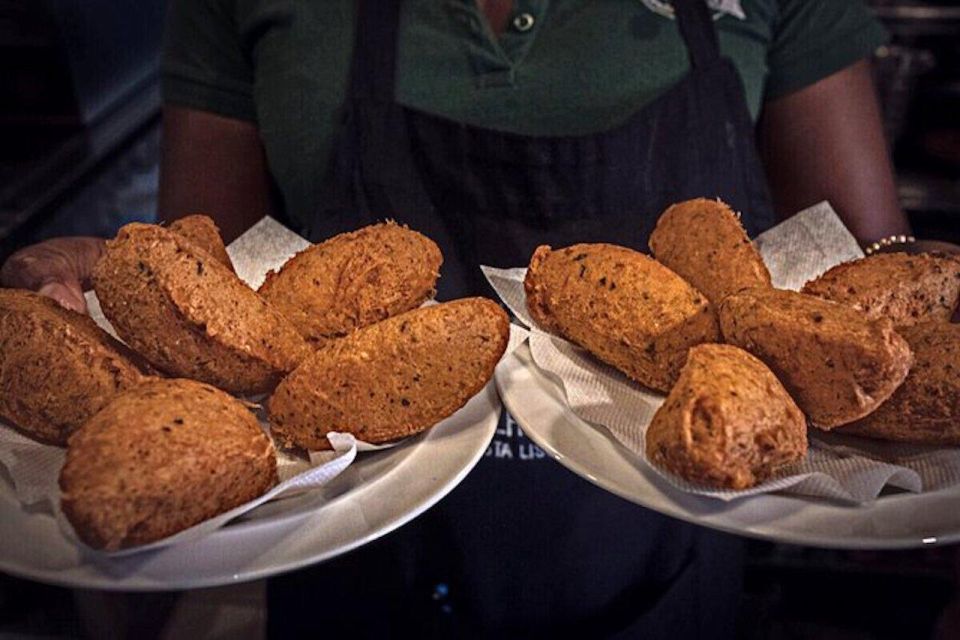
And then there’s the food side: traditional snacks, treats, and local recipes. Even the shorter emoji hints in one review point to a mix that likely includes both sweet and savory bites, plus bread and at least one savory item with pork. I can’t promise that exact menu on your specific day, but the tour’s design is clearly set up for variety across taste types.
Stop-by-stop experience: how each tasting moment is likely built
You won’t see “restaurant A, restaurant B” on a billboard. Instead, the tour moves from stop to stop, and each one is a small lesson. With 5–6 stops and 10–12 tastings, the structure tends to look like this:
You can also read our reviews of more food & drink experiences in Lisbon




Stop 1: A typical Lisbon welcome, plus an early flavor anchor
Most food walking tours start with an easy win: a snack you can recognize as local, plus a first drink pairing (or a food-first bite that sets the stage). This is when you’ll get your bearings in the story—how the guide wants you to think about Portuguese gastronomy.
The advantage for you: you’re not guessing the rest of the route. Once you taste a baseline example, the later stops make more sense.
Stops in the middle: the guide connects ingredients to Lisbon’s story
As the tour continues, the tastings usually shift from simple starter bites into “this is what locals actually order” territory. Expect a mix of food and drinks—especially Portuguese wine and liqueurs—so you can compare flavors across multiple styles.
This is also where the walking time pays off. Lisbon’s neighborhoods aren’t identical, and being outside keeps the tour from becoming a food-only bubble. The guide can mention history and culture as you move, and the tastings become proof instead of lecture notes.
One drawback to consider: if you dislike drinking culture, you’ll want to pace yourself. The tastings are included, but not all tastings feel equal. Some are stronger than others. A good guide will usually help you make sense of it, but you’re still tasting what Portugal tastes like.
A sweet moment and a final savor: the tour ends with your taste memory intact
Tours like this often end with the kind of bite that sticks—the sweet treat or a concluding pairing that makes the flavors feel complete. The review signals include cake-like sweets and bread-based bites, so that pattern fits what the tour is set up to do.
The value for you: you leave with multiple flavor images in your head, not just one highlight you can’t recreate. That helps when you try to order Portuguese food later on your own trip.
Mouraria (and similar local areas) makes the walk feel real
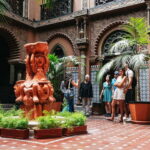
One review specifically mentioned the Mouraria neighborhood. That’s a great sign because Mouraria has the kind of everyday street energy that makes food feel more grounded than touristy storefronts.
Even if your exact route varies by day, the key concept stays the same: you’re being guided through parts of Lisbon that support the theme of typical local places. The walk is part of the storytelling. The city isn’t just a backdrop while you eat.
If you’re the kind of traveler who likes atmosphere—small streets, local life, and the feeling that you’re actually moving through Lisbon instead of skimming the postcard highlights—this aspect is a strong match.
Price and value: what you get for $100
At $100 per person for about 3 hours, the big question is simple: do you get enough tastings and guidance to justify it?
Here’s the value case, based on what’s included and how the tour is structured:
- All tastings are included. You’re not playing the guessing game of how much you’ll spend after the tour ends.
- 10–12 tastings across multiple stops is more than a “small snack” tour. It’s designed for variety.
- English live guide plus story-based context makes it more than just sampling.
- Small group limited to 10 improves the odds that you’ll get explanations and not just rapid-fire swallowing.
Is $100 cheap? No. But you are buying three things that add up: time in Lisbon, guided cultural interpretation, and included food and drink. If you like tasting variety and you want a structured way to learn Portuguese gastronomy without planning every meal, the price can feel fair quickly.
If you’d rather drink like a casual diner and you don’t care about learning history or culture at all, then you might find a standard meal on your own gives you better control. But if you want both food and meaning, this is the right balance.
What to bring (and how to get the most out of the tastings)
Food and wine tours get better when you show up prepared. Based on review advice, I’d treat this like a mini-event:
- Wear runners or comfortable shoes for the walking portion.
- Come with an empty tummy or at least room for multiple bites.
- Plan to move at a human pace. The guide can adjust timing to your interests, but you still need to keep up.
Also, since this is food and drink, think about hydration. Even if you’re not drinking a lot, the guided tastings can still add up quickly. Water and a relaxed attitude make the experience smoother.
Who this tour fits best (and who should skip it)
This Lisbon Food and Wine Walking Tour is a strong fit if you:
- Want an authentic food-first route through typical local places.
- Like learning through taste and short stories rather than museum-style lectures.
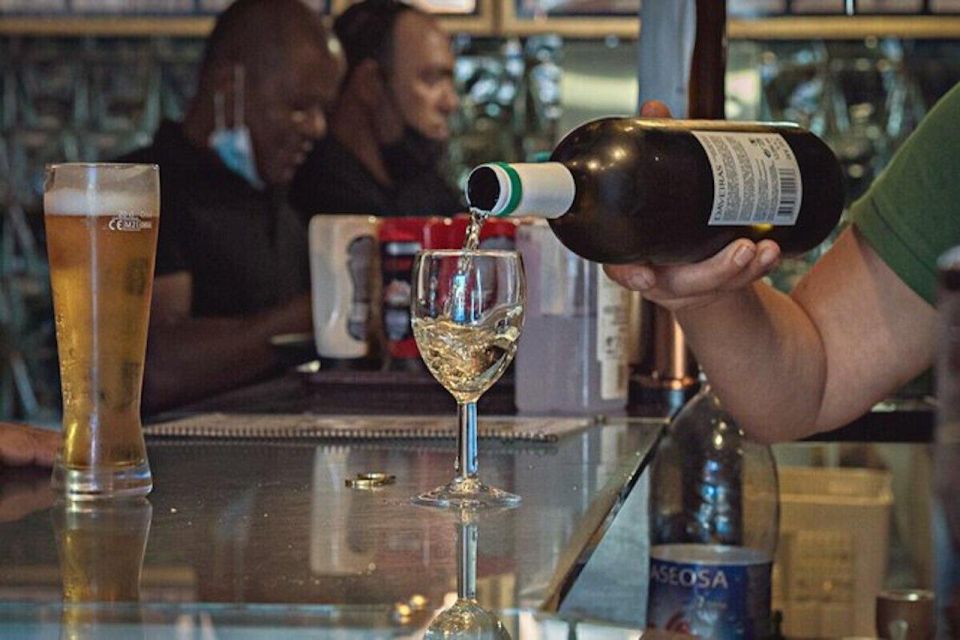
- Enjoy Portuguese wine and liqueurs and want help understanding pairings.
- Appreciate small-group energy (max 10) and an English guide.
It may be less ideal if you:
- Hate walking or don’t handle short city walks well.
- Only want a sit-down meal and prefer full portions over bite-sized tastings.
- Don’t want any alcohol at all. The tour includes drinks, so even if you choose lighter sips, the tasting format centers on food-and-drink variety.
Should you book this Lisbon Food and Wine Walking Tour?
I’d book it if your goal is a guided introduction to Portuguese gastronomy that feels fun, not forced. The combination of included tastings, small group size, and story-led guidance is exactly how you get more than a list of foods—you get a sense of Lisbon through what people actually eat and drink.
You should think twice only if you know you’ll struggle with walking for about three hours or if you’re mainly looking for one big meal with zero interpretation. If that sounds like you, then consider a restaurant reservation instead.
But if you want a lively afternoon, multiple local tastings, and guides like Julia, David, or Sofia shaping the experience with history and humor, this is an easy choice to put on your Lisbon list.
FAQ
How long is the Lisbon Food and Wine Walking Tour?
The tour lasts about 3 hours.
How many tastings are included?
You can expect 10–12 tastings across about 5–6 stops, and all tastings are included.
Is the tour in English?
Yes, the live tour guide speaks English.
How big is the group?
The group is limited to 10 participants.
How much does the tour cost?
The price is $100 per person.
What kinds of items will I taste?
The tour includes local Portuguese food and drinks, including food and/or drinks at multiple stops. Portuguese wines and liqueurs are part of the tasting mix.
Where is the tour located?
It’s in Lisbon District, Portugal.
Is there a live guide?
Yes, there is a live tour guide.
Can I cancel for a refund?
Yes. You can cancel up to 24 hours in advance for a full refund.
Do I have to pay immediately to reserve?
You can reserve now and pay later, so you can book your spot and pay nothing today.