REVIEW · ALFAMA & OLD TOWN TOURS
Lisbon: Flexible Walking Tour of Alfama
Book on GetYourGuide →Operated by Travelbox, Lda. · Bookable on GetYourGuide
Alfama is a maze with big payoffs. A Walkbox app tour lets you wander Lisbon’s oldest neighborhood at your own pace, with automatic English, Portuguese, French, and Spanish audio that works offline as you move through the tight streets and sudden viewpoints.
What I like most is that it’s not a rushed march. It helps you understand what you’re seeing while still letting you stop, look, and walk on when you’re ready.
I especially love the built-in payoff of the Portas do Sol and Santa Luzia belvederes, which are close together but feel like two different scenes. And ending at Lisbon Cathedral, the city’s most ancient monument, gives the whole neighborhood story a serious finale after the fun street wandering.
You’ll also get plenty of in-between moments, from fountains and alleyways to fado-themed details, but those two stand out.
One consideration: there’s a noticeable early climb. The route includes one uphill section close to the start—about 700 meters with an average incline around 8%—and the tour isn’t suitable for people with mobility impairments or wheelchair users.
In This Review
- Key highlights worth planning for
- How a flexible Walkbox audio tour fits Alfama’s twists
- Starting at Casa dos Bicos and getting your bearings fast
- Santo Estevão belvedere and the feeling of getting lost on purpose
- Rua de São Miguel stop and why the pastry break makes sense
- Lisbon’s oldest house, Amália Rodrigues, and the fado “story beat”
- Portas do Sol to Santa Luzia: two belvederes, one perfect walking arc
- Down past São Miguel Church to Lisbon Cathedral’s ancient monument
- Price and practical logistics for a 4 km walk (with that early hill)
- Remote help, offline audio, and the safety net you’ll want
- Who should book this Alfama walk (and who should skip it)
- Should you book this Lisbon: Flexible Walking Tour of Alfama?
Key highlights worth planning for
- Offline, self-paced audio: content plays automatically as you explore, without needing signal
- Upper Alfama focus: an 8% incline segment brings you toward the neighborhood’s highest points
- Belvederes in walking distance: Portas do Sol and Santa Luzia viewpoint stops near each other
- Casa dos Bicos start-to-finish: return to the same meeting point for an easy loop
- Oldest-house stop plus fado icon detail: you’ll reach Lisbon’s oldest house and a cobblestone portrait of Amália Rodrigues
How a flexible Walkbox audio tour fits Alfama’s twists

Alfama is the kind of place where a fixed group pace can fight the streets. The buildings press in, the lanes curve, and you can turn a corner and feel like you’re somewhere completely different. This tour design respects that reality.
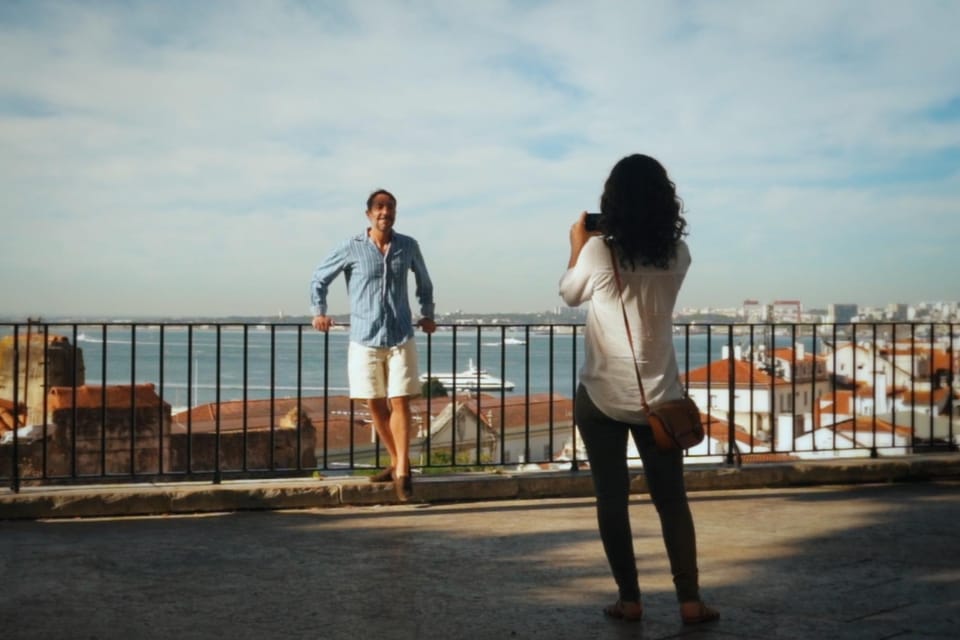
With the Walkbox format, you’re not trapped in a schedule. The tour is meant to run at your pace, in full or in parts, and you can revisit the experience within 5 days of booking. That matters because Alfama rewards lingering. You might pause for a photo at a viewpoint, wander down a side lane just because it looks interesting, then rejoin the route when you’re ready.
I also like the practical side: the app works offline, and the audio is set to play automatically as you explore. That keeps you from constantly pulling out your phone to tap play, and it helps if you’re trying to navigate while taking in the sights at the same time. The tour content is available in four languages (English, Portuguese, French, Spanish), so you can match what works best for your group.
Just remember: this is self-guided. There’s no live guide walking alongside you, so your smartphone is your key tool. If your battery runs low, you’ll feel it.
You can also read our reviews of more walking tours in Lisbon
Starting at Casa dos Bicos and getting your bearings fast
Your walk starts and ends at Casa dos Bicos in downtown Alfama. That’s a useful anchor. It means you begin in a recognizable place and you loop back to the same spot when you’re done, which is a big deal in a neighborhood where direction changes happen constantly.
From there, you head to Chafariz de Dentro square. This is the kind of stop that helps you get oriented without turning the tour into a museum visit. A square like this gives you a moment to reset your sense of where you are before the streets tighten again.
As you move, you’ll follow a route about 4 km long. It’s described as generally easy to follow, but with one clear climb early on. That combo is smart planning: first you get into the maze, then you get the lift that positions you for the higher viewpoints later.
If you want the smoothest experience, I’d treat the first stretch like a warm-up. Don’t rush it. Once you feel the uphill start, pacing yourself makes the rest of Alfama feel more enjoyable instead of tiring.
Santo Estevão belvedere and the feeling of getting lost on purpose
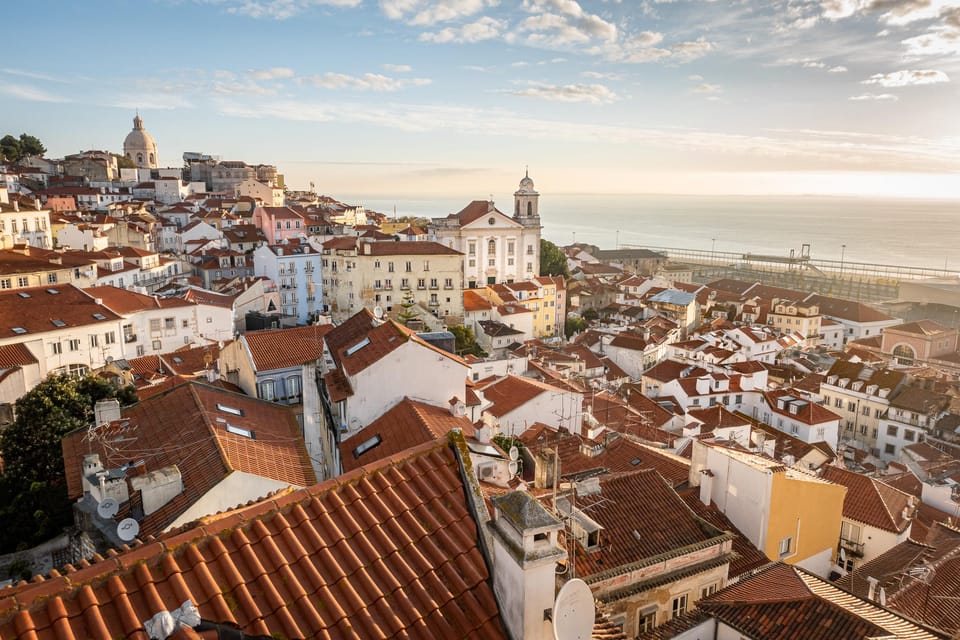
One of the most satisfying aspects of Alfama is that it’s designed for slow wandering. The route takes you to a Santo Estevão belvedere, described as a hidden charm with breathtaking views.
What makes this stop work is the way it uses the neighborhood’s geography. Belfvederes in Alfama aren’t just pretty lookouts. They’re the moments where the maze finally opens up into a larger picture, letting you connect what you’ve been walking through with what the city looks like from above.
After that, the tour guides you into the narrowest alley experience and then toward Rua de São Miguel, a lively lane where street life and daily routines mix with tourism. This is where the self-paced part really shines. If you want to linger near the corners with the best light or simply watch people move through the streets, you can.
If you’re the type who gets impatient in slow neighborhoods, this tour can still work, but you’ll want to commit to the idea that the payoff comes in short bursts: alley, viewpoint, street, then viewpoint again.
Rua de São Miguel stop and why the pastry break makes sense
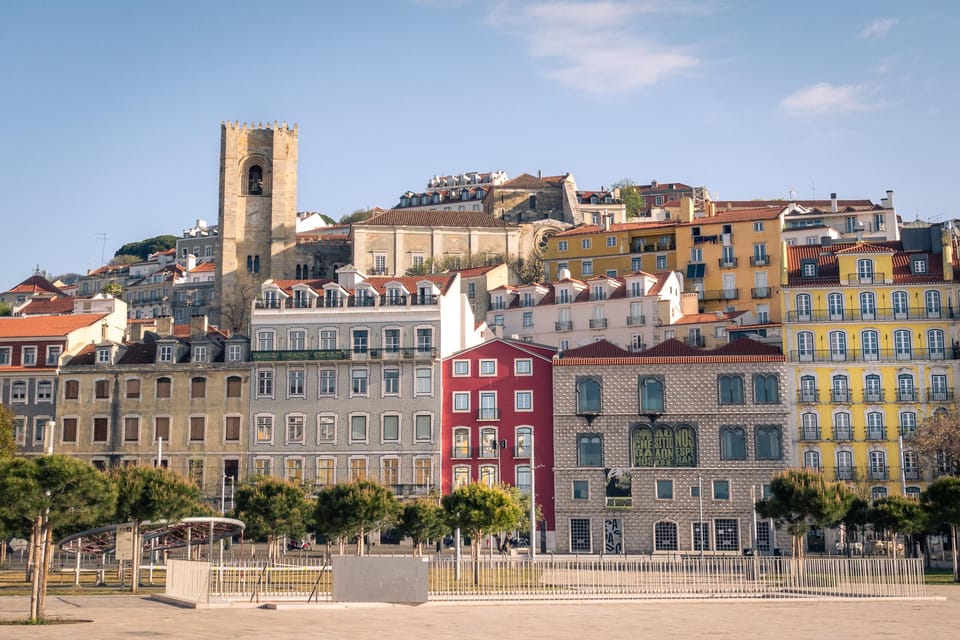
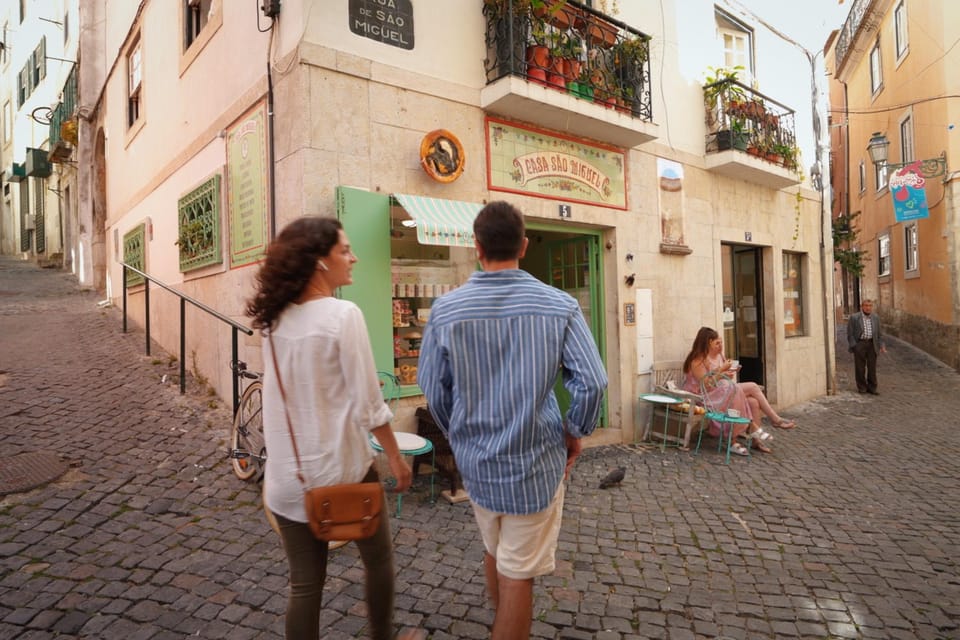
At Rua de São Miguel, you’re given a specific recommendation: stop at Casa São Miguel pastry shop. That’s not random. It breaks up the walking with a quick local-food moment in an area that already feels alive.
A pastry stop is also practical. Alfama’s hills and cobblestones can add up. Even a short break gives your legs a reset so you can handle the next ascent with less stress.
This is one of the best ways to use the flexible nature of the tour. Don’t treat the entire experience like a checklist. Use the Casa São Miguel stop as your internal timing cue. If you’re feeling good, keep moving. If you need a longer pause, you have permission to slow down since the audio continues to guide you.
Lisbon’s oldest house, Amália Rodrigues, and the fado “story beat”
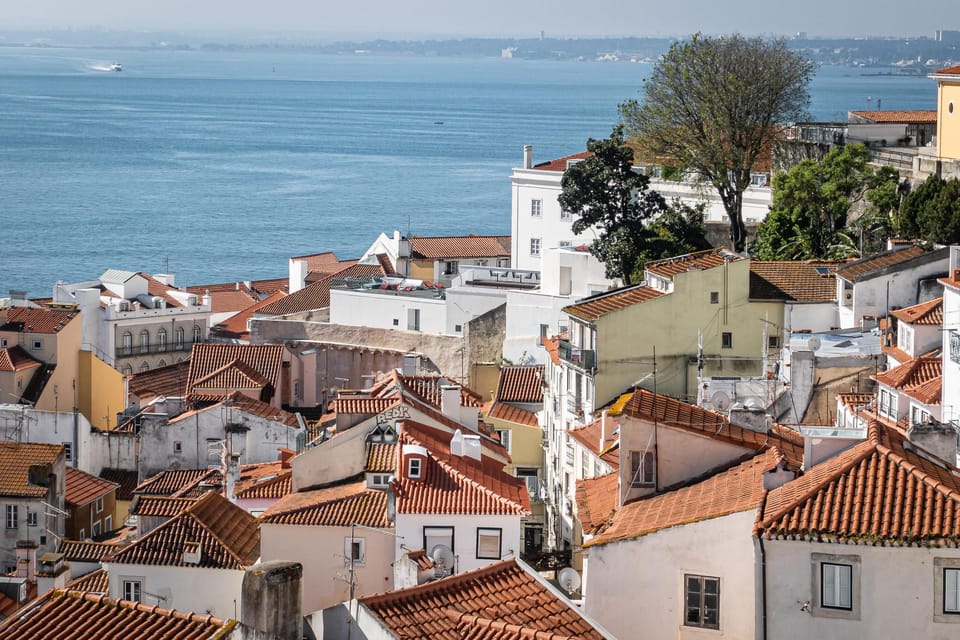
Next comes the upper Alfama sequence. You’ll ascend to Alfama’s highest point and hit two big “you’re really here” moments.
First: Lisbon’s oldest house, standing strong for over 500 years. That’s a powerful change of pace from street scenes and views. It turns the walk into something more than scenery. You’re literally standing in a place that has survived centuries of Lisbon’s evolution.
Second: you’ll see a cobblestone portrait of fado icon Amália Rodrigues. The audio focus here is key. Fado isn’t just a performance style you catch at night; it’s part of how places and stories connect in Lisbon. A detail like this works best when it’s explained while you’re seeing it, rather than after you’ve already moved on.
By the time you reach these higher points, you’ll likely feel the physical effort from the early hill. That’s why this section feels earned. It’s also why the tour format helps: you can pause when you need to, instead of being pulled forward.


Portas do Sol to Santa Luzia: two belvederes, one perfect walking arc
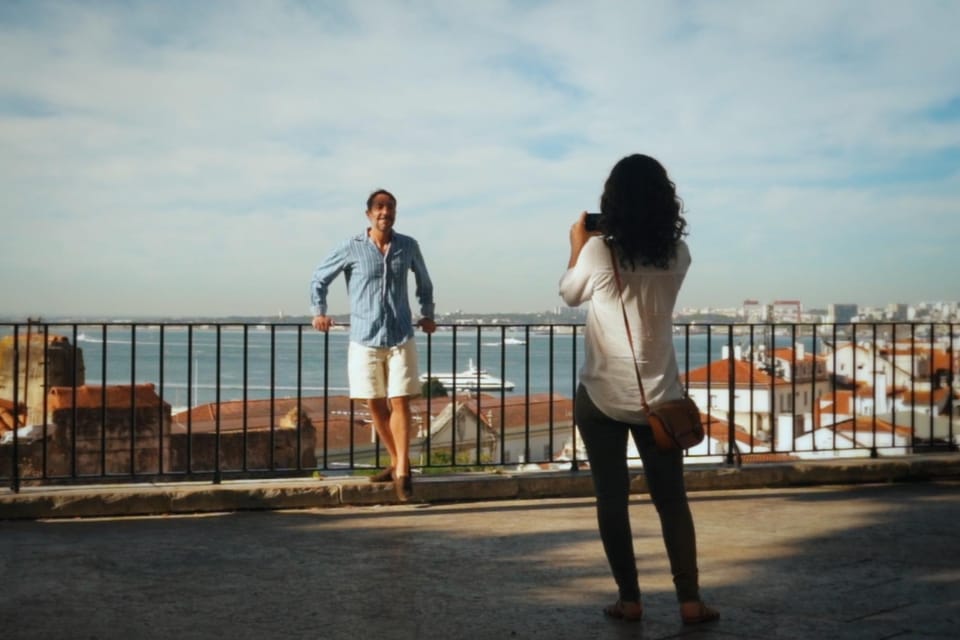
If you want your “wow” moments in manageable pieces, this part nails it.
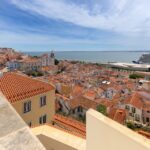
The tour brings you to Portas do Sol, and it’s followed by Santa Luzia, which is described as just steps away. Seeing these two viewpoints close together lets you compare how the same neighborhood energy looks from slightly different angles.
From a practical standpoint, this is a smart sequencing choice. Belvederes can be crowded, and they can also be windy and cold in certain months. With both viewpoints in the itinerary, you’re likely to get at least one comfortable moment to enjoy the view, even if one area is busy.
This is also where your self-paced control matters most. If you want a longer stare at the city, you can take it. If you’re short on time, you can do the highlights and move on, without feeling like you’re falling behind a group.
Down past São Miguel Church to Lisbon Cathedral’s ancient monument
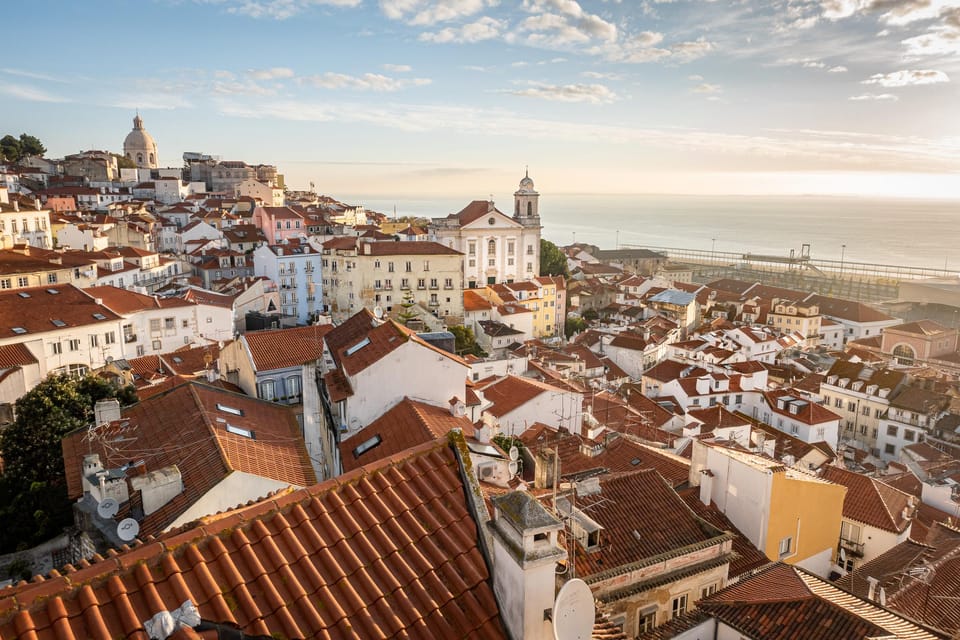
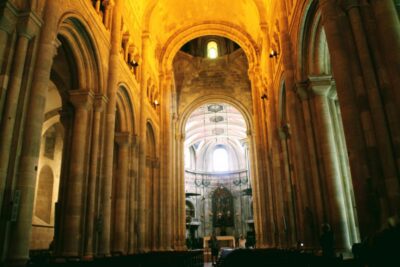
After the viewpoints, the route descends. You’ll pass the historic Church of São Miguel and then reach Lisbon Cathedral, described as the city’s most ancient monument.
This is a nice tonal shift. Alfama often feels like everyday life wrapped around historic streets. A cathedral changes the tempo. It’s not about wandering for scenery anymore; it’s about grounding the neighborhood’s story in one of Lisbon’s oldest anchors.
Even if you’re not a church-history person, this stop still works because it gives you contrast. You’ve just been walking tight alleys and scenic outlooks. Now you slow down in a setting that signals permanence.
When you’re done, you return along the route back to Casa dos Bicos, so you finish where you started. That avoids the common headache of ending “somewhere else” and trying to figure out your next step on your own.
Price and practical logistics for a 4 km walk (with that early hill)
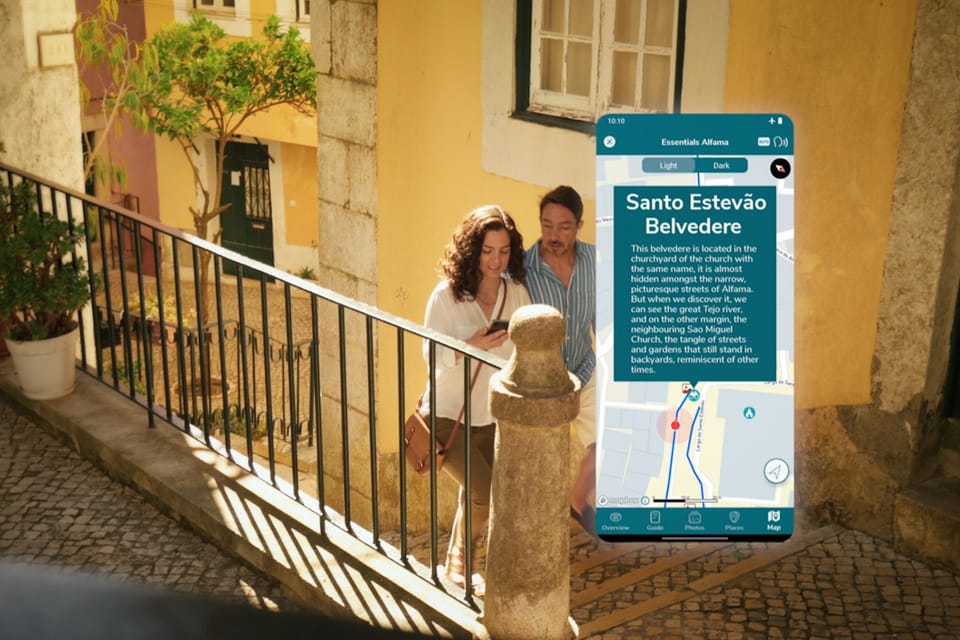
At $7 per person, this tour is priced for value, not pressure. You’re paying for guided storytelling, offline audio, route planning, and remote support—not for a live guide or paid attraction tickets.
Here’s what you should map out before you go:
- The route is about 4 km total.
- It’s generally easy to follow, with one uphill section close to the start: roughly 700 meters at an average 8% incline.
- Expect around 4 hours to complete depending on pace and stops, even though the listed duration is 3 hours.
That time difference isn’t a problem if you treat it correctly. The tour is designed for stopping and looking, and Alfama rewards it. If you try to power-walk the entire thing, you’ll finish faster, but you’ll lose the point of the viewpoints and story beats.
Also note what’s included versus not:
- You get the audio experience and structured route insights.
- Tickets to paid attractions aren’t included, but the tour provides prices and opening hours for attractions on the route where applicable.
One more logistics detail that can save confusion: you should book based on the number of smartphones your group will use. This matters because the tour content is delivered through the app.
Remote help, offline audio, and the safety net you’ll want
Even though there’s no live guide, you’re not left alone in the digital sense.
After booking, you’ll receive clear instructions to prepare your tour, and a tour curator remains available for remote support. The support window is 8:00 AM to 8:00 PM via WhatsApp or SMS. There’s also emergency assistance by phone.
In one case, I saw that the kind of help you can get is practical, like quick tips on what to pay attention to as you walk. If you’re the kind of traveler who likes a little human guidance even with self-guided content, this support element is a big plus.
The offline feature is also quietly valuable. Alfama is an old neighborhood with street angles that can make connectivity spotty. Offline audio means you’re less likely to get derailed when your signal gets weird.
Who should book this Alfama walk (and who should skip it)
This is a great fit if you want control over your pace. I’d especially recommend it for:
- Solo travelers who like to choose when to stop for photos
- Couples who want to wander without splitting off into a group
- People who like learning through context, but don’t want a lecture every five minutes
- Anyone comfortable using a phone for navigation and listening
If you’re worried about stairs, steep grades, or long stretches of uneven ground, be cautious. The route includes that early 8% hill, and the tour is not suitable for wheelchair users or people with mobility impairments.
One more note: because the audio is self-guided, it’s better if you’re okay being your own manager. You’ll enjoy it most if you like to explore actively rather than rely on a guide to decide your turns.
Should you book this Lisbon: Flexible Walking Tour of Alfama?
If you’re going to spend real time in Alfama, this is one of those smart “why not” tools. For $7, you get offline, auto-playing audio; a planned route with over 60 points of interest; and the chance to hit big viewpoints like Portas do Sol and Santa Luzia without feeling like you’re on a strict bus schedule.
Book it if you want to walk, learn, and pause on your own terms. Skip it if you need step-free mobility options or if using a smartphone for navigation and listening feels stressful.
If your goal is to feel Alfama the way the neighborhood feels—twisty, scenic, and full of small story beats—this flexible audio walk is a strong match.