REVIEW · HISTORICAL TOURS
Queer Lisbon Historical Tour
Book on Viator →Operated by Queer Lisbon Tour · Bookable on Viator
Lisbon has queer chapters most people miss. The Queer Lisbon Historical Tour links memorials, viewpoints, and neighborhood corners into one clear story of LGBTQ+ life in Portugal, with context that sticks. I especially loved starting at the homophobia victims monument and learning about the early movement, including the first Pride March and public demonstrations.
I also liked how the tour doesn’t treat queer history as only old news. In the Bairro Alto to Bica area, you get practical street-level discussion about inclusion, privilege, and the patriarchal and colonial mindsets that still shape how people behave. It’s thoughtful, not preachy, and it leaves you asking better questions about who feels safe.
One possible consideration: this is a roughly 4-hour walk through Lisbon streets and hills, so you’ll want moderate fitness and comfortable shoes.
In This Review
- Key highlights you’ll feel on this tour
- Starting at Principe Real’s homophobia memorial
- Bairro Alto to Bica: queer neighborhoods shift by time and power
- Largo Trindade Coelho and Padre António Vieira’s shadow
- Largo do Carmo: revolution, dictatorship, and resistance
- Praca Martim Moniz: contemporary queer action and immigrant energy
- Ending in Graça at Criolense Kitchen Club
- Price, timing, and what you get for $72.29
- Logistics that matter: walking, weather, and getting there
- Who should book this queer history walk
- Should you book the Queer Lisbon Historical Tour?
- FAQ
- How long is the Queer Lisbon Historical Tour?
- Where does the tour start and end?
- What’s included in the price?
- Is the tour offered in English?
- What if the weather is bad?
- What is the cancellation policy?
Key highlights you’ll feel on this tour
- A memorial start at Principe Real that sets the historical tone
- Bairro Alto to Bica viewpoints and a day-to-night neighborhood lens
- Padre António Vieira and the church’s role in policing sexuality
- Largo do Carmo’s revolution site and the dictatorship’s effect on family norms
- Martim Moniz’s focus on contemporary queer organizing and immigrants
- Ending at Criolense Kitchen Club to honor Black queer resistance
Starting at Principe Real’s homophobia memorial
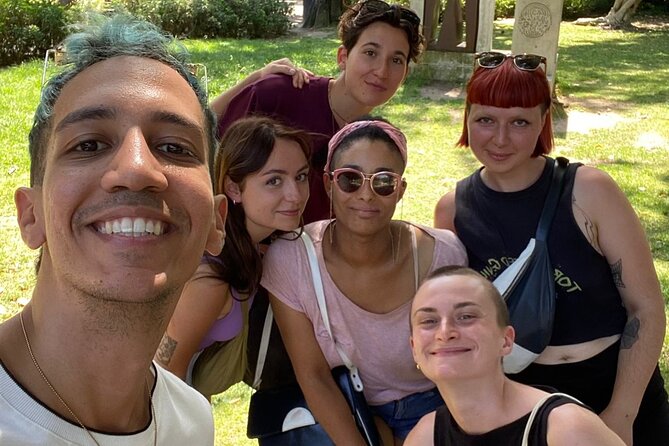
Your tour begins at the monument honoring the victims of homophobia in Principe Real. It’s not flashy. That’s the point. The guide sets a tone of remembrance first, so when you later hear political details and social debates, they land with weight.
From here, you trace the beginnings of the LGBTQ+ movement in Portugal. You’ll learn about early activism, including the first Pride March and public demonstrations. Even if you already know the basics of modern Pride, this framing helps you connect the dots between visibility and risk. Pride didn’t appear out of nowhere, and the tour makes that feel real.
This opening stop also gives you something practical: a simple mental map. You’re not just collecting facts. You’re understanding why certain conversations show up again and again in Lisbon—rights, belonging, and who gets protected.
You can also read our reviews of more historical tours in Lisbon


Bairro Alto to Bica: queer neighborhoods shift by time and power

Next, you move into the hilly streets that connect Bairro Alto, Bica, and Cais do Sodre. Expect walking and a few short pauses. The pacing is light enough to stay conversational, but you’ll still feel the “Lisbon hills” part.
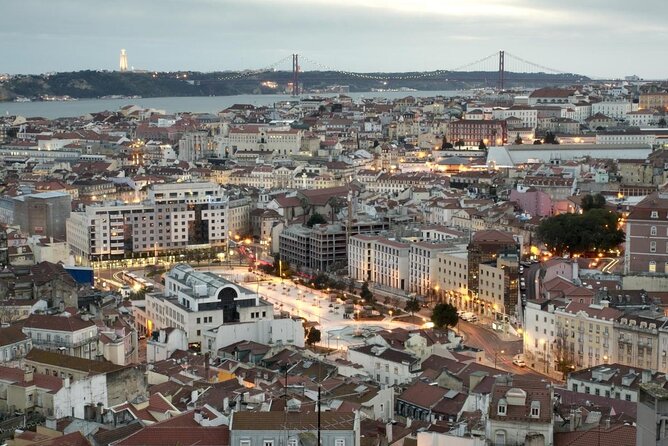
A key moment here is a viewpoint stop. You’ll pause, look out over the city, and then bring the view back down to people and patterns. The guide discusses how the LGBTQ+ neighborhood changes from day to night—what’s seen, what’s performed, and how different people experience the same streets in different ways.
This stop is also where the tour gets more political. You’ll hear about patriarchal and colonial mindsets that still influence daily behavior. The questions the guide pushes are direct: Is inclusion really for everyone in Portugal, or does it depend on who you are, how you present yourself, and what you can access?
If you like tours that connect history to present-day social dynamics, this part will probably be your favorite. It turns a walk through familiar districts into a discussion about power.
Largo Trindade Coelho and Padre António Vieira’s shadow
At Largo Trindade Coelho, you’ll look at the monument of Padre António Vieira. From there, the guide connects religion, public institutions, and how sexuality was managed in society.
You’ll explore the church’s role in regulating sexuality, and the way religious influence helped shape attitudes not only toward homosexuality, but also toward anything outside an expected norm of sameness. The language is careful, but the subject is blunt: when a society treats difference as a problem, people learn to self-police, hide, or comply.
What I liked here is that the tour doesn’t just say the church was influential. It explains how that kind of authority can spread into social expectations—family life, public respectability, and what people assume is “normal.”
This stop is shorter, but it’s one of the most important links in the chain. It helps you understand how laws and public life don’t work in isolation. They borrow from older beliefs.
Largo do Carmo: revolution, dictatorship, and resistance
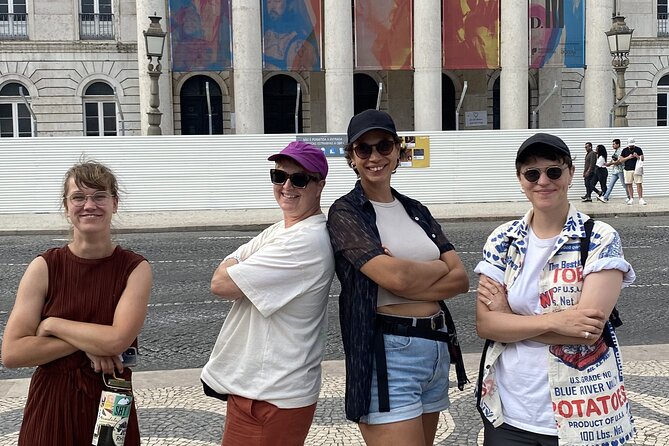
Then you head to Largo do Carmo, the site where the Portuguese revolution began. If you’ve visited Lisbon before, you might recognize the area’s historic weight. Here, it becomes a doorway into the country’s dictatorship, described as the longest-lasting in Europe.
The guide outlines how that regime shaped societal mindsets. A major theme is the enforced family model: a man, a wife, and happy children—nothing different. In other words, the dictatorship wasn’t only about politics. It was also about social identity, and what kinds of families and expressions were allowed to count.
Just as important, you learn about resistance. The tour highlights key LGBTQ+ figures during this time, showing that opposition wasn’t only theoretical. People pushed back even under strong pressure.
This is one of those moments where the tour feels like more than a history lesson. You start recognizing why later activists had to fight for visibility, because the earlier era trained society to fear difference.
Praca Martim Moniz: contemporary queer action and immigrant energy

At Praca Martim Moniz, the focus shifts from past structures to what’s happening now. You’ll discuss contemporary queer movements that challenge existing structures and ask hard questions about fairness and belonging.
A big point here is immigration. The guide talks about how immigrants are bringing new strength and perspectives to LGBTQ+ movements in Portugal. That matters, because it reminds you that queer organizing doesn’t happen in a single community bubble. It grows where different lives meet, share resources, and challenge each other’s assumptions.
This stop is also a good reality check. After learning how rights were restricted and norms were enforced, you get to see how people today work to change the same systems—often with new voices and fresh momentum.



Ending in Graça at Criolense Kitchen Club
The tour concludes in Graça, at a queer-owned venue. You end at Criolense Kitchen Club, where the guide pays homage to Black queer resistance in the neighborhood.
This ending feels intentional. It ties the earlier theme of resistance to an actual present-day space, so the story doesn’t stop in the past. You also learn about Graça’s importance within the LGBTQ+ community, which helps you leave with more than names and dates.
One practical note: you’ll want to plan for the final leg of your day after the tour. Dinner isn’t included, so you’ll pay for your own meal and drinks at the venue or elsewhere in the area. That’s normal, but it does mean you should decide in advance if you want a longer sit-down meal or a quick grab-and-go.
Price, timing, and what you get for $72.29
The price is $72.29 per person, and the tour runs about 4 hours. For Lisbon, that’s in the ballpark for a specialized guided walk, but the value comes from what’s included.
You get an updated Queer Map of Lisbon (PDF), plus a local guide who speaks Portuguese and English. The tour is offered in English, so you should expect the narration to be in English, with the guide able to switch as needed based on the group.
You also get a mobile ticket, and admission tickets at the stops are free. The stops are short—mostly 20 minutes each, with the first stop running about 30. That makes the experience feel focused: you’re not stuck at one site for ages, and you’re not rushed so hard that nothing sinks in.
Small group size is capped at 20 travelers, which usually means you get questions answered and a more human pace.
In short: you’re paying for context and careful storytelling, not for museum time. If that’s what you want, the price makes sense.
Logistics that matter: walking, weather, and getting there
This tour is listed for good weather. If conditions are poor, it can be canceled and you’ll be offered a different date or a full refund. Lisbon weather can change quickly, so dress in layers and keep an eye on the sky.
The tour requires moderate physical fitness. That doesn’t mean it’s a hike, but Lisbon hills are real. Build in time before and after so you’re not rushing across town.
You’ll be near public transportation for both start and finish areas, which is helpful because the tour ends in Graça rather than looping back to the start.
Service animals are allowed, and the group size stays small. If you’re traveling with any mobility constraints, you’ll want to judge the street-level walking carefully, since the itinerary includes multiple short moves between neighborhoods.
Who should book this queer history walk
This is a great pick if you want Lisbon through an LGBTQ+ lens that treats culture and politics as connected. It’s especially good for:
- people who enjoy walking tours with clear themes and thoughtful discussion
- visitors who want more than nightlife history
- anyone interested in how dictatorship-era social rules shaped modern attitudes
It’s less ideal if you’re only looking for a party route or a purely sightseeing-focused tour. This one is reflective, and it asks you to think about inclusion, power, and social norms.
If you like meeting young, energetic local guides, the vibe here tends to be friendly and engaged. The overall rating is extremely high, with strong praise for being informative and fun at the same time.
Should you book the Queer Lisbon Historical Tour?
I’d book it if you want an organized path through LGBTQ+ history that actually connects monuments to how people live now. The itinerary moves across key neighborhood areas and anchors each stop with a clear theme, from early activism and religious influence to dictatorship resistance and modern queer organizing.
You should also book it if you value a small group experience and a take-home resource in the form of the updated Queer Map of Lisbon PDF. That map is the kind of thing you can use the next day to keep exploring on your own, without guessing.
Skip it only if you dislike walking hills or you want a tour that stays light and surface-level. This one asks you to notice the social questions behind the city streets.
FAQ
How long is the Queer Lisbon Historical Tour?
It’s about 4 hours (approx.).
Where does the tour start and end?
It starts at Juniper tree arbor in Misericórdia (1250-095 Lisboa, Portugal) and ends in Graça, Lisbon.
What’s included in the price?
The price includes a mobile ticket, a Portuguese and English-speaking local guide, and an updated Queer Map of Lisbon (PDF). Dinner and drinks are not included.
Is the tour offered in English?
Yes. The tour is offered in English.
What if the weather is bad?
The tour requires good weather. If it’s canceled due to poor weather, you’ll be offered a different date or a full refund.
What is the cancellation policy?
You can cancel for a full refund up to 24 hours in advance of the experience start time. Cancellation within 24 hours of the start time isn’t refundable.