REVIEW · FOOD
Lisbon: Cultural Food and Wine Walking Tour
Book on GetYourGuide →Operated by Timonfaya Travel Lanzarote · Bookable on GetYourGuide
Port and ginjinha, on foot. This Lisbon cultural food and wine walking tour mixes classic sights with time in very traditional Mouraria, served with stories behind the flavors; I love how much you taste in just 3 hours and I love the small-group pace that keeps it social and relaxed. One possible drawback: there’s at least one past report of a guide not showing up, so I’d keep your booking details handy and follow up quickly if anything feels off.
You’ll start at Rossio Square and meet your guide by the D.Pedro IV statue, then work your way through downtown and into older neighborhoods for Portuguese petiscos and wine. Past guides like David and Julia have a reputation for setting a comfortable tempo, sharing local context, and adjusting to different tastes, which matters when you’re eating and drinking back-to-back.
In This Review
- Key highlights to look for
- Why this 3-hour Lisbon food-and-wine format hits the sweet spot
- Rossio Square meetup: your anchor point in the city
- Praça da Figueira and the quick sightseeing rhythm
- Mouraria: where traditional Lisbon food culture feels real
- The tasting lineup: what you’ll eat and drink, in plain terms
- Codfish cake + refreshing green wine
- Bifana + beer
- Port wine + marmelada + broa + ham and cheese
- Ginjinha in an old bar
- Coffee and pastry to end strong
- Samosa and red/green wine
- Wine, beer, port, and ginjinha: what the drinks add
- Pace and group size: what a “small-group” tour really means
- Is it worth $104? A value check for food and drink lovers
- Who should book this tour, and who might skip it
- Should you book this Lisbon Cultural Food and Wine Walking Tour?
- FAQ
- Where do I meet the guide?
- How long is the tour?
- Is this a small group?
- What food and drinks are included?
- What language is the tour guide?
- Is there free cancellation?
Key highlights to look for
- Small group (up to 10): easier chat, better pacing, more attention from your guide
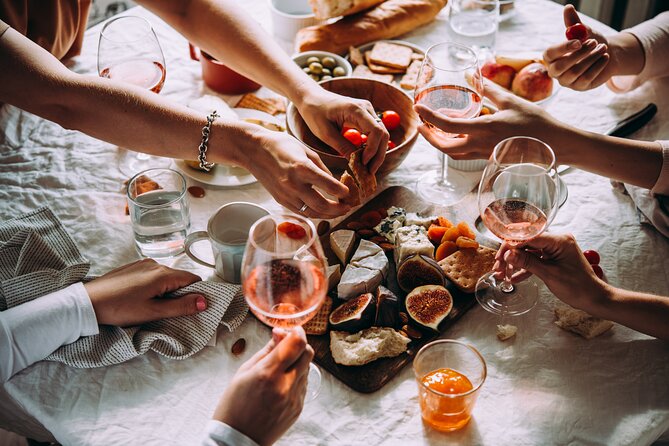
- 14 tastings in 3 hours: multiple bites and sips instead of one heavy meal
- Very traditional Mouraria stops: where locals actually eat and linger
- Big Portuguese hits: codfish cake with green wine, bifana with beer, port wine, ham and cheese
- Ginjinha moment: a classic sour-cherry liquor stop in an old bar
- Tour built around stories: you’ll hear why these foods and drinks became traditions
Why this 3-hour Lisbon food-and-wine format hits the sweet spot
Lisbon can be a food lover’s playground, but doing it the usual way (one restaurant at a time) often means you end up overcommitted or missing half the city’s edible identity. This tour’s format solves that. You’re not trying to find a menu and gamble on what’s local. Instead, you’re guided through a sequence of petiscos-style tastings and paired drinks, which keeps things efficient and fun.
I also like that the tour is built around variety. You’ll move from Portuguese staples like bacalhau codfish cake and bifana pork sandwich to the slower, more ceremonial feel of port wine and the iconic shot of ginjinha. Even if you think you already know Portuguese food, the structure makes you taste it in context, not as random bites.
The other underrated win: it’s social without being chaotic. With a group capped at 10, you’re more likely to hear the guide’s story clearly, ask questions, and keep the night moving at a pace that doesn’t feel like you’re sprinting from one stop to the next.
You can also read our reviews of more walking tours in Lisbon

Rossio Square meetup: your anchor point in the city
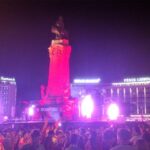
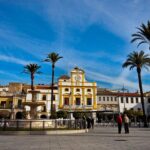
Your tour starts at Rossio Square, meeting your guide in front of the D.Pedro IV statue. That matters more than you might think. Rossio is a central, easy-to-find reference point, so you’re less stressed about catching the right person before things begin.
From there, you’ll get early sightseeing with quick photo stops as you move around the downtown area. These breaks are useful even if you’re not the photo-everywhere type. They give you a moment to reset, orient yourself, and get a sense of how the route threads through Lisbon rather than feeling like you’re just being taken from one doorway to another.
If you’re the kind of traveler who hates wandering aimlessly while hungry, this “warm-up” section is a good solution. You’re doing light sightseeing, but you’re also building momentum toward the first tastings.
Praça da Figueira and the quick sightseeing rhythm
You’ll hit Praça da Figueira as part of the sightseeing stretch, along with several additional photo stops with short time windows. None of the stops are designed to be a long museum-style pause. Instead, think of it as a gentle way to connect Lisbon’s layout to what you’re eating later.
Why this rhythm works: it prevents the common problem where food tours start strong, then drag, or where you cram too many tastings into the first hour and end up too full to enjoy the later bites. Spreading out the sightseeing also gives your guide room to explain the background behind Portuguese traditions before you taste the relevant item.
The only caution here is comfort. Since you’re walking and stopping frequently, wear shoes that can handle city pavement for an hour-plus. This isn’t an all-sitting, eat-and-go experience.
Mouraria: where traditional Lisbon food culture feels real
A major reason people choose this tour is the chance to go beyond the obvious center. The route includes the Mouraria district, described as very traditional and local. That’s where you’re more likely to see the everyday side of Lisbon eating—places that feel rooted in the neighborhood, not set up for tour buses.
What you gain in Mouraria is atmosphere. Even when you’re not taking a seat for a full meal, you’re experiencing food the Portuguese way: small plates, quick conversations, and drinks that show up alongside bites. This style fits a walking tour beautifully because it keeps you engaged without requiring long wait times.
It’s also where the storytelling lands best. The tour focuses on Portuguese gastronomy, including the historical reasons behind certain traditions. That context can be hard to get when you only visit famous landmarks and then search for dinner late in the day.
The tasting lineup: what you’ll eat and drink, in plain terms
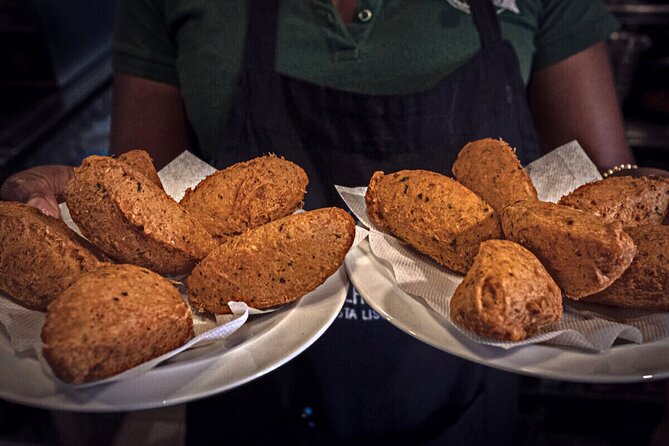
This is the heart of the experience. The tour builds toward a full arc of Portuguese flavors, with 14 different tastings spread between food and drinks. You’ll do four typical petiscos with paired local drinks and wines, plus multiple classic food-and-drink moments that keep you from wondering what you’re actually getting.
Here’s what’s included, step by step:
You can also read our reviews of more food & drink experiences in Lisbon



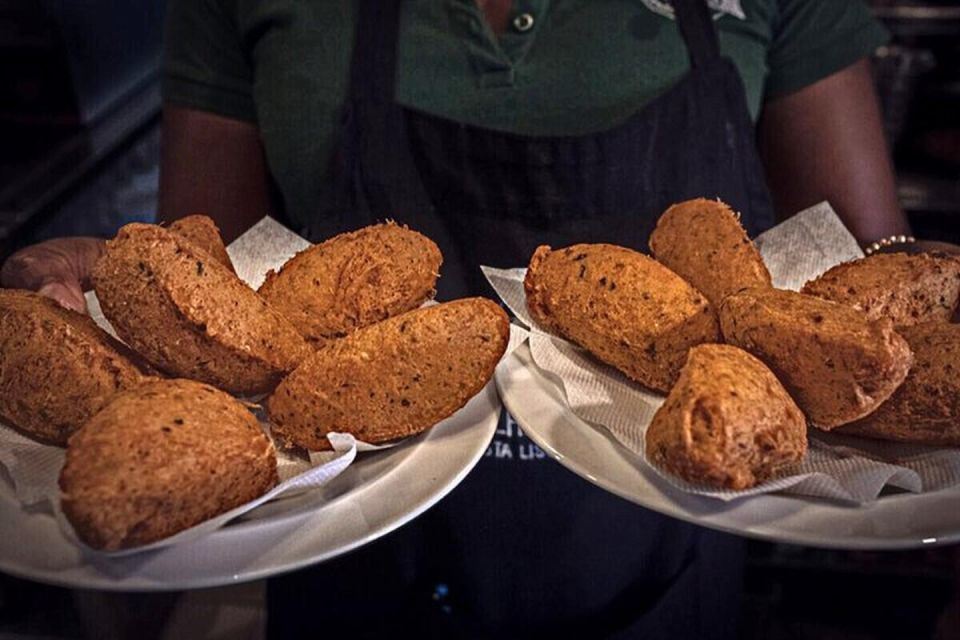
Codfish cake + refreshing green wine
One of the first big Portuguese landmarks is the Portuguese codfish cake, served with a glass of green wine. This is a high-impact pairing. Codfish (often associated with Portuguese cooking traditions) gives you that salty, savory backbone, while the green wine brings a light, refreshing balance.
Also, the tour doesn’t just hand you food. You’ll learn the historical reason behind this tradition, which helps the bite land more strongly than if you were just eating something random.
Bifana + beer
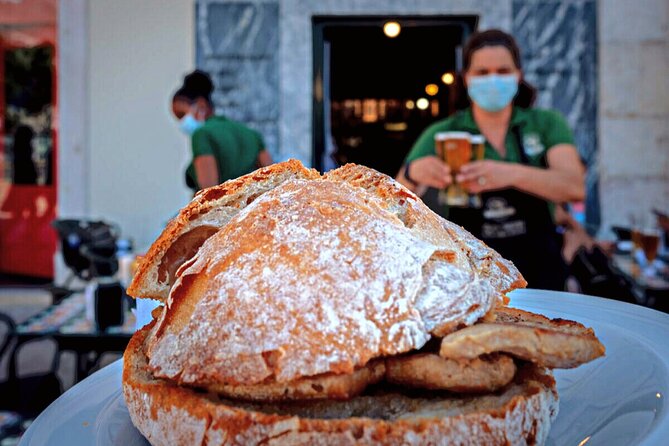
Next is bifana, a pork sandwich you’ll typically see as a casual local go-to. It’s filling, straightforward, and perfect for a walking tour because it tastes like Lisbon street life without being messy.
You’ll pair it with a cold beer, so you get that classic “one bite, one sip” rhythm that keeps your energy steady through the rest of the tasting lineup.
Port wine + marmelada + broa + ham and cheese
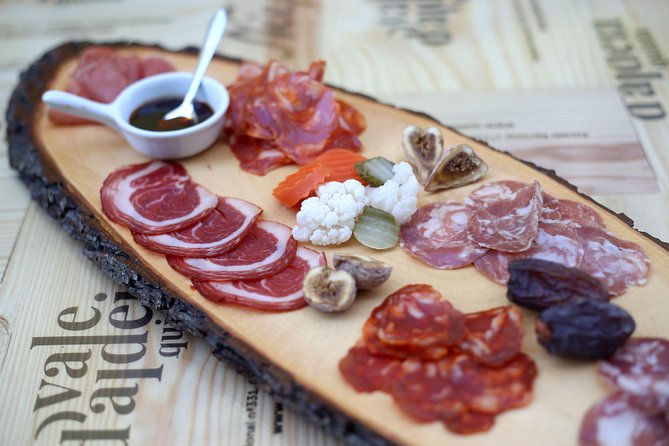
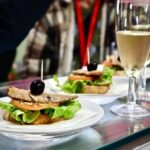
Then comes a more composed, slower segment: port wine along with marmelada and broa, plus ham and cheese. This is a nice contrast to the sandwich-and-beer style moments earlier.
Port wine also adds personality. Even if you’re not a serious wine drinker, this kind of pairing tends to be interesting because it’s sweet, aromatic, and designed to play well with salty foods like ham and cheese.
Ginjinha in an old bar
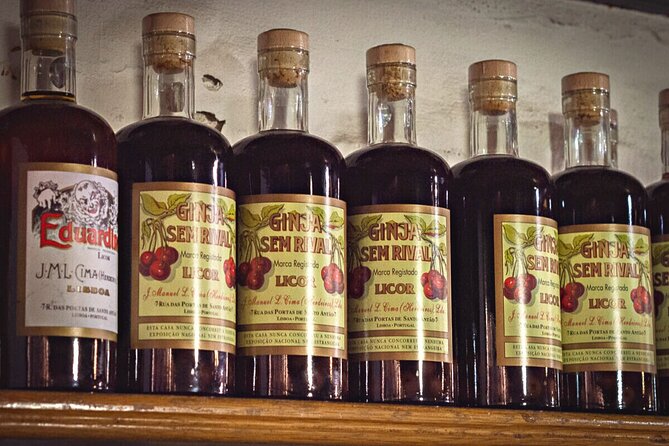
You’ll toast with ginjinha liquor in an old bar. This is one of those Lisbon-only experiences that feels like more than just a drink. It’s a local ritual, and the setting helps. If you like trying iconic drinks that you can’t easily replicate at home, this is a must-pay-attention moment.
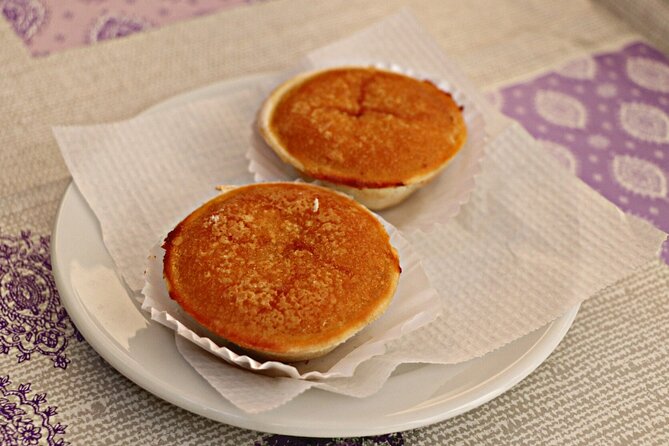
Coffee and pastry to end strong
The tour finishes with coffee and pastry, plus an additional sweet finish. The goal isn’t to leave you stuffed beyond comfort. It’s more like giving your taste buds a gentle landing after salt, wine, and liqueur.
Samosa and red/green wine
You’ll also sample an exotic snack plus samosa, paired with red green wine (as listed in the included items). I like that this breaks the routine. It keeps the tour from feeling like only one flavor lane, even though the core is Portuguese.
Wine, beer, port, and ginjinha: what the drinks add
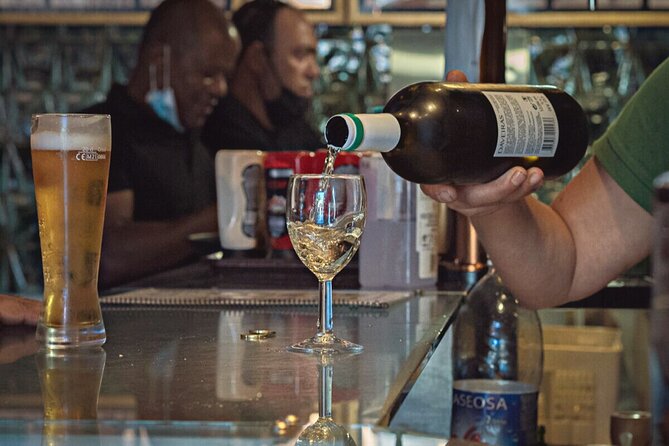
Food tours can become a checklist: you eat, you move on, you forget the names. This one tries to connect what you’re drinking to what you’re learning.
You’ll taste green wine, beer, and port wine, plus ginjinha, and there’s specific story time around the Port wine tradition. Even if you’re not trying to become a sommelier, the pairing explanations turn drinks into part of the city’s narrative.
One practical point: alcohol is part of the plan, so pace yourself. The tour is only 3 hours, but you are sampling multiple items. If you’re planning to keep it light, consider taking smaller sips when possible and focusing on the food first. Your guide should be able to steer you toward what’s best for your preferences, and one thing I appreciate in the tour’s description is that guides have previously adjusted to different tastes and requirements.
Pace and group size: what a “small-group” tour really means
With up to 10 participants, you’re not stuck yelling over a crowd or waiting for a bottleneck in each tasting spot. This tour’s pacing is built for conversation. Even the sightseeing moments are structured as short photo breaks rather than long marching sessions.
In real terms, that means:
- you can ask questions without feeling rushed
- you’re less likely to get lost in the shuffle
- the guide can shift flow if someone wants to linger or skip something
The one consideration is comfort. It’s still a walking tour, so if you have mobility issues or you’re wearing shoes you regret, you’ll feel it. This kind of tour is best when you’re ready for movement and standing between tastings.
Is it worth $104? A value check for food and drink lovers
At $104 per person for a 3-hour small-group experience, the value depends on your expectations. If you’re the type of traveler who likes trying multiple places in a single evening, it can be a bargain because you’re not paying separately for every stop, plate, and drink.
Here’s why it often feels like good value:
- you get 4 petiscos with paired drinks and wines
- you receive multiple core Portuguese items (codfish cake, bifana, ham and cheese, broa, marmelada)
- you also get the signature drink moments (green wine, beer, port wine, ginjinha)
- you end with coffee and pastry
In other words, this tour isn’t just “a guide who tells stories.” It’s a planned sequence of food and drinks. For many people, that’s exactly what you want in Lisbon: to skip the guesswork and just follow a well-timed route.
Who should book this tour, and who might skip it
This experience is a strong fit for you if you:
- love Portuguese food and want more than one classic in a single night
- enjoy walking tours with short sightseeing moments
- want a local guide who shares context, not just receipts
- like trying drinks like green wine and ginjinha alongside bites
You might think twice if:
- you want a strictly alcohol-free experience (the included items clearly involve wine, beer, and ginjinha)
- you’re very sensitive to pork or ham since bifana and ham and cheese are part of the included tastings
- you dislike walking or standing for extended stretches
Should you book this Lisbon Cultural Food and Wine Walking Tour?
If your plan in Lisbon includes eating your way through the city and you want it organized, this is an easy yes. The combination of traditional Mouraria, classic Portuguese staples, and a structured tasting sequence makes it feel efficient without feeling rushed.
I’d book it especially if you’re excited by the idea of trying the big-name bites in a guided flow: codfish cake with green wine, bifana with beer, and the port-and-ginjinha stops that make Lisbon taste like Lisbon.
Just do two smart things before you go: confirm your meeting point at Rossio Square by the D.Pedro IV statue, and be ready for an evening that includes walking plus alcohol. If that fits your style, you’ll likely leave feeling like you ate the city’s highlights rather than just visiting it.
FAQ
Where do I meet the guide?
Meet your guide in front of the D.Pedro IV statue at Rossio Square.
How long is the tour?
The tour lasts 3 hours.
Is this a small group?
Yes. It’s limited to a small group of up to 10 participants.
What food and drinks are included?
You’ll get 4 typical petiscos with paired local drinks and wines, codfish cake with green wine, bifana with beer, port wine with marmelada and broa plus ham and cheese, ginjinha liquor, coffee and pastry, and an exotic snack including samosa with red green wine.
What language is the tour guide?
The tour is offered with a live guide in English.
Is there free cancellation?
Yes. You can cancel up to 24 hours in advance for a full refund.