REVIEW · LISBON WALKING TOURS
Lisbon by Heart Private Walking Tour
Book on Viator →Operated by Alfacinha LX · Bookable on Viator
Alfama looks better with a guide. This private Lisbon walk connects key monuments to street-level stories, from Rossio’s train-station facade to the viewpoints above the Tagus, with the kind of pacing that lets you take photos and ask questions. I especially like the way the guide brings neighborhoods like Alfama and Graça to life, and I also like the included snack-and-drink stop that keeps energy steady on the hillier parts. One thing to plan for: this is real walking on uneven old-street surfaces, so wear shoes that grip.
This tour is designed for your group only, so you can go at a comfortable pace and get practical tips along the way. I also like that it ends in the big open space of Praça do Comércio, which makes it easy to orient yourself for the rest of your Lisbon days.
In This Review
- Key Things That Make This Tour Worth It
- Where You Start: Rossio to Praça do Comércio, the Easy Way
- Estação do Rossio and the Neo-Manuelino Detail You’d Miss Without Help
- Praca Dom Pedro IV: The Center of Lisbon’s Heart—and Its Earthquake Story
- Igreja de S Domingos and the Stories Hidden in Plain Sight
- Praça da Figueira: Local Trade at a Place That Used to Be Different
- Alfama and the Castle Area: Hills, Texture, and Moorish-Era Echoes
- Lisbon Cathedral and How to Handle Ticket Limits Without Stress
- Santa Luzia and Portas do Sol: Two Viewpoints, One Real Tagus Moment
- Praça do Comércio: Finish in the Big Open Square
- What You Get From the Guide: Stories, Practical Tips, and a Human Pace
- Food and Drink Breaks: Pastel de Nata and a Small Boost
- Price and Value for a Private 2–3 Hour Lisbon Walk
- Who This Tour Fits Best (and Who Might Need a Different Style)
- Should You Book This Lisbon by Heart Private Walking Tour?
- FAQ
- How long is the Lisbon by Heart Private Walking Tour?
- Is this tour private?
- What are the start and end points?
- What’s included in the price?
- Are admission tickets included for all stops?
- What languages is the tour offered in?
- What is the cancellation policy?
Key Things That Make This Tour Worth It
- Private guide, group-only pace: you are not squeezed into a crowd schedule.
- Big viewpoint payoff: Miradouro de Santa Luzia and Miradouro das Portas do Sol are where the city really clicks.
- Old Lisbon, not just postcard stops: you move through Alfama and past major landmarks rather than hopping around.
- History tied to place: churches, squares, and castle areas get explained in human terms.
- Included coffee/tea plus pastel de nata: a small break that matters after 2–3 hours on your feet.
- Guide flexibility shown in real service: guides like Filipa and Ricardo have a track record of adjusting to needs and keeping things unrushed.
Where You Start: Rossio to Praça do Comércio, the Easy Way
This route is a smart “orientation walk.” You begin at Estação do Rossio in the Rossio area, then work your way into older Lisbon—Alfama and Graça—before finishing at Praça do Comércio, the downtown square that anchors the city by the water.
Why I like this flow: it mirrors how most first-time visitors think about Lisbon. You start with the central arrival point (Rossio is a natural meeting hub), then you climb into the past, and you come back down to the open, bright, easier-to-navigate core at the end. You also end where many tram and metro options tend to connect, so you are not stuck figuring out your next move from a maze of back alleys.
Since it’s private, your guide can also adjust the order or the pace a bit if you are slower on hills or need more time at a viewpoint. That flexibility showed up in the feedback from guides like Filipa and Ricardo, including moments where they slowed down for questions and accessibility needs.
You can also read our reviews of more walking tours in Lisbon

Estação do Rossio and the Neo-Manuelino Detail You’d Miss Without Help
Your tour kicks off near Rossio Station (Estação do Rossio), in the Rossio area on R. 1º de Dezembro. The station is known for its neo-Manuelino style, and it’s the kind of facade you can walk past without noticing unless someone points out the design cues.
This stop does two practical jobs. First, it sets the tone: Lisbon mixes layers of eras, and the architecture shows it. Second, it gives you a visual reference point for the rest of the walk. When you later see the castle viewpoints and church facades, you start noticing how each era stamped its identity onto the city.
The stop itself is brief, and you do not need a ticket to appreciate the exterior. It’s mainly about getting your bearings and starting with something iconic but not overly complicated.
Praca Dom Pedro IV: The Center of Lisbon’s Heart—and Its Earthquake Story
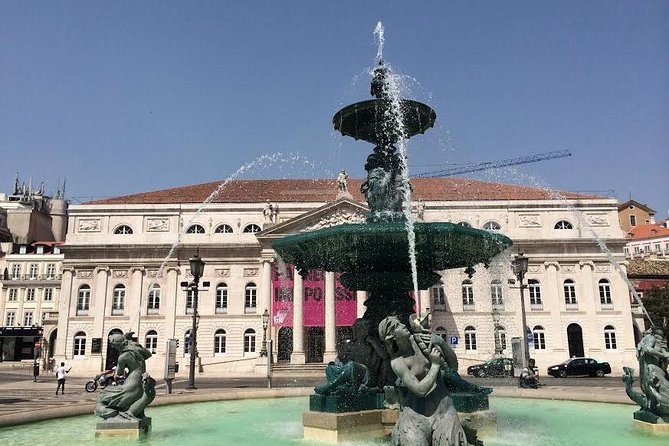
Next comes Praça Dom Pedro IV, often called the city’s center. Here, your guide ties what you see now to what had to be rebuilt after the earthquake. The square is a good reminder that Lisbon’s “old” isn’t frozen in time. The city keeps changing, and you can read that history right in the buildings around you.
This is also a practical stop. You’re in a big open space with easy sightlines, which helps you settle your footing before the walk turns more hillside and more labyrinth-like. If you like to photograph without rushing, this is one of the calmer moments of the tour.
One caution: because the square is central, it can get busy around peak hours. The upside is that it’s a natural place to regroup, refocus, and get your guide’s next instructions.
Igreja de S Domingos and the Stories Hidden in Plain Sight
Then you step into Igreja de S Domingos, one of Lisbon’s oldest churches. This stop is less about architectural checklist points and more about how the guide connects different historical periods to what happened in Lisbon.
What makes it especially memorable in this tour style is the way the guide weaves social and religious history into the location. The church is described as having a layered past, including references linked to Jewish life and the Inquisition. Even if you are not a history superfan, hearing it tied to a real building changes the way you look at it.
The trade-off: because the tour is moving, the time here is not long. You’ll get enough context to make the church meaningful, but you probably won’t feel like you just left with a full semester of notes. Think of it as a strong orientation history lesson, not a deep academic lecture.
Praça da Figueira: Local Trade at a Place That Used to Be Different
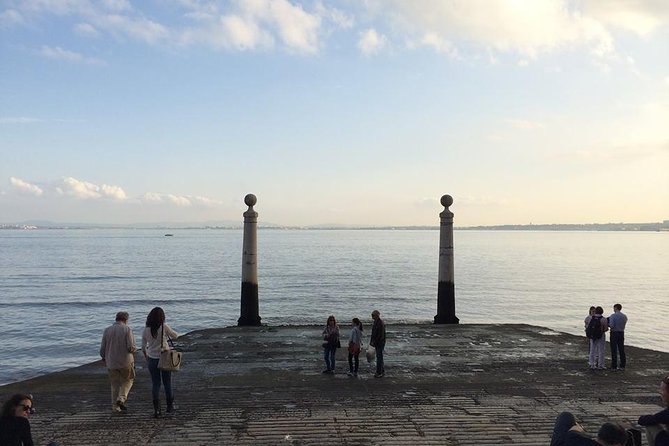
Praça da Figueira is a central meeting point for local life—something you can feel in the atmosphere and nearby street activity. Your guide also explains that this area was once a medieval hospital site before the earthquake of 1775.
I like this stop because it shows how Lisbon uses the same ground for different jobs over centuries. Today it’s about street energy and getting around. Long ago, it served a very different purpose. That contrast is exactly what makes walking tours worthwhile: they turn “just a square” into a timeline.
If you’re the type who likes to know what happened where, this is a good stop. If you prefer purely scenic viewpoints, you might find it slightly less dramatic than the miradouros. Still, it’s one of the best “Lisbon as layers” moments on the route.
You can also read our reviews of more private tours in Lisbon





Alfama and the Castle Area: Hills, Texture, and Moorish-Era Echoes

Now you’re in the part of the city that many people come to Lisbon for: Alfama and the surrounding hills, with São Jorge Castle in the mix. This segment is where the walking tour earns its name Lisbon by Heart. You move through streets that feel older in the best way—tight turns, stair-like streets, and that unmistakable hill-town texture.
Your guide uses this time to connect the neighborhood’s character to historical influence, including Moorish-period traces in Alfama. Even if you cannot point to every architectural detail, you start understanding why the area feels like its own world.
São Jorge Castle also works here as both a landmark and a viewpoint gateway. The emphasis isn’t only on the castle as a monument; it’s on walking the adjacent streets and reading the neighborhood from street level, then catching the wider city views when the route offers them.
The big consideration is physical. This part of Lisbon can be steep. Plan for it with shoes that grip and a willingness to pause when you need to. Private tours help because you can take breaks without feeling like you are holding a group hostage.
Lisbon Cathedral and How to Handle Ticket Limits Without Stress
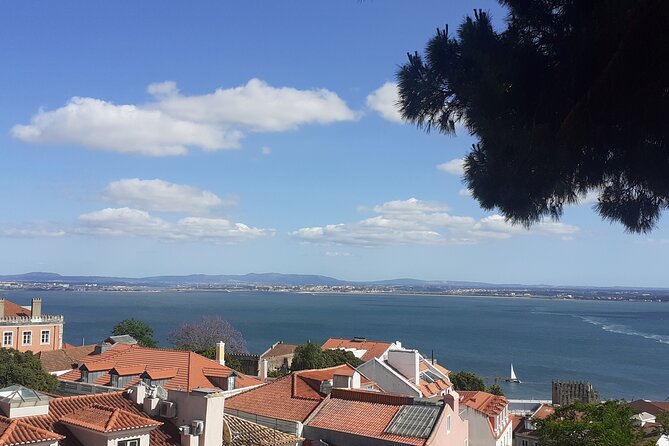
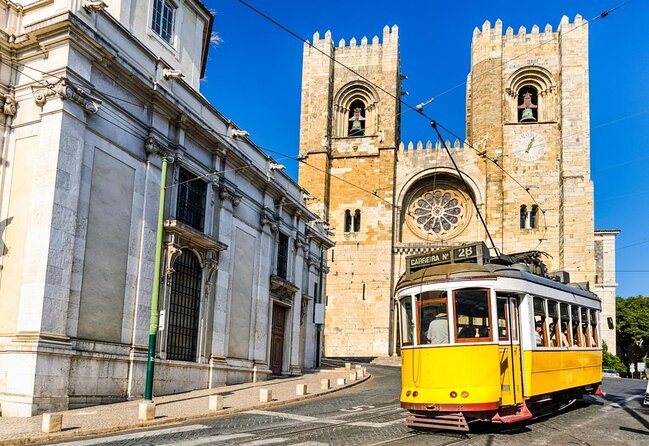
The tour includes Lisbon Cathedral (Sé de Lisboa), described as the oldest church from the medieval period in Lisbon. The key detail for planning: cathedral entry is not included in the tour’s admissions.
In practice, that means you have two good paths:
- If your time and budget allow, you can add the cathedral visit as an extra stop.
- If not, you can still benefit from the guide’s context and focus on the outdoor or surrounding parts of the area.
Either way, the cathedral stop is valuable because it anchors the route in a major religious and historic landmark. Even when you skip entry, the explanation helps you understand what you are standing near.
Santa Luzia and Portas do Sol: Two Viewpoints, One Real Tagus Moment
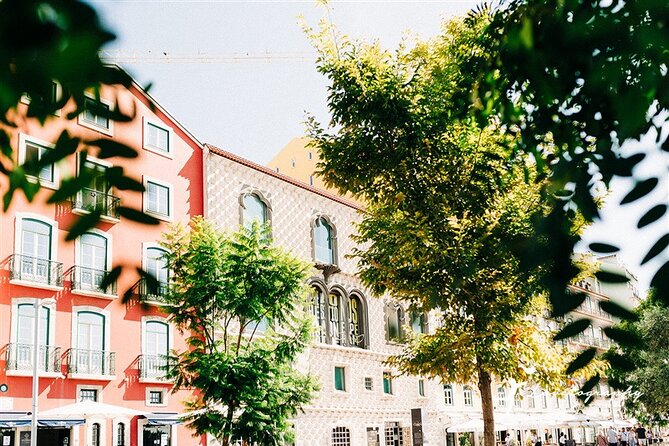
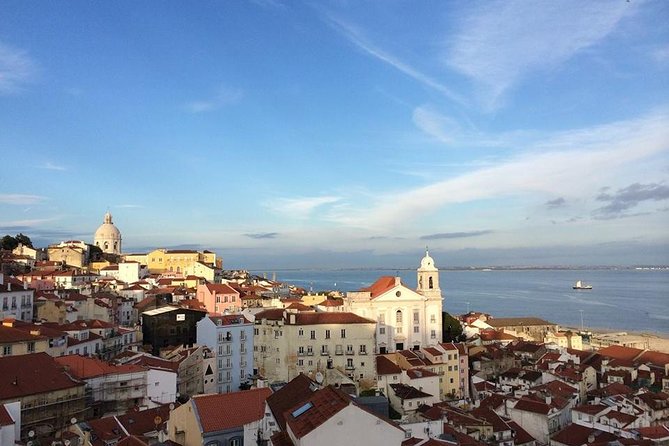
This is where you cash in the effort. You’ll visit Miradouro de Santa Luzia for classic viewpoint views from the Alfama side. It’s the kind of stop where your guide’s job shifts from history lecture to helping you frame what you’re seeing.
Then comes Miradouro das Portas do Sol, a viewpoint with part of the medieval wall and tied to the story of a gate (the door of Lisbon concept). This stop is also specifically highlighted for Tagus River views, so you can expect the dramatic “Lisbon is built on hills and light” feeling.
Two practical tips help here:
- Bring your phone battery or camera ready. Viewpoints are photo moments, not just passing scenery.
- Give yourself a minute to look away from your screen and watch the river. Lisbon’s best views are dynamic, with boats and changing light.
If you’re short on time, these two stops are the part you should protect most. Everything else is great context, but the miradouros are the payoff.
Praça do Comércio: Finish in the Big Open Square
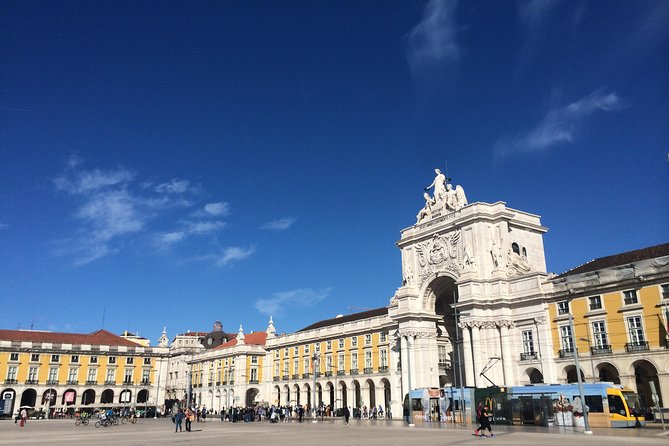
Your walk ends at Praça do Comércio, Lisbon’s large central square near the waterfront. This works well because it’s a different feel from the tight streets of Alfama: you get space, symmetry, and an easier sense of direction for where you’ll go next.
This is also where your guide’s earlier stories start making more sense. When you stand in open downtown view, you can better understand how the historic neighborhoods relate to the river and the city’s original layout.
This stop is not about buying a ticket or chasing another monument. It’s about transition: you’re done with the hill walk, your legs get a breather, and you can plan your next move calmly.
What You Get From the Guide: Stories, Practical Tips, and a Human Pace
The strongest praise centers on the guide experience. Many comments highlight that guides like Filipa and Ricardo manage to fit a lot of information into a few hours without rushing. That balance matters in Lisbon, where you can otherwise end up in a “look, move, look, move” loop.
I also like that guides are described as doing more than just repeating facts. You get story connections—how past events shape current streets—and you also get practical suggestions. Some feedback includes recommendations for dinner, plus occasional references to Lisbon today, which helps the city feel lived in rather than museum-only.
Two more stand-out service points that are genuinely useful:
- Adaptation: one guide experience noted patience and repeating details when needed for hearing issues.
- Family-friendly adjustments: there’s also a mention of a family with a 7-year-old where the tour matched the child’s expectations.
That’s a big deal for a walking tour. It means you’re more likely to get a comfortable experience, not a rigid script.
Food and Drink Breaks: Pastel de Nata and a Small Boost
This tour includes a snack and drinks: coffee and/or tea, a typical soft drink in Portugal, and Pastel de Nata (custurd cream pastries). That might sound like a minor add-on, but after climbing and walking, a planned break prevents the “hangry spiral.”
It also helps you reset your attention before the viewpoints. Lisbon hills can get you without warning, and the guide timing a snack stop gives you a natural moment to slow down and catch your breath.
One note for your planning style: since the tour is about walking and views, I would treat the snack as part of the experience, not as a full meal substitute. If you have a strong appetite, plan a proper lunch or dinner before or after.
Price and Value for a Private 2–3 Hour Lisbon Walk
At $81.62 per person for a 2 to 3 hour private tour, you’re paying for a guide who stays with your group and helps you make sense of the city. That price is easier to justify when the tour includes real extras:
- professional guide throughout
- coffee/tea
- a typical soft drink
- pastel de nata snack
- admission tickets marked as free for most stops
The one obvious cost exception is Lisbon Cathedral, where admission is not included. There’s also no transportation to/from attractions included, so plan your own way to the meeting point and from the final square.
I’d call the price fair if you want the benefits of a tailored guide and you value learning while you walk. If you’re the type who loves to wander solo and does not care about history context, you could DIY for less. But if you want Lisbon explained while you’re standing in the middle of it, private is where this price starts to make sense.
Who This Tour Fits Best (and Who Might Need a Different Style)
This private walking tour is a great match if you:
- want an intro to old Lisbon without planning a route yourself
- like history tied to streets, squares, churches, and viewpoints
- appreciate a guide who can slow down, repeat, or adjust for needs
- enjoy neighborhood atmosphere more than checklist tourism
It’s also a good option for first-time Lisbon visitors, especially if you plan to explore beyond Alfama later. Starting at Rossio and ending at Praça do Comércio gives you a practical base.
If you have mobility challenges, the uphill walking and uneven old streets matter. The tour is described as most travelers can participate, but this part of Lisbon is still physically demanding compared with flatter city areas. If you are unsure, choose shoes carefully and ask your guide to keep breaks frequent.
Should You Book This Lisbon by Heart Private Walking Tour?
Book it if you want a guided first taste of Lisbon’s old soul: Alfama + Graça, castle-area streets, and those two miradouro viewpoints where the Tagus view makes the hills feel worth it. The included snack and drinks also make the pacing feel easier.
Skip or consider an alternative if you are avoiding steep walking or you strongly prefer timed museum-style visits where you sit and stay in one place. And if cathedral entry matters to you, budget for it since admission is not included.
If you want, tell me your travel month and your walking tolerance (easy, medium, tough). I can suggest the best time of day to schedule this kind of route in Lisbon.
FAQ
How long is the Lisbon by Heart Private Walking Tour?
It’s listed as about 2 to 3 hours.
Is this tour private?
Yes. It’s a private tour, and only your group participates.
What are the start and end points?
You start at Rossio, R. 1º de Dezembro 125, 1249-970 Lisboa, Portugal, and end at Praça do Comércio, 1100-148, Portugal.
What’s included in the price?
Included are a professional guide, coffee and/or tea, a typical soft drink in Portugal, and snacks (Pastel de Nata).
Are admission tickets included for all stops?
Admission is listed as free for several stops, but Lisbon Cathedral is marked as not included.
What languages is the tour offered in?
The tour is offered in English.
What is the cancellation policy?
You can cancel up to 24 hours in advance for a full refund. If you cancel less than 24 hours before the start time, the amount paid is not refunded.