
REVIEW · 2-DAY EXPERIENCES
Lisbon: 1-or 2-Day Hop-On Hop-Off Bus Tour
Book on GetYourGuide →Operated by Yellow Bus Tours - Lisbon · Bookable on GetYourGuide
Two loops make Lisbon easy to map fast. You get flexible hop-on hop-off sightseeing across the historic center and the newer parts of town, plus open-air views from the upper deck, with Lisbon’s rebuild after the 1755 earthquake as a big theme.
I love the two different routes because you can match the day to your mood: classic landmarks on the Belém line, then a more modern sweep on the pink line. One consideration: depending on timing, you may wait a bit at stops after hopping off, and the bus pace around photo points can feel a touch quick.
In This Review
- Key takeaways before you ride
- Getting Oriented Fast in Lisbon: Two Routes, One Yellow Bus
- Belém Line (Blue) Stops: Classic Lisbon and the Tagus River Viewpoints
- A note on the pace
- Modern Lisbon Line (Pink) Stops: Azulejos, Graça Views, and the Oceanarium Area
- How to Ride Like a Pro: Validation, Headsets, and Hop-Off Timing
- When to hop off for the best payoff
- Heat and photo timing matter
- Price and Value Check: $25 for Two Days (What You Get, What You Don’t)
- Practical Notes That Save Time: Schedules, Route Signs, and Real-World Friction
- Expect a little waiting after hop-offs
- Staff help can matter
- Should You Book This Lisbon Hop-On Hop-Off Pass?
Key takeaways before you ride
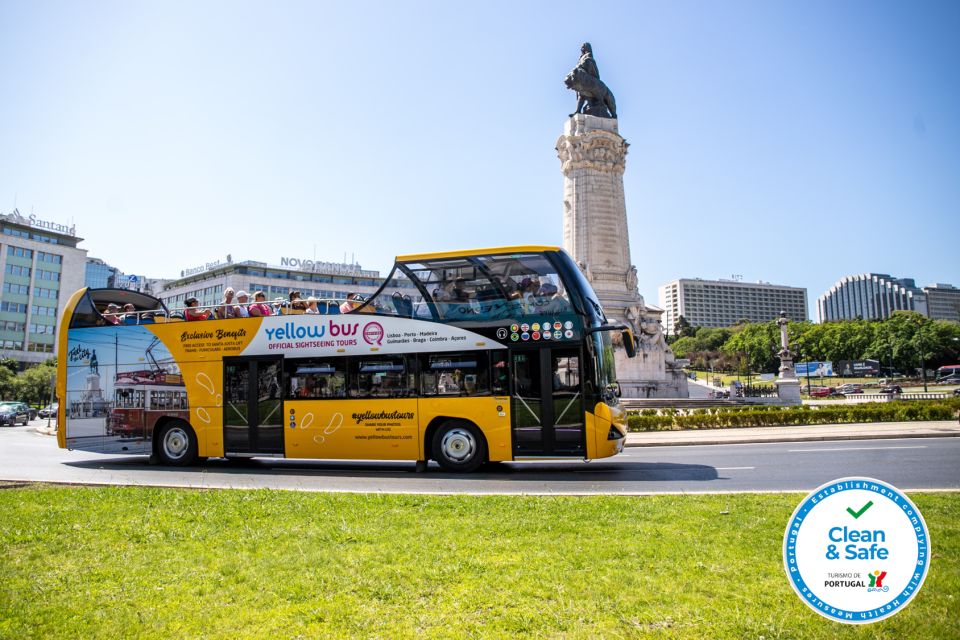
- Belém line (Blue) and Modern line (Pink) share the same yellow buses, with route signs in the front window
- Carris trams included during your ticket validity, plus free entry to the Carris Museum with a valid ticket
- Audio guide works in many languages, but plan to check your headset early since some audio units can be spotty
- Upper-deck photos are easiest earlier in the day or late afternoon (heat is real in summer)
- Hop-off planning matters: the live schedule is helpful, but it can still shift
Getting Oriented Fast in Lisbon: Two Routes, One Yellow Bus

Lisbon is hilly, windy, and full of surprise turns. That’s great for walking adventures, but it’s a little punishing when you only have 1–2 days. This hop-on hop-off setup helps you get your bearings fast by turning the city into two clean sightseeing loops.
The buses are open-top double-deckers. If you want the classic postcard look, the upper deck is where you’ll feel the day: sunshine when it’s out, cooling breeze when it’s not. The ticket is also flexible. Once you validate, your active window is either 24 or 48 hours depending on what you chose, and you can hop on and off as you go.
You’ll also get value beyond the bus. Your ticket includes access to Carris Lisbon public trams during validity, and you get free access to the Carris Museum by showing a valid ticket. That combo matters because Lisbon’s best moments often come from combining viewpoints, then hopping into local transit to stitch neighborhoods together.
The main “watch-outs” are practical, not dramatic. A few things can slow your pace: waiting longer than expected between buses at certain stops, and occasional issues with audio headsets in some seats. The fix is simple: treat this as a flexible planning tool, not a fixed tour clock.
You can also read our reviews of more tours and experiences in Lisbon



Belém Line (Blue) Stops: Classic Lisbon and the Tagus River Viewpoints
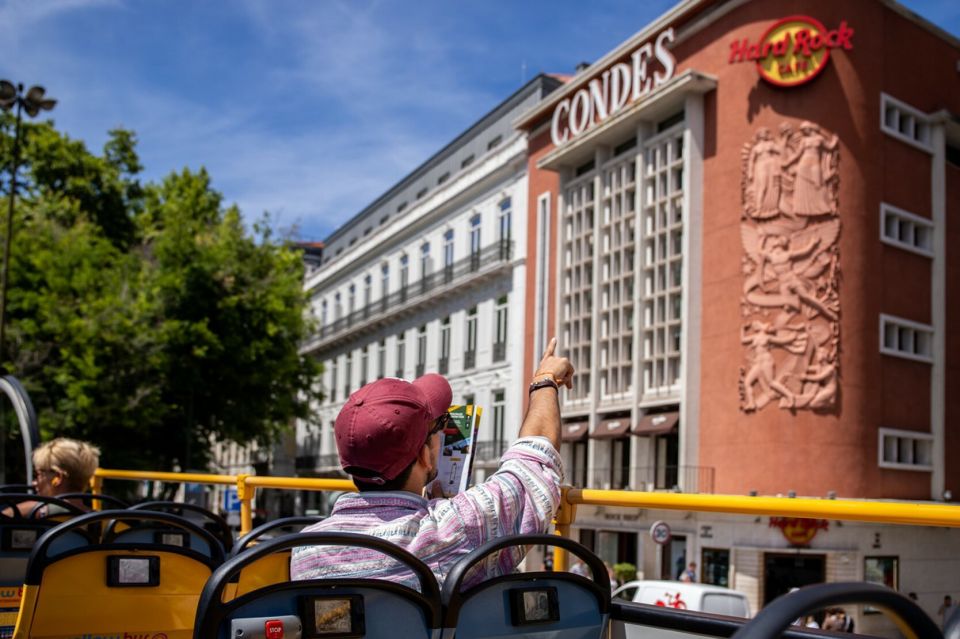
The Belém tour is the historic one. It runs for about 1 hour and 40 minutes per loop, and it’s timed from the Restauradores Square terminal. The vibe here is old Lisbon plus the big Portugal story—places tied to the Age of Discoveries, and the city’s post-1755 rebuilding energy.
On this blue line, you’ll see the key “starting points” that help you build your first-day route. Here’s what the stops are good for, in the order you’ll meet them.
Restauradores Square (Terminal)
This is your launch pad. It’s a practical place to start because it’s central enough to connect with the rest of your day. If you’re trying to avoid standing around later, getting on early from here helps.
Rossio Square
Rossio is one of Lisbon’s main squares, so it’s a natural place to stop if you want cafés, people-watching, and an easy anchor for planning. Since Rossio also appears on the Modern route, it’s a great link point between themes.
Marquês de Pombal
Think of this as a “major connector” stop. It’s useful when you want to reposition between downtown and the broader scenic lines heading toward Belém.
El Corte Inglés Shopping Center
Not everyone comes to Lisbon for malls. But this is a practical stop if you need water, snacks, or a quick break while you’re moving between sights.
Parque Eduardo VII (Eduardo VII Park)
This is where the bus route gives you breathing room. It’s a solid stop if you want a bit of space before more monuments and museum time.
Amoreiras Shopping
Same logic as the El Corte Inglés stop: it’s there to make life easier while you hop around. It can also help if you need an indoor reset during weather swings.
Basílica da Estrela
A church stop usually means short but meaningful sightseeing: grab a photo, check the area, and decide whether it’s a quick look or a longer detour. This one works well for travelers who like architecture without committing hours.
Pilar 7
This is one of those Lisbon stops that feels like it connects streets, not just attractions. It’s handy for aligning your walking with nearby viewpoints.
Belém / Museu dos Coches (Coach Museum)
Now you’re in full Belém territory. The Coach Museum stop is a good jump-off point if you want a museum-first day, especially when your timing fits.
Mosteiro dos Jerónimos (Jeronimos Monastery)
This is the big classic stop on the route. If you only pick one “serious” historic landmark for a day, Jerónimos is usually a top choice because it anchors the entire Belém story.
Torre de Belém (Belém Tower)
This is the Lisbon skyline postcard. Even if you don’t go inside, getting near the tower and absorbing that riverside setting is worth at least a photo stop.
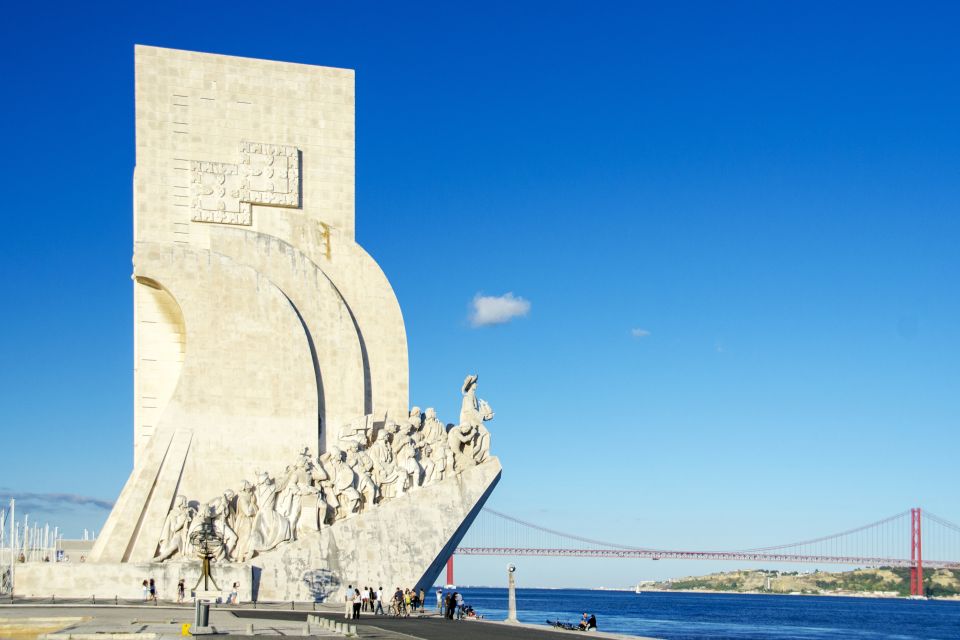
Padrão dos Descobrimentos (Monument of the Discoveries)
A strong add-on if you want the theme of exploration spelled out in public monument form. It’s also useful if you like staging: it’s easy to pair with Torre de Belém and Jerónimos.
MAAT (Museum of Art, Architecture and Technology)
This is your modern art/architecture contrast inside the Belém line. It’s the sort of stop that can help you balance the older landmarks so you don’t feel like the whole day is “one monument after another.”
Docas Cruise Terminal
Good for riverside energy and the “Lisbon is a port city” feeling. It’s also a useful reference point if you’re planning around cruise terminal areas.
Jardim da Estrela
A park stop on the route adds breathing room. If your legs are tired from hills, this can help you take a real pause before heading back.
Back to Restauradores Square (Terminal)
Plan to return with enough time to breathe before dinner. Lisbon rewards slow evenings after a full sightseeing day.
A note on the pace
The Belém loop can feel time-structured, but you control how long you stay at each hop-off point. If you’re the type who wants long museum sessions, give the Belém line a larger block of time rather than trying to cram it all into one quick loop.
Modern Lisbon Line (Pink) Stops: Azulejos, Graça Views, and the Oceanarium Area
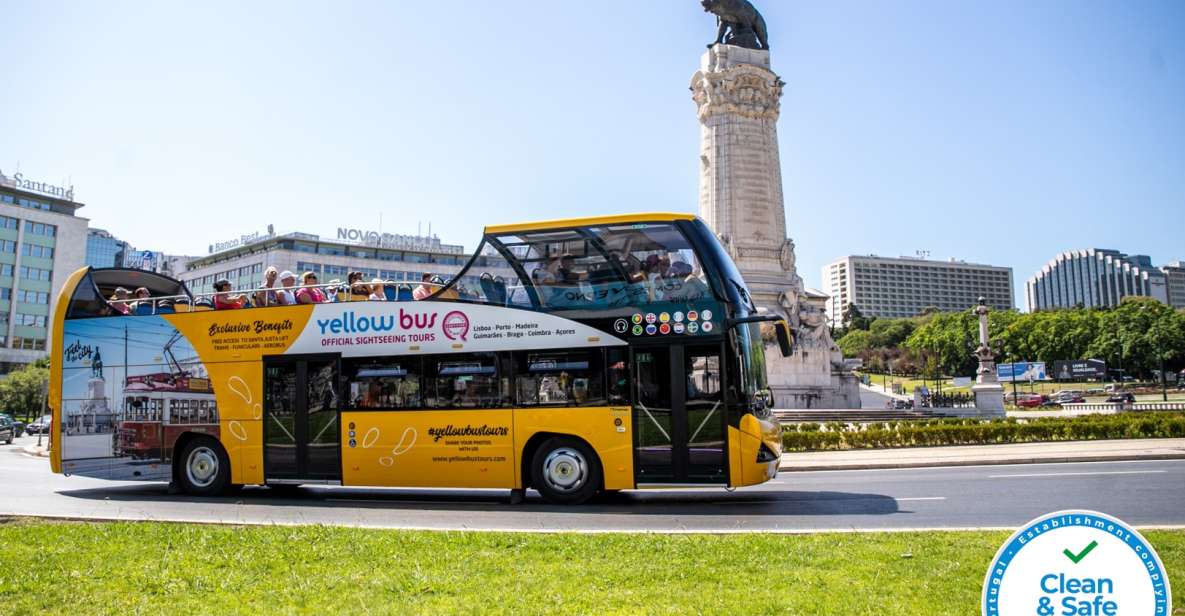
The pink line is Lisbon’s “today and tomorrow” sweep. It’s also about 1 hour and 40 minutes for the full loop, with its own timetable from Restauradores Square.
This route is a good counterweight to Belém. Where the blue line leans historic and monumental, the modern line shows how Lisbon looks when it’s not leaning on 18th-century scenes.
Here are the Modern stops and how to use them.
Restauradores
Same starting point. Using the two lines from the same terminal makes planning less complicated.
Rossio Square
Because it appears on both routes, Rossio becomes your easiest “re-entry” point. If you want to bounce between themes, this is your friend.
Avenida da Liberdade
This is a classic grand-street route. Even without hopping off, the bus ride here can be a visual tour—bigger boulevards, more formal feel, and an easy transition toward the modern districts.
Graça
A viewpoint neighborhood vibe. If you like stepping into places that feel lived-in and scenic, this stop is a smart one for checking out the area on foot.
Panteão Nacional / Feira da Ladra
This stop mixes two ideas: major landmark energy and market-adjacent texture. If you’re the kind of traveler who wants a neighborhood feel, it’s worth exploring briefly and seeing what time and crowds look like on your day.
Lisbon Cruise Terminal
This is another “port city” reference point. Even if you’re not cruising, it helps you understand where the city’s visitor flow meets the neighborhoods.
Museu do Azulejo
If you love Portuguese tiles, this is a big reason to pick the pink line. The Azulejo stop is ideal for hopping off for a dedicated indoor session rather than just passing by.
Beato
A neighborhood stop that can work well for a slower wander. It’s the kind of place where your time on foot can matter more than what the bus is showing.
8 Marvila
Another connector stop. If you’re curious where art and industry themes overlap, this is a practical hop-off point.
Oceanário
This is the standout. You get to Parque das Nações territory, and Oceanário is famous for scale. The tour info specifically notes more than 16,000 marine species, which is a strong reason to make this stop a priority. Admission is not included, so treat it like a separate purchase if you want inside time.
Vasco da Gama shopping
Useful for breaks. If you need a predictable place to reset between sightseeing, shopping centers do that.
FIL
A convention center stop that’s helpful for navigation. In practice, it can help you anchor yourself when you’re moving between Oceanário area and other modern stops.
Torre Vasco da Gama
This is your “modern Lisbon skyline” moment. Even a quick photo stop can help you shift your mental picture of the city.
Hotel Myriad
A pinpoint on the route that can be helpful for getting your bearings if you’re staying nearby or using it as a landmark.
Rossio Square (again)
Ending back at Rossio is handy if you want dinner in the center rather than finishing out on the perimeter.
How to Ride Like a Pro: Validation, Headsets, and Hop-Off Timing
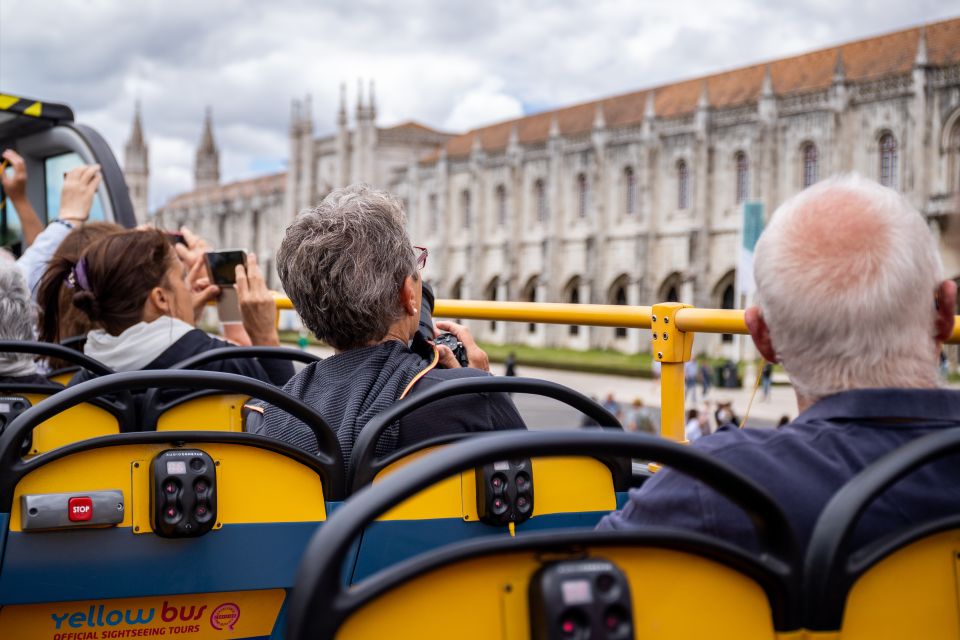
The ticket gets activated on first validation, then your countdown begins. So my rule is: validate when you’re ready to start, not when you’re just browsing in the terminal area.
You’ll get audio guidance through headsets on the buses. Audio is offered in English, Portuguese, Dutch, French, Spanish, Italian, German, Swedish, Japanese, Korean, Chinese, and Russian. That’s a lot of coverage for a route like this, and it’s a big reason this works well for different ages.
That said, I’d treat audio like a bonus, not a guarantee. Some passengers reported that certain audio devices weren’t working and switching seats fixed it. My practical advice: once you’re seated, check the sound immediately. If it’s dead, move early and save the frustration for later.




When to hop off for the best payoff
The biggest mistake with these tours is using them like a ride only. The real win is letting the bus drop you near clusters of things that belong together.
For example:
- If you’re doing the Belém line, start near Restauradores or Rossio, then plan a hop-off cluster around Jerónimos + Torre de Belém + the Discoveries monument area.
- If you’re doing the Modern line, consider Oceanário as your main anchor, then use nearby modern stops (like Parque das Nações area stops) for shorter hops and photo breaks.
Heat and photo timing matter
One review complaint was that the bus sometimes seems too quick near important stops, making photos harder. Even if it doesn’t happen every loop, you’ll still do better by planning your photo moments with a bit of breathing room. Earlier or later in the day usually helps you avoid the harshest sun and makes standing around more comfortable.
And if it rained recently: open-top buses can mean damp seats. I’d bring a small pack of tissues or a wipe if you hate sitting on anything questionable.
Price and Value Check: $25 for Two Days (What You Get, What You Don’t)
At about $25 per person for a 2-day ticket, the value story is mostly about what’s bundled.
You’re not just paying for a bus loop. You’re paying for:
- Two bus lines (Belém and Modern) depending on the ticket option you pick
- Hop-on hop-off access within your time window
- Carris tram access during validity
- Free entry to the Carris Museum with proof of your ticket
- Audio guidance so you’re not sightseeing with zero context
Not included is the one thing you’d normally budget for: museum and monument entrances. That’s the biggest “gotcha” in any bus sightseeing pass. You’ll still have to buy tickets for places you actually want to go inside, like Oceanário (admission not included per the tour info) or any other museum where you choose to enter.
So the best way to judge value is simple: count how many attractions you’d realistically visit on foot and how many times you’d otherwise take paid local transport. If you want a first-or-second-day overview plus at least a couple of meaningful landmark stops, the bundled tram access alone can help your math.
Practical Notes That Save Time: Schedules, Route Signs, and Real-World Friction
The route system is straightforward once you see it, but it helps to know what to look for.
All buses are colored yellow. The Belém line has a blue sign, and the Modern line has a pink sign in the front window. That’s the key detail to avoid accidentally boarding the wrong loop.
Buses depart from Restauradores Square terminal, but the timetable differs:
- Belém line: from 9:00am to 5:30pm, every 30 minutes
- Modern line: from 9:15am to 5:15pm, every 30 minutes
If you want the most up-to-date schedule, use the live schedule link provided by the operator. Some passengers noted that real-time timing can feel a bit off, so I treat live info as direction, not prophecy.
Expect a little waiting after hop-offs
One recurring complaint was longer-than-expected gaps at certain stops. That’s not unusual for big city buses, especially when traffic changes. If your plans are strict—like a timed museum slot—build in buffer time. This tour is best when it helps you plan a day, not when it replaces a reservation calendar.
Staff help can matter
A few reviews specifically praised bus-stop or guide coordination and noted that drivers answered questions. On days when you get that extra guidance, it can save you from wandering in the wrong direction. If a coordinator is available at your stop, ask what order makes sense that day.
Should You Book This Lisbon Hop-On Hop-Off Pass?

If your goal is two days of Lisbon without getting worn out by hills and transit puzzles, I think this is a strong match. The two-line design helps you avoid the most common problem with hop-on tours: doing one route and realizing you missed an entire side of the city.
Book this if:
- You want an easy overview your first 1–2 days
- You like building a day from a few landmark clusters
- You plan to use Carris trams alongside the bus, not only sit on the bus
Consider skipping or adjusting your expectations if:
- You have very tight, timed entrance plans at multiple sites in a single day (this is flexible, but the city can still affect bus arrivals)
- You’re relying on audio to do all the learning (it’s generally good, but audio device issues can pop up, so keep a backup plan: read signs and use guidebooks too)
If you’re unsure, my best advice is to treat the pass as your orientation tool, then spend your best time on foot where the city rewards slowing down—squares, viewpoints, and riverside walks.