REVIEW · LISBON WALKING TOURS
Half-Day Walking Tour about the African Presence in Lisbon
Book on Viator →Operated by Lisbon Travel Experience · Bookable on Viator
Lisbon has an African thread in every corner. This half-day, English-language walking tour follows that thread across old streets, fountains, churches, and plazas, using stories to connect Portugal to Africa, the Moors, and the Atlantic slave trade. You move on foot through Alfama and central Lisbon, with stops planned for big themes you can actually see.
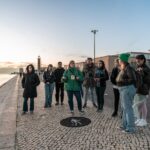
What I like most is the small-group setup (up to 15), which keeps the pace thoughtful and the questions welcome. I also appreciate the way guides like Alcides/Al tie each location to lived connections—one guide’s Cape Verdean perspective helps the story feel human, not textbook.
One thing to consider: this is real walking. It’s moderate fitness-friendly, but there aren’t clearly scheduled breaks, and one review flagged that restroom planning wasn’t handled well—so plan ahead and bring what you need.
In This Review
- Key things to know before you go
- Why Lisbon’s African story is easiest to understand on foot
- The small-group format: $179.74 doesn’t feel like a bargain, but it can feel fair
- Meeting point and timing: start where the city’s energy begins
- Alfama: starting in Lisbon’s oldest neighborhood for the long view
- Chafariz D’El Rei: a fountain lesson on class and whose stories get shown
- Campo das Cebolas: the port link where the first African slaves arrived in Europe
- Terreiro do Paço (Praça do Comércio): history made visible in a place tied to the slave trade
- Calle Rosa de Lisboa and the Time Out Market area: work, gender, and city life
- Jardim Dom Luis and Sá da Bandeira: abolition gets a face you can point at
- Brazilian consulate discussion: the Atlantic story doesn’t stay in the past
- Praca Dom Pedro IV and Igreja de S Domingos: integration through public space and faith
- Estação do Rossio and the Berlin Conference: empire, architecture, and timing
- Walking tips that matter more than you think
- Who this tour is best for
- Should you book the Half-Day African Presence in Lisbon walking tour?
- FAQ
- How long is the tour?
- How much does it cost?
- What time does the tour start, and where does it meet?
- How many people are in a group?
- Is the tour offered in English?
- Are admission tickets required for the stops?
- What fitness level do you need?
- Can I cancel for a full refund?
Key things to know before you go
- Up to 15 people means the walk stays personal and questions don’t get lost
- Alfama to Rossio covers a lot of Lisbon in one half-day without rushing
- Stories tied to specific landmarks (fountain, port area, churches, stations) make the themes concrete
- A guide-centered experience: Alcides/Al gets praised for storytelling and clear English
- Expect serious subject matter—slave trade, integration, and abolition are part of the route
Why Lisbon’s African story is easiest to understand on foot
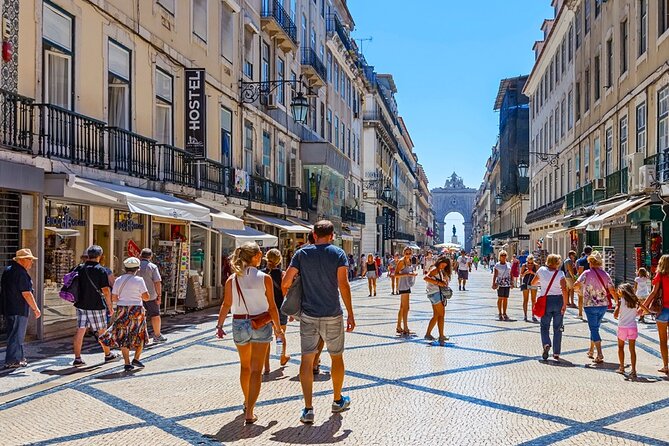
Lisbon can feel like a postcard city if you stick to viewpoints and famous squares. This tour does the opposite. It uses walking—step by step—so the African presence in Lisbon isn’t a distant “history topic,” but something you track through places: neighborhoods, public spaces, and religious landmarks.
The timing also matters. In about 3 to 4 hours, you cover enough of the city’s center to see how power, class, and community were shaped over centuries. And because it’s a small group, the guide can slow down when a topic deserves it.
Also, the subject matter isn’t limited to the overseas slave trade. The route includes Moorish and African roots, plus how African people were integrated into Portuguese society—religion, public life, and even the built environment.
You can also read our reviews of more walking tours in Lisbon
The small-group format: $179.74 doesn’t feel like a bargain, but it can feel fair
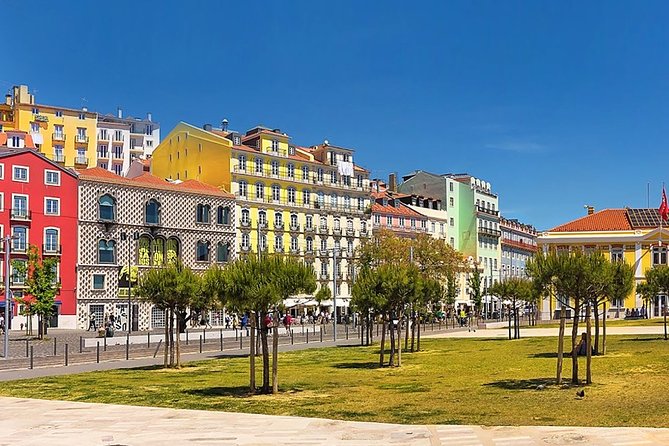
Let’s talk price. At about $179.74 per person, this isn’t the cheapest way to spend a half day in Lisbon. For that money, you’re paying for a guide-led route with enough focus to cover sensitive, layered themes without turning them into a quick checklist.
Here’s what justifies the cost for me:
- The tour is capped at 15 travelers, which usually means more time with your guide and fewer people blocking the conversation.
- Stops are planned around specific landmark themes, so you’re not just walking from one viewpoint to another.
- A few reviews mention thoughtful pacing and a guide willing to answer questions. That matters when the tour is about difficult history.
One more value angle: many stops are listed with free admission, so you’re mostly paying for the expertise and storytelling rather than ticket costs.
If you want an easy, background-only overview, you might feel the price is high. If you want context and narrative—this kind of history with names, places, and consequences—then it often lands as a good match.
Meeting point and timing: start where the city’s energy begins
The tour starts at Praça dos Restauradores (Restauradores Square), with the activity ending back at the meeting point. It begins at 9:00 am.
That morning start is practical. You get through key streets while the light is good for photos and before the later-day crowds build on central routes. It also helps on a walking-focused tour, because you’re not trying to stack too much sightseeing into a hot afternoon.
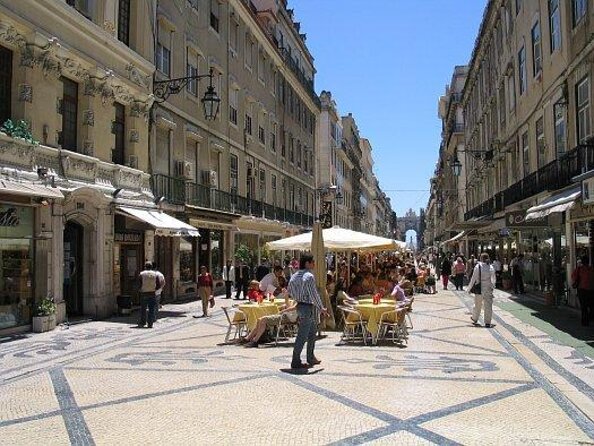
You’ll also want to be ready for street-level movement. This route is designed to be walked, and Lisbon’s old streets include slopes and uneven pavement. A moderate fitness level is enough, but comfortable shoes aren’t optional.
Alfama: starting in Lisbon’s oldest neighborhood for the long view
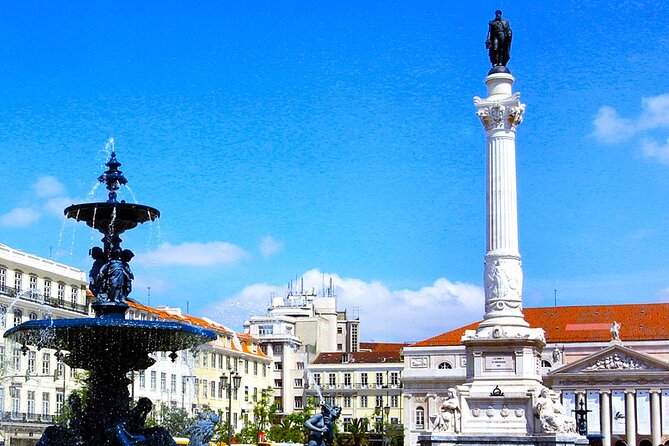
The first stop is Alfama, Lisbon’s oldest neighborhood, described as founded by Arabs. That opening choice is smart. Alfama sets a foundation for understanding “roots,” connections, and long presence rather than limiting the story to one era.
From there, the guide’s job is to connect Africa’s history, roots, and ties with other peoples. Even before you reach the slave-trade landmarks later, you’re already being guided toward a broader view of influence—how people, cultures, and power systems overlap in Lisbon’s streets.
What to watch for here: the neighborhood’s age. Old walls and winding lanes make it easier to grasp how long these histories have been layered into the city.
Chafariz D’El Rei: a fountain lesson on class and whose stories get shown
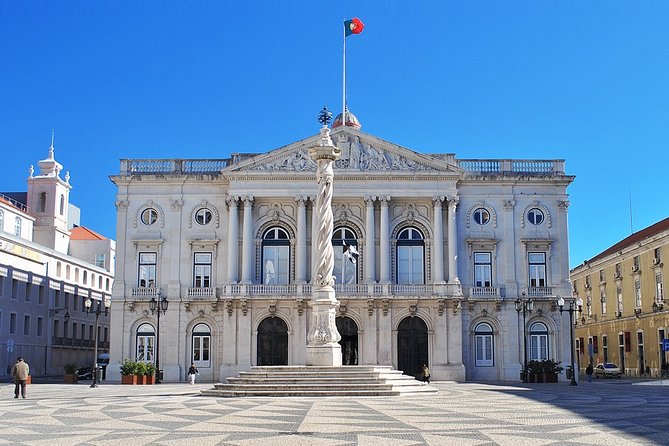
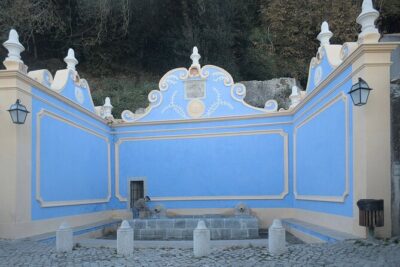
Next comes Chafariz D’El Rei, a fountain tied to the idea of social division in the Middle Ages, including representation of Africans.
A fountain might sound like a small stop, but that’s exactly the point. Public water points reveal who had access, who was visible, and how cities organized daily life. This is one of those “quiet” locations where the story carries more weight than the landmark itself.
It’s also a good break in the walking tempo—just enough time to reset your brain before the route heads toward port-and-slavery associations.
You can also read our reviews of more tours and experiences in Lisbon


Campo das Cebolas: the port link where the first African slaves arrived in Europe
Campo das Cebolas is described as tied to the old port of Lisbon, where the first African slaves arrived in Europe. That’s a heavy sentence, and the route treats it as such.
What I like about starting here is how the tour uses geography to anchor responsibility. You’re not only hearing about events; you’re standing near an area tied to commerce and ship movement—the machinery that turned people into commodities.
A caution: this is likely where your emotions may run higher than earlier stops. If that’s not your thing, you might want to mentally prepare. The tour isn’t trying to soften the topic.
Terreiro do Paço (Praça do Comércio): history made visible in a place tied to the slave trade
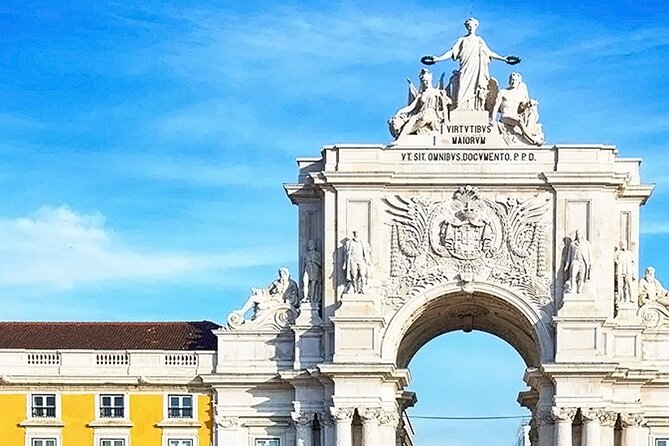
The route then reaches Praca do Comercio / Terreiro do Paco, described as one of Lisbon’s most emblematic plazas, connected to major events in Portuguese history—including the slave trade.
This kind of stop works best when the guide keeps you grounded in what the plaza represents. A big open square can otherwise turn into a photo break. Here, it’s meant to be a memory trigger: power, trade, and public decision-making were staged in spaces like this.
One extra layer on this stretch: the route also covers the central neighborhood areas affected by the 1755 earthquake. That matters because Lisbon’s modern cityscape sits on top of a past that was disrupted and rebuilt—yet the social realities behind the stories didn’t just vanish with masonry repairs.
Calle Rosa de Lisboa and the Time Out Market area: work, gender, and city life
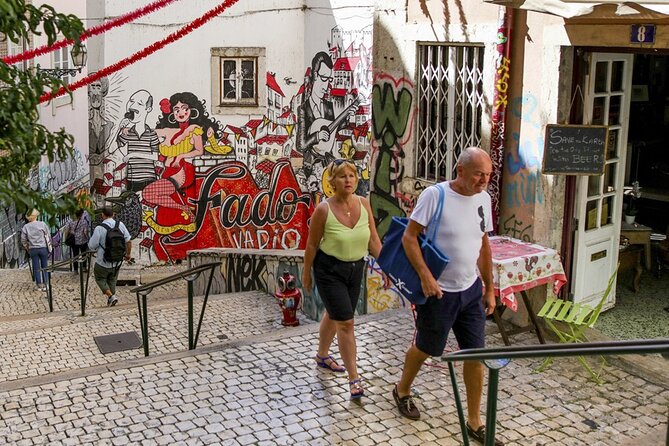
Then the tour moves into a more human, everyday layer with Calle Rosa de Lisboa—a place linked to services provided by African women.
After that, you stop at Time Out Market Lisboa, which the tour frames as a former work area for many Africans. Today, it’s easy to treat it as a food stop. On this route, it’s treated like an economic waypoint—labor and livelihood in a city that was reshaping itself.
This section is valuable because it refuses to keep African presence stuck in one dramatic era. Instead, it focuses on how people contributed to Lisbon’s social fabric in ways that can be easy to overlook if you only focus on monuments.
If you’re hungry, note this: the tour isn’t built around a long meal. If you want to snack, keep it quick and don’t count on a long pause.
Jardim Dom Luis and Sá da Bandeira: abolition gets a face you can point at
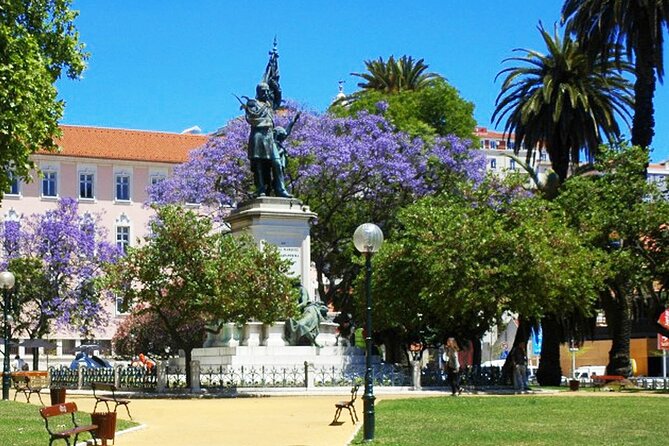
At Jardim Dom Luis, you’ll see the statue of the Marquis Sá da Bandeira, credited with abolition of slavery in Portuguese territory and colonies.
This stop feels like a shift in tone, but not an escape from the theme. It’s a reminder that laws and politics changed, and people fought for those changes—even if the broader legacy still carries weight.
For me, the strongest part of this stop is the concreteness. A statue isn’t a concept. You can stand in front of it and let the guide explain why it matters. That’s how the tour keeps history from becoming abstract.
Brazilian consulate discussion: the Atlantic story doesn’t stay in the past
The route includes the area outside the Consulate-General of the Federative Republic of Brazil in Lisbon. The guide discusses transatlantic slave traffic and consequences right there, near a modern diplomatic landmark.
That pairing is powerful: it connects past movements of people to present-day relationships between countries. It also signals something important for your understanding of value and impact. The effects didn’t end at the shoreline of some century-old map.
Praca Dom Pedro IV and Igreja de S Domingos: integration through public space and faith
Next comes Praca Dom Pedro IV, where the tour talks about integration of Africans and the creation of colonies.
Then you reach Igreja de S Domingos, focused on how African people were integrated into Catholic religion and what achievements came with that integration.
These two stops are where the tour’s tone can feel most balanced. It’s not only about oppression or systems. It also points to cultural and religious belonging, plus the ways communities navigated authority and identity.
At the same time, it’s a section that asks you to think about what integration meant in a society shaped by colonial power. The guide’s approach—often described as moving and personal by groups—helps keep that reflection from turning into guilt-only history.
Estação do Rossio and the Berlin Conference: empire, architecture, and timing
The walking route ends around Estacao do Rossio, a 19th-century train station with Manueline architectural style. The tour connects this style to Portugal’s claim for status among European nations dividing Africa into colonies, referencing the Berlin Conference of 1884.
This stop is one of the clearest “history meets infrastructure” moments on the whole walk. Rail stations are physical symbols of modernity. Here, the story frames what kind of modernity Portugal was building—and who was affected by the colonial decisions happening at the time.
A final stop covers a square representing Portugal’s restoration of independence from Spain, noting that many African slaves fought in that conflict.
Together, Rossio and the Restoration square tighten the lens: Africans weren’t only present during the Atlantic slave trade era. They were involved in wars and political outcomes shaping Portugal’s sovereignty.
Walking tips that matter more than you think
Because this is a true walking tour, I’d plan like you’re going out for a long neighborhood walk—not like you’re seeing museum rooms.
- Wear shoes you can trust. One review specifically advised good walking shoes and even suggested preemptive pain relief for sore feet.
- Bring water. The tour is a morning start, and Lisbon’s streets can still feel draining if you’re not used to walking.
- Come with questions. Reviews highlight that the guide invites questions and that answers add real value when the topic is sensitive and nuanced.
- If you’re the type who likes to process quietly, pace your listening. Some parts are moving. You might want a brief moment after harder stops to take it in.
Who this tour is best for
This is ideal if you want:
- A focused African presence in Lisbon perspective that goes beyond typical Lisbon blurbs
- A guided walk that links themes to places: Alfama, fountains, churches, plazas, and stations
- A guide-led storytelling style praised in multiple reviews, including clear English from guides like Alcides/Al
It may not be the best fit if you want a relaxed sightseeing stroll with minimal context. The tour’s route is built for meaning, not just scenery.
Should you book the Half-Day African Presence in Lisbon walking tour?
I’d book it if you’re serious about history that’s often left out of the usual “Lisbon basics.” The route connects African presence to multiple layers—roots in Alfama, class signals at fountains, port-linked arrivals, slave trade spaces, and later integration in religion and public life. It also ends with empire and political context tied to Portugal’s late-19th-century colonial era.
I’d think twice if you strongly need scheduled breaks. This is not a slow tram ride with frequent stops to sit down. It’s a walking tour with a story—and it moves.
If you book, set yourself up for success: comfortable shoes, a curious mindset, and the willingness to let the guide’s pacing guide your day.
FAQ
How long is the tour?
It runs for about 3 to 4 hours.
How much does it cost?
The price is $179.74 per person.
What time does the tour start, and where does it meet?
It starts at 9:00 am and meets at Praça dos Restauradores (Restauradores Square).
How many people are in a group?
The group size is capped at a maximum of 15 travelers.
Is the tour offered in English?
Yes, it’s offered in English.
Are admission tickets required for the stops?
The listed stops are marked as free admission.
What fitness level do you need?
The tour is suitable for moderate physical fitness.
Can I cancel for a full refund?
Yes. You can cancel up to 24 hours before the experience for a full refund. If you cancel less than 24 hours before, the amount paid isn’t refunded.