REVIEW · HISTORICAL TOURS
Half Day Historical Walking Tour about the Slave Trade in Lisbon
Book on Viator →Operated by My Lisbon Tours · Bookable on Viator
Lisbon has a dark side most tours skip. This half-day walking tour tracks the slave trade through the streets of Alfama and Lisbon’s commercial core, and it’s led by Rui Fernandes—serious research, clear explanations, and lots of chances to ask questions. I like that the tour doesn’t treat slavery like a footnote; it connects religion, economics, and everyday life across centuries.
I also love the way the walk stays place-based. You’re not just hearing about Lisbon’s “Age of Discovery” era—you’re standing near where that global system touched the city, from commerce to churches to the aftermath of empire in the 1970s. The only real consideration is that this is a moderate walking tour and it’s not recommended if you have walking difficulties, so comfy shoes matter.
In This Review
- Key Things I’d Highlight
- A Lisbon Walking Tour That Talks About the Slave Trade
- Why a Max-8 Group Changes Everything
- Starting at Largo do Chafariz de Dentro: The Theme Gets Clear
- Alfama: From Ancient Influences to Portugal’s Atlantic Role
- Campo das Cebolas: A Place for Memory, Still in the Making
- Praca do Comercio (Terreiro do Paco): Slavery in the Heart of Trade
- Baixa, Rossio & Restauradores: Seeing Everyday Life Behind the Headlines
- Igreja De S Domingos: Religion, Institutions, and Contact
- Largo do Carmo and the 25th of April Coup: After the Empire
- What You’ll Really Learn (And Why It Sticks)
- Price and Value: Is $39.78 Worth It?
- Practical Tips Before You Go
- Who Should Book This Lisbon Slave Trade Tour?
- Should You Book This Slave Trade Walking Tour in Lisbon?
- FAQ
- How long is the Lisbon half-day historical walking tour about the slave trade?
- What is the price per person?
- Where do I meet the guide, and where does the tour end?
- Is the tour offered in English?
- What’s included in the tour price?
- Is food or drinks included?
- How big is the group?
- Is the tour suitable for people with walking difficulties?
- Is there a mobile ticket?
- What is the cancellation rule if my plans change?
Key Things I’d Highlight
- Small group (up to 8) keeps questions flowing and makes the experience feel personal.
- Rui Fernandes leads with factual, balanced delivery and responds to tough questions without dodging them.
- Alfama’s oldest streets turn abstract history into something you can actually see.
- Terreiro do Paço (Praca do Comercio) helps you understand slavery as part of colonial trade, not separate from it.
- A sobering, thoughtful finish links colonial decline to modern Portuguese identity after the 25th of April events.
A Lisbon Walking Tour That Talks About the Slave Trade
Most Lisbon tours focus on views, tiles, and clever hills. This one goes after a harder story: how slavery shaped Portugal and how Lisbon fit into a much bigger Atlantic (and earlier) system. The impact is practical, not just moral—once you see how trade worked, many parts of Lisbon start making more sense.
What makes this tour especially gripping is the way it moves from neighborhood to neighborhood, building context as you go. You’ll cover both the early involvement of Portuguese society with slavery and the later connections to the Atlantic slave trade, all while using the city as your map. Expect a learning experience that’s direct, serious, and grounded in real places.
And yes, it’s heavy subject matter. But the delivery stays human, respectful, and never performs for shock value. If you’re the kind of traveler who wants the full story behind the postcard, this fits.
You can also read our reviews of more walking tours in Lisbon


Why a Max-8 Group Changes Everything
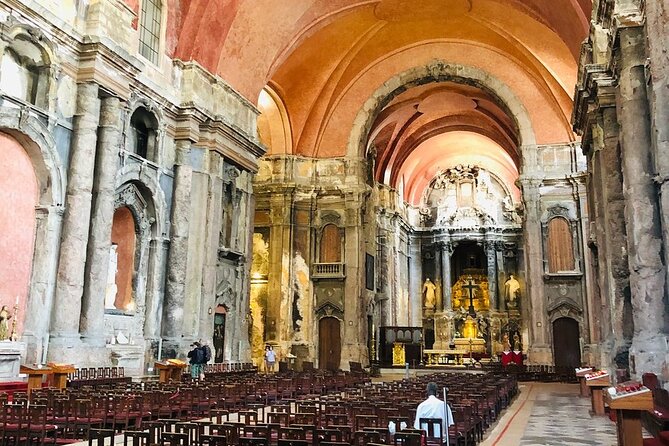
One of the most underrated details is the group size. With a maximum of 8 people, you’re more likely to get your questions answered without waiting for the timing of a big crowd. That matters a lot on a topic like this, where people arrive with different backgrounds and often with misconceptions they want corrected.
This is also why the pace feels manageable. The tour is about 3 hours approx. and includes short stops that keep you moving through the old streets without dragging. You also get a clearer sense of how each site relates to the next, instead of learning in disconnected chunks.
If you prefer guided learning that feels like a conversation (not a lecture), this small-group format is a big part of the value.
Starting at Largo do Chafariz de Dentro: The Theme Gets Clear
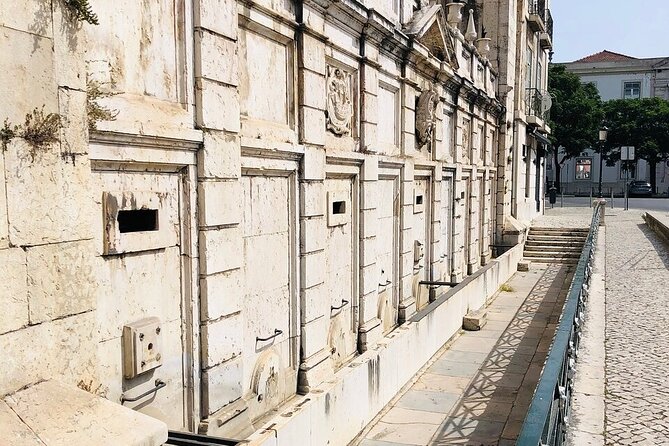
The tour begins at Largo do Chafariz de Dentro 30 (1100-605 Lisboa). That first meeting spot is more than a pin on a map—it helps set expectations right away. You’ll get an introduction to the theme and what the walk will connect, so you’re not trying to guess the point of each stop after you’ve arrived.
A good start like this matters because Lisbon’s old neighborhoods can feel dense and confusing if you’re not sure what you’re looking for. Here, the guide frames the “Age of Discovery” story in a fuller way, including how slavery and colonial trade were intertwined with Portugal’s rise.
Also, this early orientation helps you pace your questions. If you care about specific timelines or how different civilizations practiced slavery, you’ll have a better chance to ask with context as the tour unfolds.
Alfama: From Ancient Influences to Portugal’s Atlantic Role
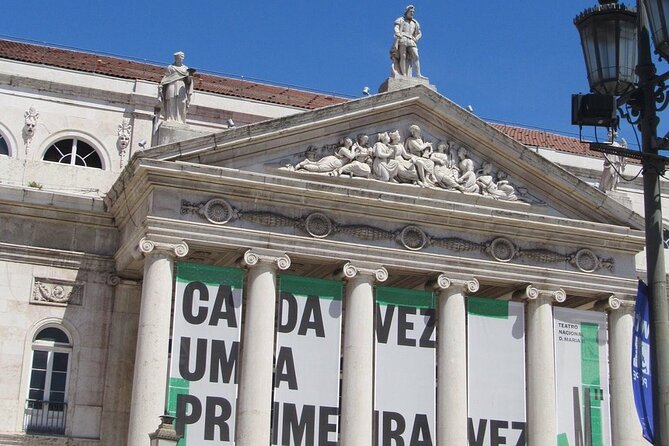
Next up is Alfama, Lisbon’s oldest neighborhood. This is where the tour connects centuries of settlement and power to slavery practices—from Roman and Moorish eras to the Portuguese involvement that grows notably in the mid-15th century. In other words, it refuses the common idea that slavery suddenly appeared out of nowhere.
What you’ll appreciate here is the cause-and-effect approach. The guide links cultural and institutional influences to how enslaved people were treated and how that reality shaped Portugal’s social and economic life. Instead of making slavery sound like a purely external event, the walk shows how it became embedded in Portuguese society over time.
One drawback to consider: Alfama can feel like a maze, and the subject is emotionally intense. If you need a steady mental break, wear shoes you trust and plan to pause your pace when you need it. The tour keeps stops focused, but you’ll still be walking through real streets, not museum hallways.
Campo das Cebolas: A Place for Memory, Still in the Making
Then you head to Campo das Cebolas, where the tour points out a location connected to a future monument to the victims of the Slave Trade. Even without the monument completed yet, the spot works as a reminder that public memory changes slowly.
This stop gives the tour a forward-looking edge. You’re not only studying how slavery worked; you’re also seeing how Lisbon is deciding what to recognize, record, and commemorate now. That matters because history doesn’t end when the era ends—its absence (or presence) in public space affects how later generations understand identity and responsibility.
This is also one of the shorter pauses, so you’ll move on without feeling stuck. Still, it’s a meaningful moment to let the tone sink in before you return to the wider economic story.
You can also read our reviews of more historical tours in Lisbon





Praca do Comercio (Terreiro do Paco): Slavery in the Heart of Trade
At Praca do Comercio, also known as Terreiro do Paco, the tour turns to Lisbon’s commercial heart. This is where the slave trade shows up as part of the colonial trade system, not as a separate side story. Standing here, you get the sense of how money moved and how the city’s global connections fed on human commodification.
This stop is one reason the tour is worth it if you want more than moral lessons. It offers an economic lens: who benefited, what routes implied, and why merchants and political structures didn’t treat slavery as abnormal. You’ll come away with a clearer understanding of how commerce and oppression reinforced each other.
Practical note: this area can be busy in general. Since the tour timing is short at each stop, you’re not stuck in a long crowd. But if you’re sensitive to noise or motion, keep a bit of buffer time in your schedule.
Baixa, Rossio & Restauradores: Seeing Everyday Life Behind the Headlines
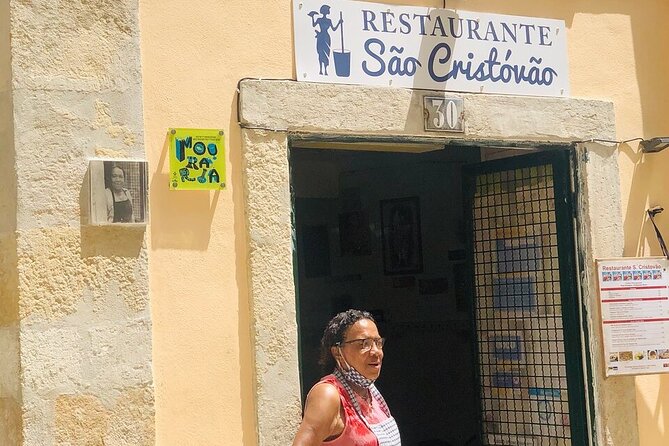
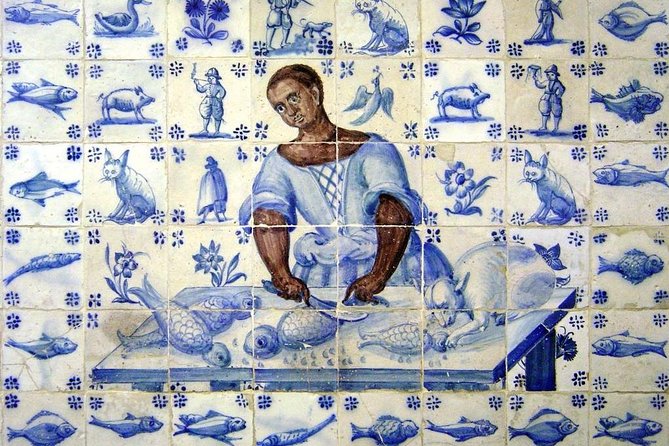
The walk then moves through Baixa, Rossio, and Restauradores, where you learn about the day-to-day reality of enslaved captives living in Lisbon. This is where the story stops being only about ships and dates and becomes about daily human life—what routines could look like, how people were positioned in the city, and how their presence helped shape urban society.
This section also helps you understand that Lisbon’s role wasn’t just a distant trading post. The tour connects global slavery to local lived experience, so you’re not treating enslaved people like background facts. You’ll also get a clearer sense of how racial hierarchy persisted, which helps explain why conversations about race and history remain active today.
If you’re visiting with kids or teens, this is a strong segment. In the feedback, families often mention that the guide kept younger people focused, likely because the walk uses concrete locations and keeps moving.
Igreja De S Domingos: Religion, Institutions, and Contact
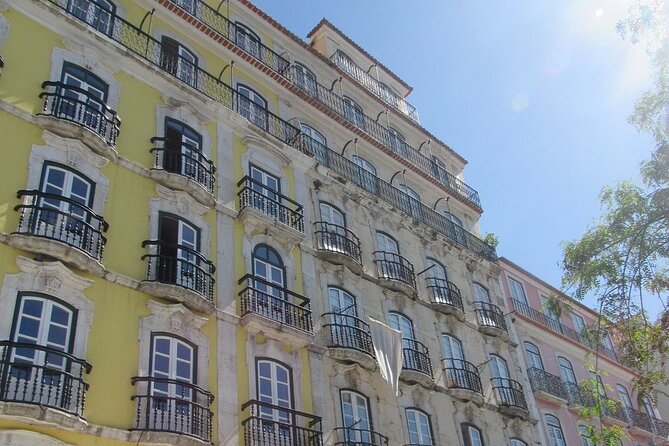
Next is Igreja de S Domingos, where the tour discusses how Lisbon’s enslaved captives interacted with religious organizations. This stop can be uncomfortable, but it’s also one of the most important for understanding how societies rationalized power. You’re not only learning what happened to people; you’re learning how institutions fit into the system.
This is where the guide’s tone really matters. Based on what people highlight, the delivery stays balanced and sensitive, with answers that respect the seriousness of the topic. The goal isn’t shock—it’s clarity about how belief, authority, and everyday life intersected.
If you’re someone who wants evidence and sources, this tour seems designed for that. People mention images and historical documents being woven into the walking story, which helps when you want more than general statements.
Largo do Carmo and the 25th of April Coup: After the Empire
The final major stop is Largo do Carmo, tied to the 25th of April coup and the later collapse of Portugal’s colonial empire in the mid-1970s. This ending matters because it pulls the story into modern Portuguese identity. You’re shown that colonial power didn’t just vanish; it reshaped debates, memory, and politics.
This is also where you may notice the guide connecting the larger historical system to contemporary reflection. Some participants mention hearing a personal connection revealed at the end, which can make the topic feel less abstract and more anchored to real human stakes.
Timing here is about a short, focused window. You’ll finish still thinking about the story, not exhausted by it. If you’ve got evening plans, you’ll likely be able to handle them, but I’d avoid scheduling something overly demanding right after.
What You’ll Really Learn (And Why It Sticks)
This tour is built to change how you see Lisbon’s “discovery” narrative. Instead of treating the Portuguese story as a travel-adventure timeline, it explains how global slavery and colonial commerce shaped economic and political power. That’s why many people describe it as thought-provoking and essential.
Another big takeaway is how the guide handles sensitive questions. In the feedback, people specifically mention that misconceptions get corrected with facts and evidence, without watering down the subject to protect opinions. That can feel intense, but it also makes the experience more useful—because you leave with accurate context you can use.
You’ll also pick up practical “how to look at Lisbon” skills. After this, you’re less likely to miss signs of past systems in the city’s layout and institutions. You’ll understand why certain locations matter and why some histories stay quieter than others.
Price and Value: Is $39.78 Worth It?
At $39.78 per person for about 3 hours, the price lands in the mid-range for Lisbon guided walking tours. The value comes from three things you rarely get all at once: a tight group size, a professional guide with strong topic prep, and a route that uses multiple key sites instead of one neighborhood.
Also, local taxes are included, so you’re not piecing together add-ons at the end. Food and drinks aren’t included, so plan to grab a snack after if you need energy. You’ll likely be mentally drained in a good way, and a small break helps.
If you already plan to do a standard highlights tour, this is an ideal complement because it gives the darker context behind the same old streets. It’s also an efficient way to learn without spending a full day on history. For short stays, that matters.
Practical Tips Before You Go
You’re walking in Lisbon’s older areas, so wear comfy shoes. The pace is described as moderate, but the discussion is serious and you’ll want your legs to cooperate. The tour isn’t recommended if you have walking difficulties.
The tour is offered in English, and it uses a mobile ticket. It’s near public transportation, which makes it easier to build into a day of sightseeing. Confirmation happens at booking time, which helps you plan with less uncertainty.
Bring a water bottle if you tend to get thirsty during walks, even though drinks aren’t provided. And if you’re visiting in rain, plan for it—people mention the guide taking steps to keep the group out of bad weather when possible.
Who Should Book This Lisbon Slave Trade Tour?
This is a great match if you want Lisbon beyond the usual postcard route. If you care about how colonial trade worked, how institutions shaped daily life, and how memory is handled in public spaces, you’ll get a lot from the guided structure.
It’s also a strong choice if you like asking questions. With a small group, your curiosity doesn’t get buried. The guide is described as willing to answer lots of questions and to support explanations with visuals and historical material.
One caution: the subject matter is heavy. If you’re looking for a light, relaxing walk, this won’t fit. But if you’re ready for a careful, factual tour that treats history seriously, this one deserves a place on your itinerary.
Should You Book This Slave Trade Walking Tour in Lisbon?
Yes—if you’re willing to face a side of Lisbon that many visitors skip. The combination of small group size, a strong guide presence (Rui Fernandes), and a route tied to real sites of commerce, neighborhood life, religion, and post-empire reflection makes it more than just a basic history walk.
Book it especially if you’re the type who hates vague tours. This one works because it connects the dots across time and shows you Lisbon as a city shaped by global systems, not just local landmarks.
Just make sure you’re comfortable with moderate walking and emotionally prepared for a topic that doesn’t pull punches.
FAQ
How long is the Lisbon half-day historical walking tour about the slave trade?
It runs for about 3 hours.
What is the price per person?
The price is $39.78 per person.
Where do I meet the guide, and where does the tour end?
You start at Largo do Chafariz de Dentro 30, 1100-605 Lisboa, Portugal, and the tour ends at Largo do Carmo, 1200-092 Lisboa, Portugal.
Is the tour offered in English?
Yes, the tour is offered in English.
What’s included in the tour price?
The tour includes local taxes and a professional guide.
Is food or drinks included?
No, food and drinks are not included.
How big is the group?
The tour has a maximum of 8 travelers.
Is the tour suitable for people with walking difficulties?
It’s not recommended for travelers with walking difficulties, though it is listed as requiring only moderate physical fitness.
Is there a mobile ticket?
Yes, it includes a mobile ticket.
What is the cancellation rule if my plans change?
Free cancellation is available up to 24 hours in advance for a full refund. If you cancel less than 24 hours before the experience starts, the amount you paid will not be refunded.