REVIEW · LISBON WALKING TOURS
Walking tour: Lisbon in the Shadows of World War II
Book on GetYourGuide →Operated by Guide Leonor Abrantes · Bookable on GetYourGuide
Espionage lived on Lisbon’s streets. In this 3-hour walk, you trace how Portugal stayed neutral under Salazar while Lisbon became a refugee waiting room and a stage for British, German, and American spying watched by Portuguese political police. I love the small-group pace and Leonor Abrantes’ supplemental materials, but you should plan on a solid walk with no long sit-down breaks.
You’ll start near Praça Marquês de Pombal and end at Cais do Sodré by the river, with built-in stops at key squares and classic cafés where wartime news felt dangerous. It runs rain or shine, and it’s led in English and German.
In This Review
- Key Takeaways Before You Go
- Why Lisbon Became a Wartime Waiting Room
- Marquês de Pombal Start: Getting Oriented Fast
- Parque Eduardo VII Photo Stop: A View That Changes How You Walk
- Avenida da Liberdade: Big Streets, Small Secrets
- Restauradores Square: Refugees, Rumors, and Watchful Power
- Baixa de Lisboa and Chiado: Where Wartime Life Felt Close
- Cafés as “information rooms”
- Praça Dom Pedro IV: The Public Square Meets the Private Fear
- Finishing at Cais do Sodré: From Waiting to Departure
- Price and Timing: What $170 Gives You
- Who This Tour Suits Best
- A note on mobility
- A Simple Plan to Make the Most of It
- Should You Book Lisbon in the Shadows of World War II?
- FAQ
- How long is the Lisbon in the Shadows of World War II walking tour?
- Where does the tour start?
- Where does the tour end?
- What languages is the guide available in?
- What does the tour cost?
- Is this a private tour or a shared group?
- Are food and drinks included?
- Is hotel pickup or drop-off included?
- Will the tour run in bad weather?
- What are the cancellation and payment options?
Key Takeaways Before You Go
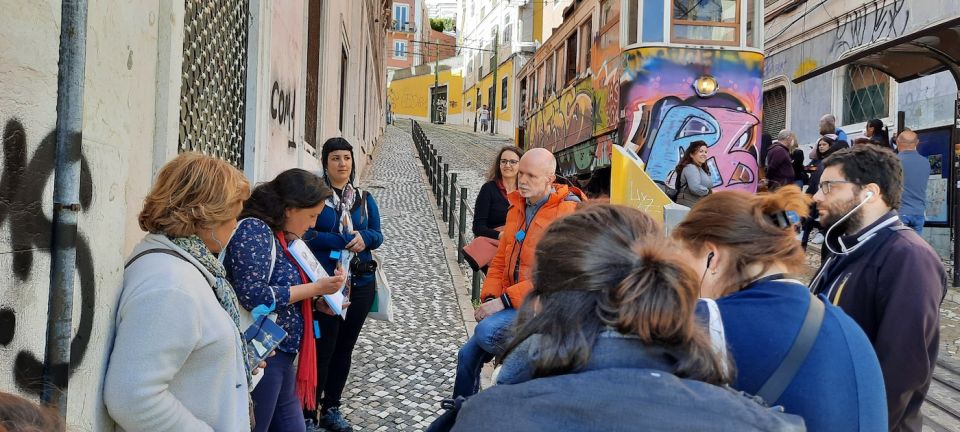
- WWII Portugal, explained through real streets: Salazar’s neutrality and the Estado Novo’s refugee approach in plain language
- Refugees and spies share the same sidewalk: you’ll see how both stories played out in Lisbon
- Names and scenes you can picture: Josephine Baker, Alfred Döblin, and Leslie Howard show up in the narrative
- Leonor Abrantes brings extra support: supplemental materials help keep the threads straight
- 3 hours that finish where life resumes: Cais do Sodré is an easy post-tour spot for a snack
Why Lisbon Became a Wartime Waiting Room
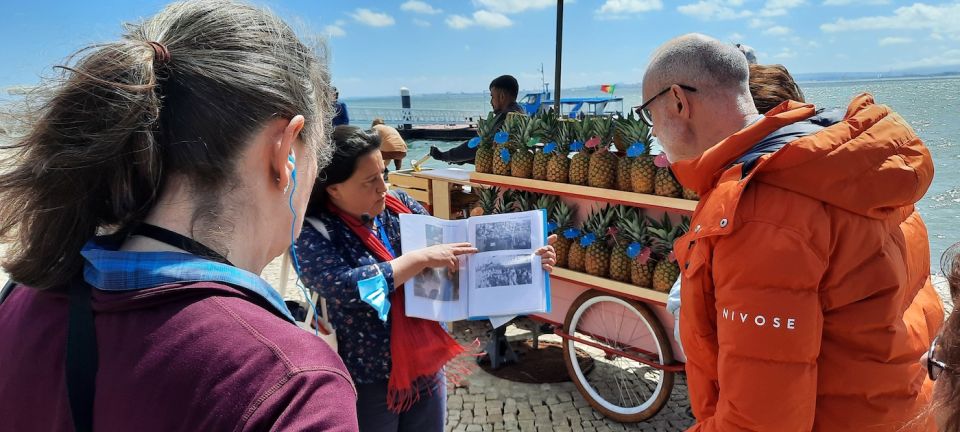
Lisbon has always been a crossroads city, but in the late 1930s and 1940s it became something more specific: a place where people waited for permission to leave. Portugal stayed neutral under dictator António Oliveira Salazar, so Lisbon attracted refugees trying to escape Nazi persecution and war-torn Europe.
What I find so useful about this tour is that it doesn’t treat the story like distant history. You get the human side: visas, pensions, and aid organizations that helped people survive the long pause between danger and escape. At the same time, Lisbon’s neutrality came with an unsettling flip side—spies moved through the city, and the Portuguese political police kept watching.
You’ll also learn why this wasn’t only about rumors. The city prepared for the possibility of an Axis invasion, with plans that included protecting major monuments and buildings if bombings ever came. That combination—waiting, fear, and surveillance—turns the ordinary streets into something you can actually read.
You can also read our reviews of more walking tours in Lisbon
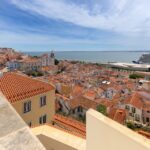
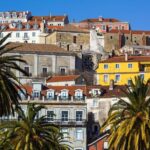
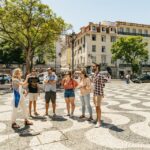
Marquês de Pombal Start: Getting Oriented Fast
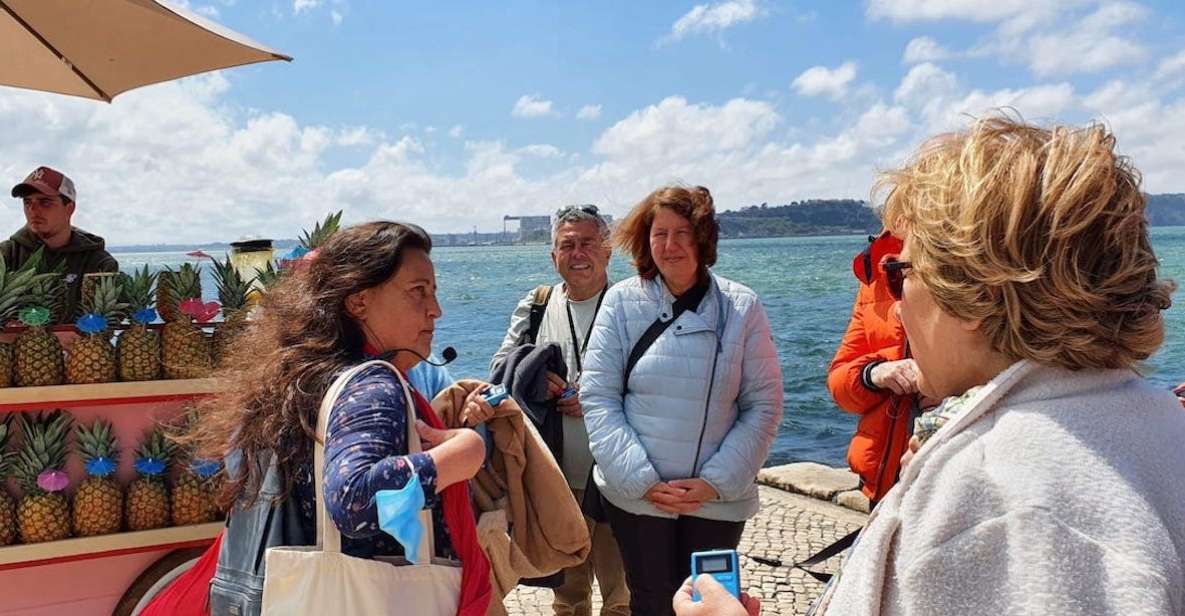
The tour begins at Praça Marquês de Pombal, specifically in front of Café A Padaria Portuguesa (Praça Marquês de Pombal 12). This is a smart start point because it’s a “big picture” location. It’s also where you can quickly get your bearings before the route narrows into older neighborhoods and tighter streets.
Right away, the story points you toward the wartime backdrop of the Hotel Aviz, once known as a notable establishment in the capital. Even if you’ve never heard of it, the tour uses that kind of detail to anchor the discussion in place: Lisbon wasn’t just background to WWII; it was part of the machinery of the era.
If you like historical context that sticks, this is a good match. The guide’s approach includes supplemental materials, which matters because spy stories and refugee timelines can blur unless someone helps you sort them.
Parque Eduardo VII Photo Stop: A View That Changes How You Walk
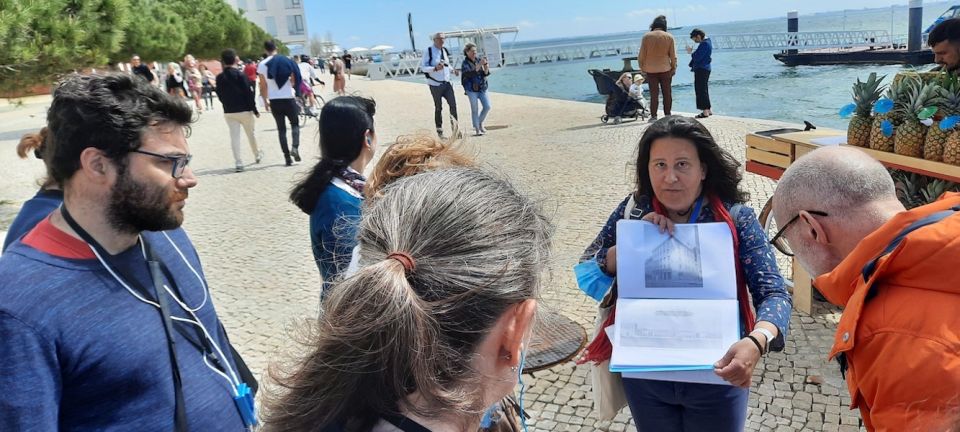
From Praça Marquês de Pombal, you reach Parque Eduardo VII for a photo stop and a guided segment of about 15 minutes. This break is more than for pictures. You get a chance to look at the city’s layout and understand how different areas connect—useful when the tour starts linking streets to wartime movements.
In a tour like this, the terrain matters. When you know where you are in relation to bigger routes and central squares, the later stops feel less like random sightseeing and more like a deliberate walk through “where people went” and “where information traveled.”
Avenida da Liberdade: Big Streets, Small Secrets
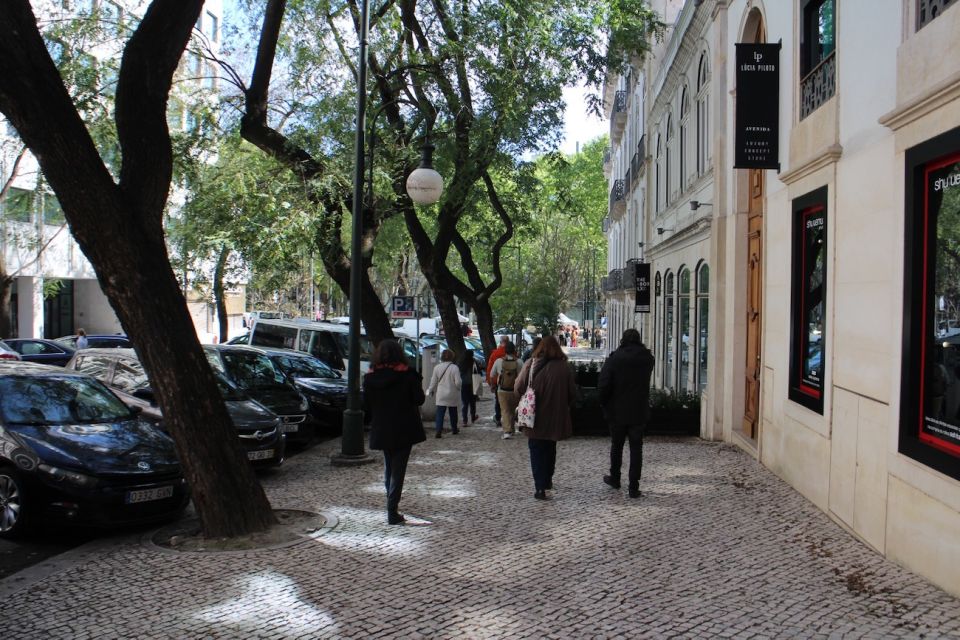
Next comes Avenida da Liberdade, where you’ll spend about 20 minutes on the guided part. This stretch helps you understand the contrast between Lisbon’s official public face and the private tension that ran underneath it.
Here’s what makes the route interesting: the tour connects international espionage to everyday life. British, German, and American spies traversed Lisbon and its surroundings, and the political police kept a close eye. That means conversations in plain sight could still be dangerous, and even social spaces could carry risk.
So when you walk Avenida da Liberdade, you’re not just looking at architecture. You’re seeing why the city’s openness was a magnet for intelligence work. Neutrality didn’t mean calm; it meant complicated.
Restauradores Square: Refugees, Rumors, and Watchful Power
At Restauradores Square, you get around 15 minutes of guided explanation. This stop is built for story-telling. The tour connects the refugee experience to the city’s social infrastructure—pensions and compassionate aid organizations offering support to people trying to survive in a foreign land.
And then comes the other half of the tension: monitoring. Lisbon’s political police watched closely, and that pressure created an atmosphere where fear could sit right beside hope. The tour’s job is to show you how that atmosphere shaped daily choices, from who you spoke to and where you waited, to where you could plausibly gather news.
If you’re the type of traveler who likes “why” more than “what,” this segment tends to land well.

Baixa de Lisboa and Chiado: Where Wartime Life Felt Close
The walk moves into Baixa de Lisboa for a shorter guided stop (about 10 minutes), then continues on to Chiado (about 15 minutes). This pair of neighborhoods is where the tour’s theme really turns practical.
In the wartime narrative, Baixa and Chiado feel like natural places for refuge stories to show up. People needed lodging, help finding information, and places where they could hear what was happening without drawing too much attention. The tour points out how Lisbon functioned as both a waiting room and what’s described as a sad paradise for refugees—hopeful on the surface, heavy underneath.
Cafés as “information rooms”
You’ll also visit historic café spaces in the story: Café Chave d’Ouro and Pastelaria Suiça. These stops help you picture how wartime news could be both exciting and frightening at the same time. If spies from opposing sides were in the mix, then even a routine chat could become part of a larger game.
You don’t have to be a WWII expert to get it. The guide ties names and events to what you’re seeing, so the city streets become part of the plot rather than a lecture hall.
Praça Dom Pedro IV: The Public Square Meets the Private Fear
Praça Dom Pedro IV gets about 15 minutes. This is one of those urban stages where many kinds of life overlap in one place—exactly the kind of setting where the “public story” and “secret story” can collide.
The tour uses squares like this to explain the looming threat of an Axis invasion and how Lisbon planned for protection of important buildings. That matters because it changes your understanding of the city’s priorities. It wasn’t only about moving people; it was also about preserving key landmarks if the worst happened.
Finishing at Cais do Sodré: From Waiting to Departure
The tour ends at Cais do Sodré, near the river. This ending choice makes narrative sense. If you’ve been hearing about refugees waiting for visas and the hope of leaving, finishing near the waterfront feels like a natural click in your brain.
From here, you’re within walking distance of Time Out Market, which gives you an easy option for a snack or light meal after the tour. That’s not just convenience—it’s practical pacing. After three hours of dense history, you’ll likely want a change of rhythm.
Also, the riverfront area tends to make it easier to stretch your legs and reset. You end with movement rather than immediately being stuck in your next commitment.
Price and Timing: What $170 Gives You
This tour is priced at $170 per group up to 6 people, and it runs about 3 hours. The experience is described as small-group as well, capped at 12 people, with a private-group format. Translation: you’ll have enough people to feel lively, but not so many that questions get ignored.
Value-wise, I like that you’re paying for interpretation, not just route coverage. The themes—refugees, neutrality under Salazar, espionage, and surveillance—can turn abstract fast if the guide can’t connect details to place. Leonor Abrantes’ use of supplemental materials helps with exactly that, and the feedback on her preparation is a consistent selling point.
One practical consideration: the tour takes place rain or shine. In Lisbon, that can mean quick changes in comfort. Wear shoes you trust, and plan to stay flexible.
Who This Tour Suits Best
This walking tour fits well if you want history you can see with your eyes. It’s ideal for:
- WWII and espionage fans who like city-based storytelling
- travelers who enjoy connecting names, dates, and policies to everyday spaces
- people who prefer walking with guidance rather than reading from a screen
It’s also a good choice if you’ve already seen Lisbon’s major viewpoints and want a different lens. This isn’t just architecture. It’s how politics, fear, and hope shaped how people moved through the city.
A note on mobility
The information you’re given includes wheelchair accessibility, but it also says it’s not suitable for people with mobility impairments. If mobility is a concern for you, I’d treat that as a “confirm before booking” signal and ask the provider for clarity on the walking surfaces and route demands.
A Simple Plan to Make the Most of It
You’ll get the best payoff if you treat the tour like a guided “map of the mind.” A few tips that help:
- Arrive a bit early at Café A Padaria Portuguesa so you’re not rushing at the start near Praça Marquês de Pombal.
- Expect walking throughout; the route hits multiple squares and neighborhoods without long downtime.
- Since food and drinks aren’t included, plan for a café stop after the tour rather than during it. Your end point near Cais do Sodré makes that easy.
If you like asking questions, this is also a tour where questions make sense. The themes touch policy, human movement, and intelligence work, so you’ll likely find the answers attach to something you just saw.
Should You Book Lisbon in the Shadows of World War II?
I think this is worth booking if you want Lisbon through a specific WWII lens. The combination of refugees, espionage, and the watching role of Portuguese political police gives the walk a clear point of view. Add in the structured stops—from Parque Eduardo VII and Avenida da Liberdade through Baixa, Chiado, and Praça Dom Pedro IV—and you get a route that feels like a story, not a checklist.
If you’re looking for a light, scenic walk with minimal political context, this may feel heavier than you want. But if you’re okay with tension and big historical themes turned into street-level detail, you’ll likely come away with Lisbon feeling more human—and more complicated—in the best way.
FAQ
How long is the Lisbon in the Shadows of World War II walking tour?
The tour lasts 3 hours.
Where does the tour start?
You meet in front of Café A Padaria Portuguesa at Praça Marquês de Pombal 12.
Where does the tour end?
The tour finishes at Cais do Sodré.
What languages is the guide available in?
The live tour guide offers English and German.
What does the tour cost?
It costs $170 per group, up to 6 people.
Is this a private tour or a shared group?
It’s listed as a private group, and it’s also described as a small group (up to 12 people).
Are food and drinks included?
No. Food and drinks are not included.
Is hotel pickup or drop-off included?
No. Hotel pickup and drop-off are not included.
Will the tour run in bad weather?
Yes. It will take place rain or shine.
What are the cancellation and payment options?
You can cancel up to 24 hours in advance for a full refund. You can also reserve now & pay later, meaning you can book without paying today.