REVIEW · SINTRA DAY TRIPS
PRIVATE Unforgettable Full Day Tour to Sintra from Lisbon
Book on Viator →Operated by Window to Lisboa Van Tours · Bookable on Viator
Sintra feels like a fantasy film, but it also needs good planning. This private full-day outing from Lisbon strings together the big sights and the Atlantic viewpoints, with pre-booked entry to help you dodge the worst lines. I also like that the day is built around your pace, not a rigid “one size fits all” route.
My favorite parts are how much ground you cover without feeling rushed, and how smoothly your guide can steer you through Sintra’s traffic and steep lanes. The one consideration: you’ll still pay separate site entrance fees on top of the tour price, and the day includes plenty of walking—especially at Pena and Quinta da Regaleira.
In This Review
- Key things that make this Sintra day work
- The big idea: turning Sintra chaos into a smooth day
- Lisbon pickup and the van comfort you’ll actually notice
- Queluz Royal Palace: the warm-up that sets the mood
- Biester Palace: a shorter stop with a modern feel
- Castelo dos Mouros: the castle with the long shadow
- Pena Palace and gardens: the star, but plan your time
- Quinta da Regaleira: romantic gardens plus underground mysteries
- Monserrate, plus the short scenic breaks that save the day
- The price: what you’re really paying for
- The guide factor: why António keeps showing up in the details
- What to pack and how to pace your day
- Should you book this private Sintra full day tour?
Key things that make this Sintra day work

- Pre-booked tickets to reduce waiting at key monuments
- Private, flexible pacing so you can slow down for gardens and viewpoints
- A well-timed mix of castles, palaces, and coastal stops
- Cascais-area coastline stops like Azenhas do Mar and Cabo da Roca
- UNESCO stops across Sintra’s historic core and cultural landscape areas
- English-speaking guide with door-to-door hotel pickup in Lisbon
The big idea: turning Sintra chaos into a smooth day
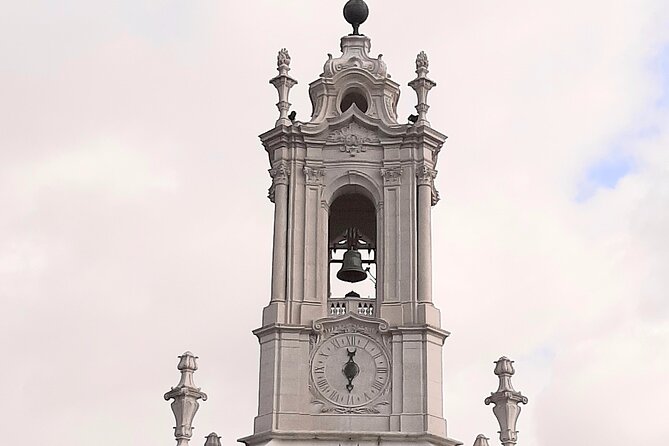
Sintra is famous for its palaces, but it’s also a place where crowds, traffic, and elevation can throw off your whole plan. What I like about this tour style is that it treats Sintra like a real logistics puzzle and handles it for you: hotel pickup, then a sensible sequence that keeps you moving through the area without losing half your day to getting oriented.
You’ll also notice the itinerary balances “must-sees” with shorter scenic breaks. That matters, because Sintra can feel exhausting if you try to do everything alone back-to-back. Here, you get longer palace-and-castle time where it counts, and quick coastal stops where you can breathe and look out over the Atlantic.
Private also changes the vibe. You’re not trapped behind people who don’t understand stairs, and you’re not stuck waiting for a slow group to finish every photo. Most importantly, your guide can adjust timing to how you’re feeling—something that comes up again and again with this operator and its guide, António, who runs the show.
You can also read our reviews of more private tours in Lisbon



Lisbon pickup and the van comfort you’ll actually notice
This day starts in Lisbon with pickup from your accommodation. The exact start time is flexible, and the general pickup window runs Monday through Saturday from about 8:30 AM to 9:30 AM. That flexibility is a real advantage, especially if your hotel is near a parking-challenging street or if you want an earlier start to beat some crowds.
The tour is private, so only your group rides in the van. That usually means fewer coordination issues and more time where you want it. You also get bottled water included, which sounds small until you’re climbing hills under a hot sun.
One practical tip: Sintra days can switch from “comfortable” to “wet and slippery” fast. Dress in layers, and bring something rain-friendly even if the forecast looks decent. Your comfort will directly affect how much you enjoy the palaces and viewpoints later.
Queluz Royal Palace: the warm-up that sets the mood
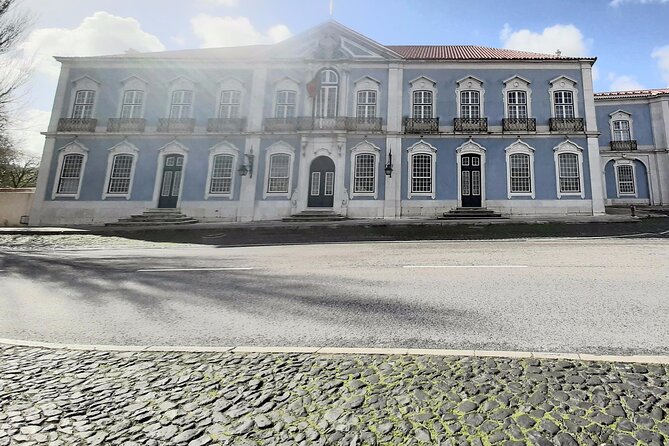
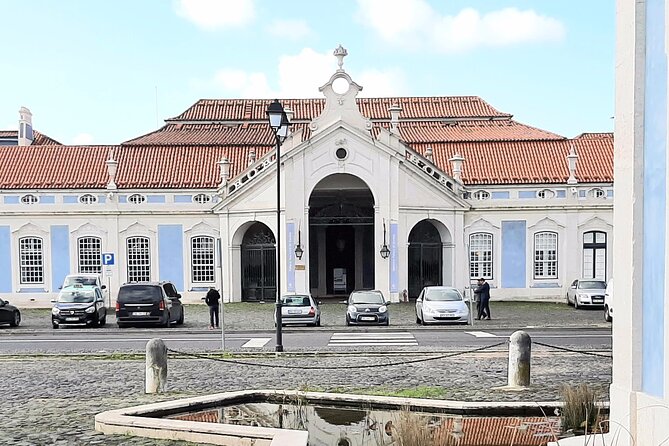
Most first-time visitors think of Sintra as all fantasy castles and dramatic towers. Queluz Royal Palace reminds you Sintra also has a refined, courtly side. You’ll spend about 1.5 hours here, long enough to see the interior properly and still enjoy the gardens.
This palace was built between 1747 and 1760 as a royal residence, often nicknamed the Versailles of Portugal. It wasn’t just a home—it was a stage for entertainment: concerts, bullfights, and fireworks around religious holidays and special events. Today, it still functions for concerts and receptions, and it’s also tied to the Portuguese School of Equestrian Art.
What I like about starting here is that it helps you “read” Sintra before you hit the big-ticket wow stops. You’ll understand the style and taste that shaped the area, so Pena and Regaleira feel like a continuation instead of a total shock to the system.
Drawback to consider: the garden time depends on how your pacing matches the group rhythm. If you want to linger outdoors, say so early so your guide can protect that time.
Biester Palace: a shorter stop with a modern feel
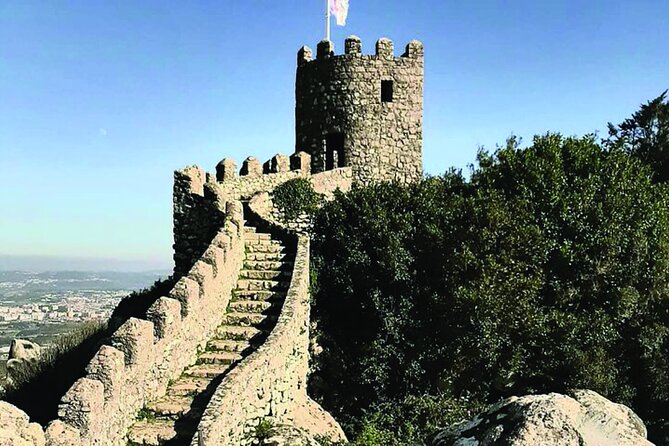
After Queluz, you’ll continue to Palácio e Parque Biester. This one is a brisk stop at around 45 minutes, and it has the advantage of being recently restored and open since 2023.
Why it’s worth squeezing in: it adds another layer to the “palace and park” story without eating your whole day. Sintra’s big palaces can feel like a lot—Biester helps break that up, and it gives you a different atmosphere than the more famous sites.
Because your time here is shorter, the main thing you’ll want to watch is timing. If you arrive and the day already feels late, don’t panic—just focus on the parts that matter most to you, and let your guide know what you want to prioritize.
Castelo dos Mouros: the castle with the long shadow
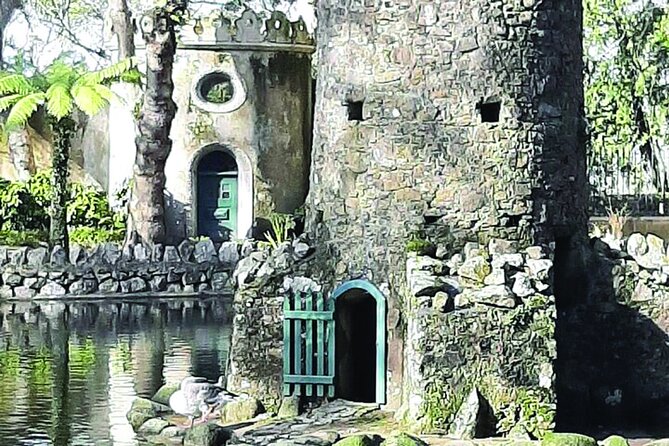
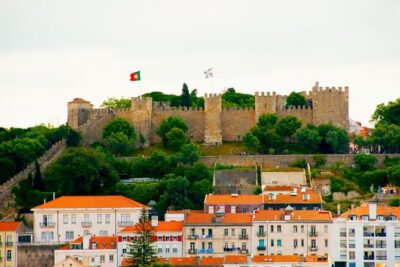
Then comes a major historical pivot: Castelo dos Mouros. This is one of those Sintra stops that makes the “fairytale palaces” part feel deeper, because you’re walking through a site shaped by many eras.
The area has evidence of human occupation going back to Neolithic communities, with later layers including a village around 1200 BC. Much later, Islamic rule begins in the Iberian Peninsula, and in the 10th century the castle is founded under the caliphate of Córdoba. The castle changes hands again in 1147 and continues through Sintra’s royal history.
The modern visitor connection is simple: the castle is steeped in history, and the views from it help you understand why this location mattered. Your time here is about an hour, and with excellent viewpoints, even people who don’t care about every stone can enjoy the panorama.
Cost note: the entrance fee is separate (listed as €12 per person). It’s still a worthwhile add-on because it’s not just architecture—it’s vantage points and the sense of place.
You can also read our reviews of more tours and experiences in Lisbon






Pena Palace and gardens: the star, but plan your time
Pena is the headline. You’ll get about 2 hours for Park and National Palace of Pena, with an option to visit only the gardens if you want to reduce pressure on your legs. If you’re choosing between palace vs gardens, remember that Pena’s gardens still feel like a full experience—lots of pathways, viewpoints, and sculptural details.
Built after 1840 by Queen Maria II as a wedding gift for her husband, King Ferdinand II, Pena Palace rises from the ruins of a 15th-century convent. The German architect Ludwig von Eschwege shaped much of what you’ll see today. It’s protected as part of UNESCO’s World Heritage designation for Sintra’s historic center.
What makes Pena special beyond the postcard looks is how it feels like a design statement. Everything—color, shape, and placement—looks intentional. It’s also one of the best places in Sintra to understand why people describe the town as otherworldly.
Drawback to consider: this is the stop where time and walking pile up fastest. If you’re not used to hills, pace yourself from the start. Your guide can steer you through so you’re not climbing more than you need.
Quinta da Regaleira: romantic gardens plus underground mysteries
Next up is Quinta da Regaleira, one of the most atmospheric places in the Sintra complex. You’ll spend around 2 hours here, and it’s easy to lose track of time because the property is basically a whole world: palace and chapel in romantic style, plus a park with lakes, caves, wells, and fountains.
This estate was a private residence before it became public in 1997. The Italian architect Luigi Manini played a major role in transforming it into the site you see today. The scale is part of the magic: you’re not just looking at a building; you’re walking through designed scenery where formal gardens meet wilder woods.
Two details I think are worth knowing before you arrive:
- The grounds include underground tunnels and two large wells.
- Those wells were once supposedly used in esoteric initiation ceremonies.
You don’t have to care about the legends to enjoy the mood. The point is that Regaleira is built for curiosity, and your visit turns into exploration.
Entrance fee is separate (listed as €15 per person). If you want the most “value” out of the ticket, slow down and don’t treat it like a quick stop for photos.
Monserrate, plus the short scenic breaks that save the day

After Regaleira, you’ll go to Parque e Palacio de Monserrate. Time here is about 45 minutes. It’s another palace-and-garden stop, but Monserrate’s appeal is the gardens: the kind of place where you feel the air cool down and your brain catches up.
Then the itinerary shifts toward the coastline side of Sintra-Cascais:
- Azenhas do Mar for about 15 minutes, mostly about the landscape.
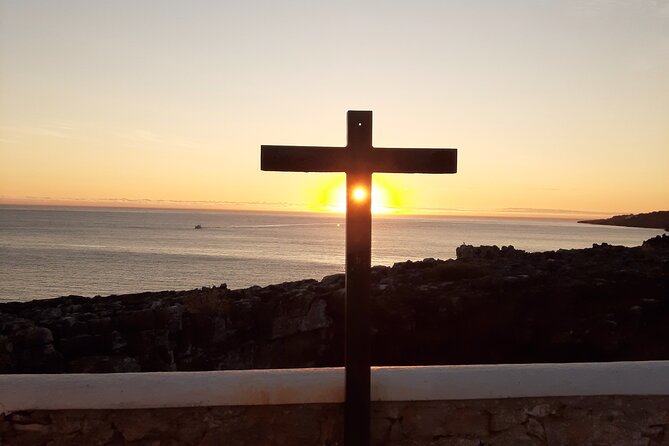
- Farol do Cabo da Roca for about 15 minutes, where you’re at the westernmost point of mainland Portugal and the westernmost cape of continental Europe.
- Santuario da Peninha for about 15 minutes, a viewpoint stop.
Cabo da Roca is particularly cool because it isn’t just dramatic—it’s specific. It sits in the Sintra-Cascais Natural Park, and the promontory drops toward the Atlantic Ocean. A stone marker and plaque mark the place for visitors. The site also has a lighthouse (Farol do Cabo da Roca), and on Sundays there’s a tradition of motorcyclist groups showing up.
These shorter stops are where the day breathes. If you do Sintra solo, you often skip the coastline because it costs time and feels like a detour. On this tour, it’s part of the plan.
The price: what you’re really paying for
At $180.27 per person, the tour price is the transportation plus the guiding and the time management that makes Sintra doable in one long day. What you’ll still pay separately are the major entrances. The listed entrance fees are:
- National Palace of Queluz: €13
- Palácio Biester: €14
- Castelo dos Mouros: €12
- Park and National Palace of Pena: €20
- Quinta da Regaleira: €15
- Park and Palace Monserrate: €12
That totals €86 in entrance fees across the ticketed sites, while Cabo da Roca and the quick scenic stops like Azenhas do Mar and Peninha are free. Lunch is not included.
So is it good value? For most people, yes—because Sintra is one of those destinations where the “cheapest option” often costs you in time. Pre-booked entry helps you avoid the longest queues, and a private guide helps you avoid the common mistake of spending your day stuck in traffic or walking extra distance because you misunderstood where the best entrances are.
If you’re a strong self-planner who’s comfortable with steep walking and navigating buses and trains, you might recreate parts of this day. But if you want Sintra to feel like a guided experience instead of a stressful checklist, this package makes sense.
The guide factor: why António keeps showing up in the details
This is where the experience separates from the typical day trip. António is repeatedly described as prompt, flexible, and focused on making the plan fit you. In practical terms, that often means:
- He helps you move efficiently, including shortcuts to cut the most frustrating delays around Pena and Castelo.
- He checks in about your pace so you don’t get dragged through “must stop” spots at your weakest moment.
- He gives restaurant and food suggestions that are actually practical after long palace days.
You’ll also benefit from his calm approach if something changes. One reason Sintra days go sideways is weather or sudden closures. When that happens, a good guide doesn’t freeze—you still get a functional plan that protects your time and keeps the day enjoyable.
What to pack and how to pace your day
This route is packed, and you’ll do best if you think like a hiker for most of the day.
Bring:
- Comfortable walking shoes with good grip
- Layers (palaces and gardens can feel cooler than Lisbon streets)
- A light rain layer, just in case
- A small day bag for water and your phone
Pacing strategy:
- At Pena and Regaleira, plan to move slower than your instincts. The best parts are often the views and the corners you’d skip if you rushed.
- At the free coastline stops, don’t try to “beat the crowd” with every photo. Take one or two steady looks, then move on while you still have energy.
And if you get tired, say something early. This tour is designed for flexible timing, and you’ll enjoy it more when the day matches your body instead of fighting it.
Should you book this private Sintra full day tour?
Book it if:
- You want one stress-light day that covers the top Sintra sights plus the Atlantic side
- You hate lining up and would rather pay for pre-booked entry and a guide’s timing
- You’re traveling with family members who need a day that can flex in real time
Skip it or adjust your expectations if:
- You have limited mobility or want a very low-walking day. Sintra involves stairs and slopes.
- You’re trying to keep the overall cost near the tour price. The big palaces and castles add entrance fees on top.
If you’re aiming for the classic Sintra experience without the common navigation headaches, this is a strong choice. The private format, the entry strategy, and the smart mix of palaces and coastline add up to a day that feels full but not chaotic.