REVIEW · CONCERTS
Multicultural Lisbon Walk: Food Tastings, Stories & Live Music
Book on Viator →Bookable on Viator
Lisbon’s hills sound different at night. This 5–6 hour food-and-music walk follows the links between neighborhoods, identity, and everyday culture, from Martim Moniz up toward the best sunset points.
I especially like the mix of 3 included tastings (African, Brazilian, or Portuguese fusion) and the way your guide stitches them to migration and resistance stories instead of treating food like a quick souvenir stop. One thing to plan for: this is a lot of walking on stairways, so it can be tough if you’re not comfortable with hills.
In This Review
- Key things you’ll notice right away
- A tour built for Lisbon after 6:00 pm
- Value check: what you get for about $82
- Stop 1: Praça Martim Moniz, then right into the story
- Stop 2: Castelo, Alfama and Mouraria—street art, hidden lanes, and possible live jamming
- The music element (and how to handle it)
- Dinner reality check
- Stop 3: Jardim da Cerca da Graça—slow down on purpose
- Stop 4: Miradouro da Senhora do Monte—the sunset climb
- Practical tip
- Stop 5: São Cristóvão at Dona Maria’s—African food plus live tunes
- Stop 6: Chapito—alternative bar energy and a puppetry mission
- Budget note
- The guides: Teddy and Andre, and why that matters
- Walking logistics that can make or break the night
- Who this tour fits best
- Should you book it
- FAQ
- How long is the multicultural Lisbon walk?
- What time does the tour start?
- Where do I meet the group?
- How much walking and climbing is involved?
- What food and drink are included?
- Is dinner included in the price?
- Is live music included?
Key things you’ll notice right away
- Food stops with context: each tasting connects to stories of movement, community, and survival
- Street art plus hidden corners: you get murals and lesser-seen lanes, not just main streets
- Golden hour viewpoint time: you’ll pause for sunset photos from Miradouro da Senhora do Monte
- Live music when it’s on: a local jam session or a music night may be added depending on the evening
- Small group feel (max 10): easier questions, slower pacing, more back-and-forth with the guide
A tour built for Lisbon after 6:00 pm
This walk starts at 6:00 pm from the Hotel Mundial Lisboa area, near Praça Martim Moniz (Avis Aluguer De Carros, Praça Martim Moniz 2B, 1100-341 Lisboa). You’ll be out roughly 5 to 6 hours, and the finish is in a different place than where you started—so plan for a short onward taxi/ride the moment you’re done.
The schedule is timed for evening light: you start in the city’s center, then work your way up. That matters because Lisbon at night is not just scenery. It’s where people actually eat, meet, sing, and pass stories along.
You can also read our reviews of more walking tours in Lisbon


Value check: what you get for about $82
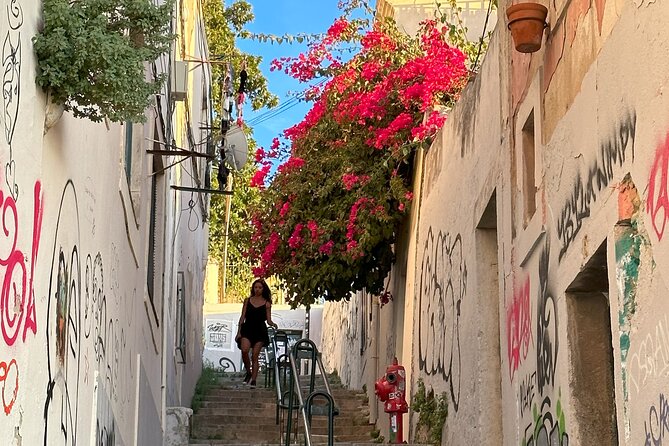
At $82.24 per person, the price is fair if you’re the type who likes guidance and “see it, then taste it.” You’re not paying for a single museum ticket. You’re paying for a local guide plus three tasting stops and one included drink (wine, local beer, or a non-alcoholic option).
Then there’s the bonus layer: live music may appear, street art is built into the route, and you get story-based connections across neighborhoods. Add the small group size (up to 10 people), and it feels more like a focused evening with a community insider than a big bus-style tour.
What’s not included: dinner is not part of the ticket price, and the Chapito stop has an admission fee that is not included.
Stop 1: Praça Martim Moniz, then right into the story
You begin at Praça Martim Moniz, one of Lisbon’s well-known squares. The early part of the walk is short—about 15 minutes—but it sets the tone: the guide frames the square through a multicultural lens, so you start seeing the city’s mix right away.
This matters because most sightseeing starts with “here’s the landmark.” This tour starts with “here’s how communities changed the place.” Even if you know Lisbon’s basics, you’ll likely pick up a different way to read the neighborhood.
Stop 2: Castelo, Alfama and Mouraria—street art, hidden lanes, and possible live jamming
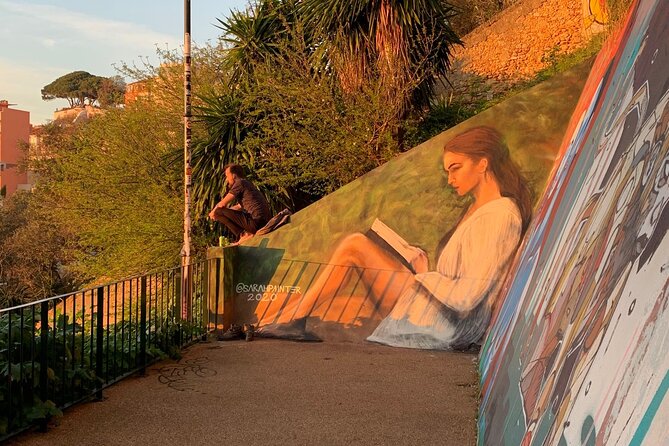
After the square, you climb into the Castelo/Alfama/Mouraria area for about 2 hours. This is the core of the experience: you’ll move through Mouraria’s multicultural side, see street art and hidden murals, and hear stories about migration, resistance, and identity.
A strong part of this section is that it’s not only visual. The route includes small detours into lesser-seen buildings and “secrets” of the area—those are the kinds of details that usually get missed if you’re just walking with a map.
The music element (and how to handle it)
The plan includes a chance to hear jazz or samba elements through local jam sessions in the neighborhood. Whether that’s right on the route depends on what’s happening that night, but the structure is there so you’re not just waiting for an unpredictable event. If live music does happen, it tends to feel more like Lisbon’s daily soundtrack than a staged performance.
You can also read our reviews of more food & drink experiences in Lisbon





Dinner reality check
There’s time built in for dinner at an African family restaurant. Just know it’s not included in the tour price, so you’ll want to budget for your meal if you plan to eat with the group.
Stop 3: Jardim da Cerca da Graça—slow down on purpose
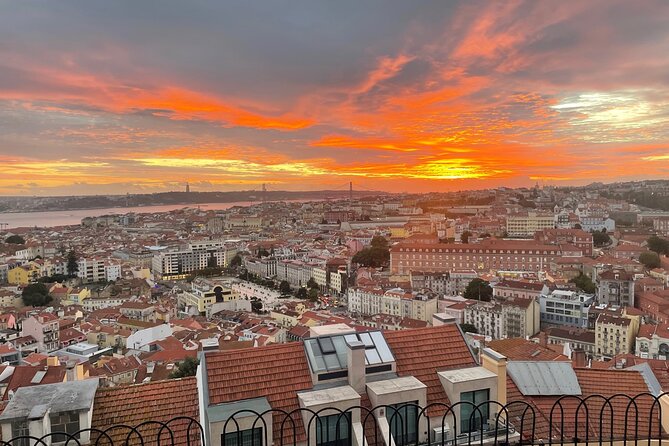
Next comes Jardim Da Cerca Da Graça, about 20 minutes. This is a break spot, but not a “stand here and wait” break. You’ll take a mindful moment and relate to the city and each other before heading to the next viewpoint.
I like this stop because it breaks the walking rhythm. Lisbon hills can blur together, and a pause helps you process what you just learned—food stories, neighborhood history, and the movement of people across borders.
Stop 4: Miradouro da Senhora do Monte—the sunset climb

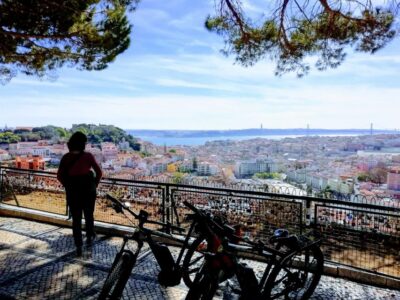
Now for the part that tests your shoes. Miradouro da Senhora do Monte is one of Lisbon’s high hilltop viewpoints, and you’ll go up and down stairs along the way. The tour specifically calls for moderate physical condition because of this walking and stair work.
This is where the evening turns cinematic. You’ll enjoy a sunset view from Lisbon’s highest hilltop. If you care about photos, this is the moment to be patient—views take a few minutes to frame the way you want.
Practical tip
Wear comfortable footwear. You’ll thank yourself on the stair sections, especially if it’s busy or the pavement is uneven at dusk.
Stop 5: São Cristóvão at Dona Maria’s—African food plus live tunes
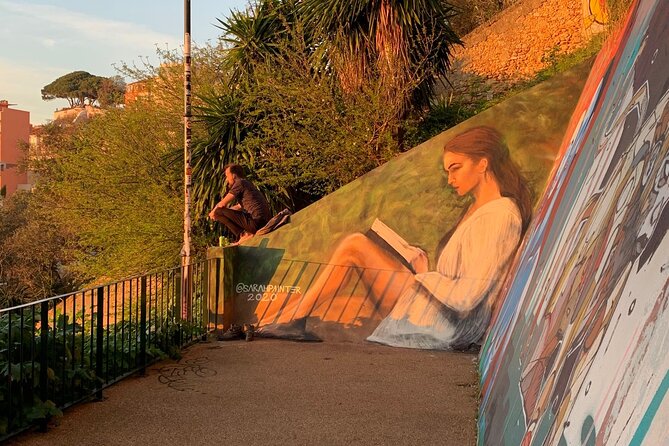
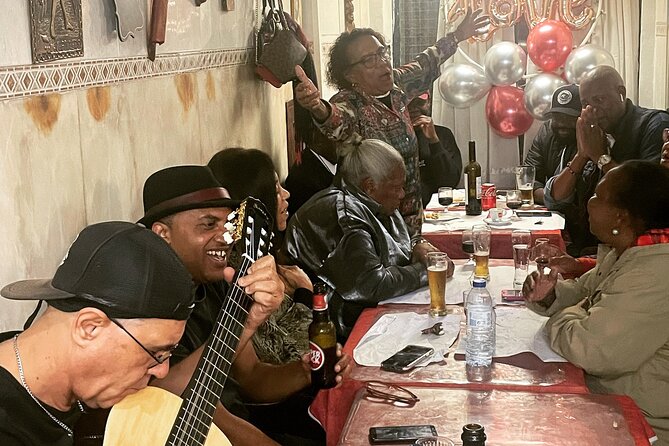
Stop 5 is São Cristóvão, centered on one of Lisbon’s older restaurant addresses. You’ll have an African dish here for about an hour, and the standout detail is the person behind the place: Dona Maria has been running her business for over 45 years.
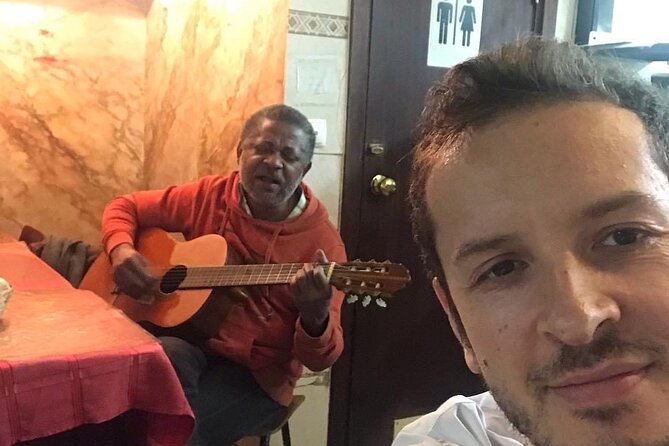
On many evenings, live music is part of the rhythm. The guide notes that Dona Maria’s brother often plays music, entertaining guests with African tunes. Even when the music timing varies, this is still one of the most grounded meal stops on the route, because the evening is built around community food rather than a quick bite in a tourist zone.
This stop also aligns with the tour’s included tastings. Think of it as a meal-and-story moment: you’re eating, and you’re also learning how the neighborhood connects to wider cultural patterns.
Stop 6: Chapito—alternative bar energy and a puppetry mission

Depending on the night of the week, you may go to Chapito for about an hour. This is an emblematic alternative bar in Lisbon that has been around since the early 1990s. The place is known for live music that can range from samba to world beats.
But Chapito isn’t only a nightlife venue. It’s also linked to a puppeteer school that works with homeless people, supporting skill enhancement and helping with social integration. That means your “hang out and listen” time carries an extra layer of purpose.
Budget note
Chapito’s admission ticket is not included. If you want the full experience, plan to cover that entrance fee separately.
The guides: Teddy and Andre, and why that matters
The tour runs with a local guide tied to community storytelling. The primary guide can be Teddy, the founder of Soul Dreamers, with trained collaborators supporting the group.
In the feedback, Teddy and other guides get singled out for how they handle questions and keep the night moving. One guide mentioned by name in the experience notes is Andre, praised for delivering a great evening and making it feel personal.
What you want from a tour like this is not just facts. You want a guide who can explain why the neighborhoods look the way they do, why music shows up where it does, and how food and identity connect without turning it into a lecture.
That’s the strength here: the stories are integrated into what you’re seeing and tasting.
Walking logistics that can make or break the night
This isn’t a “sit on a bench, then take photos” tour. You should expect a fair amount of walking, including stair sections around Graca and while reaching sunset viewpoints.
If you have knee issues or hate stairs, consider skipping this or arriving with a conservative plan. If you’re fine on moderate hills, you’ll probably find the pacing manageable, especially with built-in stops: square, neighborhood walk, garden pause, sunset viewpoint time, and then food/music blocks.
Also, it’s a good-weather style experience. If the weather doesn’t cooperate, you’ll be offered another date or a full refund.
Who this tour fits best
This is a great match if you:
- like food tastings tied to real neighborhood context
- want street art and lived-in lanes, not only big sights
- enjoy listening for live music in the background of daily life
- prefer small group tours (max 10) where you can ask questions
It’s less ideal if you:
- don’t handle stairs well
- want dinner fully included in the price
- dislike that the Chapito stop depends on the night’s programming
Should you book it
Book it if you want Lisbon at night with more meaning than a standard checklist. The price works because you’re getting three tastings, an included drink, meaningful storytelling, and time for sunset views—plus music if the evening delivers it.
Skip it (or think twice) if you’re not comfortable with hills and stairs, or if you need everything budgeted with no add-ons. Chapito has an admission ticket not included, and dinner is also on your own tab.
If you’re aiming for a night that feels local—walking, tasting, listening, and learning as you go—this one is a strong pick.
FAQ
How long is the multicultural Lisbon walk?
It runs about 5 to 6 hours.
What time does the tour start?
The start time is 6:00 pm.
Where do I meet the group?
You meet at Avis Aluguer De Carros Hotel Mundial Lisboa, Praça Martim Moniz 2B (Praça Martim Moniz Nr), 1100-341 Lisboa, Portugal.
How much walking and climbing is involved?
Expect a fair bit of walking, including stair sections. The route requires moderate physical fitness, especially around the Graca hill and while going up and down stairs.
What food and drink are included?
You’ll get snacks from 3 local tastings (African, Brazilian, or Portuguese fusion) and 1 drink included (wine, local beer, or a non-alcoholic option).
Is dinner included in the price?
No. Dinner is not included, though dinner time is part of the evening plan.
Is live music included?
Live music may be included depending on the night. The tour includes a live jam session or music night when available, and Chapito can feature live music (samba to world beats). Sao Cristóvão is also described as typically having live music from Dona Maria’s brother.