REVIEW · LISBON WALKING TOURS
Lisbon Impressions – Walking Tour – Small Group
Book on GetYourGuide →Operated by ALMA Travel Lisbon · Bookable on GetYourGuide
Lisbon looks best when you walk it. On Lisbon Impressions, I like how guide Fien keeps things personal in a small group (max 8), steering you toward Lisbon’s quieter streets instead of only the postcard crowd. You start with context, then you move neighborhood by neighborhood until the city clicks.
I also love the pairing of street-level stories and real viewpoints. The walk includes time in Alfama’s maze of tiny lanes, plus hill stops where you can actually see why Lisbon is built the way it is. One consideration: this tour is hilly and the pace is moderate, so your shoes matter.
In This Review
- Key points I’d bet on
- Starting at Praça do Comércio: the quickest way to get your bearings
- Baixa de Lisboa and the Lisbon Earthquake explanation you can see
- Alfama’s maze: how to experience the real Lisbon vibe
- Castle Quarter: a short uphill push with big payoff
- Mouraria under the castle walls: the hilly mix that feels human
- Rossio station finish: your “starter pack” for food and getting around
- Small-group size and the Fien factor: why this tour feels different
- Moderate hills and comfortable shoes: don’t wing this part
- Value check: is $24 fair for 2.5 hours in four Lisbon neighborhoods?
- Who should book Lisbon Impressions?
- Should you book this tour?
- FAQ
- How long is the walking tour?
- How much does it cost?
- Where does the tour start?
- Where does the tour end?
- How many people are in the group?
- What languages are the tours offered in?
- Is the tour hilly?
- What should I wear?
- Is it suitable for kids?
- Is there free cancellation or a pay-later option?
Key points I’d bet on

- Small group size (8 max) makes it easier to ask questions and keep up on tight streets
- Fien’s style blends history with everyday detail, including in Mouraria
- Four neighborhoods with distinct character, from Baixa to hilltop corners
- Viewpoints and hills are built into the route, not tacked on at the end
- A local-focused finish at Rossio gives you a practical “starter pack” for food and getting around
Starting at Praça do Comércio: the quickest way to get your bearings

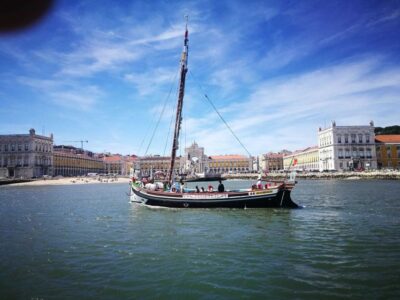
You meet in Praça do Comércio, right by the statue in the center of the square, on the side facing the Tagus River. That location is smart. It gives you a clean reference point before the route folds into streets that don’t look like anything you’ve seen in guidebooks.
I like that the tour doesn’t begin with random wandering. You get a real sense of Lisbon’s layout early, so the later hills feel less like chaos and more like a plan you can follow after the walk.
You can also read our reviews of more walking tours in Lisbon


Baixa de Lisboa and the Lisbon Earthquake explanation you can see
From the square, the tour moves into Baixa de Lisboa for a guided stop focused on the Lisbon Earthquake and why parts of this area look the way they do. This is one of those moments where history becomes practical: you’re not just hearing dates, you’re connecting them to architecture and street patterns you can physically recognize.
Even if you’ve read about the earthquake already, I think this framing helps. You’ll understand why certain sections feel more ordered compared to the older, tighter neighborhoods above. That contrast makes the next stops land harder.
A small drawback to keep in mind: this part is mostly a guided walk-and-talk phase, so if you’re hoping to spend most of the time taking photos, you may need to pause and capture shots during the quieter stretches.
Alfama’s maze: how to experience the real Lisbon vibe

Then comes Alfama, and the tour treats it like the heart of the story. You get a longer guided segment here, focused on the neighborhood’s authentic feel—tiny streets, close buildings, and that classic Lisbon “how did they fit all this here” feeling.
The best part is that you don’t just skim the popular edges. You spend enough time in Alfama to feel like you’re moving through a living neighborhood, not a theme park. I like how the guide encourages you to relax into the maze, because Alfama isn’t something you conquer in a straight line.
If you want one takeaway, it’s this: you’ll start to understand why people talk about getting lost in Alfama. The streets twist for a reason, and the view opportunities make sense once you’re in the flow.
Castle Quarter: a short uphill push with big payoff
After Alfama, you head to the Castle Quarter area for a brief stop and a bit of history. It’s a quick segment, but the timing works because you’re already in the “older Lisbon” mood.
This is also where the tour leans into the hilltop side of the city. You’ll get time for a viewpoint moment—enough to see the shape of Lisbon and the way neighborhoods stack against each other. Even with just a little time, it changes how you understand the city from street level.
If you’re sensitive to steep stretches, take this in stride. The tour is described as moderate, not a tough trek, but it is still uphill and still the kind of walking where steady foot placement helps.
Mouraria under the castle walls: the hilly mix that feels human
Next is Mouraria, a hilly jumble of streets directly below the castle walls. What I like here is the guide’s focus on atmosphere and community rather than only monuments. Mouraria is described as a melting pot where 50 different nationalities live—so the streets feel like a blend of languages, rhythms, and daily life.
The tour keeps a chilled, fun tone here. It’s not a rushed checklist, and you’ll feel more like a traveler among residents than a visitor sprinting for the next photo.
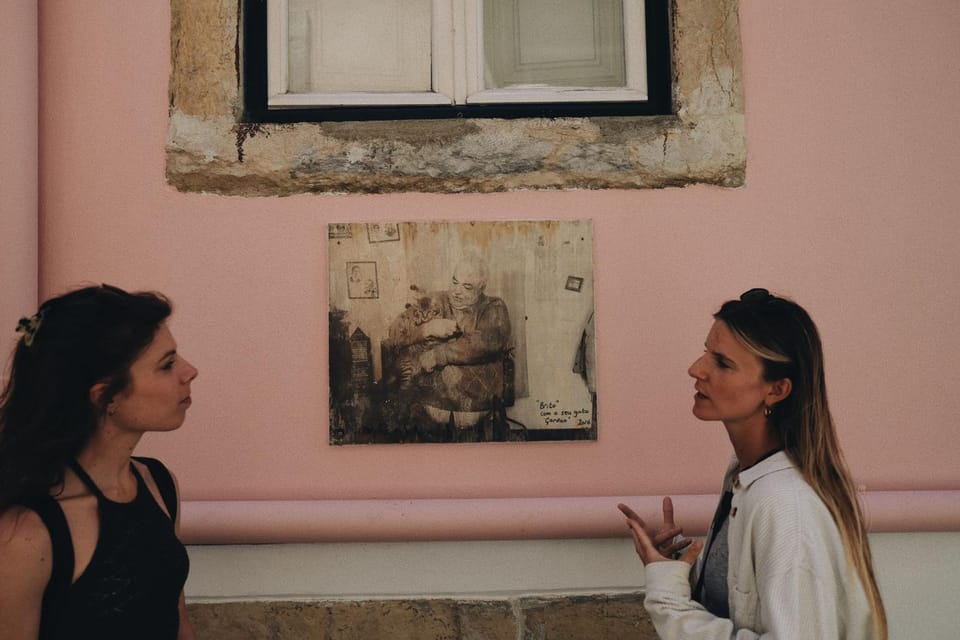
One standout detail from what I’ve seen the guide bring to this area: Fien has a warm, personal approach with locals. That kind of respectful energy matters in a neighborhood like this, because it helps you notice the human scale instead of just the scenery.




Rossio station finish: your “starter pack” for food and getting around

You end at Rossio station, with a short visit window before the walk wraps up. This finish is practical, and I appreciate it. You don’t just leave with directions on how to get home; you leave with a small set of guidance on where to eat and drink and how to navigate Lisbon without automatically drifting into the most mass-visited options.
This kind of local briefing is worth real money. It saves you time later, especially on your first day when decisions feel harder than you expect. If you want to feel more confident immediately after the walk, this ending does the job.
Just be aware of the route’s logic: you’ll finish near central transport. That makes it easier to move on, but it can also mean you’ll want to take a short pause afterward to catch your breath and regroup.
Small-group size and the Fien factor: why this tour feels different

This tour is limited to 8 participants, and that small number changes everything. On tight corners and in narrow streets, groups that are too big start to feel like a moving wall. Here, you can actually hear explanations and keep track of where you are.
I also like the guide setup: English and Dutch are offered, and Fien brings a blend of history and contemporary context. That matters in Lisbon, where the city’s layers are always in conversation—old streets, modern life, and community details that never make it into the shortest guidebook summaries.
From my perspective, the “traveler-to-traveler vibe” is the key. The walk is chilled and fun, but it’s also structured enough that you don’t end up doing aimless walking while everyone else pretends they know where they’re going.
Moderate hills and comfortable shoes: don’t wing this part
This experience is hilly, with a moderate activity level. The route is designed for walking, not for comfort sandals and perfect balance.
I’d treat shoe choice as part of your planning. The tour specifically suggests comfortable shoes with good grip, and I agree. Lisbon’s streets can be uneven, and when you’re focused on viewpoints and alley stories, you don’t want your feet thinking about traction.
Also, keep expectations realistic. You’re getting a lot of neighborhoods into a 2.5-hour format, which means you won’t have long rests between areas. Plan to drink water when you get chances, and go slow on the uphill sections.
Value check: is $24 fair for 2.5 hours in four Lisbon neighborhoods?
At $24 per person for about 2.5 hours, I think the pricing is solid—especially because you’re not just paying for movement. You’re paying for a guide who connects architecture, neighborhood feel, and practical orientation at the end.
You also get a real small-group benefit. With max 8 participants, you’re more likely to get personal attention and quick clarification when something doesn’t make sense. That’s hard to replicate with a big-bus style tour.
The best value here is the combination of:
- time in Alfama and Mouraria (areas that many visitors only skim)
- viewpoint moments tied to the hill geography
- a wrap-up that helps you plan next steps—where to go for food and how to navigate without drifting into the most obvious tourist loops
If you’re only looking for a photo walk with zero talk, you might feel the guide segments are “too guided.” But if you want Lisbon to make sense while you’re actually in it, the price-to-experience ratio works.
Who should book Lisbon Impressions?
This tour is a great fit if you want an authentic, local-feeling walk and you prefer smaller groups. I’d especially recommend it if you’re visiting Lisbon for the first time and you want an organized start across multiple neighborhoods without spending your day deciphering maps.
It may be less ideal if you:
- need a flat walking route (this one is hilly)
- travel with very young kids (it’s not suitable for children under 6)
- want a purely relaxing walk with long stop times (this is structured and “moderate,” not a slow stroll)
If you like chatting with guides, learning why places look the way they do, and getting practical advice to avoid tourist traps later, you’ll match the vibe well.
Should you book this tour?
If you’re choosing between a big, crowded orientation tour and something more human, I’d lean toward Lisbon Impressions. The route covers the neighborhoods that make Lisbon feel like Lisbon—Baixa, Alfama, Castle Quarter, and Mouraria—and you end with guidance that helps you keep enjoying the city after the walk.
I’d book it if you can handle hills and you like learning while you walk. It’s one of the smarter ways to get your bearings fast and feel more at home in Lisbon by the time you reach Rossio.
FAQ
How long is the walking tour?
It lasts about 2.5 hours.
How much does it cost?
The price is $24 per person.
Where does the tour start?
You meet at Praça do Comércio, at the statue in the middle of the square, on the side facing the Tagus River.
Where does the tour end?
It finishes at Rossio station, and the activity is also described as ending back at the meeting point in Praça do Comércio. Check the confirmation you receive for the exact end point.
How many people are in the group?
The group is limited to 8 participants.
What languages are the tours offered in?
The tour guide offers English and Dutch.
Is the tour hilly?
Yes. The walk is hilly, with a moderate activity level.
What should I wear?
Wear comfortable shoes with good grip, since the route includes hills and uneven walking.
Is it suitable for kids?
It is not suitable for children under 6 years old.
Is there free cancellation or a pay-later option?
There is free cancellation up to 24 hours in advance for a full refund, and you can reserve now and pay later.