REVIEW · EVENING EXPERIENCES
Lisbon by Night: Guided Walking Tour – The Unholy Secrets
Book on GetYourGuide →Operated by Shadowing Tours · Bookable on GetYourGuide
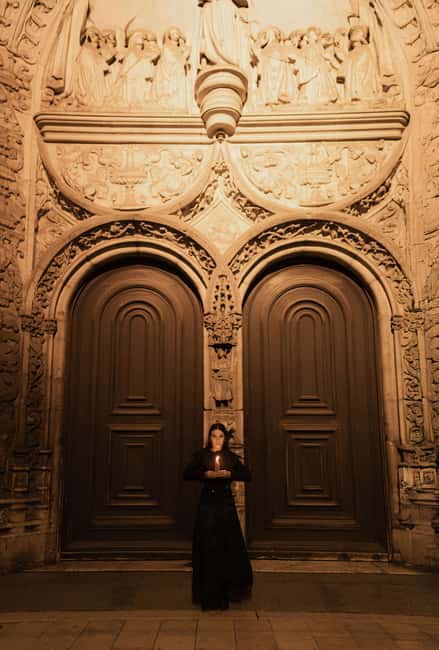
Lisbon turns spookier after sunset, and this walk leans into it. You get a guided night stroll through the historic center where each street corner is treated like a clue, not just scenery, with theatrical storytelling driving the whole experience.
Two things I especially like: first, the way the tour connects major events to real places you can still picture today, from Inquisition-era fear to prison stories like Aljube. Second, the guides bring serious performance energy—Maria, Clara, Andreia, and Amanda are all named in bookings—so the history lands with personality, not just dates.
One consideration: this is a walking tour with uphill moments and uneven streets, and it’s not suitable for mobility impairments or wheelchair users. If rain and wind show up, you’ll be outside the whole time, so comfortable shoes and a rain plan matter.
In This Review
- Key things to know before you go
- Price for a Night Walk: Is $23 Good Value?
- Meeting in Rossio Square: Find Joalharia Ferreira Marques and Your Lantern
- Rossio to Baixa de Lisboa: Turning Main Streets into Darker Clues
- Into Alfama: Narrow Lanes for Medieval Streets and Aftershocks
- Inquisition, Aljube, and the 1506 New Christian Massacre
- How the Guides Make It Work: Maria, Clara, Andreia, Amanda, and More
- Pace, Hills, and Rain: Logistics That Affect Your Comfort
- Who Should Book This and Who Should Skip It?
- Should You Book Lisbon by Night: The Unholy Secrets?
- FAQ
- How long is the Lisbon by Night: Guided Walking Tour – The Unholy Secrets?
- Where do I meet the guide?
- What route does the tour follow?
- Is the tour offered in English?
- What’s included in the price?
- Are monument entrance tickets included?
- What should I bring?
- Is it accessible for wheelchair users?
Key things to know before you go
- Lantern-led meeting in Rossio Square so you can spot your guide fast
- 105 minutes of guided walking through Baixa and into Alfama
- Expert storytellers with theatrical narration focused on Lisbon’s darker chapters
- A history-heavy tone, not just ghost lore, with real historical aftermath
- Fast enough between stops that comfortable walking pace is part of the deal
Price for a Night Walk: Is $23 Good Value?
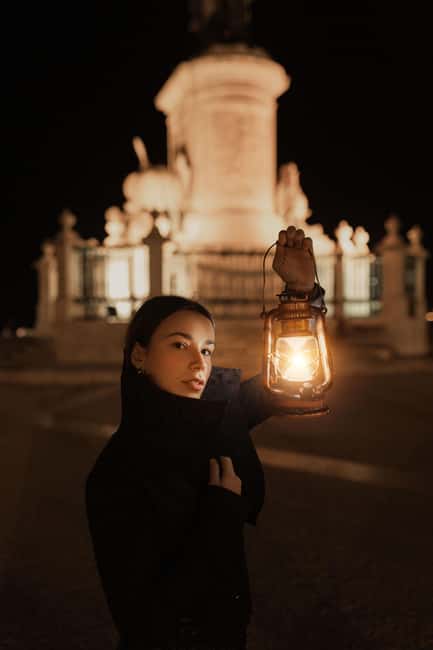
At $23 per person for about 105 minutes, this sits in the sweet spot for a guided walking tour: not cheap, but not “this better be private” expensive either. You’re paying for more than directions. The value is the structure—someone knows where to walk you and knows how to tell the story in the right order so Lisbon’s past feels connected.
The biggest reason it feels worth it is the format. You’re not reading a book for hours, and you’re not just watching a guide point. You’re getting a paced route that turns familiar areas into settings for specific accounts—Inquisition terror, tragic earthquakes, prison legends tied to real history, and notorious figures such as Marquês de Pombal. That storytelling component is exactly where the experience justifies the price.
Still, one reality check: it’s a walking tour, not an attraction with ticketed stops. Monument entrances aren’t included, and there’s no mention of special access. So if you want hands-on exhibits, you’ll need to plan those separately.
You can also read our reviews of more walking tours in Lisbon


Meeting in Rossio Square: Find Joalharia Ferreira Marques and Your Lantern
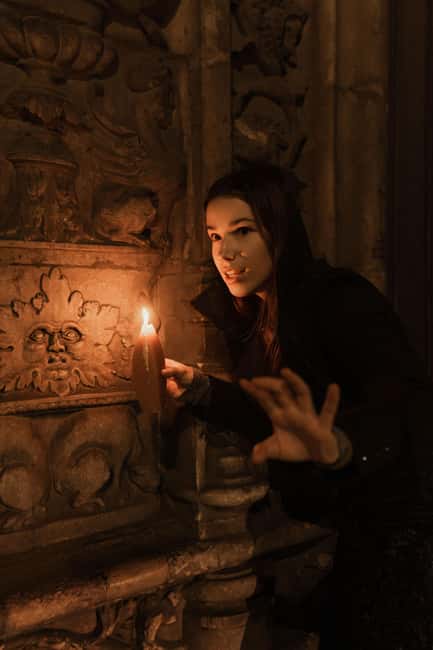
Your starting point is in the Rossio area. The official meeting address is Praça Dom Pedro IV 7, but what matters on the street is this: meet your guide next to JOALHARIA FERREIRA MARQUES, in the south part of Rossio Square. Your guide will be holding a lantern, which is a very practical touch.
This is one of those details that saves time and stress on a first night in Lisbon. You don’t want to spend the first 15 minutes of a night tour hunting for a person in a crowd.
The tour runs with a live guide in English, so you can expect consistent pacing and follow-the-story clarity. Bookings also suggest the guides can handle questions well, which helps if you’re the type who wonders how something like the Inquisition connects to everyday Lisbon street life.
Rossio to Baixa de Lisboa: Turning Main Streets into Darker Clues
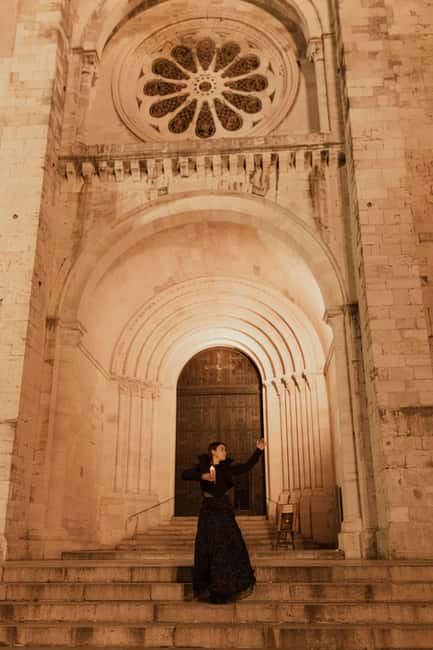
The route begins in the center and heads through Baixa de Lisboa before continuing toward Alfama. In practical terms, Baixa gives you the “big city” framework: wider streets, a sense of how Lisbon organized itself, and perfect conditions for a guide to explain context.
This matters because the tour isn’t only spooky atmosphere. It’s history narration. When your guide sets the stage early—then walks you toward the neighborhoods where the stories would have felt most immediate—you’ll understand why the darker chapters weren’t random rumors. They were part of how power, religion, and fear moved through daily life.
From what’s described, expect the guide to connect key themes as you go: the tragic earthquakes, the rise of influential people like Marquês de Pombal, and the way disaster and rebuilding shaped Lisbon’s identity. You may not be standing at a museum, but your guide is effectively using the city as the timeline.
One small drawback of this part: Baixa can feel like a “go where the story leads” section, so if you’re looking for photo stops every five minutes, you may want to balance your camera breaks with the pace. This tour values momentum.
Into Alfama: Narrow Lanes for Medieval Streets and Aftershocks
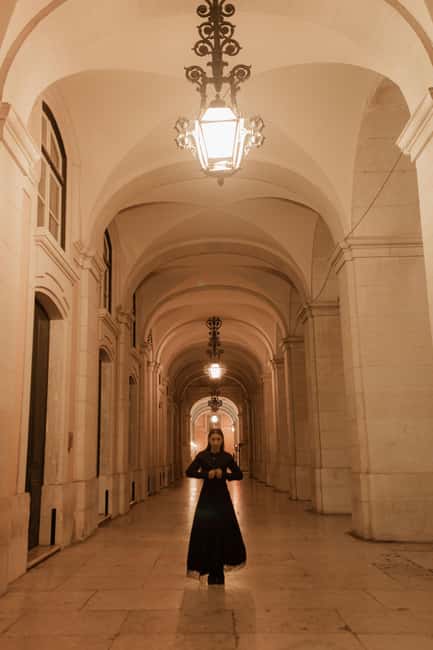
Alfama is where the tone makes sense. After you leave the more open feel of Baixa, the walk ends in Alfama, and the neighborhood’s tight lanes fit the tour’s theme. Medieval streets are perfect for stories that linger. You can almost hear the footsteps of the people your guide talks about.
The tour description leans hard into untold stories, forgotten legends, and secret plots. The reviews also praise a balanced approach: the content doesn’t overdo ghost-lore for its own sake. Instead, it’s more like the creepy aftermath of real events—what fear does to communities, what punishment systems do to ordinary lives, and how rumors become part of a city’s memory.
One review notes the walk ending at a viewpoint over the Tagus River. Even if your exact ending moment varies with the day, plan on finishing somewhere with a little “pause and look” energy. Lisbon sunsets are good medicine after a heavy story.
Inquisition, Aljube, and the 1506 New Christian Massacre
If you choose a tour like this, you’re probably curious about Lisbon’s darker side, and the guide storyline goes there clearly. Expect to hear about the Portuguese Inquisition and the terror associated with it, plus haunting tales tied to Aljube prison.
Here’s why that storytelling angle works: Lisbon didn’t only experience political events. It experienced consequences. When a guide explains how fear was institutional—who was targeted, how accusations traveled, how communities changed—it turns “history” into something you can picture while standing on the street.
One particularly specific event mentioned in bookings is the 1506 New Christian massacre. That kind of detail is the difference between a generic “scary history” walk and a “wait, I’ve never heard that before” experience. It also gives you something concrete to look up later if you want to go deeper on your own time.
And yes, the tour includes notorious figures like Marquês de Pombal and talks about earthquakes. Those elements connect to the broader question: how did Lisbon become Lisbon? Not only through art and architecture, but through rebuilding, power shifts, and the social tension that sat alongside it.
You can also read our reviews of more guided tours in Lisbon





How the Guides Make It Work: Maria, Clara, Andreia, Amanda, and More
The guides are a major part of the payoff. Multiple bookings name guides like Maria, Clara, Andreia, and Amanda, and the common thread is performance: acting out characters, adding emotion, and making the story feel like it’s happening in front of you.
That matters because night storytelling can go one of two ways. It can become theatrical but shallow, or it can become factual but dull. The reviews suggest this tour threads the needle. You get history delivered with character, without turning it into pure camp.
You might also notice how guides handle atmosphere. One booking praised how the guide made rainy weather fun with stories and side moments, which tells me the guide style is flexible. Lisbon can be windy and wet in winter. If that happens, your guide’s energy can decide whether the experience feels like an adventure or a slog.
Pace, Hills, and Rain: Logistics That Affect Your Comfort
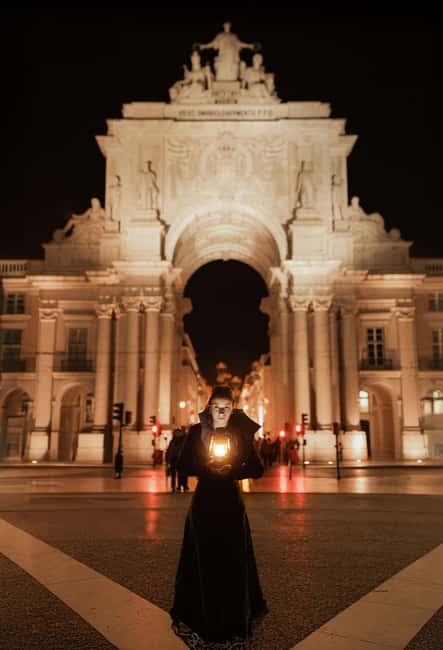
This is a 105-minute walking tour, described as moderate pace with hills. One booking notes only one good hill, but you should still assume some uphill effort because you’re moving through historic neighborhoods and streets that weren’t designed for flat comfort.
If you’re choosing shoes for Lisbon at night, think grip and support, not just looks. Comfortable shoes are the only official item listed to bring, but I’d add a practical mindset: plan to stay outside. There’s no mention of indoor shelter or stop-and-shop breaks.
Also watch what you carry. Water bottles aren’t included. If you get thirsty quickly, bring water. You don’t want to cut your tour short because you forgot the simplest thing.
The tour also isn’t suitable for wheelchair users or people with mobility impairments. If that’s you, don’t force it. A different Lisbon tour with accessible transport will be the smarter move.
Who Should Book This and Who Should Skip It?
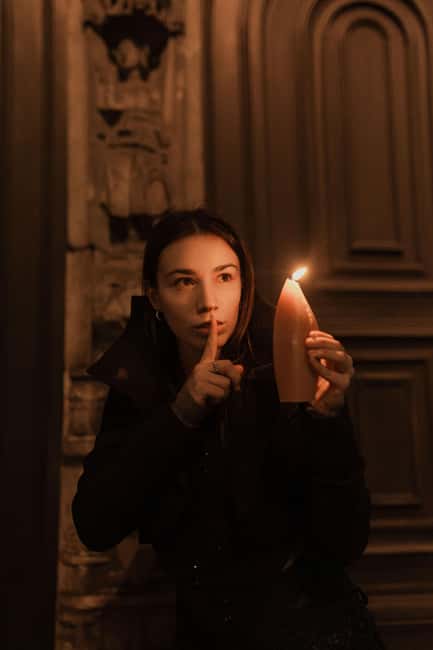
This tour is ideal if you want:
- A story-driven first night in Lisbon, especially if you like history with personality
- An introduction to Lisbon’s darker themes, like Inquisition-era fear and prison stories such as Aljube
- A route that covers the historic center, from Baixa toward Alfama, without needing public transport
It might not be the best match if you:
- Want a relaxed sightseeing stroll with lots of free time at monuments (entrances aren’t included)
- Need a fully accessible route
- Dislike fast movement between stops
One helpful tip for first-timers: do this early in your trip. Starting your Lisbon days knowing where the city’s “story neighborhoods” are makes the rest of your exploring easier. You’ll recognize places later and understand what you’re looking at.
Should You Book Lisbon by Night: The Unholy Secrets?
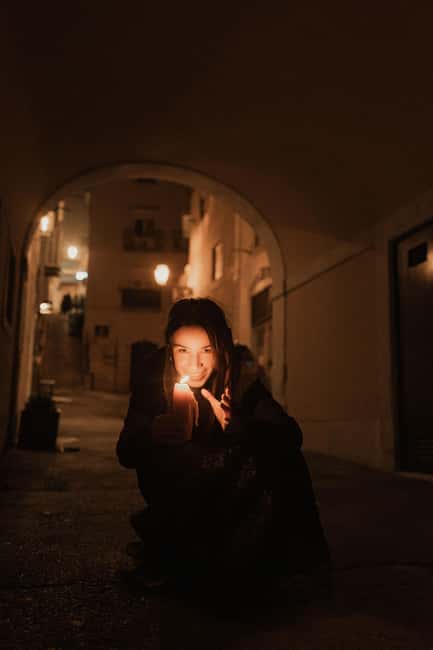
My take: book it if you’re the type who likes history that has edges. This tour doesn’t just tell you what happened. It explains what it felt like, then points you toward the streets where that feeling would have lived.
If you’re unsure, think about your travel style. If you want art and viewpoints only, you might prefer a different kind of night walk. But if you want Lisbon’s past with darker storytelling and strong guide energy—plus a walk that ends in Alfama—you’ll likely have a memorable first taste of the city.
FAQ
How long is the Lisbon by Night: Guided Walking Tour – The Unholy Secrets?
The tour lasts 105 minutes, described as about 1h45 walking.
Where do I meet the guide?
Meet next to JOALHARIA FERREIRA MARQUES, in the south part of Rossio Square. The guide will be holding a lantern. The starting location is also listed as Praça Dom Pedro IV 7.
What route does the tour follow?
It starts in the Baixa area and finishes in Alfama, with Baixa de Lisboa included as you walk.
Is the tour offered in English?
Yes, the live tour guide language is English.
What’s included in the price?
Included are the 1h45 guided walking tour of Lisbon’s historic centre, an expert storyteller guide, and theatrical narration of Lisbon’s history.
Are monument entrance tickets included?
No, entrance to monuments at stops is not included.
What should I bring?
Wear comfortable shoes. Water bottles are not included.
Is it accessible for wheelchair users?
No. It’s not suitable for people with mobility impairments or wheelchair users.