REVIEW · FATIMA, NAZARE & OBIDOS DAY TRIPS
From Lisbon: Óbidos and Mafra Palace Private Tour
Book on GetYourGuide →Operated by TakingUThere · Bookable on GetYourGuide
Walled streets and baroque palaces in one day. I love the private guide attention that turns Óbidos into more than a photo stop, and I love the Mafra Palace access with skip-the-line entry and a real walkthrough of the complex. One consideration: if Mafra is closed for a public holiday or special occasion, the plan can change.
You’re also not stuck in a cramped ride all morning. You get hotel or cruise-port pickup, an air-conditioned vehicle, and a pace that leaves time to actually wander in town before heading into the palace maze. (That 6-hour window goes fast, though, so good shoes matter.)
In This Review
- Key things to know before you go
- A 6-hour Lisbon day trip with two very different worlds
- Óbidos walled town: medieval lanes, ginjinha moments, and wall views
- Mafra Palace: baroque scale you can’t fake with a brochure
- If Mafra is closed: a good guide can still save your day
- Transportation and pacing: private ride, air-conditioned comfort, and real time on site
- Value check: is $261 per group up to 2 a good deal?
- What to bring and how to plan your day
- Who this tour is best for (and who might prefer another option)
- Should you book the Óbidos and Mafra private tour from Lisbon?
- FAQ
- How long is the Óbidos and Mafra private tour?
- What does it cost and how many people is it for?
- What’s included in the price?
- Is lunch included?
- Is there an extra fee in July for the Medieval Market?
- What languages is the live guide available in?
- Do I get pickup and drop-off from Lisbon hotels or cruise ports?
Key things to know before you go
- Private guide for two major stops: you get context, not just directions
- Óbidos on foot: a guided stroll through a walled medieval village
- Skip-the-line at Mafra: saved time inside one of Europe’s biggest baroque complexes
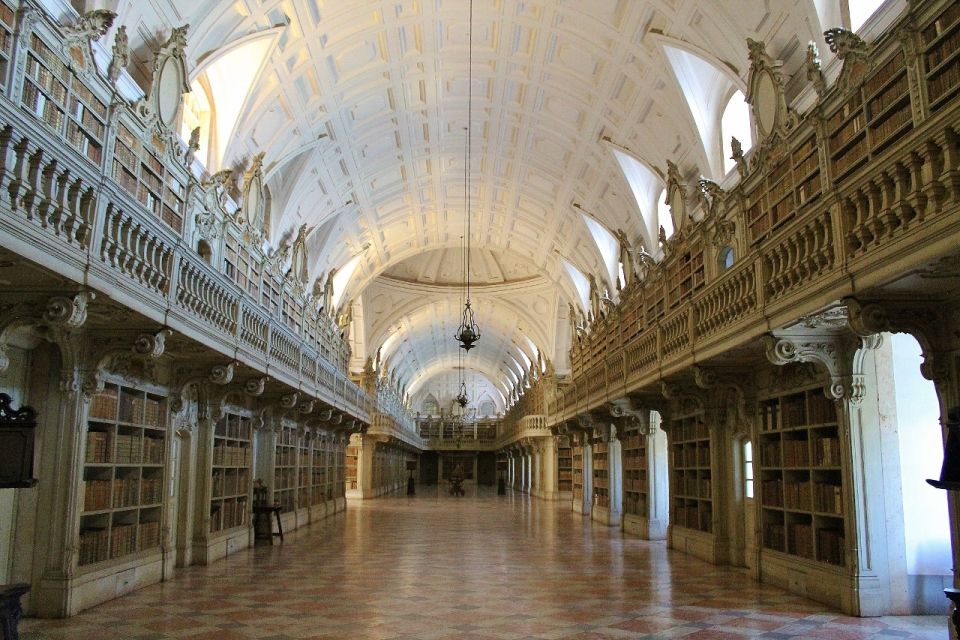
- Long corridor + major library: you’ll see standout spaces like the 232 m corridor and the library collection
- Mafra hours can shift: if it’s closed, your guide may swap in another palace stop
A 6-hour Lisbon day trip with two very different worlds
This tour is built around contrast, and that’s the point. You start in Óbidos, a fortified village where you walk through centuries of Portuguese life—then you switch to Mafra, a giant 18th-century baroque palace complex that was only possible because of the wealth that flowed in during King João V’s era.
The schedule is straightforward. You’ll be picked up in Lisbon, then you get about 2 hours in Óbidos for a guided visit and time to wander. After that, you head to Mafra Palace for about 1.5 hours on a guided tour, with a photo stop. The rest is driving time back and forth, so you’re focused on just two places instead of a whirlwind of ten.
The private-group format is where the value sits. Instead of following a crowd, you can ask questions, slow down when something catches your eye, and keep your energy for the walking parts.
You can also read our reviews of more private tours in Lisbon



Óbidos walled town: medieval lanes, ginjinha moments, and wall views
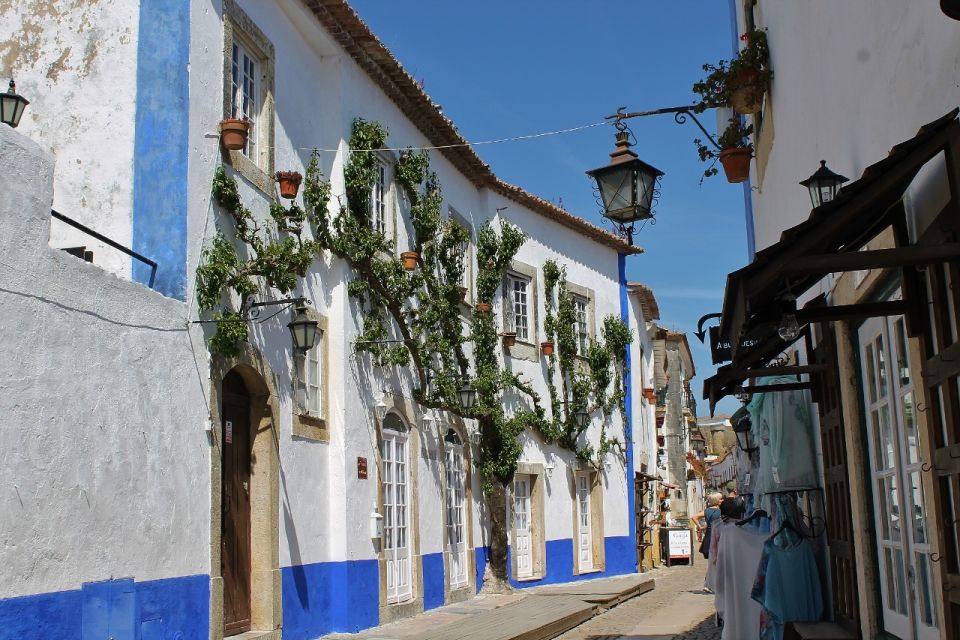
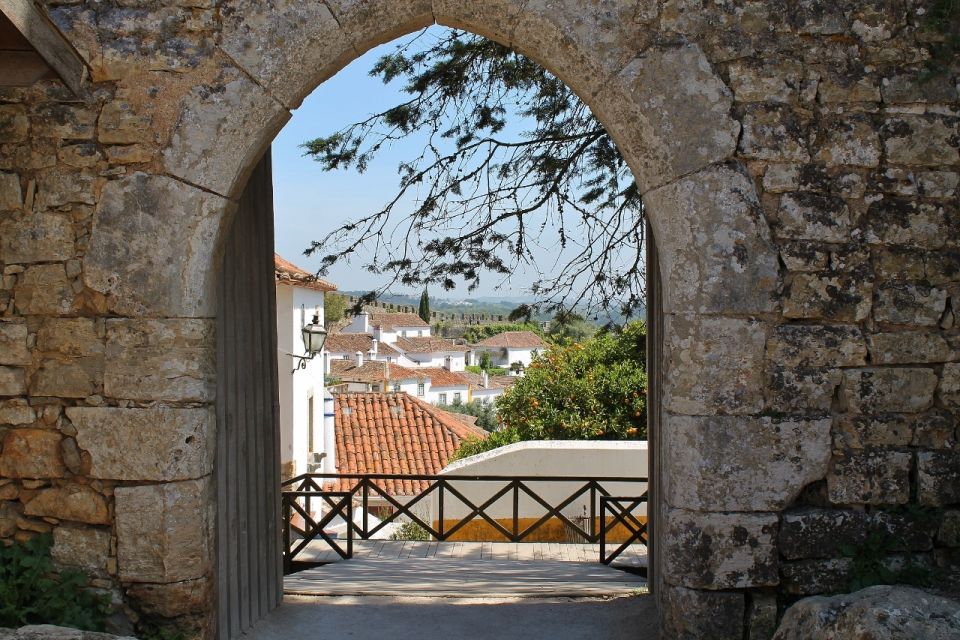
Óbidos is one of Portugal’s most “complete” storybook towns. It’s often described as a museum village, and you’ll see why: the streets feel planned for strolling, the walls give the place clear boundaries, and the whole town works like an open-air time machine.
Your guide leads you through the fortified village, and the history comes with names and dates. Óbidos was conquered by Portugal’s first king, D. Afonso Henriques, on January 11, 1148. That date matters because it explains why so much of what you see is about layers—settlement, defense, and the town’s long relationship with the crown.
I like that the tour doesn’t stop at scenery. You also get built-in chances to slow down and take in details—flowers and town life, plus the kind of explanation that makes the streets feel meaningful. In Óbidos, there’s usually a natural rhythm to the day: you walk, you look up, you look for small shop windows, and you start connecting what you’re seeing to the way Portuguese towns evolved.
One of the best practical perks is food culture you can do at your own pace. Walking around gives you time to try ginjinha (the local cherry liqueur) and other small goods and crafts. Even if you don’t buy anything, it’s useful to know where that kind of stop fits so you’re not rushing for it later.
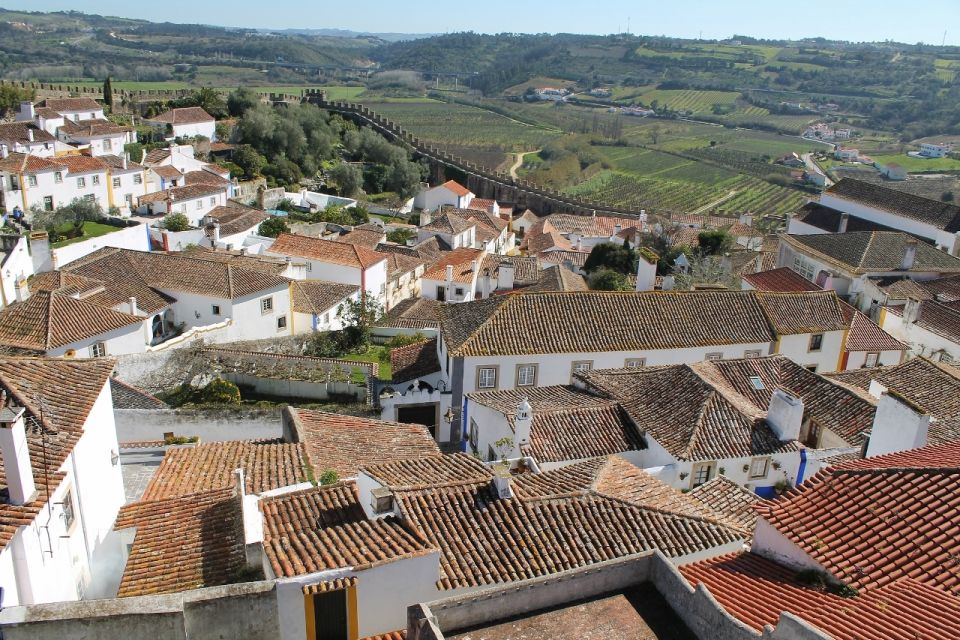
There’s also a big treat if the walk includes the top-of-wall sections. On one outing with John, the wall-top walking and views were a highlight, and it’s easy to see why. The walls help you understand the layout of the town and how the village was designed to be seen and defended. Just keep in mind you’ll want comfortable shoes because stone streets add up.
Mafra Palace: baroque scale you can’t fake with a brochure
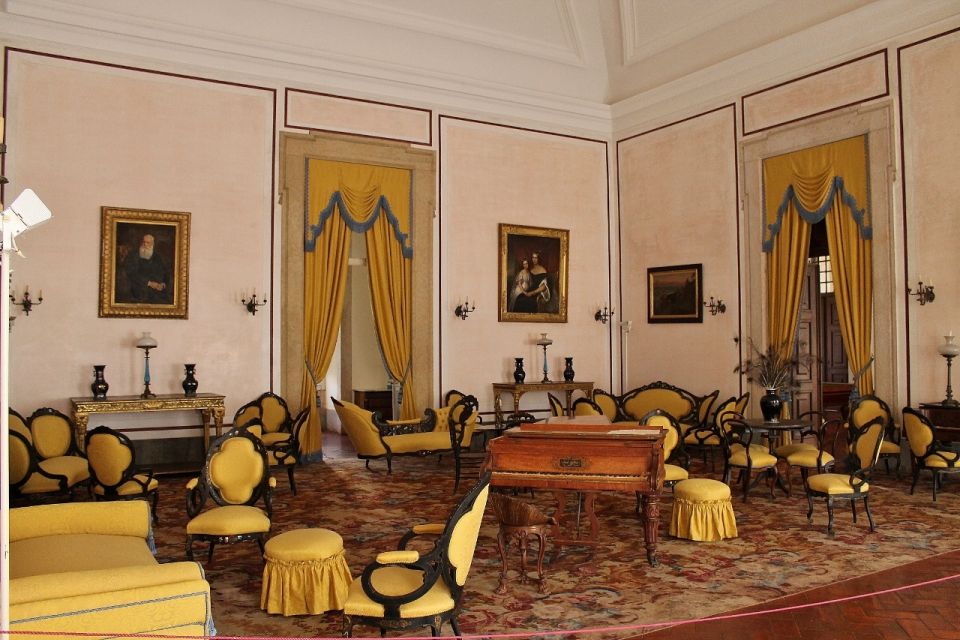
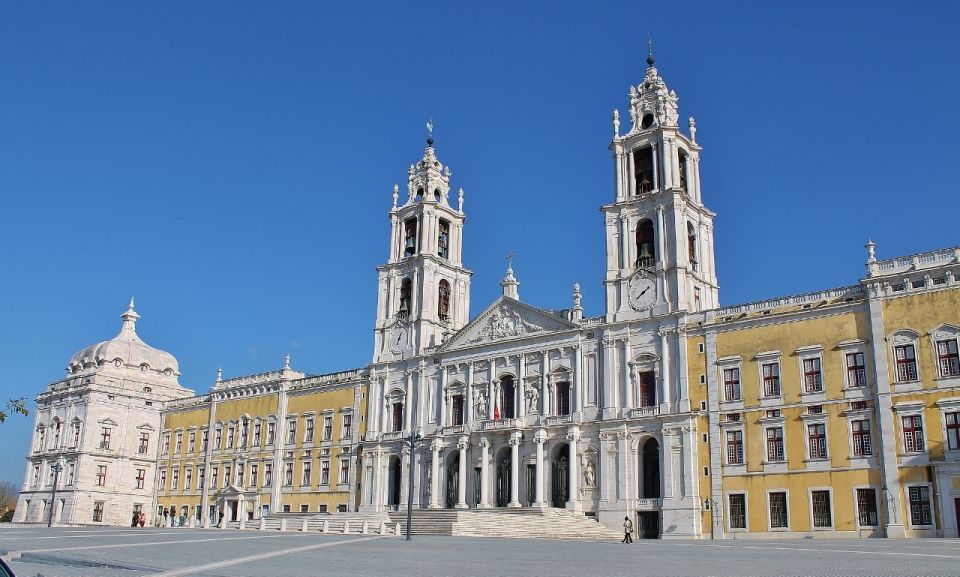
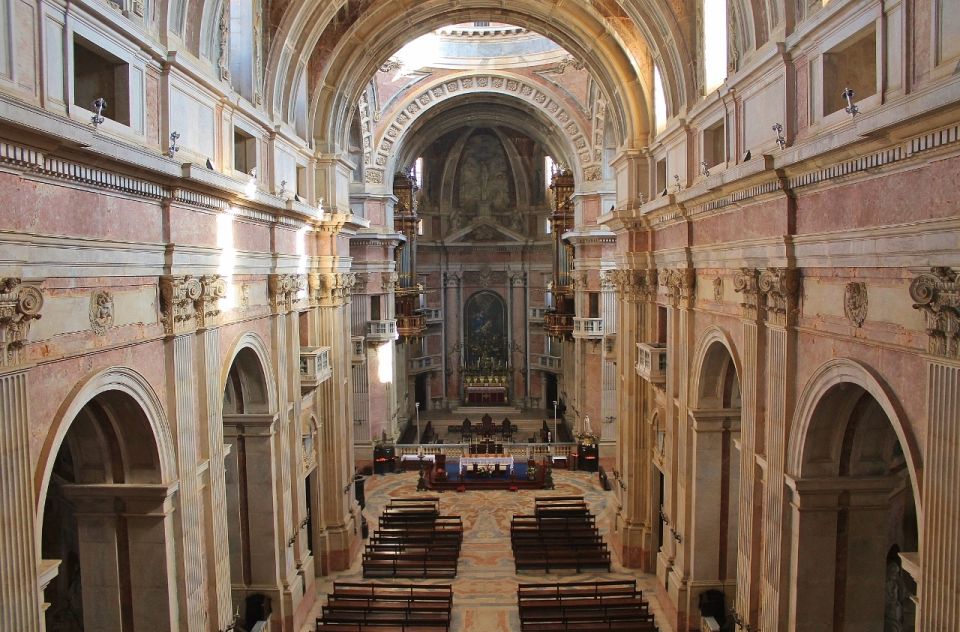
Mafra National Palace is huge. Not huge in a vague way—huge in a numbers-and-spaces way that makes your brain do math. This is one of the biggest 18th-century baroque palaces in Europe, and the tour is designed to show you why that matters.
First, you’ll get the story of how it was funded. King João V launched the palace project thanks to the Brazilian gold that poured into Portugal. The complex began on November 17, 1717, and it wasn’t just a palace. It integrates four major elements into one massive project: the palace, the convent, the basilica, and the library.
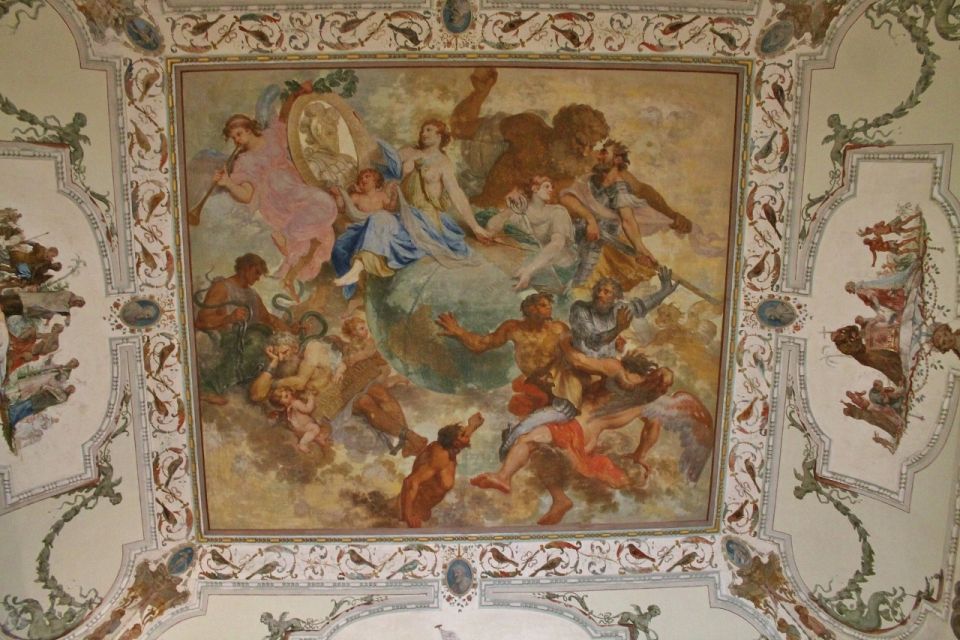
Then the guide helps you understand the scale you’re walking through. The complex covers almost four hectares (37,790 sqm). It has roughly 1,200 rooms, more than 4,700 doors and windows, 156 stairways, and 29 inner yards and courtyards. Those numbers aren’t meant to impress you for a minute and then vanish. They’re meant to explain why the palace feels like a self-contained world.
One of the standout moments is the long corridor—232 meters, made of limestone and marble sourced from the Óbidos, Pêro Pinheiro, and Sintra regions. If you’re the type who likes architecture that’s measurable, this is for you. It also gives you a sense of how the palace was built to move people through controlled spaces, like a formal stage set.
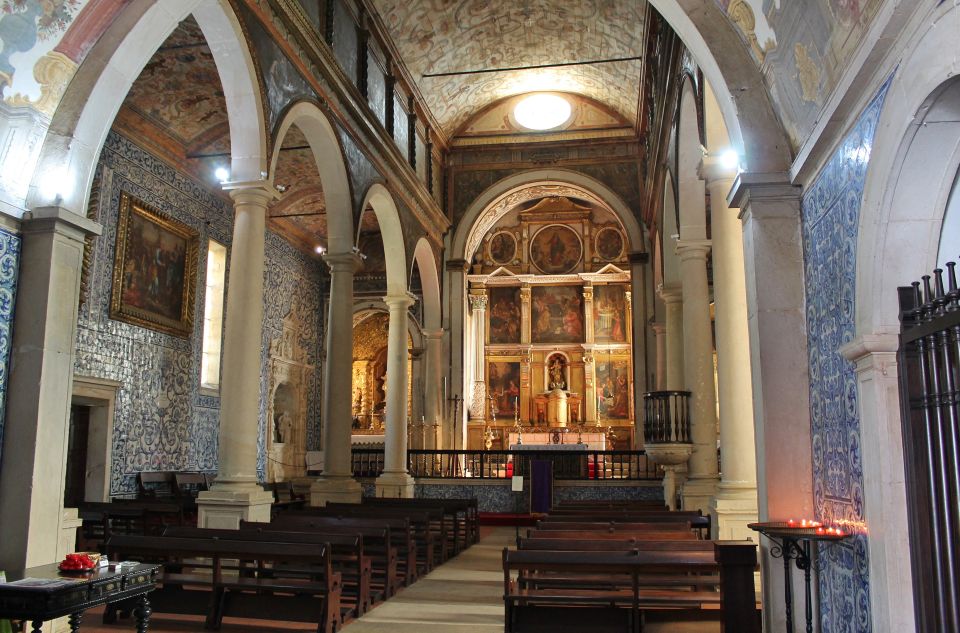
You’ll also get inside the library, which is noted for being among Europe’s most important. You’re looking at a collection with over 30,000 volumes, spanning the 15th to the 18th centuries. For many people, the library is the moment where the palace stops feeling like decoration and starts feeling like power—knowledge as a symbol.
And don’t miss the basilica and towers. Looking up is part of Mafra’s magic: two massive towers flank the palace facade. The basilica is described as a centerpiece and was designed by the German architect Johann Friedrich Ludwig, commissioned by D. João V. Even if you only have a short time inside, the facade and basilica view help you orient the whole complex.
If Mafra is closed: a good guide can still save your day
There’s one logistical wildcard with Mafra. National monuments can close on public holidays or for special occasions, sometimes without much warning. That’s not the tour company’s fault, but it can affect your plans.
What matters is how the day adapts. In one real example, Rod (Rodriguez) handled a Mafra closure by rerouting to Queluz Palace and the botanical gardens instead. The result wasn’t the original palace, but it kept the day from collapsing into disappointment.
So here’s the practical takeaway for you: keep your expectations flexible. If Mafra can’t open, you’ll still be in a guided palace-and-gardens day, not a forced bus ride. And a good guide will use the reroute time to keep the story moving.
Transportation and pacing: private ride, air-conditioned comfort, and real time on site
From Lisbon, the trip is mostly about comfort and focus. You’re in an air-conditioned vehicle and you’re not navigating public transit to get between these distant points. Pickup and drop-off are available at your Lisbon hotel or cruise port, which matters if you want your day trip to feel easy rather than stressful.
The timing is also built for sanity. Two hours in Óbidos is long enough to see the main fortified streets, take breaks, and still taste something without feeling late. One and a half hours in Mafra is enough to cover the big highlights—corridor length, major rooms, the library, and key visual landmarks—without turning your visit into a sprint.
Pacing matters in places like Mafra, where the interior can feel like a maze of corridors and courtyards. A guide helps you understand where to look first and what to treat as a priority. That saves you from wandering and guessing, which is what usually burns time.
And yes, the vehicle quality matters too. In one account, John’s driving was described as careful, and the ride was clean and comfortable. That’s not just niceness—it’s peace of mind when you’re heading back to Lisbon after a full walking day.




Value check: is $261 per group up to 2 a good deal?
Let’s talk price in a grounded way. The tour is listed at $261 per group up to 2 people for about 6 hours. If you’re traveling as a couple, a private guide can cost you roughly half that per person, because the price is per group rather than per head.
What you get for that money:
- Private guide
- Air-conditioned vehicle
- Entrance fee to the Mafra Palace complex
- Hotel or cruise-port pickup and drop-off
- Skip-the-ticket-line approach for Mafra
What you don’t get:
- Lunch or drinks
- (In July) the Medieval Market entrance fee if it’s running during your visit
So the value is strongest if you want:
- guided context in both towns
- less time wasted buying tickets and figuring out routes
- a comfortable private day instead of a shared group
If you’re the kind of traveler who’s totally fine with self-guided wandering and you can handle logistics on your own, then the price may feel steep. But if you want the most out of Óbidos and Mafra without turning your day into admin work, this format makes sense.
Also, since lunch isn’t included, you can choose where you eat based on what you want—quick bakery-style stops or a sit-down meal closer to where you end up.
What to bring and how to plan your day
This is a walking day, even with private vehicle transfers. Bring comfortable shoes because Óbidos’ stone streets and Mafra’s interiors both add up. Bring sunscreen too; Lisbon-area weather can turn bright fast, especially if you’re walking walls in the open air.
Timing tip: plan to arrive a little hungry. Óbidos is one of those towns where stopping for something small fits naturally into the walk. You’ll likely want to try ginjinha, and it’s easier to do that earlier rather than later if you get distracted by shops and views.
If you have dietary needs, keep in mind lunch isn’t included. That means you should plan ahead for where you’ll eat or be ready to take the guide’s recommendation on the day. In one outing, John suggested a quick local bakery for lunch and it was described as excellent.
Who this tour is best for (and who might prefer another option)
This tour is ideal if you want a guided day trip with private flexibility. I’d especially recommend it for:
- couples or small groups who don’t want to share a guide with strangers
- history and architecture fans who want context, dates, and design details
- travelers who value comfort (hotel/cruise pickup, air-conditioned transport)
It’s less ideal if you:
- want a long, slow day with minimal driving and no schedule pressure
- dislike walking, even at a moderate pace
- prefer fully self-guided exploring (because you’ll be paying for the guide’s direction)
And one more consideration: if you’re visiting in July, Óbidos castle hosts a traditional Medieval Market for two weeks. The market entrance fee isn’t included, so factor that into your budget if your dates line up.
Should you book the Óbidos and Mafra private tour from Lisbon?
If you’re deciding between self-guided and guided, I’d lean guided for this pair of places. Óbidos rewards you for looking closely, and Mafra rewards you for knowing what you’re seeing. The private format also protects your time: skip-the-line access at Mafra plus efficient use of walking hours in Óbidos.
Book it if you want:
- real storytelling through two major UNESCO-adjacent style stops in one day
- comfort from Lisbon with pickup and drop-off
- the kind of palace walkthrough where someone points out what matters, like the 232 m corridor, the library collection, and the basilica design
Skip it or rethink it if:
- you’re visiting around a public holiday risk and you’re determined to see Mafra no matter what (though a guide may adjust)
- you’re expecting lunch and snacks to be part of the price
If your dates work and you pack comfortable shoes, this is a strong day trip combo: medieval streets in Óbidos, then a baroque palace complex that feels like it was built to out-muscle time.
FAQ
How long is the Óbidos and Mafra private tour?
The tour lasts about 6 hours.
What does it cost and how many people is it for?
It costs $261 per group for up to 2 people.
What’s included in the price?
You get a private guide, an air-conditioned vehicle, entrance fee to the Mafra Palace complex, and pickup and drop-off at your hotel or cruise port in Lisbon. Mafra also uses a skip-the-ticket-line approach.
Is lunch included?
No. Lunch and drinks are not included.
Is there an extra fee in July for the Medieval Market?
Yes. During July, the Medieval Market entrance fee is not included.
What languages is the live guide available in?
The live guide is available in English, Spanish, Portuguese, and German.
Do I get pickup and drop-off from Lisbon hotels or cruise ports?
Yes. Pickup and drop-off are included from hotels or cruise ports in Lisbon.