REVIEW · HISTORICAL TOURS
Evora & Alentejo Wines: A Journey Through History and Flavors
Book on Viator →Operated by Andre Marques · Bookable on Viator
Évora feels like time travel, minus the time machine. This private day trip puts Évora highlights front and center, from the Chapel of Bones to the big gothic cathedral, then finishes with a tutored Cartuxa wine tasting in Alentejo. For me, that combo is the sweet spot: standout monuments plus real Portuguese wine, guided so you know what you’re looking at.
The one trade-off to plan for is the road time. You’re doing a day trip from Lisbon, so expect a chunk of the schedule to be travel time, not footwork.
In This Review
- Key Points at a Glance
- Évora in One Long Day: What You’re Really Paying For
- Praca do Giraldo and the Old City Walk That Sets the Tone
- Chapel of Bones: A Monument That’s Hard to Forget
- Templo Romano de Évora (Templo de Diana): Roman Precision in a Small City
- Se Catedral de Evora: Portugal’s Biggest Gothic Cathedral
- Igreja de São Francisco and Igreja de São Tiago: Two Church Styles, Two Moods
- Ruinas Fingidas: A Folly, a Park, and Peacocks for Free
- The Palace and Former Convent Stop: A Calm End to the Walking
- Enoturismo Cartuxa Wine Tasting: Why This Is the Payoff
- Price and Logistics: Is $114 Worth It?
- Time Management Tips So You Don’t Feel Rushed
- Should You Book Évora & Alentejo Wines?
- FAQ
- How long is the Évora and Alentejo wines tour?
- Where do you get picked up?
- Is this tour private?
- What language is the tour offered in?
- Is lunch included?
- Are entry tickets included for the main monuments?
- How long is the wine tasting at Cartuxa?
- Are children allowed on the tour?
- Can I cancel for a full refund?
Key Points at a Glance
- Évora’s top monuments, step by step: Chapel of Bones, Roman Temple of Diana, and Se Catedral do Évora are all built into the route.
- A real tasting stop at Cartuxa: you get a tutored Alentejo wine experience, not just a quick pour-and-go.
- Pickup and drop-off from your hotel: less stress on timing, and you avoid the coordination headaches.
- Free entry at several sights: several stops list admission as free, so you’re not constantly paying at the door.
- Flexible additions can happen: one guide (João) has been known to swap in extras like Mercado do Livramento or a cork-related stop when interest comes up.
Évora in One Long Day: What You’re Really Paying For

This is a full, structured day: about 9 hours from Lisbon, with pickup from your hotel or accommodation and return transport included. You’re paying for two things at once—organized sightseeing and guided interpretation—plus the comfort of a luxury car or mini van instead of figuring out trains and parking on your own.
The value logic is pretty clear. In Évora, you get the major landmarks grouped efficiently, with time set aside for each one rather than rushing your own itinerary. And at the end, the wine tasting at Enoturismo Cartuxa gives your history day a grown-up payoff.
One more practical note: the tour runs in English. That matters here because Évora’s sites reward context—especially the bones chapel and the cathedral—where a good guide turns a photo stop into an experience you actually remember.
You can also read our reviews of more historical tours in Lisbon


Praca do Giraldo and the Old City Walk That Sets the Tone
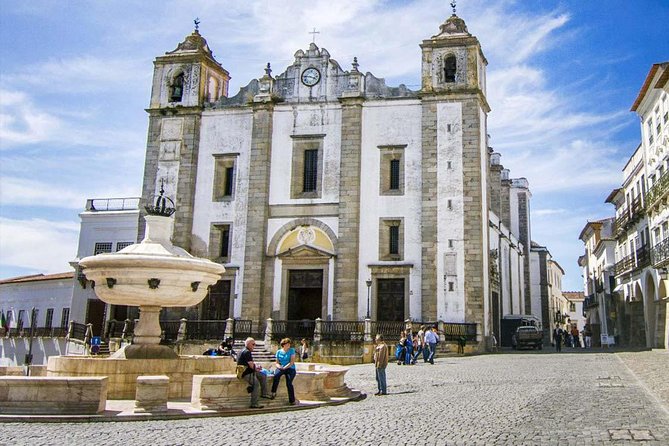
The tour begins at Praca do Giraldo, a central square in Évora’s historical center. It’s a smart start because you get your bearings fast while you still have energy. Even a short orientation walk helps when the city is all tight streets and changing architectural styles.
From there, the pace makes sense: you’re not spending the day trapped in a bus. You’re walking, then stepping into the big-ticket monuments in the order that keeps everything feeling coherent.
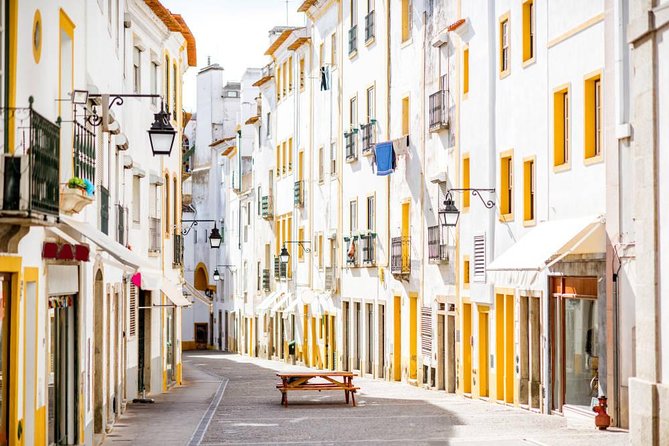
If you like cities where you can see the layers—Roman, medieval, and later influences—Évora is a strong match. And the guide’s job is to connect those layers, not just name buildings. That’s where private matters: you can ask questions without waiting for a whole bus group to line up.
Chapel of Bones: A Monument That’s Hard to Forget

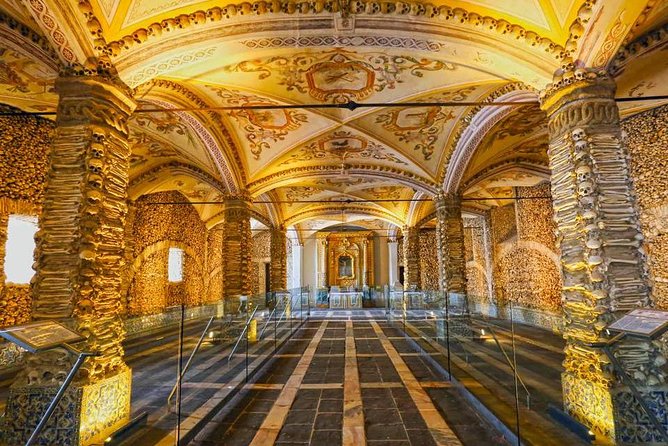
The Chapel of Bones (Capela dos Ossos) is the emotional center of Évora’s sightseeing. The tour builds in about 45 minutes here, with the admission ticket included.
This isn’t just a quirky stop. It’s tied to the Church of Mercês’ Sacred Art nucleus, and the story behind the chapel is what makes it stick with you. It’s dark, yes. But it also feels like a controlled, intentional experience: you go in, you look closely, and you come out thinking about mortality in a way that’s both uncomfortable and strangely thoughtful.
Practical tip: keep a little time in your head for the photos. The chapel is popular, and the interior details are not something you want to rush. If your group is the kind that reads small signs, you’ll enjoy the added minutes.
Templo Romano de Évora (Templo de Diana): Roman Precision in a Small City
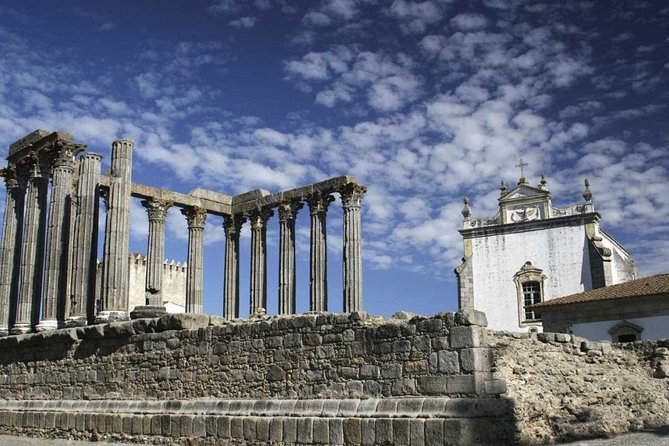
Next is the Roman Temple of Diana (Templo Romano de Évora / Templo de Diana). This stop is about 20 minutes, and admission is listed as free.
Even if you don’t call yourself a Roman-history person, this works because the temple’s presence is immediate. It’s not hidden behind a museum wall. You see it in the city fabric, which helps you understand how Évora became a place where civilizations kept reusing what came before.
In a good guided visit, the temple becomes more than architecture. The guide points out how the Roman footprint fits into the later development of the town. That’s the value of the structure: you’re not just looking at one era. You’re seeing how the eras sit next to each other.
Se Catedral de Evora: Portugal’s Biggest Gothic Cathedral
The Cathedral of Évora (Se Catedral de Évora) is next, with about 40 minutes on site and admission included. This is a huge stop, and it deserves the time.
The cathedral is described as Portugal’s biggest gothic cathedral, and you can feel the scale once you’re inside. It’s the kind of place where your attention shifts from dramatic exterior mass to details in the interior space.
What makes a guided visit worthwhile here is focus. A guide helps you pick out what you’re seeing—what’s gothic, what stands out, and how the cathedral’s role shaped Évora’s identity over time. Without that, it’s easy to treat it as just another old church. With context, it starts to feel like a real civic landmark, not only a religious one.
You can also read our reviews of more wine tours in Lisbon




Igreja de São Francisco and Igreja de São Tiago: Two Church Styles, Two Moods
After the cathedral, you go to Igreja de São Francisco for about 15 minutes. It’s described as imposing Gothic-style, so think of it as a breather after the big cathedral stop—still striking, but with a shorter time block.
Then comes Igreja de São Tiago, listed for about 15 minutes, with an important caveat: the interior features a single nave with a barrel vault covered in frescoes, plus tile panels attributed to ceramist Gabriel del Barco showing biblical scenes, but there are no regular visiting hours.
That last part is key for your expectations. You might plan to see an incredible interior, and then find timing doesn’t cooperate. Since the tour only lists a short time there, you shouldn’t count on extra time to make up for a closure. Still, if it’s open when you arrive, this can be one of the most visually rewarding stops of the day. The mix of frescoes and azulejo-style panels is exactly the kind of artwork that rewards a moment of quiet looking.
If you’re the type who always asks, How old is that? What technique is this? you’ll likely get good answers here.
Ruinas Fingidas: A Folly, a Park, and Peacocks for Free
The tour also includes Ruínas Fingidas, located within a public park. The access is free, and the stop is about 10 minutes.
This is one of those oddball sites that turns a schedule into a story. There’s no information on site, but the context given here is that it’s apparently a folly made with items saved from the demolition of monasteries around the turn of the 20th century. In other words: it’s not ancient. It’s assembled from leftovers, and it became its own local curiosity.
And yes, the area is populated by peacocks. That’s not a small detail. It changes the mood. Instead of another “look and move on” checkpoint, you get a quick walk through a quirky landscape that feels more like a pause than a lecture.
The Palace and Former Convent Stop: A Calm End to the Walking
The route then includes a solid palace and former convent located in a well-kept park, with historical artefacts. The time isn’t specified in your schedule outline, but it’s clearly meant as a calmer segment after churches and monuments.
This kind of stop is practical on a day like this. After hours of hard sightseeing, a park setting lets your eyes reset. If you like wandering without constantly scanning for ticket lines or doorway rules, you’ll appreciate this placement.
Enoturismo Cartuxa Wine Tasting: Why This Is the Payoff
Now for the reason this tour works even if you’re not a die-hard wine person: the tasting stop is at Enoturismo Cartuxa, with about 45 minutes for the wine experience.
This isn’t just a beverage break. Alentejo wines have a distinct identity, and a tutored tasting is the difference between drinking and understanding. You’ll get guidance on what you’re tasting, and that makes the flavors easier to place when you’re back in Lisbon.
Also, Alentejo is outside the usual Lisbon bubble. So even though the tour is one day, you get a taste of a different pace and landscape—enough that the wine isn’t just an activity. It becomes part of the day’s theme.
One balancing note: value for money in wine tastings can be very individual. Some people love structured tastings; others feel it’s short or overpriced if they’re expecting more pours or a bigger food pairing. If wine is a top priority for you, you’ll get the most satisfaction by going into the tasting expecting a guided introduction rather than a full lunch substitute.
Price and Logistics: Is $114 Worth It?
At $114.02 per person, this isn’t a throwaway add-on. You’re paying for:
- Professional guiding
- Transport by luxury car or mini van
- Pickup and drop-off
- Insurance
- Admission tickets included for certain key stops (not everything)
So here’s the value take. If you’re traveling with someone and you want a private day with less friction, the price can feel reasonable because the transport and guide do heavy lifting for you. The itinerary also groups the best-known Évora highlights efficiently, which means you don’t spend your day solving routes.
If you’re a solo traveler on a super tight budget, you might question the value given the drive time. But that’s the nature of Lisbon-to-Évora trips. If you’re choosing this tour, you’re choosing time-efficient structure and guided sightseeing, not just cheap access.
Time Management Tips So You Don’t Feel Rushed
A day like this can feel smooth or stressful depending on your expectations.
Here’s how to set yourself up:
- Wear comfortable shoes. You’ll be walking in the historical center and moving between multiple church sites.
- Keep your phone battery up. You’ll want photos, and the stops are varied enough that you’ll likely take more than you expect.
- Think of the 15-minute and 20-minute stops as quick chapters, not full essays. The cathedral and bones chapel get more time, which makes sense.
- Be ready for the São Tiago uncertainty. Since it notes no regular visiting hours, if you’re aiming for interior frescoes, you’ll want to stay flexible in your mindset.
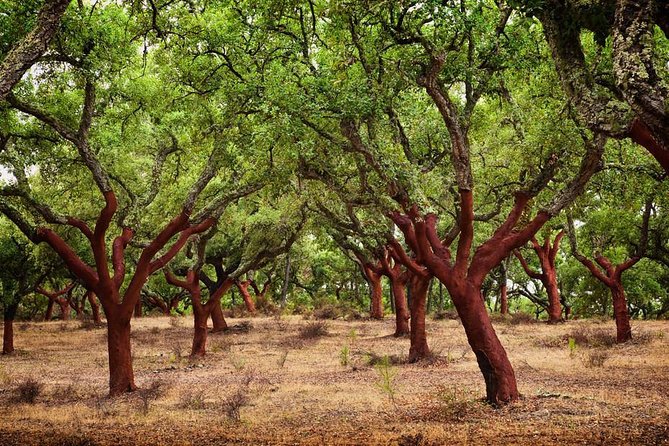
Also, if you have special interests, bring them up early. One guide, João, has shown flexibility by adding extras like Mercado do Livramento and a cork processing-related stop when guests wanted a slightly alternative plan. That kind of adjustment can turn a good day into a more personal one. And if you’re into stone circles or ancient landscapes, there’s mention of a request involving Almendres cromlech as well.
Not every extra may be possible on every day, but the fact that the guide has done it suggests your day might not be locked in stone.
Should You Book Évora & Alentejo Wines?
Book it if you want a well-paced day where Évora’s big monuments are handled thoughtfully, not as a checklist. This is especially worth it if you value guidance at the Chapel of Bones, the Roman Temple of Diana, and the cathedral, and if you want a real tutored tasting at Cartuxa at the end.
Skip or think twice if you’re allergic to road time and you prefer to travel slowly at your own pace. The route from Lisbon involves significant driving, and if you wanted only a couple of sites, the full schedule could feel like more transport than you expected.
My bottom line: if you like history you can see up close and you want wine as a finish, this is a strong choice for your one-day Évora plan. The combination of monuments plus Alentejo wine is the point—and when it clicks, it really does.
FAQ
How long is the Évora and Alentejo wines tour?
The tour lasts about 9 hours.
Where do you get picked up?
Pickup is offered in your hotel or accommodation (all hotels and accommodations).
Is this tour private?
Yes. It’s a private tour/activity, and only your group participates.
What language is the tour offered in?
The tour is offered in English.
Is lunch included?
No. Lunch isn’t included.
Are entry tickets included for the main monuments?
Admission tickets are included for the Chapel of Bones and the Cathedral of Évora. Other listed stops show admission as free.
How long is the wine tasting at Cartuxa?
The Cartuxa tasting stop is about 45 minutes.
Are children allowed on the tour?
Children must be accompanied by an adult.
Can I cancel for a full refund?
Yes. You can cancel up to 24 hours in advance for a full refund.