REVIEW · 3-HOUR EXPERIENCES
Belém – Lisbon – 3 Hour Electric Bike Tour
Book on Viator →Operated by Lisboa Autêntica · Bookable on Viator
Electric bikes make Belém easy. You cover major sights in about 3 hours, plus you get real riding time with instruction and a guaranteed stop for Pastéis de Belém. The main catch: some people feel there’s a bit more guiding talk than time in the saddle.
I like this tour because it’s built for getting your bearings fast—Largo Severa as your launch pad, then a smooth route toward the river. Guides like Jorge, Bruno, Xavier, and Claudio come up often in feedback for keeping groups moving safely through Lisbon streets and traffic.
In This Review
- Key highlights to look for
- Starting at Largo Severa and getting comfortable fast
- Ribeira Market: the quick taste of Belém’s everyday life
- Pink Street and Rua Nova de Carvalho: a nightlife walk-by on two wheels
- Cais do Sodré and the ferry vibe along the 15th-century coast
- Torre Belém and the 25 de Abril Bridge: the big symbols from the water
- Electricity Museum and the industrial architecture angle
- Padrao dos Descobrimentos (Monument of the Discoveries): built for a world exhibition
- Torre de Belém and the fortifications: quick look, clear takeaway
- Jerónimos Monastery area: coffee break and Manueline-style architecture
- Pastéis de Belém in the gardens: the included treat worth planning around
- LX Factory: industrial leftovers turned into lifestyle shopping
- How much riding you actually do (and who this suits best)
- Price and value: what $48.27 gets you in practical terms
- Pacing and group reality: the trade-off for covering a lot
- Should you book this Belém electric bike tour?
- FAQ
- How long is the Belém–Lisbon electric bike tour?
- Where does the tour start?
- What’s included with the tour price?
- Is a Pastéis de Belém included?
- Do I need to be an experienced cyclist?
- Is the tour offered in English?
- Which stops have admission fees?
- How many people are in the group?
- What happens if the weather is bad?
- Is public transportation nearby the meeting point?
Key highlights to look for
- Bosch e-bike drive system makes flat-and-hilly Lisbon feel manageable
- Ribeira Market stop mixes local produce, flowers, and fish with plenty to look at
- River Tagus route gives you big-photo views toward Torre Belém and the 25 de Abril Bridge
- Jeronimos area pacing includes a coffee break before the monastery and custard tart stop
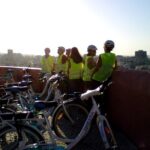
- Small group size (max 15) keeps the experience more personal than a bus tour
- LX Factory free stop adds a cool industrial-to-leisure contrast
Starting at Largo Severa and getting comfortable fast
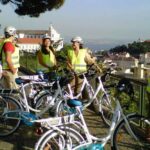
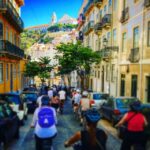
The tour kicks off at Largo Severa 7A, a central meeting spot in Lisbon. You’ll meet your guide and group, get a safety briefing, and receive hands-on instruction with the bike before you roll. That first step matters. Lisbon streets look calm on a map and then you’re dodging parked cars and squeezing through intersections in real life.
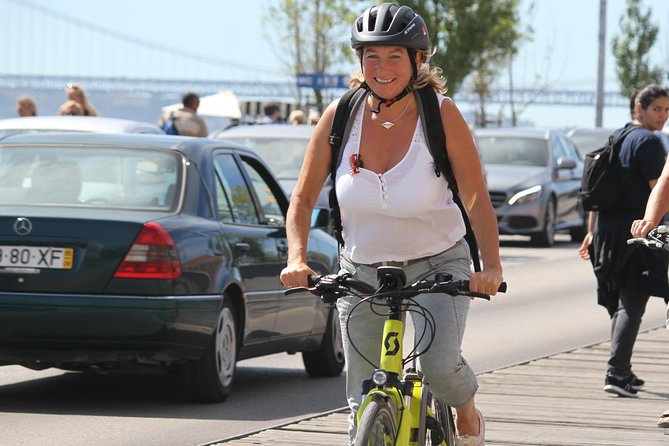
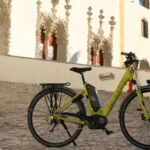
The bike setup is part of the value. Helmets and bottled water are included, and you ride Bosch-equipped electric bikes with an assist system meant to help you keep moving without killing your legs. Even if you’ve never ridden an e-bike before, the instruction time helps you learn how the pedal-assist feels before you’re dealing with heavier traffic zones.
You also start with the right mindset: this is not a marathon. It’s an efficient, scenic ride that helps you see Belém’s highlights in a short window—especially useful if you’re planning monuments and museum time later.
You can also read our reviews of more cycling tours in Lisbon


Ribeira Market: the quick taste of Belém’s everyday life
After you gear up, you head toward the Ribeira Market area. This is one of those spots where you can tell Lisbon is lived-in, not just performed for tourists. You’ll pass through a zone known for traditional stalls with fish, fruit, vegetables, and flowers.
What I like here is the mix. You get sensory color—bright produce, seafood displays, and the bustle of a working market—without needing to commit to a long sit-down meal. The stops around this area also set the tone for the day: history is coming, but you’re starting with the “how people actually live” version of Belém.
There’s also a food angle. The market area includes more than 30 restaurants associated with well-known chefs. You won’t be doing a full tasting tour of them, but you’ll get a sense of how Belém has become a real dining destination—not just a place to pick up a pastry and leave.
Possible drawback to keep in mind: market areas can get crowded, and with a group up to 15, you’ll want to follow your guide’s pace closely. It’s still manageable, but you’re moving through real streets and real foot traffic.
Pink Street and Rua Nova de Carvalho: a nightlife walk-by on two wheels

Next, you ride toward Rua Nova de Carvalho, often called Pink Street (linked to its former red-light district history). This stretch is known for nightlife, and it’s also been named by the New York Times as one of the best streets in Europe.
On an electric bike, you get a useful perspective here. Walking would take longer, and trying to drive means you’re wrestling with cars and parking. Cycling through gives you the feel of a neighborhood changing mood—day to evening energy—without you having to wait around.
Keep expectations practical: you’re not stopping to party. This is more of a city-sense checkpoint. Your guide points out what the street is, where it sits in the story of Lisbon, and how it connects to the rest of your route.
Cais do Sodré and the ferry vibe along the 15th-century coast
Then you pass Cais do Sodré, a maritime hub with roots going back to the 15th century. Today it’s tied to the ferry terminal for the short crossing to Cacilhas (the boats locals call cacilheiros).
This is where you start noticing how Lisbon is laid out. Neighborhoods come and go, but the Tagus river keeps drawing your attention back in. The ride along the waterfront is one of the best parts of the day for views and photo opportunities, because the city opens up.
And it’s not just scenery. You get a living sense of trade and transport history: ferries still matter here. When your guide explains how this area evolved, it makes the river feel less like a backdrop and more like a main character.
If you’re traveling with anyone who gets tired easily, this segment helps. The e-bike assist lets you keep a steady speed while enjoying the skyline.
Torre Belém and the 25 de Abril Bridge: the big symbols from the water
From the riverfront, you head toward two heavy-hitters: Torre Belém and the 25 de Abril Bridge.
Torre Belém is part of a defensive system that helped protect Lisbon from pirate threats. That detail changes how you see the tower. It’s not just a postcard shape. It’s a piece of Lisbon’s protection strategy, built to watch, defend, and control access.
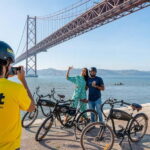
Then comes the bridge: it celebrates the end of the 25 de Abril Revolution that brought an end to decades of dictatorship in Portugal. Again, this is one of those times where the explanation matters. The bridge becomes more than a dramatic span—you understand why it’s celebrated.
You’ll pause long enough for photos and to take in the river lines. The ride itself is what makes this stop work. You’re not craning your neck from a single crowded viewpoint; you’re moving along the river’s edge and watching the city shift.
You can also read our reviews of more tours and experiences in Lisbon


Electricity Museum and the industrial architecture angle
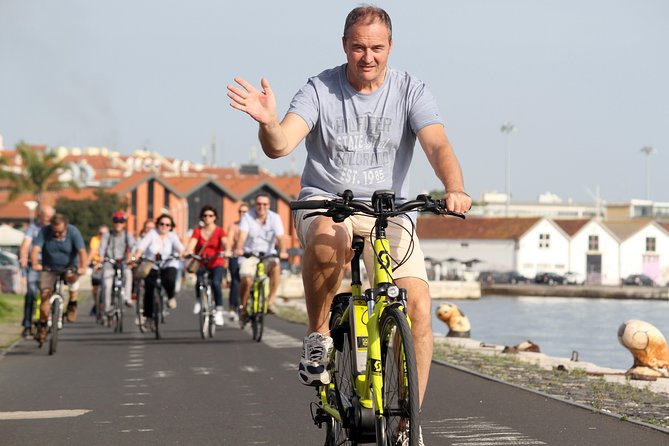
After the river monuments, you pass the former thermoelectric plant area, now home to the Electricity Museum. This stop is about industrial architecture—how older infrastructure still shapes the city’s look.
Why it’s worth attention: Lisbon isn’t only tiles, churches, and viewpoints. You also get industrial history that explains how cities powered themselves and grew. It’s a different lens than most classic tourist routes.
This part of the tour also helps you pace the day. After big iconic sights, it’s a calmer shift. You’re still outdoors, still riding, but the subject matter changes.
Padrao dos Descobrimentos (Monument of the Discoveries): built for a world exhibition
Next up is the Padrao dos Descobrimentos—the Monument of the Discoveries. It was built in 1940 for the Exhibition of the Portuguese World, and that context is a neat detail to carry with you as you look at the monument.
This is a quick stop (about 15 minutes). Don’t plan on a deep museum visit here. Plan on looking, getting the story behind the symbolism, and then moving on. The value is how it fits between river sights and monastery time.
Also, it’s one of those locations where wind off the river can feel sharp. If you run cold easily, bring a light layer even in warmer seasons.
Torre de Belém and the fortifications: quick look, clear takeaway
Then you’re back at Torre de Belém for the fortifications focus. You’ll spend around 15 minutes here, enough time to see the Age of Discoveries depictions and understand the defensive purpose.
If you want to go deeper later, you can. But the tour’s job is to give you the big picture so you don’t feel lost if you return on your own.
One practical note: admission for certain monument stops isn’t included. That means you’re not being pressured into paying extra at every point. You can enjoy the exterior views and decide later what’s worth going inside.
Jerónimos Monastery area: coffee break and Manueline-style architecture
Cycling continues to the Monastery of Saint Jerome (Mosteiro dos Jerónimos). Before you reach it, you’ll get a coffee break, described as a quieter pause that helps you reset before the main landmark.
The monastery itself is a strong stop for architecture lovers. It’s known as one of Lisbon’s finest examples of Manueline style. You don’t need a degree in Portuguese design to appreciate the look. The guide helps you see what to notice—ornamentation, style cues, and why it’s considered special.
This is also where the day hits a sweet spot: you’ve ridden enough to feel like you did something, but you still have energy to enjoy a calm moment.
Pastéis de Belém in the gardens: the included treat worth planning around
Yes, it’s the famous custard tart. But the way this tour uses it is smart.
You’ll stop to taste Pastéis de Belém in the monastery gardens, and it’s included. That setting helps. You’re not just eating while standing in a crowd. You’re in an atmospheric spot where the pastry feels like part of the experience, not an afterthought.
A quick heads-up: this isn’t a slow dessert crawl. It’s a timed stop (about 15 minutes), so you’ll want to go in ready to enjoy one pastry, not to sample a half-dozen things.
If you’re someone who gets overwhelmed by food lines, this timing-and-guiding approach can feel easier than doing it on your own.
LX Factory: industrial leftovers turned into lifestyle shopping
After the monastery and pastry, you’ll roll by LX Factory, an area that used to be industrial and has since been rehabilitated into a leisure and shopping space. It’s a free stop, with time around 15 minutes.
What you can expect here is a contrast. You’ve just spent time with major monuments tied to Portugal’s past. LX Factory gives you a glimpse of the city’s present-day creative reuse—old factory spaces repurposed for shops and casual hangouts.
It’s also a nice way to end with something lighter. Not everyone wants one more church after a pastry. This stop gives a different kind of Lisbon mood.
How much riding you actually do (and who this suits best)
This tour is built for people who want motion without the misery. Because it’s electric, you don’t have to treat every incline like a fitness test. The assist helps you keep a steady pace so you can focus on sights instead of cadence.
From the feedback, I’d say this is a great match for:
- first-time e-bike riders who need instruction and confidence building
- couples and small groups who want a guided loop without booking multiple separate transport days
- travelers who like history but don’t want to spend their entire trip standing in lines
The main condition: you still need to be comfortable cycling in an urban environment. The guide handles safety and directions through traffic, but Lisbon is Lisbon. Narrow streets, pedestrians, and parked cars mean you’ll pay attention.
Also, if you’re very sensitive to a slower pace, consider this: a few people felt the tour didn’t fully match the expected time on the bike due to extra explanation. That doesn’t make it bad, but it affects expectations. You’re buying a mix of riding plus guided storytelling.
Price and value: what $48.27 gets you in practical terms
At about $48.27 per person, this tour is priced like a mid-range guided activity, and it earns its keep if you value three things:
1) Time savings
Three hours covers Belém’s key landmarks spread across a wide area. Without the e-bike, you’d likely stitch together transit plus walking plus route planning.
2) Included extras
You get the helmet, bottled water, and the e-bike itself. You also get the included Pastéis de Belém stop. Add in liability and personal accident insurance, and you’re not piecing together risk and logistics yourself.
3) Guidance that makes the city easier
Repeated praise centers on safety and clear direction—especially through busy parts of Lisbon. A good guide is worth paying for here because the route crosses different neighborhood “moods” quickly.
What you should watch for on value: group size and bike condition. A few comments mention seats needing fixes and crowding affecting how easily the guide can keep everyone together. That’s not guaranteed, but it’s the one thing that could make the experience feel less smooth.
Pacing and group reality: the trade-off for covering a lot
The tour runs with multiple stops and short windows (often around 15 minutes each for the major landmarks). That’s what makes it efficient. It’s also why some people feel the day is more “guided sequence” than “long ride.”
Two practical tips if you’re sensitive to pacing:
- Decide ahead of time what you’ll do with your questions. If you ask lots of deep questions at every stop, you’ll shift the group rhythm. Save the big questions for the moments when the group is stationary.
- If you want maximum riding time, keep your expectations flexible. There will be safety pauses, regrouping, and brief explanations.
The upside: even with quick stops, you get a coherent loop that connects everything from market life to river icons to monastery architecture.
Should you book this Belém electric bike tour?
Book it if you want a smart, scenic way to see Belém and the Tagus without burning your whole day on transit. It’s a strong option for first-timers because instruction is included, the e-bikes reduce strain, and you get the best highlights tied together in a single guided loop.
Skip it (or adjust expectations) if you’re the type who wants long stretches of continuous riding with minimal talking, or if you dislike group travel through crowded city streets. There are also occasional hints that bike comfort and guide tracking can be impacted by the group size—so if you’re picky, arrive early, listen carefully at the briefing, and speak up right away if something feels off.
If you’re trying to make the most of a short Lisbon stay, this tour is a very practical start. You leave with photos you’ll actually use, plus a clearer sense of how Belém connects to Portugal’s story.
FAQ
How long is the Belém–Lisbon electric bike tour?
The tour lasts about 3 hours.
Where does the tour start?
The meeting point is Largo Severa 7A, 1100-132 Lisboa, Portugal. The tour ends back at the same meeting point.
What’s included with the tour price?
Included items are a professional guide, an electric bicycle (with Bosch e-bike drive system), a helmet, bottled water, Pastéis de Belém, and liability and personal accident insurance.
Is a Pastéis de Belém included?
Yes. Pastéis de Belém is included as part of the tour.
Do I need to be an experienced cyclist?
Most travelers can participate. You get instruction and a safety briefing before you ride.
Is the tour offered in English?
Yes. The tour is offered in multiple languages, and English is available.
Which stops have admission fees?
Admission tickets are not included for the Monument of the Discoveries and Torre Belém, and they are also not included for the Monastery of Saint Jerome. LX Factory is free, and Pastéis de Belém is included.
How many people are in the group?
The tour has a maximum of 15 travelers.
What happens if the weather is bad?
This experience requires good weather. If it’s canceled due to poor weather, you’ll be offered a different date or a full refund.
Is public transportation nearby the meeting point?
Yes. The meeting point is near public transportation.