REVIEW · FOOD & DRINK
Arrábida Palmela Azeitão Private Tour – W/ Wine Tasting & Tapas
Book on Viator →Operated by Yellow Cab TT Tours, Unipessoal, Lda. · Bookable on Viator
Wine, castles, and ocean views in one day.
This private Land Rover tour is designed for a smooth, no-rush day south of Lisbon, with hotel pickup and a set of stops that mix nature, medieval fortresses, and serious wine country. I especially like the wine-and-tapas portion in Azeitão, because it feels like you’re learning local tastes instead of just collecting tastings. You also get classic Lisbon landmarks worked into the route, so it doesn’t feel like you only go “out of town.”
My second favorite part is the way the itinerary hits both sides of Portugal: hilltop history and coastal scenery. You’ll pass the Tagus bridges, explore Palmela’s castle area, then spend time in Arrábida’s protected coastal park and the small towns of Azeitão. One consideration: the day is full, and since lunch is not included, you’ll want to plan for a snack or a proper meal timing around the tastings.
In This Review
- Key things that make this tour worth your attention
- A private Land Rover route that actually feels like your day
- The Tagus bridges: getting oriented fast before you go south
- Palmela’s hilltop story: from strategic town to a castle you can feel
- Arrábida Natural Park: where the mountains meet the ocean
- Vila Nogueira de Azeitão: wine tasting in a setting with working history
- Azeitão town: sweets, sheep-milk cheese, and muscat identity
- Azulejos de Azeitão: watching Portuguese tile craft in motion
- Jose Maria de Fonseca: stepping into a classic winery name
- Cristo Rei and the best south-side Lisbon views
- Returning via the 25 de Abril Bridge: a final photo moment with context
- How this tour plays for different types of travelers
- Value and pricing: is $312.15 per person fair?
- Practical tips so you get the most from your day
- Should you book the Arrábida, Palmela, and Azeitão private tour?
- FAQ
- How long is the Arrábida Palmela Azeitão Private Tour?
- Is hotel pickup and drop-off included?
- Is this tour private?
- What language is the tour offered in?
- What’s included for food and drinks?
- Is lunch included?
- Do I need tickets for the stops?
- When does the tour operate?
- Can I cancel for a full refund?
Key things that make this tour worth your attention
- A private schedule: you can adapt timings and stops to your preferences (ask your guide early).
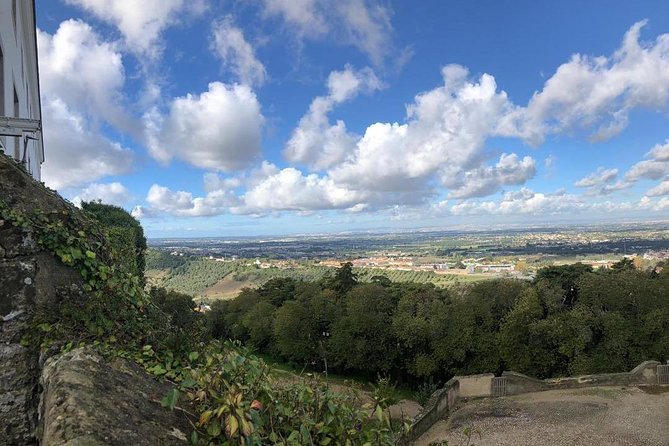
- Arrábida National Park viewpoints: the sea-meets-mountains feel is the real centerpiece here.
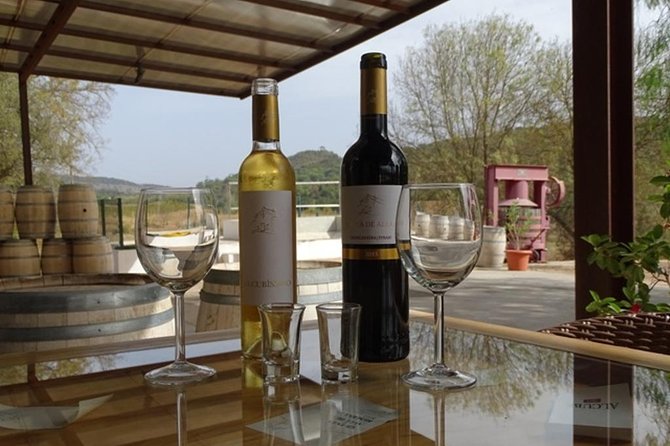
- Wine tasting with food: tapas, cheese, and wines are built into the experience at the winery stops.
- Palmela by medieval engineering: castle time comes with an easy sense of place above the region.
- Azulejos made by hand: tile craft you can actually watch, not just admire from far away.
- Top south-of-Lisbon viewpoints: Cristo Rei and the big Tagus bridges bookend the day nicely.
A private Land Rover route that actually feels like your day
This is the kind of Lisbon area tour that works when you want comfort and control. With hotel pickup and drop-off in Lisbon city, you skip the “where do we meet, which bus, which platform” stress. You’re in a private vehicle for an ~8-hour outing, and that matters on a day like this because you’ll be moving between hill towns, protected park roads, and winery stops.
The itinerary is built like a good tasting menu: history first, then scenery, then food and wine. You’re also not stuck in a one-size-fits-all group pace. The tour notes that suggested timings and stops can be adapted, which is useful if you want extra time at a viewpoint or slightly shorter breaks between stops.
If you care about guide style, the reviews are consistent about one thing: the guides bring energy and keep things friendly. Names that show up include Paula and Tânia, plus other guides like Ruy, Madalena, and Pedro in different group accounts. English is offered, and the tone in the accounts suggests the explanations land well while still keeping the day fun.
One small thing to keep in mind: the day includes tastings and snacks, but lunch isn’t included. That doesn’t mean you’ll go hungry, but it does mean you should think about your eating rhythm so you’re not waiting too long for a full meal after the morning stops.
You can also read our reviews of more food & drink experiences in Lisbon



The Tagus bridges: getting oriented fast before you go south
The day starts with big-scope Lisbon geography: the Tagus River estuary and the bridges that connect the city to its southern side. You’ll pass the Vasco da Gama Bridge, the one opened to traffic in 1998 just before Lisbon’s Expo 98 period. It’s described as the longest bridge in Europe at more than 12 kilometers, which gives you immediate context for why this route feels so “Lisbon-modern” even as you head back toward medieval towns and countryside.
Later, the tour also references the 25 de Abril Bridge, finished in 1966. It shares a concept with the San Francisco–Oakland Bay Bridge, which is a fun mental comparison if you’ve been to the US. You’ll also end up with classic photo angles from the south side routes back toward central Lisbon.
Why this matters: when you visit Lisbon’s viewpoints after you’ve seen the river and bridges from a moving vehicle, they stop being random monuments. You start connecting where you are to how Lisbon works—river as boundary, bridges as lifelines, and the south as a different rhythm.
Palmela’s hilltop story: from strategic town to a castle you can feel
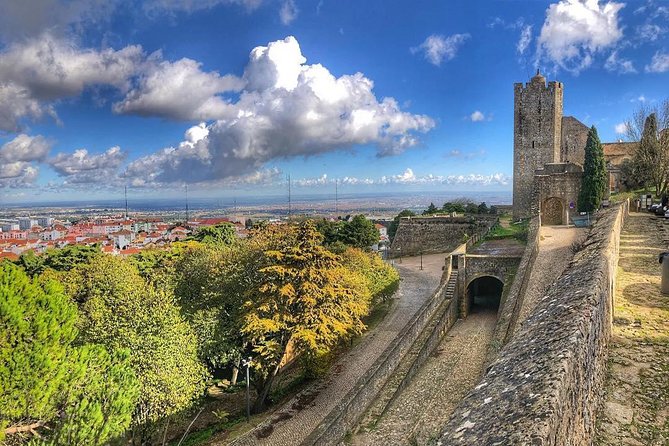
The itinerary then shifts to Palmela, starting with a town connected to early Portuguese history. The description points to a 12th-century conquest by the first Portuguese king D. Afonso Henriques. It’s also presented as a strategic defensive landmark south of Lisbon—built for control of movement, not just for pretty views.
Next comes Castelo de Palmela, a national monument with medieval origins. The castle dates from the 12th century, and the stops are timed for a short visit (about 30 minutes) with an admission ticket included. Even if you don’t love formal museum-style stops, castle visits like this tend to pay off quickly because the viewpoint and layout do the explaining for you. You can stand where defenders once stood and get a real sense for why the hill mattered.
A practical note: castle time is usually best when you have good walking shoes and a quick mindset. Thirty minutes goes fast up and around. If you want photos, plan a couple of “must-have” angles so you don’t spend the whole visit chasing the perfect shot.
Arrábida Natural Park: where the mountains meet the ocean
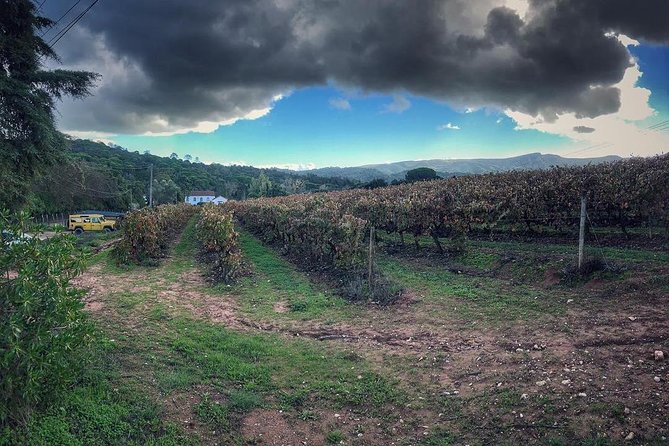
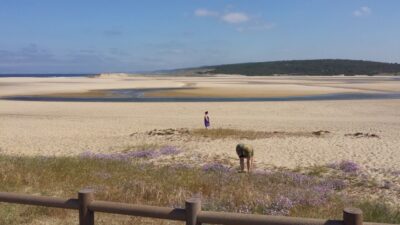
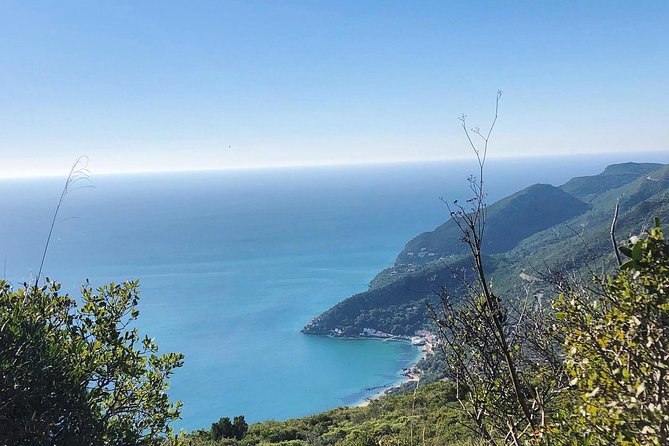
After Palmela, you move into what the tour frames as a very specific Portuguese setting: a place where the mountain reaches the ocean. This is in the Arrábida protected area, and the itinerary emphasizes the kind of views that feel different from typical “coastline” sightseeing.
You’ll travel through the protected park area with time for breathtaking lookouts and time to connect with nature. The notes also mention that you’ll hear about old convents and amazing beaches. Even if your stop time is short, the value is in the drive-by + viewpoint structure: you get multiple visual moments without needing to plan hikes on your own.
This part is often what people remember most because it changes the pace. You go from masonry and town streets to open horizons and sea air. The tour doesn’t ask you to become an outdoor athlete, but it does give you enough time in the views to feel like you actually left Lisbon behind.
Vila Nogueira de Azeitão: wine tasting in a setting with working history
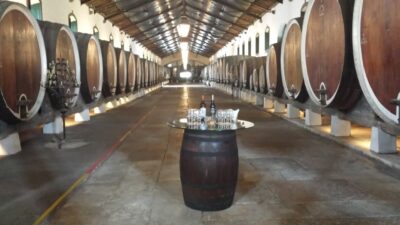
Now the day turns into wine-country rhythm. The next stop is Vila Nogueira de Azeitação, described as being in the heart of the Arrábida protected landscape. Here, you visit a historical estate that produces a wide range of wines, and you get a guided tasting.
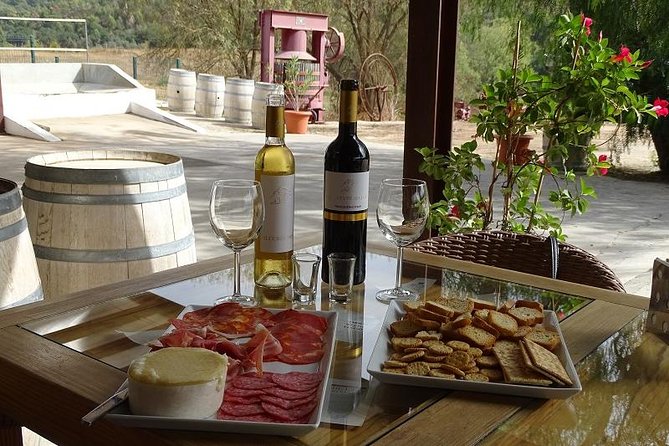
The key value: this isn’t wine only. You’ll have a tasting that includes tapas, cheese, and wines. There’s also a time window of about 45 minutes, and the admission ticket is free for this stop.
Why food matters here: Azeitão wines make more sense when you can pair them with the local flavors you’re tasting at the same time. Tapas and cheese act like a bridge between what you smell and what you can taste, and it helps you remember which wine style you liked for a reason (not just because it was good).
If you’re a wine fan, you’ll likely appreciate the way the tasting is positioned: history and architecture mixed with production tradition. If you’re not a wine expert, that framing is still useful because it keeps the tasting from feeling like a lecture.
You can also read our reviews of more private tours in Lisbon






Azeitão town: sweets, sheep-milk cheese, and muscat identity
Next comes the town of Azeitão itself, with a short visit (about 30 minutes) and admission ticket free. The tour highlights Azeitão’s special sweets—Tortas de Azeitão—and a distinct sheep-milk cheese. It also places the area inside the Setúbal wine region, especially associated with Moscatel, a sweet fortified muscat.
This stop is shorter than the wine estate, so think of it as a palate reset and a cultural connection. It’s also a great time to try something small if you want to complement the earlier tastings—especially if your personal style is to snack frequently on day trips.
Possible drawback: if you expect a long walk-through town experience, the time can feel a bit tight. But if you want highlights and a quick feel for the place, it works.
Azulejos de Azeitão: watching Portuguese tile craft in motion
A big practical win on this tour is the inclusion of Azulejos de Azeitão. Portuguese tiles are everywhere in Lisbon, but seeing how they’re made is another level.
The stop is described as a tilery tradition you can experience where they still produce pieces by hand, one by one. You’re given around 30 minutes here, with an admission ticket included. That’s enough time to notice process details without feeling trapped.
Why it’s valuable: azulejos aren’t just decoration. They’re a craft tradition linked to buildings, icons, and local artistic patterns. Watching the making adds context to what you’ll see later on in Lisbon—suddenly you’re not just looking at blue tiles, you’re thinking about labor, design, and technique.
Jose Maria de Fonseca: stepping into a classic winery name
The next wine stop is Jose Maria de Fonseca, described as a historic winery established in the early 19th century. It’s said to have won world awards, and it produces both table and fortified wines.
You’ll also hear about how it’s the creator of Periquita red and a special purple muscat wine. The stop is timed at about 45 minutes, with admission ticket included.
This is a second tasting experience, and that matters because it gives you comparison. If the first tasting helped you orient yourself to what Azeitão tastes like, this stop helps you understand what happens when a brand scales production while still working in recognizable regional styles.
One caution: when you have two wine tastings in one day, pace yourself. Take a few water breaks. If you’re buying bottles as souvenirs, consider doing it after you’ve got a clear sense of what you truly want to take home.
Cristo Rei and the best south-side Lisbon views
Before the final Lisbon bridge stretch, you’ll visit Santuario Nacional de Cristo Rei. The tour frames it as one of the best views of Lisbon from the south side of the Tagus River. The monument is over 100 meters tall, completed in 1959, and built to fulfill a vow from the Portuguese episcopate to keep the country in peace during World War II.
The stop is short—about 10 minutes—and the admission ticket is not included. That’s important if you’re trying to plan a paid viewpoint experience versus a quick exterior look. With only ten minutes, you’ll want to decide fast how you want to spend that time.
Why this stop lands: after castles and countryside scenery, Cristo Rei adds a human-scale anchor back to Lisbon’s skyline and river. You’re basically closing the loop between the modern bridges and the historic city center.
Returning via the 25 de Abril Bridge: a final photo moment with context
The final segment routes you back using the 25 de Abril Bridge, described as the main passage reconnecting the south with Portugal’s center. The bridge is one of Lisbon’s most photographed monuments, and the SF–Oakland Bay Bridge comparison is included to help you recognize the engineering vibe.
If you like ending a trip with “big picture” visuals, this is a good wrap-up. You finish with motion and scale, which is a nice counterbalance to short stops on foot.
How this tour plays for different types of travelers
This private outing fits best when you want a day trip that feels tailored but still covers a lot. If you’re traveling as a couple or small group, the private Land Rover format gives you comfort on roads that can be winding through park areas.
It’s also a smart pick for:
- Wine lovers who want tastings with actual local food (tapas and cheese are included at the Azeitão estate stop).
- History-and-view people, especially if medieval viewpoints and castle ruins are your thing.
- Design/craft fans, since you’ll see azulejo production by hand instead of just admiring tilework from a distance.
It’s less ideal if you want:
- A long, freeform wandering day in one town (Azeitão is short here).
- A full sit-down lunch experience as part of the main package (lunch is not included).
Value and pricing: is $312.15 per person fair?
At $312.15 per person for roughly 8 hours, the price looks steep on paper. But private tours with a dedicated Land Rover, hotel pickup/drop-off, multiple paid sights, and two meaningful wine-focused experiences typically cost more than you’d pay for a basic bus tour.
What helps the value is what’s bundled:
- Wine tasting + food at the Azeitão estate (tapas, cheese, wines).
- Another historic winery stop with tastings included.
- Snacks and alcoholic beverages are included.
- Some admission tickets are included (Castelo de Palmela and Azulejos de Azeitão, plus Jose Maria de Fonseca), while others have exceptions (Cristo Rei admission not included, and some stops are free).
The one clear tradeoff is lunch. You’ll likely want to budget for a meal outside the package, either before the tour ends or as a planned stop after the tastings.
If you split the cost across multiple people in your group, this can start to feel like better value than a crowd-based tour where you pay for “less attention.”
Practical tips so you get the most from your day
- Eat earlier than you think. Tastings are included, but lunch is not, and the day has multiple short stops.
- Wear shoes you can move in. Castle areas and viewpoint walks can be uneven.
- Pace your wine. Two tastings plus scenic driving is great, but keep water handy.
- Ask for adjustments on the spot. The tour setup allows changes to timings and stops, so if you care about one viewpoint more than another, speak up early.
And if you’re lucky enough to have guides like Paula or Tânia, the accounts suggest they’re warm, accommodating, and good at keeping the day moving without losing the story.
Should you book the Arrábida, Palmela, and Azeitão private tour?
Book it if you want a private day trip that mixes wine-country tastings, medieval hilltop history, and a protected-coast scenery drive—all anchored by hotel pickup. It’s especially worth it if you care about food pairing and want a route that feels planned but not rigid.
Skip it (or adjust expectations) if you’re chasing a long town stroll or a guaranteed lunch as part of the package. Also, if you dislike wine tastings, know that the itinerary is built around them twice.
FAQ
How long is the Arrábida Palmela Azeitão Private Tour?
The tour duration is listed as approximately 8 hours.
Is hotel pickup and drop-off included?
Yes. Pickup and drop-off are included, and you just share your Lisbon address for pickup within Lisbon city.
Is this tour private?
Yes. It’s a private tour, and only your group participates.
What language is the tour offered in?
The tour is offered in English.
What’s included for food and drinks?
The tour includes wine tasting, food tasting, snacks, and alcoholic beverages.
Is lunch included?
No. Lunch is not included.
Do I need tickets for the stops?
Some admissions are included in the itinerary (for example, Castelo de Palmela and Azulejos de Azeitação), while others are not included (Cristo Rei admission is listed as not included).
When does the tour operate?
It runs Monday through Sunday from 8:30 AM to 5:00 PM.
Can I cancel for a full refund?
Yes. You can cancel up to 24 hours in advance for a full refund.