REVIEW · FATIMA, NAZARE & OBIDOS DAY TRIPS
Fátima Private Tour And Batalha Nazaré & Óbidos
Book on Viator →Operated by Fantastic Ride · Bookable on Viator
A holy day trip with ocean roar. This private day from Lisbon links Fátima sanctuaries, Portugal’s medieval power at Batalha Monastery, and Nazaré’s Atlantic drama, then finishes with the storybook walls of Óbidos. You’ll move through places that feel intense for one reason or another: faith, nation-building, and the real work of fishermen facing big waves.
I especially like the stop choices for mixing old devotion with newer design. The Basilica of the Holy Trinity at Fátima is a modern, white, round church with no intermediate support—huge scale, clean lines, and a calm effect even if crowds are around. I also like the comfort of a private setup, with hotel pickup and drop-off, an air-conditioned minivan, bottled water, and WiFi on board.
One possible drawback: it’s a long day (about 8 to 9 hours) with several walking-heavy church and viewpoint stops, and not all attraction costs are included. Batalha Monastery, Farol da Nazaré, and Óbidos have tickets not included, so you’ll want to budget a bit for admissions and keep your schedule flexible.
In This Review
- Key highlights to know before you go
- A single day stitching Fátima, Batalha, Nazaré, and Óbidos
- Price and value: what you’re really paying for
- Logistics that affect your experience: start time, dress, and walking
- Basilica of the Holy Trinity: modern Fátima’s huge white circle
- Capela das Aparições: the holm-oak story in a simple chapel
- Basilica of Our Lady of the Rosary: the core that pulls everything together
- Valinhos and Aljustrel: the Via-Sacra route and the House stops
- Batalha Monastery: where Portuguese unity gets a name and a date
- Farol da Nazaré: wide coastal views from the Sítio balcony
- Nazaré town and craft browsing: carapaus drying and Our Lady legend
- Óbidos’ medieval walls: a compact town packed with churches
- Who this tour suits best (and who might want to think twice)
- Should you book this Fátima Private Tour And Batalha Nazaré & Óbidos?
- FAQ
- What time does the tour start?
- Is this a private tour or shared group?
- What’s included in the price?
- Are attraction tickets included?
- How long is the tour?
- What should I wear or bring?
- Do I need a passport?
- How far in advance should I book?
Key highlights to know before you go
- A modern round basilica at Fátima (Holy Trinity), planned for decades and inaugurated in 2007
- Capela das Aparições built by local people in 1919, tied to the holm-oak tree story
- Batalha Monastery and the Battle of Aljubarrota (1385) near this site
- Farol da Nazaré for wide coastal views toward Nazaré to Peniche
- Nazaré’s real fishing rhythm (including carapaus drying) plus craft-focused browsing
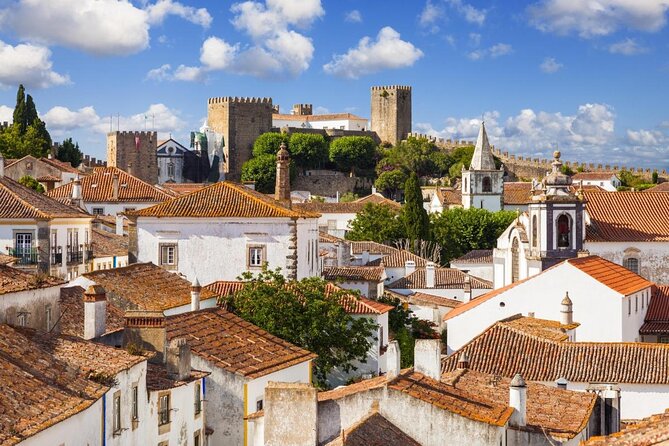
- Óbidos’ medieval layout with extra church density thanks to royal-era ownership
A single day stitching Fátima, Batalha, Nazaré, and Óbidos

This is the kind of itinerary that works when you want a lot of Portugal in one go, but you still want it guided and not chaotic. The day is built around three different vibes.
First comes Fátima, where the focus is religion and pilgrimage routes, from the dramatic core around Cova da Iria to Valinhos and Aljustrel. Then you swing toward Portugal’s medieval turning points at Batalha Monastery. After that, you get the Atlantic side of the story: Nazaré’s coastal viewpoint at Farol, the working-fishing atmosphere down in town, and then the walled, historic calm of Óbidos.
Even if your interests lean more toward architecture, history, or coastal scenery, this route has a way of connecting them. It’s not just about seeing places—it’s about moving through environments that shaped Portuguese identity, one step at a time.
You can also read our reviews of more private tours in Lisbon

Price and value: what you’re really paying for
At $290.89 per person, this isn’t a budget throw-in-your-earphones-and-go outing. You’re paying for the private format and the logistics of packing a lot into one day without relying on schedules and transfers.
Here’s what makes the price feel more sensible:
- Door-to-door service: hotel pickup and drop-off, which saves real time in Lisbon
- Comfort during the long drive: air-conditioned minivan, plus bottled water
- Private group time: the tour is just your group, not a packed bus with random pacing
- Mobile ticket and WiFi on board: small perks that matter when you’re out for most of the day
Also, the day is long enough that comfort becomes part of the value. When you’re spending hours between sites, air-conditioning and a smooth pickup can turn a stressful day into a manageable one.
Do note what’s not included: food and drinks and tickets. Some stops are free, some are not, so your final cost depends on how you handle admissions at Batalha Monastery, Farol da Nazaré, and Óbidos.
Logistics that affect your experience: start time, dress, and walking
The tour starts at 9:00 am and runs about 8 to 9 hours. That matters because you’ll be doing more than just “look and leave.” You’ll enter church spaces, move between pilgrimage points, and climb in and around Nazaré’s viewpoints area.
The dress code is smart casual, and you’ll be wise to bring comfortable walking shoes. Religious sites can involve uneven stone and long periods standing, even when the stops are described with short durations.
You also need a current valid passport on the day of travel. That’s not something you want to realize at the last second.
If you want the day to feel relaxed, plan for a steady pace and don’t over-pack with extra plans after the tour. This is designed as one complete loop.
Basilica of the Holy Trinity: modern Fátima’s huge white circle
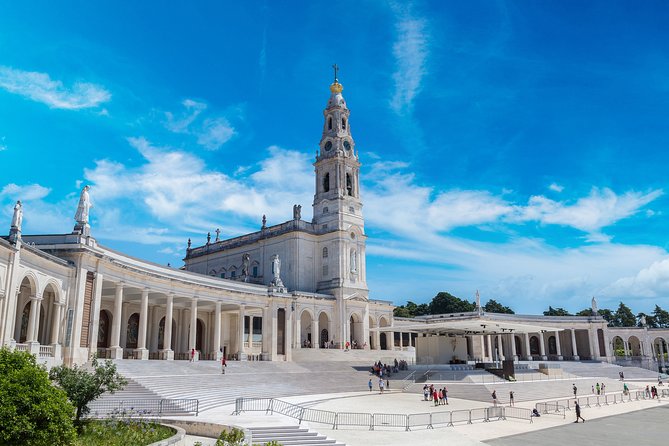
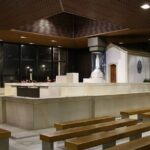
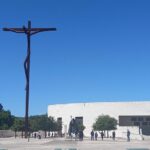
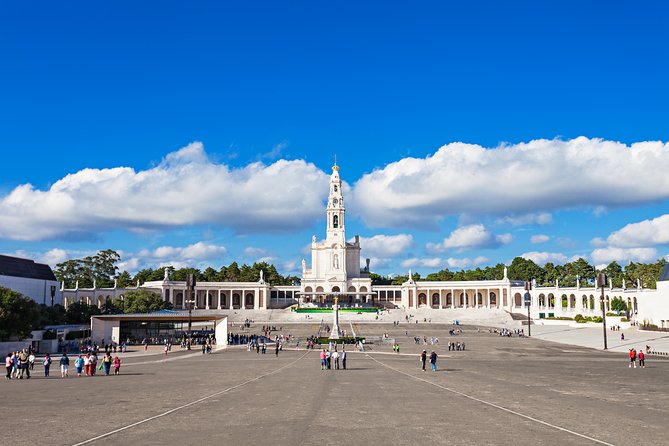
At the Basilica of the Holy Trinity, the first thing you notice is scale. This is a modern church within the Sanctuary of Fátima area, set across from the Basilica. The building was inaugurated in 2007, but the plan goes back to 1973, because earlier capacity simply wasn’t enough for major pilgrimage days.
Architecturally, it’s built like a statement: a white, round building with a diameter of 125 meters and no intermediate support. Translation for your eyes: it feels open and grounded. You get big space without the visual clutter of heavy columns.
Why I like this stop for practical travelers: it gives you a reset in the middle of the day’s emotional intensity. Even people who aren’t focused on religious architecture tend to appreciate the clarity of the design. And because it’s free entry, you can spend your time without worrying about extra costs.
Time here is about 30 minutes, so the goal isn’t a deep study. It’s more like getting your bearings in the Sanctuary complex and understanding the range of what Fátima looks like today.
Capela das Aparições: the holm-oak story in a simple chapel
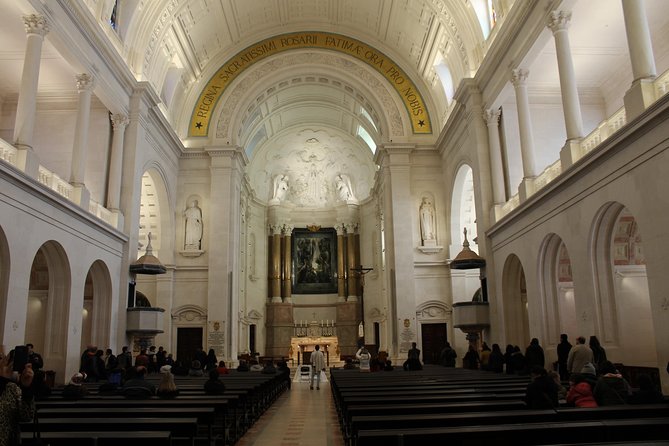
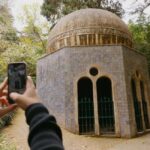
Capela das Aparições is the more intimate stop. The chapel sits in the heart of the current Fátima Sanctuary and was built by local people in 1919, responding to a request made by Our Lady during one of the apparitions. The first mass held there was in 1921.
Unlike the big modern structures, this chapel keeps a modest, rough-hewn feel, close to a simple hermitage. The key detail is the Our Lady image marking the spot of the holm-oak tree—the place connected with the shepherds and their rosary prayers.
The story of the tree is memorable: it disappeared piece by piece as believers took twigs. Whether you find that detail moving or just fascinating, it gives the place a human scale. This isn’t a museum narrative; it’s a living shrine.
This stop is also free and typically runs around 30 minutes. Use that window for quiet observation rather than trying to “collect facts.” If your mind is wandering, that’s normal. The chapel tends to slow people down.



Basilica of Our Lady of the Rosary: the core that pulls everything together
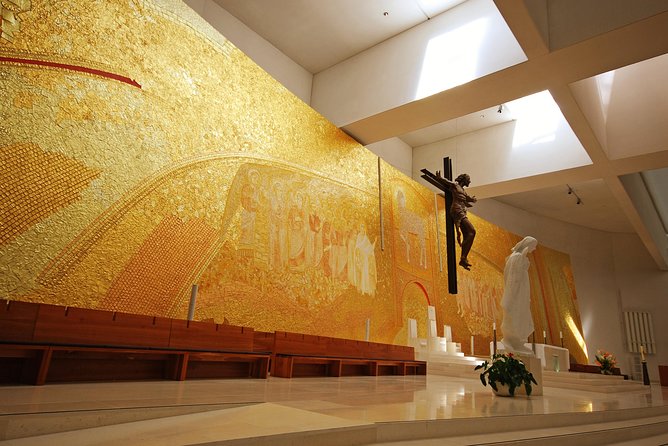
Next is the Basilica of Our Lady of the Rosary, the one commonly called the Basilica of the Rosary. It integrates into the Sanctuary of Fátima at Cova da Iria in the municipality of Ourém.
You get another 30-minute block here, and since entry is free, you can focus fully on the experience rather than the paperwork of ticketing. The best use of your time is to step back and take in the space before looking for details up close.
Why this stop matters for the full-day flow: it’s the centerpiece vibe that explains why the other locations exist. Once you’ve felt the scale and atmosphere here, Valinhos and Aljustrel start to click as part of a larger pilgrimage route rather than separate dots on a map.
If crowds are thick, don’t fight it. Let the guide help you find the best viewing points and timing inside. Private touring is useful precisely because you can adjust without derailing the plan.
Valinhos and Aljustrel: the Via-Sacra route and the House stops
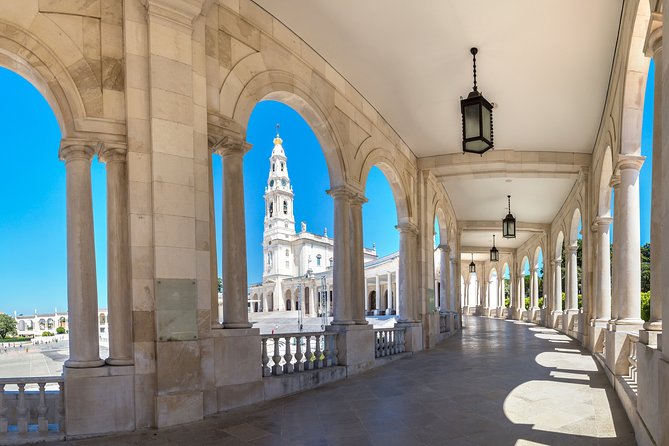
Valinhos is where the experience turns more into route-following. Here, thousands visit the area on the route of the Via-Sacra to the Hungarian Calvary, then continue to key devotional points.
Your stops within this area include:
- the Chapel of St. Stephen of Hungary
- the House of Lucy
- the House of Francis and Jacinta Marto in the village of Aljustrel
This part works well if you like your pilgrimage story grounded in place names. It’s also where the tour’s “history and religion” theme feels most practical: you’re not only looking; you’re walking a meaningful path through the geography of devotion.
One note for planning your energy: this section can involve more movement than it looks like from the schedule. Even if each stop is not described as a long hike, you’ll still benefit from steady shoes and a calm mindset. Think of it as slow pacing within a structured day.
Admission is listed as free here, which helps if you’re trying to control costs during the day.
Batalha Monastery: where Portuguese unity gets a name and a date
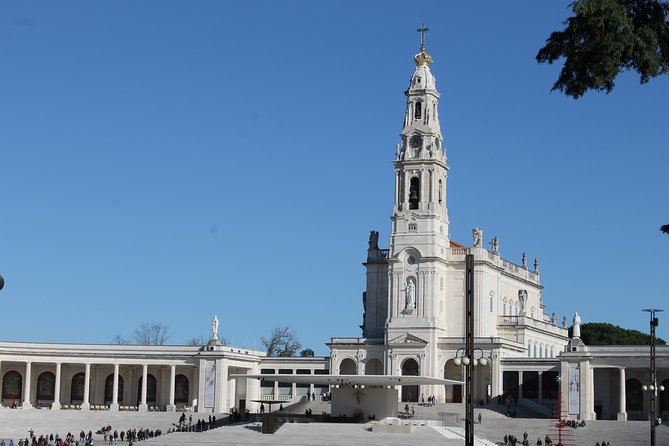
Batalha Monastery of Santa Maria da Vitória is one of those places that feels important the moment you arrive. It connects to a major event for the consolidation of the Portuguese nation.
The nearby Battle of Aljubarrota on August 14, 1385 happened close to where the monastery stands. D. João, Master of Avis and the future king of Portugal, overcame the Castilian armies. That victory ended a dynastic crisis rooted in events starting in 1383, after the death of King Ferdinand—whose only daughter was married to the King of Castile and became a claimant to the Portuguese throne.
For your visit, this matters because the monastery isn’t just a pretty building. It’s tied to a political and national outcome, and D. João dedicated the monastery to the Virgin Mary after the victory.
This stop is about 30 minutes, with admission not included. Keep that in mind so you don’t get surprised at the door. If you do end up paying a ticket, it’s worth doing because this is one of the most story-dense sites you’ll see on the route.
Farol da Nazaré: wide coastal views from the Sítio balcony
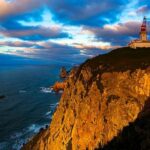
After the inland feel of Fátima and Batalha, Nazaré hits you with coastline scale. Farol da Nazaré at the Sítio da Nazaré area delivers a wide panorama across the Portuguese coast.
The viewpoint centers around Largo de Nossa Senhora da Nazaré, one of the best balconies in the region. From here, you can see:
- Serra de Mira de Aire
- Serra dos Candeeiros
- the coast running from Nazaré to Peniche
Time here is about 1 hour, and admission is listed as not included. That’s your heads-up that you’ll want to budget for whatever access fees apply on the day you go.
Why I think this stop is a must on this specific tour: it changes the emotional tone. After church architecture and battle-era monuments, you finally get the “hard work of fishermen and the waves” reality. Nazaré isn’t just a pilgrimage name; it’s a working Atlantic place. Even if you don’t focus on wave history, the coast views do something your photos won’t fully capture.
Nazaré town and craft browsing: carapaus drying and Our Lady legend
Nazaré itself is a fishing town that also developed into a summer resort. The best part is that the two lives run side by side. You’ll see fish sellers in the streets and carapaus (horse mackerel) laid out to dry.
On this stop, you also get time for Nazaré crafts and design de Autor. That’s a good way to break up a day full of sacred spaces and monuments. And because it’s listed as admission free, it’s low-pressure browsing.
Another reason this stop feels different from a standard sightseeing stroll is the legend behind Our Lady of Nazaré. The story links to the 12th-century figure Dom Fuas Roupinho, who invoked Our Lady when he was about to fall into an abyss while stalking a deer.
Even if you only catch bits of the tale, it helps you understand why the town’s viewpoint district is tied to devotion. It’s not random decoration; it’s part of how the place explains danger and survival.
This stop is about 1 hour. If you’re the type who likes a quick photo sweep, do it early. If you like to talk to shopkeepers and slow down, save energy for this section—it’s where you can spend time without feeling like you’re rushing a museum.
Óbidos’ medieval walls: a compact town packed with churches
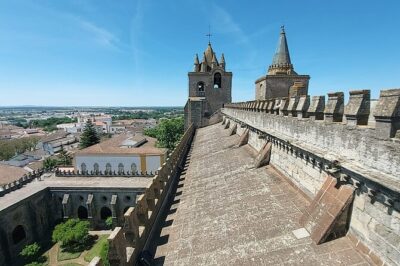
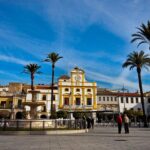
Óbidos is one of Portugal’s best “walk in and you instantly get it” towns. It’s a medieval walled town that stays well preserved, and it’s close to Lisbon while sitting high near the Atlantic coast.
The town’s strategic position helped it thrive long before the Romans arrived. Later, the royal family shaped its identity: King Dinis gave Óbidos to his wife, Queen Isabel, in the 13th century. It then became part of Casa das Rainhas, the Queens’ Estate, which enriched the town across dynasties.
One practical detail that helps you understand why Óbidos feels church-dense: those royal links encouraged building and patronage, so there are many churches packed into a small footprint.
Your time here is about 1 hour, and admission is listed as not included. Since you’ll likely be walking through public areas and streets, you can treat it as a wander-and-savor stop rather than a checklist.
If you’re choosing between photo ops and shopping, I’d prioritize just wandering the walls and picking one or two churches to pause in. In an hour, that gives you the real Óbidos feeling without turning it into a race.
Who this tour suits best (and who might want to think twice)
This tour fits you if you want a curated day that hits big themes—faith, national history, and Atlantic coastal life—without arranging separate transport.
You’ll likely enjoy it if:
- you want private pacing and pickup from Lisbon
- you like architecture and place-based stories (not just quick views)
- you’re okay with a full day that includes multiple stops and some walking
It may feel like too much if you prefer a slow, single-area vacation day. Even though each site is timed, the day still moves through four major zones, so your mental energy needs to stay engaged.
Should you book this Fátima Private Tour And Batalha Nazaré & Óbidos?
I’d book it if you want maximum variety with private comfort. The mix is strong: Fátima’s modern and traditional devotional sites, Batalha’s national-history anchor, and Nazaré and Óbidos for coastal atmosphere and medieval town charm. With hotel pickup, air-conditioned transport, bottled water, and WiFi, you’re set up to enjoy the day instead of managing it.
I’d think twice if you’re trying to keep costs ultra-low or you hate long days. Tickets are not included, and the schedule is full enough that you’ll want comfortable shoes and realistic expectations about how much you can absorb in 8 to 9 hours.
If you’re the kind of traveler who likes one guided day to connect several Portuguese “why does this place matter” stories, this is a solid fit.
FAQ
What time does the tour start?
The tour starts at 9:00 am.
Is this a private tour or shared group?
It’s a private tour. Only your group participates.
What’s included in the price?
The price includes bottled water, transport by air-conditioned minivan, hotel pickup and drop-off, the private tour, and WiFi on board.
Are attraction tickets included?
Food and drinks are not included, and tickets are not included. Some stops list admission as free, while others list admission not included (such as Batalha Monastery, Farol da Nazaré, and Óbidos).
How long is the tour?
It’s about 8 to 9 hours.
What should I wear or bring?
Smart casual dress is required, and comfortable walking shoes are recommended.
Do I need a passport?
Yes. A current valid passport is required on the day of travel.
How far in advance should I book?
It’s commonly booked about 89 days in advance on average, so booking earlier can help your chances.