REVIEW · LISBON WALKING TOURS
A Walking Tour of Old Lisbon
Book on Viator →Operated by Lisbon Steps · Bookable on Viator
Old Lisbon is all hills, alleys, and stories. This 3-hour walk strings it together with Mouraria Fado roots, St. George’s Castle views, and a sweet ending in Alfama. You’ll move through some of Lisbon’s oldest streets with a local guide and get context you’d never pick up from a quick photo stop.
I especially like two things. First, the tour is built around the places where different cultures have mixed for ages, including the neighborhood connections to Fado in Mouraria. Second, it’s not just scenery: you get 2 tastings plus a final Portuguese pastry, so the route ends the way Lisbon often does, with food and conversation. The only drawback to know up front is the terrain. Expect steep bits and uneven steps, so bring comfortable shoes and plan for a moderate fitness level.
In This Review
- Key Points to Know Before You Go
- Why this 3-Hour Old Lisbon Route Works
- Starting at Rossio and Climbing Into Mouraria’s Fado World
- Practical note for this stretch
- St. George’s Castle: Views Worth the Effort
- What to watch for during your visit
- Alfama and the Pastry Finish: Tradition You Can Taste
- Why the Alfama segment feels different
- Lisbon Cathedral: A Surviving Monument With Layers
- What to do in your short time
- Price and Inclusions: What You’re Actually Paying For
- Where It Ends and How to Continue Your Day
- Tips to Keep the Hills From Turning Into a Grind
- Should You Book This Old Lisbon Walking Tour?
- FAQ
- How long is the walking tour?
- Where does the tour start and end?
- What’s included in the price?
- Is there a pastry tasting?
- What should I wear or bring for comfort?
- Is it suitable for kids?
- Can I get a full refund if I cancel?
Key Points to Know Before You Go
- Small group size (max 12), so you can ask questions and actually hear the guide.
- 2 tastings included, plus Portuguese pastry at the end in Alfama.
- Admission fees included and skip-the-queue time-saving for key stops.
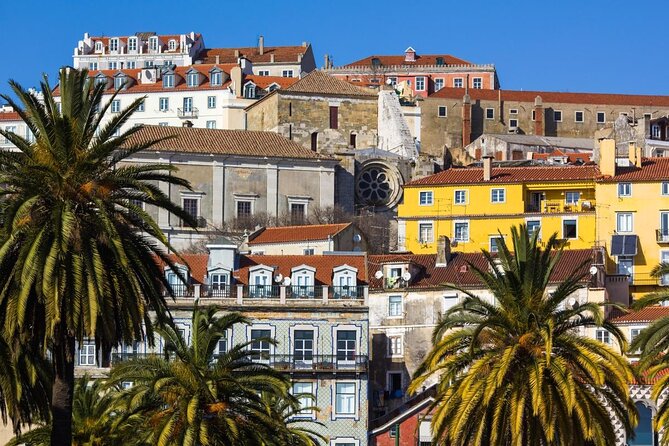
- Route through Mouraria, Santa Cruz area vibes, and Alfama, built for Old Lisbon orientation.
- Hilltop stops like St. George’s Castle, with big payoff views.
- Steep walking handled in short stages, which matters if you want to keep your pace.
Why this 3-Hour Old Lisbon Route Works

Lisbon can feel like a puzzle box. Streets twist, viewpoints pop up suddenly, and then you realize you’ve been climbing for a while. This tour is designed to solve that problem in a short window, moving you from the central hills into the medieval core and then down toward Alfama.
It’s also a smart format for first-timers. In about 3 hours (approx.), you cover several of the neighborhoods most people only hear about, without turning the day into a marathon. You’re guided start-to-finish, and you don’t have to coordinate tickets for the major sights because admission fees are included.
Value matters here. At $63.67 per person, you’re paying for more than a walk. You’re paying for a professional local guide, access to St. George’s Castle (where you’ll spend about 40 minutes), a stop at Lisbon Cathedral (about 20 minutes), and time-saving entry. Add two tastings and that final Portuguese pastry, and it starts to feel less like a “tour price” and more like a planned Old Lisbon sampler.
You can also read our reviews of more walking tours in Lisbon


Starting at Rossio and Climbing Into Mouraria’s Fado World
You begin at Rossio Square (Praça do Rossio), a convenient hub that makes it easy to meet up without stress. From there, the walking route heads uphill through the older parts of Lisbon, with Mouraria as the first big emotional anchor.
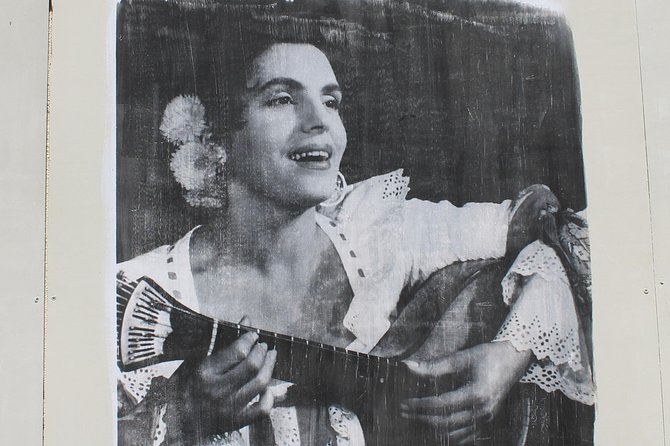
Mouraria is where Lisbon’s mix of cultures shows in the streets and stories. During this portion, the guide frames what you’re seeing in human terms, not just building facts. You’ll learn about the neighborhood’s role in the birthplace story of the Fado music genre, and you’ll get a sense of why this area matters beyond music fans.
What I like about this approach is that it gives you a lens. When you later hear about Fado in restaurants or bars, you’re not just repeating a label. You understand how a neighborhood’s identity shapes its sound and its people. And because you’re walking, you’re learning as the street layout changes, which is how Old Lisbon makes sense.
Practical note for this stretch
This start-to-Mouraria climb is the kind of walking that’s manageable but not flat. Wear shoes you trust on old stone. If you’re the type who stops to catch your breath, tell your guide when you need a slower pace. The tour is paced in short stages, which helps a lot on steep terrain.
St. George’s Castle: Views Worth the Effort
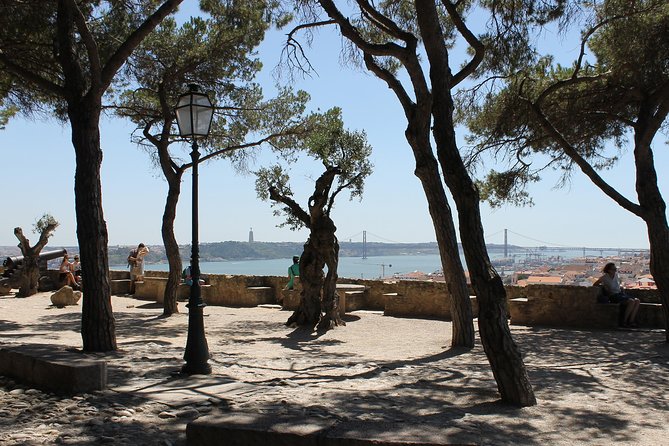
Next comes Castelo de São Jorge, perched on one of Lisbon’s hills. The tour gives you around 40 minutes here, plus admission included. Even if you’re not a castle person, this stop pays off because you get Lisbon’s geography in one glance.
You’ll be high enough to see how neighborhoods fold into each other. Lisbon’s streets are famous for being steep and winding, but seeing the layout from above helps you understand why the city feels like it’s always in motion. The medieval walls and fortifications also make sense of the earlier uphill walk: you’re not just climbing for exercise. You’re climbing because that’s where control, protection, and communication used to happen.
What to watch for during your visit
Use the time to orient yourself. Look for the way Alfama sits below and how the old center spreads out. If you tend to rush through viewpoints, slow down here. Forty minutes is enough to enjoy the views and still get back to street level without feeling trapped.
The other quiet win: because the tour includes skip-the-queue, you spend your time looking out over the city instead of waiting at an entrance. That matters more than people think, especially on busy days.




Alfama and the Pastry Finish: Tradition You Can Taste
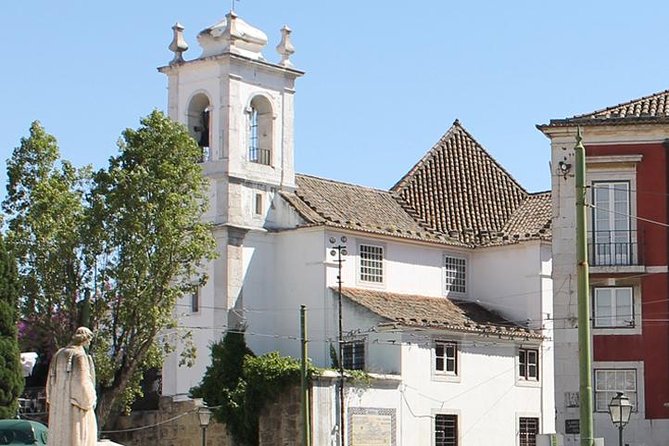
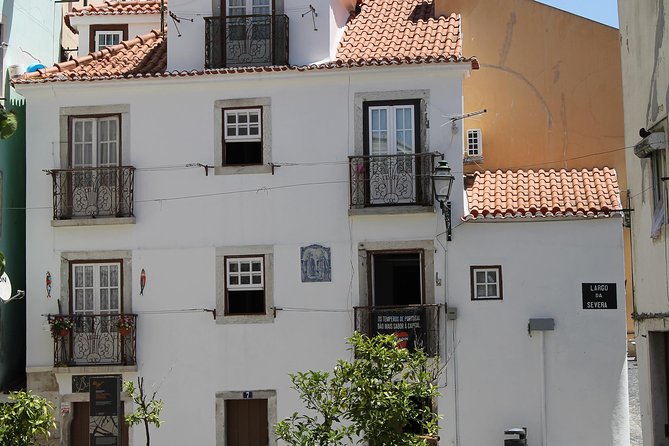
After the castle, the tour moves toward Alfama, and this is where the experience turns warm and personal. You’ll spend about 1 hour exploring the neighborhood atmosphere and learning about traditions connected to what you’re seeing.
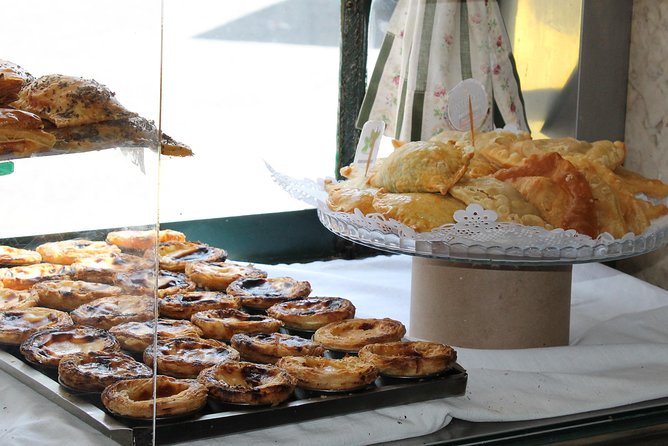
The route includes a fun payoff: you’ll sweeten your mouth with delicious Lisbon pastries before heading deeper into Alfama. The tour ends with that pastry moment, which is a practical choice. Walking + viewpoints can make you hungry, and ending with food keeps the last stretch from feeling like a grind.
Why the Alfama segment feels different
In many Old Lisbon walks, guides just list landmarks. Here, the guide focuses on what makes the streets feel like Lisbon rather than a museum set. Alfama is a place where daily life and history overlap. When you learn the neighborhood’s traditions alongside the street scene, you’re more likely to remember the route afterward.
If you’re planning your own evening later, this stop helps you choose where to linger. You’ll come away with a better instinct for where the vibe shifts, and where you’ll find the kind of small streets that make Lisbon feel like a story.
Lisbon Cathedral: A Surviving Monument With Layers
The tour also includes Lisbon Cathedral, with about 20 minutes on site. You’ll learn that the cathedral dates to 1147, and that it survived many earthquakes, then went through multiple renovations and restorations. The result today is a mix of architectural styles.
I like this stop because it answers a key Lisbon question: how did the city rebuild itself again and again? Earthquakes shaped Lisbon in a very real way. Seeing a building that’s been modified over time gives you a tangible sense of resilience, not just a vague “old place” label.
This is a shorter visit by design. You shouldn’t feel rushed, but you also won’t get stuck in one spot. It works as a bridge between the medieval feel of the hills and the neighborhood atmosphere of Alfama.
What to do in your short time
Look for the contrasts the guide points out, especially where different restoration phases show up. If architecture is your thing, you’ll get more from this stop than you expect. If architecture isn’t your thing, it still gives context for why Lisbon looks the way it does.
Price and Inclusions: What You’re Actually Paying For
Let’s talk money plainly. At $63.67 per person, you’re booking a guided walk of about 3 hours (approx.) with a mobile ticket and a maximum group size of 12. That small-group limit is part of the value. It means the guide can pace the group and answer questions without losing people in the crowd.
Included in the price:
- Local professional guide throughout
- 2 tastings
- Admission fees included
- Skip-the-queue
- St. George’s Castle access and Lisbon Cathedral entry
- A final Portuguese pastry at the end in Alfama
Not included: lunch.
So where does the money go? You’re paying for guided time plus paid access plus time saved. If you’ve ever done Lisbon sights on your own, the entry logistics and line time can add up fast. This tour bundles those headaches for you, which is worth something on a limited vacation schedule.
Where It Ends and How to Continue Your Day
The tour finishes at Campo das Cebolas. That’s a helpful end point because it gives you options for what comes next without having to immediately retrace your steps.
If you want to keep exploring, think of the tour as your orientation layer. You’ll be better placed to choose where to wander afterward, whether you’re hunting for another viewpoint, a quiet street, or a place to sit with a drink.
Tips to Keep the Hills From Turning Into a Grind
Lisbon’s famous for walking uphill. This tour leans into that, but it doesn’t ignore it.
Here’s how to set yourself up for an easier day:
- Wear comfortable walking shoes. The tour involves some walking on older streets.
- Bring an umbrella if rain is forecast. Much of it is outdoors.
- Plan for moderate fitness. You’ll handle steep terrain, but pacing matters.
- If you’re traveling with kids, note that children under 6 don’t pay and are welcome, but walking with baby trolleys may be hard in some spots.
- Do a quick hydration check before you start. Three hours can feel longer when you’re climbing, even at a relaxed pace.
One more small detail that helps: this style of guided walking works best when you’re willing to pause. The guide sets short stages on steep terrain, which makes the route feel doable instead of punishing.
Should You Book This Old Lisbon Walking Tour?
I’d book it if you want a fast, structured way to understand Lisbon’s oldest neighborhoods without spending your time figuring out what to see first. It’s especially good for:
- First-time Lisbon visitors who want orientation fast
- People who appreciate context, not just photos
- Anyone who likes history with practical payoffs (castle access, cathedral entry, and food)
- Travelers who prefer small groups over big coach-style tours
I wouldn’t prioritize it if you dislike hills or have trouble with uneven steps. Also, if you’re hoping for a long sit-down meal, the tour doesn’t provide lunch, and it’s built around tastings and a pastry finish.
If you like your sightseeing with flavor, views, and a guide who can connect neighborhood stories to what you’re standing in, this is a solid choice.
FAQ
How long is the walking tour?
It lasts about 3 hours.
Where does the tour start and end?
It starts at Rossio Square (Praça do Rossio, 1100-200 Lisboa) and ends at Campo das Cebolas.
What’s included in the price?
The tour includes a local professional guide, 2 tastings, admission fees, and skip-the-queue for the included sights.
Is there a pastry tasting?
Yes. The tour ends in Alfama with delicious Portuguese pastries.
What should I wear or bring for comfort?
Wear comfortable walking shoes. If rain is forecast, bring an umbrella since much of the tour is outdoors.
Is it suitable for kids?
Children under 6 don’t pay and are welcome, but walking tours with baby trolleys may be hard to handle in some situations.
Can I get a full refund if I cancel?
Yes. You can cancel up to 24 hours in advance for a full refund.