REVIEW · FOOD
Traditional Lisbon Food Tasting Experience
Book on GetYourGuide →Operated by TakingUThere · Bookable on GetYourGuide
Lisbon tastes better off the main drag. This traditional Portuguese food tasting puts you in Campo de Ourique for 14 tastings across 4 relaxed stops, with a guide who connects each plate to local culture.
I especially liked two things: the way João, a neighborhood insider, explains what you’re eating and how it’s made, and the careful mix of classic savory courses plus standout desserts. João keeps the vibe easy and fun, and the restored market stop makes the experience feel both local and polished.
One heads-up: don’t book this expecting big sightseeing. This is a food-focused walk-and-taste tour, so if you want views and monuments first, you may feel slightly underfed (in the sightseeing sense).
In This Review
- Key Highlights at a Glance
- Why This Tour Works: Food First, Lisbon Second
- Meeting at Igreja de Santo Condestável and the Flow of the Walk
- Stop One: Entrees in Campo de Ourique (Classic Plates, Neighborhood Stories)
- Stop Two: The Restored Market Stop (Porco Preto and Bife de Atum)
- Stop Three: A Top Bakery Finish (Pastel de Nata, Chocolate Cake, and Almonds)
- Stop Four: Ginjinha and the Local Secrets for Your Remaining Time
- What You Really Pay for: The $200 Value Check
- Who This Tour Fits Best (and Who Should Consider Another Option)
- Practical Tips So You Enjoy It More
- Should You Book This Traditional Lisbon Food Tasting?
- FAQ
- How long is the Traditional Lisbon Food Tasting Experience?
- Where does the tour start and end?
- How many dishes do you taste during the tour?
- Is it a private group?
- Are drinks included?
- What languages is the guide available in?
- What if I have dietary restrictions or allergies?
Key Highlights at a Glance
- Campo de Ourique focus: a lesser-known Lisbon neighborhood with a guide who actually lives there
- 14 tastings, 4 tasting stops: entrees, mains, desserts, plus local extras like roasted almonds
- Portuguese flavors with context: you’ll learn where dishes come from and why they taste the way they do
- Market-meets-modern Lisbon: a fully restored market linked to the city’s newer market era
- Dessert winners: pastel de nata from a top Portuguese bakery, plus a noted best-in-class chocolate cake
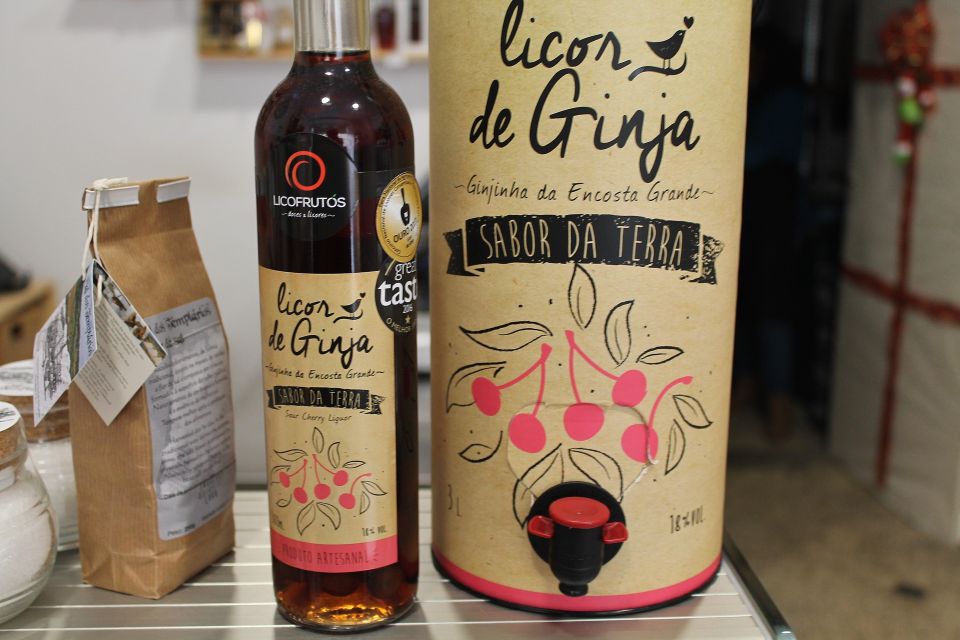
- End with ginjinha: cherry liqueur to wrap up the night with a classic Lisbon finish
Why This Tour Works: Food First, Lisbon Second
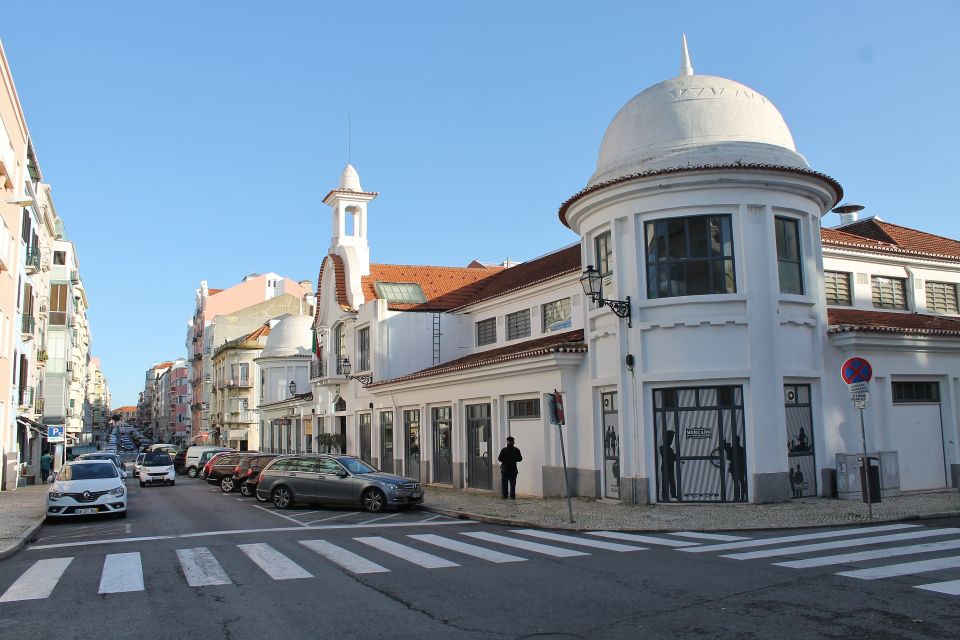
I like Lisbon best when it’s specific. Not the widest angle photos. Not the quickest photo-stop lines. This tour is built around that idea: you trade traditional sightseeing for real eating in a residential part of the city, where locals actually shop and snack.
You’ll be walking through Campo de Ourique, a neighborhood that feels calmer than the usual tourist circuit. You get the chance to watch Lisbon through food—how people buy ingredients, what they cook, and which dishes still matter. The pacing is designed to keep it enjoyable: sample, pause, learn, repeat.
The best part is the “why.” It’s not just a list of items you taste. The guide ties Portuguese culture and history to what’s on your plate, including how Portuguese cuisine influenced other cultures. If you’ve ever wondered why certain flavors go together in Portugal—or why certain desserts became famous—this is the kind of tour that gives you answers without turning the whole thing into a lecture.
You can also read our reviews of more food & drink experiences in Lisbon



Meeting at Igreja de Santo Condestável and the Flow of the Walk
You start in front of the entrance of Igreja de Santo Condestável and the tour ends back at the same meeting point. That simple setup matters. It means you’re not scrambling to navigate the city afterward, and you can plan the rest of your day without stress.
You should also expect a true walking experience. The tour is 3–4 hours long (with starting times depending on availability), and it’s paced around four tasting stops. Comfortable shoes are not optional here. You’ll move between neighborhood spots and market-style locations, and you’ll want your feet to feel good.
The tour is also positioned as a private group experience. Even if you’re traveling with only your group (up to 2 people per group booking as listed), the guide can keep things tailored and conversational. The guide speaks Spanish, English, Portuguese, and German, so you won’t be stuck trying to guess your way through explanations.
One more practical note: the tour includes skip the ticket line. The description doesn’t say exactly which site requires skipping lines, so I’d treat it as a time-saver component you benefit from if there’s any ticketed entry involved.
Stop One: Entrees in Campo de Ourique (Classic Plates, Neighborhood Stories)
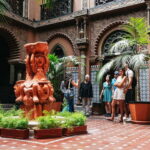
The first part of the tour is where the experience gets personal. You’ll spend time in Campo de Ourique with a guide who knows the neighborhood by heart, and you’ll start sampling the more typical Portuguese entrees in different locations.
This is a smart choice for a food tour. Entrees set the stage. You taste the baseline flavors that Portuguese cooking is built on—things people order often, cook at home, and serve as first courses. It helps you understand what comes later when the dishes get heartier and more distinctive.
What you’ll get from this section isn’t only flavor. The guide links the dishes to local life and history, which also helps you “read” Lisbon as you walk. When you learn the origin of a tradition or the reason behind a pairing, it sticks. And once it sticks, you’ll notice it again when you eat on your own after the tour.
Possible drawback here: if you have dietary restrictions, the tour explicitly says you won’t be able to taste a few dishes. That doesn’t mean the whole experience is off-limits, but it does mean the first stop (where the entree variety likely lives) may be less varied for you if your needs are strict. If you have allergies too, alert the provider ahead of time.
Stop Two: The Restored Market Stop (Porco Preto and Bife de Atum)
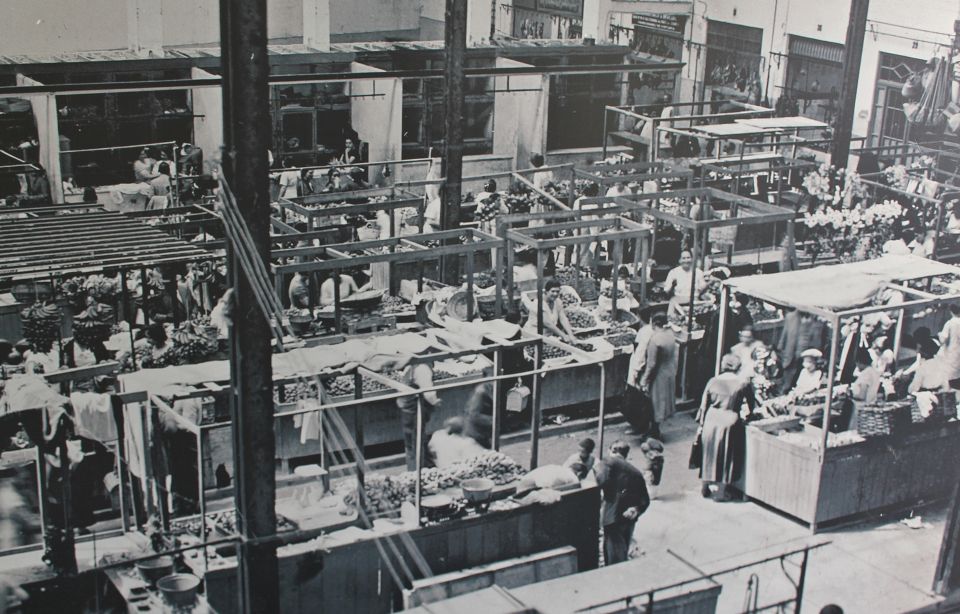
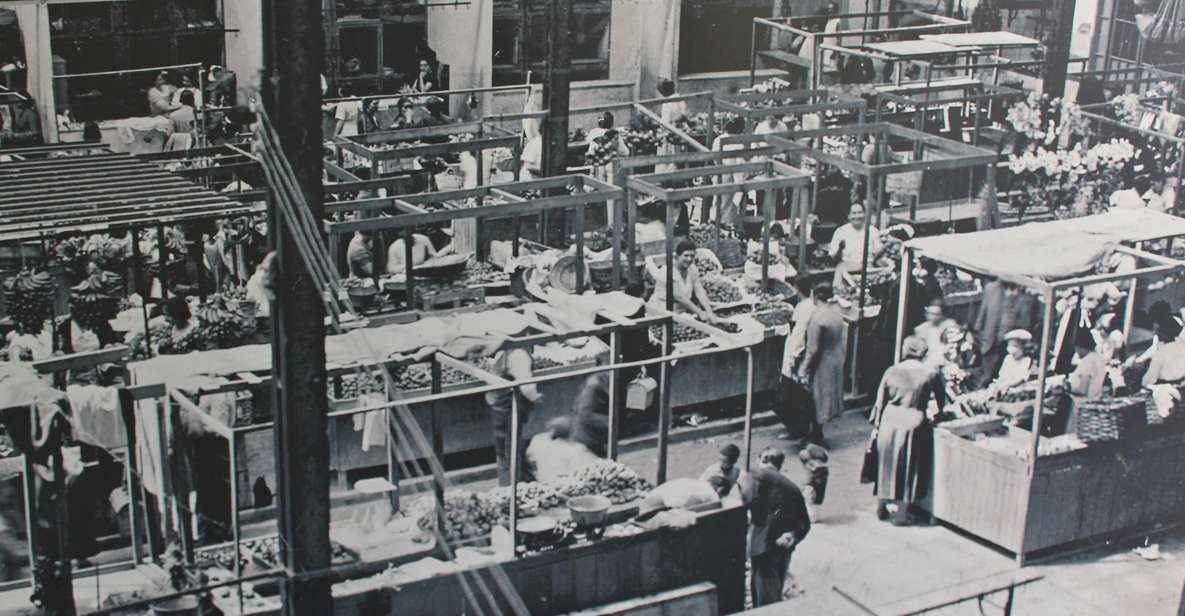
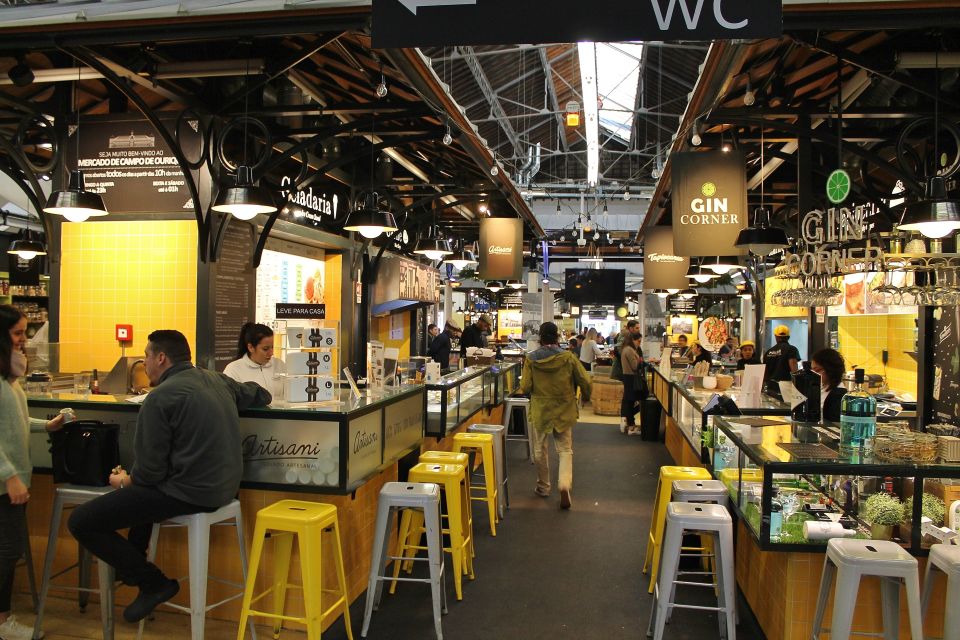
At some point, you’ll move from neighborhood eating to a more “refined” market-style tasting experience. The highlight is a fully refurbished market place—the kind of place that helped shape Lisbon’s “new markets era.”
This stop is valuable for one simple reason: you see Portugal at the intersection of tradition and modern consumer culture. The market setting makes the ingredients feel more real, and the tasting feels like it belongs in a food-first neighborhood walk rather than a showy tourist stop.
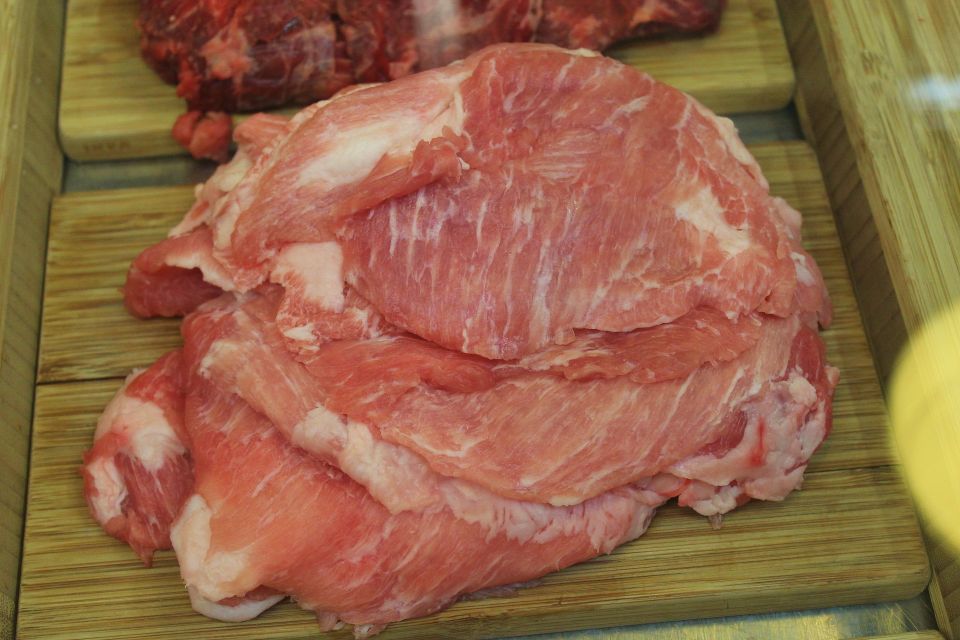
You’ll taste some standouts here, including:
- Porco preto (Iberian black pork)
- Bife de atum (grilled tuna steak)
These aren’t random choices. They’re the kind of flavors Portugal is known for when it’s doing serious meat and seafood. And because the guide explains curious flavors and traditions along the way, you get more than “this is tasty.” You learn what makes it Portuguese in the first place—how the ingredients and cooking approach connect to the region and to what people grew up eating.
This is also the section where you may notice the “course logic.” You start with lighter or first-course items, then build toward dishes that feel more substantial. That structure matters because it prevents dessert from arriving as a random sugar surprise. You’ll earn it.
If you’re a seafood fan, the tuna stop will likely be a highlight. If you’re not, don’t panic—you’ll still have multiple tastings across different places, and the overall design is meant to keep variety high.
Stop Three: A Top Bakery Finish (Pastel de Nata, Chocolate Cake, and Almonds)
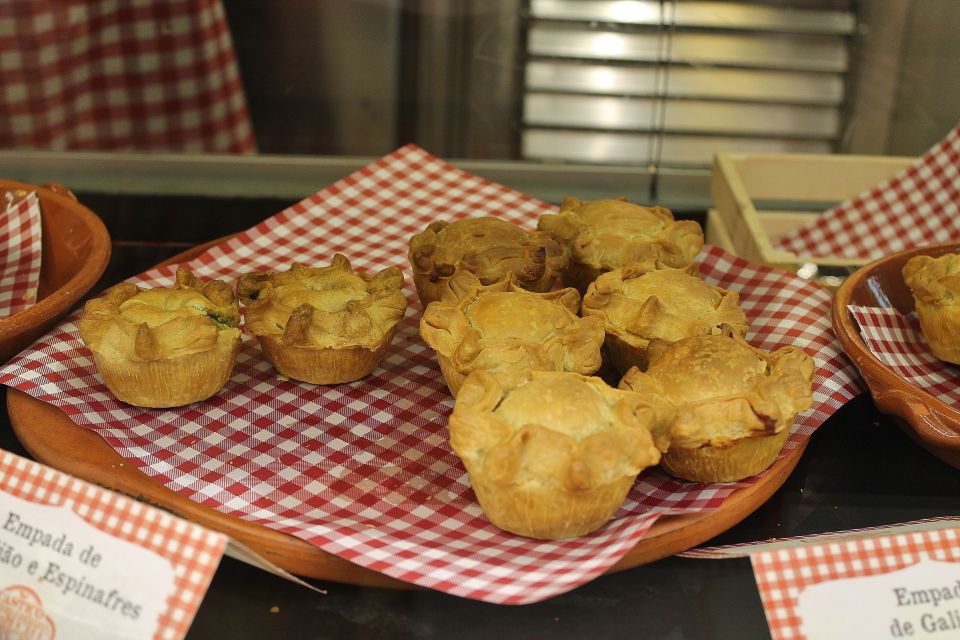
Portugal has a dessert reputation. This tour meets it head-on, with a dessert-focused section that’s designed to feel like a reward rather than an afterthought.
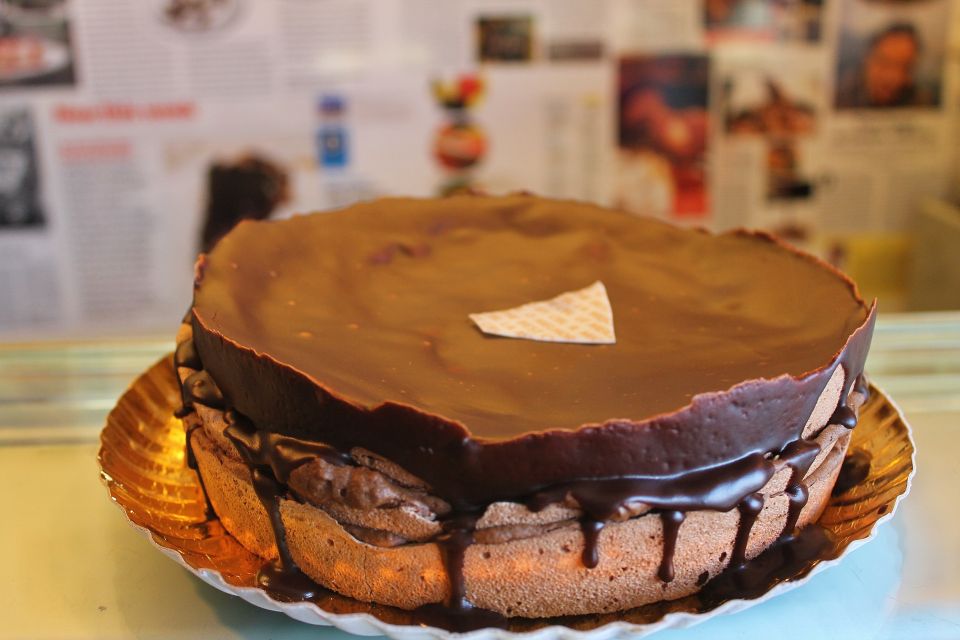
You’ll taste the best chocolate cake in the world (as described) and also the pastel de nata—the version linked to an international contest win. The bakery is described as being elected for several years as the best in Portugal, which tells you you’re not just having any pastry; you’re having one with serious local credibility behind it.
Then there are roasted almonds, which might not sound like a headline item, but they work perfectly here. They add crunch and a nutty flavor that balances the richness of custard-and-chocolate desserts. It’s a small detail, but it makes the dessert part feel intentional.
What I like about dessert on this tour is that it’s not only sweet. The guide’s history connections keep you thinking about why these treats became favorites. You’ll also likely leave with a clearer idea of how to order desserts in Lisbon after the tour, since you’ll know which classics are worth hunting down and which ones are more about tourist convenience.
Dietary note: desserts may be where restrictions hit hardest if dairy or eggs are involved. The tour does say that if you have restrictions (Kosher, Halal, Vegetarian, etc.), there will be dishes you can’t taste. If this matters to you, contact the provider so you’re not disappointed on the day.
You can also read our reviews of more tours and experiences in Lisbon




Stop Four: Ginjinha and the Local Secrets for Your Remaining Time
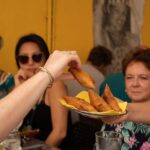
The tour wraps up with ginjinha, a classic cherry liqueur that won an international Great Taste Award in 2016 (as stated). That final sip-and-stroll ending is a great way to end a food-focused experience, because it feels like a Lisbon tradition rather than just a last stop for sweets.
But the final value isn’t only the drink. You’ll also get suggestions and secrets for the rest of your stay in Lisbon. That kind of personalized guidance is where a local guide’s neighborhood knowledge becomes practical. You’ll likely get better ideas for where to eat, what to try next, and how to spend your time beyond the tour route.
One more practical benefit: because the tour ends back at the meeting point near Igreja de Santo Condestável, you’re not stuck planning transportation immediately. You can head out for your next activity with a clearer sense of where you are and what you want to do next.
What You Really Pay for: The $200 Value Check
The price is listed as $200 per group up to 2. That’s not “cheap,” but it can be fair value for what you’re getting—especially if you think about food tours as a bundle of three things:
1) Time and local access: You’re paying for a guide who lives in Campo de Ourique and knows the neighborhood by heart. That matters more than it sounds. It’s the difference between guessing where locals eat and being taken to the right places at the right moments.
2) A lot of tastings: You get 14 tastings across 4 stops. That’s a lot of food for one experience, and the course structure (entrees to mains to desserts) makes the sampling feel cohesive.
3) Guided context: The tour isn’t only eating. It’s explained eating—Portuguese culture, dish history, and how Portuguese cuisine influenced other cultures.
Where the value can shift: if you’re someone who doesn’t enjoy guided explanations and just wants to sample casually, you might feel like you paid for a lot of structure. But if you like learning while you eat—and if you want a map of what to hunt down later—this pricing tends to make more sense.
Also note what’s not included: transportation/pick-up and drinks (alcoholic or none alcoholic) are not included. So plan to cover drinks on your own if you want them. That said, ginjinha is included as part of the wrap-up.
Who This Tour Fits Best (and Who Should Consider Another Option)
This experience is best for you if:
- You’re a food-first traveler who wants classic Portuguese dishes with context
- You enjoy small-group energy and a guide who answers questions naturally
- You want to see Lisbon through a local neighborhood—not a postcard route
- You’re interested in both savory and dessert highlights (porco preto, tuna, pastel de nata, chocolate cake, ginjinha)
It may be less ideal if:
- You’re expecting classic Lisbon sightseeing as the main event
- You prefer totally flexible self-guided eating only
- You have strict dietary needs and want an experience with guaranteed full menu coverage. The tour warns there will be some dishes you can’t taste.
The sweet spot is someone who wants authenticity without chaos. Campo de Ourique gives you that calm change of pace, while the market and bakery stops add polish and “quality control” to what you’re sampling.
Practical Tips So You Enjoy It More
I recommend you show up ready to walk and ready to learn. Bring:
- Comfortable shoes (walking between stops is part of the experience)
- Sunscreen (Lisbon daylight adds up fast)
- A camera (especially if you love photographing food and market settings)
Also, come hungry but not starving. With 14 tastings, you’ll be fed across savory and dessert courses. If you eat a huge breakfast right before, you may still enjoy everything, but some dishes might feel less dramatic in comparison.
If you have allergies, advise them. The tour specifically says to let them know and that some dishes won’t be possible with certain dietary restrictions. That’s one of those “small effort, big payoff” moves.
Should You Book This Traditional Lisbon Food Tasting?
I’d book it if you want Lisbon food that’s more than a checklist. This tour gives you classic Portuguese dishes, a restored market experience, and dessert highlights like pastel de nata and a top-rated chocolate cake—then it hands you local guidance for the rest of your trip. You also get the comfort of a private-group feel, plus multilingual guidance.
If you’re still on the fence, ask yourself one question: do you want to learn and eat in Campo de Ourique, or do you want monuments and broad sightseeing? This is the first option. If that sounds like your kind of Lisbon, it’s an easy yes.
And it’s low-pressure to try: the tour lists free cancellation up to 24 hours in advance and a reserve now & pay later option, so you can keep plans flexible.
FAQ
How long is the Traditional Lisbon Food Tasting Experience?
It runs about 3 hours (the exact time can vary by start time availability). The description also references a 3–4 hour tour length.
Where does the tour start and end?
The tour starts in front of the entrance of Igreja de Santo Condestável church and ends back at the same meeting point.
How many dishes do you taste during the tour?
You’ll taste 14 different dishes across 4 tasting stops, including entrees, main dishes, and desserts.
Is it a private group?
Yes. The tour is listed as a private group.
Are drinks included?
No. Drinks, whether alcoholic or non-alcoholic, are not included.
What languages is the guide available in?
The live tour guide is available in Spanish, English, Portuguese, and German.
What if I have dietary restrictions or allergies?
If you have dietary restrictions (Kosher, Halal, Vegetarian, etc.), there will be a few dishes you won’t be able to taste. You should also advise the provider of any allergies.