REVIEW · FATIMA, NAZARE & OBIDOS DAY TRIPS
Tomar, Alcobaça and Batalha – 3 Unesco Heritage Sites – Private
Book on Viator →Operated by Van Go Tourism · Bookable on Viator
Stone, faith, and three UNESCO stops. This private day tour knits together Tomar and two major UNESCO monastery sites, with a guide who explains what you’re actually looking at—religion, symbols, and architecture, not just dates.
I especially like the stress-free pickup and the calm pace of a 10-hour route that’s built for seeing a lot without feeling like you’re sprinting. I also like that admission tickets are included for each major monument, so your day has fewer surprises and you can focus on the buildings.
One possible drawback: it’s a long day. You’ll want to plan for walking and keep a snack strategy in mind since lunch isn’t included.
In This Review
- Key highlights worth your time
- Why this UNESCO 3-in-1 works from Lisbon
- Getting picked up at 8:00 and settled in for a full day
- Castelo de Tomar: the hilltop Templars Castle stop
- Convento de Cristo: where the Renaissance portal and Manueline window matter
- Batalha Monastery: guided UNESCO time with a calmer pace
- Alcobaça Monastery: closing the loop on sacred architecture
- Private-guide energy: from patience to expert detail
- Price and logistics: what you’re really paying for
- Who should book this tour
- Should you book this private UNESCO day?
- FAQ
- What time does the tour start?
- Is pickup included, and where does it cover?
- How long is the tour?
- Is this tour private?
- Are admission tickets included?
- Is lunch included in the price?
- What’s included for comfort during the drive?
- What language is the guide offered in?
Key highlights worth your time
- Private guide attention all day, so you can ask questions and get context at each stop
- UNESCO coverage in one sweep: Tomar, Convento de Cristo, Batalha, and Alcobaça
- Portuguese Renaissance and Templar details you won’t catch on your own
- Air-conditioned vehicle with WiFi and bottled water, for an easier Lisbon-to-monument day
- Admission tickets included at the big sites, saving time and decision-making
Why this UNESCO 3-in-1 works from Lisbon
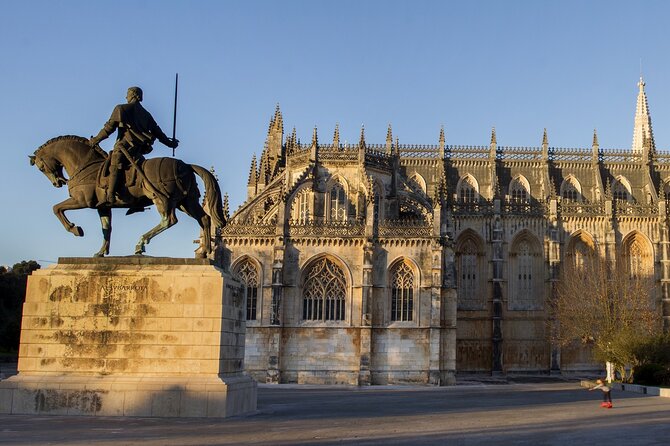
This is the kind of day trip that makes sense when your Lisbon stay is short but your interest in heritage is not. Instead of picking just one monument and calling it a win, you get a focused loop through four major stops tied to the same larger story of faith and power in Portugal.
What I like about this format is the way it balances variety. Castelo de Tomar gives you the hilltop, fortress feel. Then Convento de Cristo brings you inside the complex with Renaissance-era details and symbolism. Finally, Batalha and Alcobaça shift the mood to major monastic architecture, with guided time that helps you read what you’re seeing.
The private setup also matters. When you’re traveling with a dedicated guide, you’re not stuck with a fixed script. You can slow down at the parts that interest you—portal carvings, chapter-area symbolism, cloister spaces, or how each monastery functions as a sacred building rather than a museum display.
You can also read our reviews of more private tours in Lisbon



Getting picked up at 8:00 and settled in for a full day
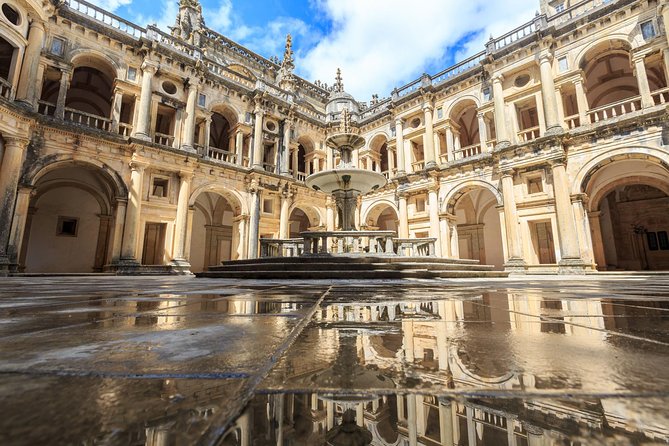
The day starts at 8:00 am, with pickup offered across hotels, apartments, and ports in Lisbon and also in the Fátima area. That matters because getting out of Lisbon in the morning can be the hardest part. Here, you avoid the taxi scramble and start the day already in motion.
Inside the vehicle, you get WiFi on board, an air-conditioned ride, and bottled water. Those are small things that add up on a long day, especially when you’re bouncing between viewpoints and guided interiors. Add in mobile tickets, and you have less to juggle once you arrive at each site.
English is offered, and the tour is private, meaning it’s just your group. That’s a big quality-of-life improvement if you’re traveling with seniors, friends who want to talk, or anyone who prefers asking questions rather than trying to decode signage.
One practical note: admission tickets are included for Convento de Cristo, Batalha Monastery, and Alcobaça Monastery, plus your entry for Castelo de Tomar. You’ll still want comfortable shoes, but the day is designed to keep ticket lines and logistics from eating your time.
Castelo de Tomar: the hilltop Templars Castle stop
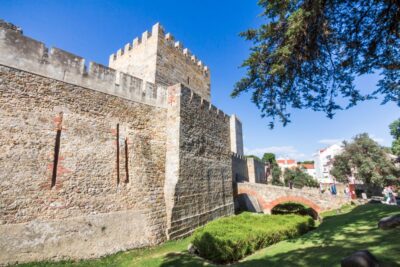
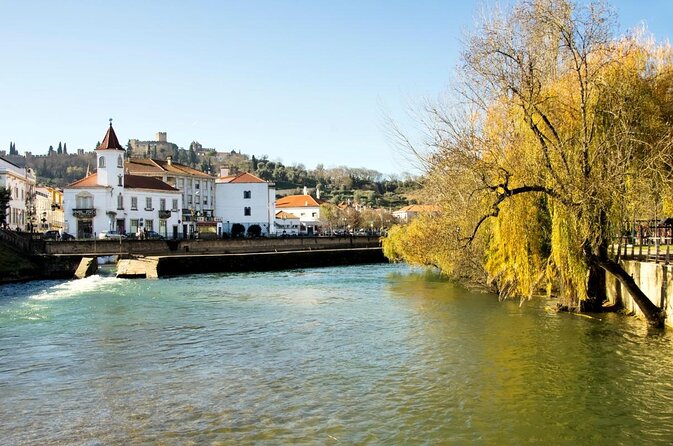
Your first stop is Castelo de Tomar, often called the Templars Castle. It’s located at the top of the hill, which means you get that immediate wow factor as soon as you arrive—views, scale, and the sense that this place was built to be seen.
Your time here is about 30 minutes, with an admission ticket included. That duration is short enough that you need a guide to help you focus. With a private guide, you’re not wandering randomly. You can expect help connecting the castle setting to the broader story you’ll continue at Convento de Cristo, since they’re tightly linked.
If you’re the kind of traveler who likes quick wins, this is it. You get the fortress atmosphere first, then you move indoors to the more detailed architectural and religious features. The best way to enjoy this stop is to treat it like orientation: look for the structure, take in the hilltop position, then let the guide point out what will pay off later.
Convento de Cristo: where the Renaissance portal and Manueline window matter
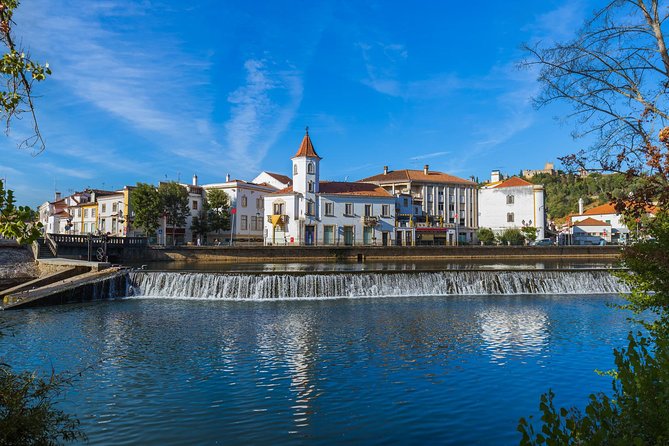
After the castle, you move into Convento de Cristo inside the Templars Castle complex. This is where the tour earns its reputation for turning stone into meaning.
You get about 1 hour here, and admission is included. The guide time is focused on specific features, including:
- the depictions on the Renaissance portal
- the symbolism of the Manueline Window in the Chapter Hall
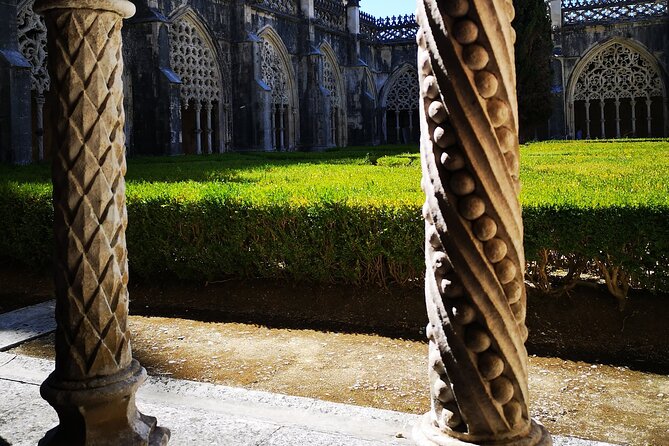
- architectural details in the Main Cloister
- spaces connected to Templar rituals
This is the big difference between a typical stop and a guided one. Without guidance, you might admire details and move on. With guidance, you learn why certain elements were designed the way they were and what role they played in the religious life of the space.
The Manueline Window detail is a perfect example of what to look for during your hour. You’re not just seeing ornament. You’re learning how it’s tied to the building’s spiritual and historical identity. Same with the Renaissance portal depictions: your guide helps you read them as visual storytelling rather than decorative carving.
Plan to bring your attention for this stop. It’s the one where you’ll benefit most from slowing down, because the tour is built around explanation, not just entry.
Batalha Monastery: guided UNESCO time with a calmer pace
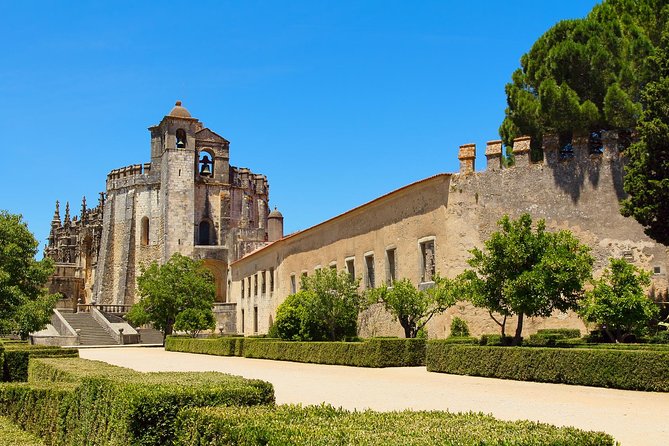
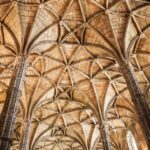
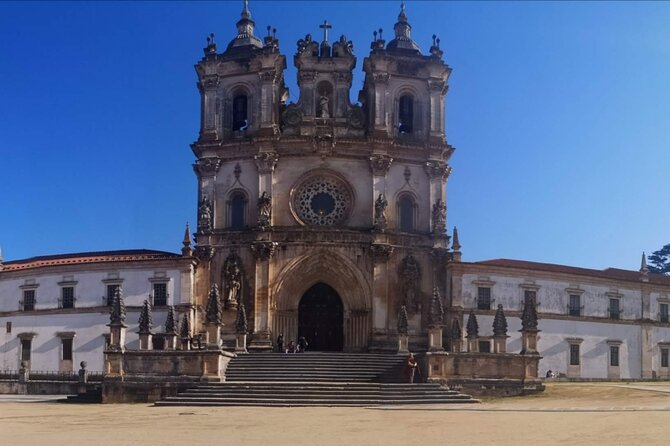
Next comes Batalha Monastery, with a guided visit of about 1 hour 30 minutes. Admission is included, and it’s another UNESCO-listed site.
This is a meaningful shift in tone. If Castelo de Tomar and Convento de Cristo lean into fortification and transition into Renaissance religious spaces, Batalha is about monastic grandeur and how sacred architecture shapes movement and focus.
Because you have 90 minutes, you get enough time for both the highlights and the quieter details your guide points out. You can ask questions mid-walk, compare what you saw at Convento de Cristo with what you’re seeing here, and let the guide connect themes across stops.
A practical tip: keep your camera ready, but don’t rush. Monasteries reward patient looking. If you try to treat this like a photo mission, you’ll miss the symbolic cues your guide is likely emphasizing.
You can also read our reviews of more historical tours in Lisbon





Alcobaça Monastery: closing the loop on sacred architecture
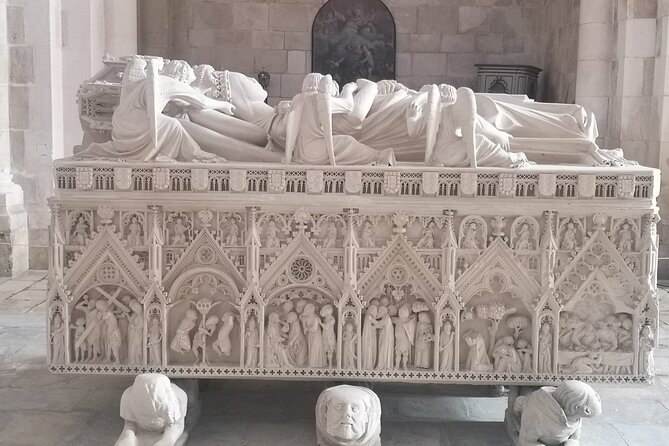
After Batalha, you head to Alcobaça Monastery for another guided visit of about 1 hour 30 minutes. Again, admission is included, and it’s UNESCO listed.
By this point in the day, your brain has something to compare. You’ve already toured the Templar-linked spaces and then moved into major monastery architecture. That makes Alcobaça easier to read. You’re more likely to notice how the space feels designed for devotion, how pathways guide you through sacred areas, and how the building’s details communicate religious intent.
One reason this sequence works: it gives you progression. The castles and Convento de Cristo set up religious background and symbolism. Batalha then broadens that context into monumental monastic design. Alcobaça continues the story so the day doesn’t feel like isolated sightseeing.
If you’re the kind of traveler who gets tired when days are too repetitive, this stop helps because it’s still “the same kind of place,” but not the same architectural language or mood.
Private-guide energy: from patience to expert detail
This tour’s biggest strength is the guide-led approach. The experience leans hard on understanding religious history and architectural symbolism, and the private format makes it easier to get real answers rather than generic commentary.
From past guided days, I’ve seen the pattern: guides like Joan, Juan, Susana, Joao, and Jorge are described as friendly, patient, and strong on Portugal’s history. One standout theme is how guides adapt to mixed groups, including situations where a slower pace helps (like when an older traveler is involved). That’s a key sign that the tour isn’t only for fast walkers who want to race through monuments.
What you can look forward to during your day is not just names of places, but interpretation of meaning: why the Renaissance portal matters, what the Chapter Hall window symbol means in context, how cloister details connect to the space’s ritual life, and how each UNESCO monastery fits into the broader sacred story.
A private guide also gives you permission to go off-script a bit. If something catches your eye, you can linger longer instead of being pushed along by a schedule meant for a larger group.
Price and logistics: what you’re really paying for
At $336.82 per person, this is not a bargain-basement option. But it can be good value because you’re combining four UNESCO sites with private transport and included monument admissions.
Here’s what’s baked in:
- private transportation (with WiFi on board, air-conditioning, bottled water)
- admission tickets for Castelo de Tomar, Convento de Cristo, Batalha, and Alcobaça
- a guided visit at Convento de Cristo, Batalha, and Alcobaça
- pickup and drop-off in Lisbon (and also the Fátima area)
The part to watch is lunch. It’s not included, so you’ll want to either plan a simple meal near the end of the day or bring something small for the long mid-afternoon stretch. If you hate spending time hunting for food while hungry, you’ll be happier if you map a plan before the day starts.
Also, because it’s private, the price is geared toward couples, small families, and travelers who want comfort and direct conversation rather than a crowded bus experience. If you’re open to splitting costs with a group discount, that can make the math look even better.
Finally, there’s a practical planning angle: the tour is often booked well in advance, which is a sign of demand for this exact combination of sites and pacing.
Who should book this tour
This fits best if you want a structured UNESCO day without the stress of doing multiple long rides and ticket decisions yourself. It also suits travelers who care about religious symbolism and want explanations as you walk, not after the fact.
You’ll likely enjoy it if:
- you’re short on time in Lisbon and want real coverage
- your group includes at least one person who prefers a slower, guided pace
- you like architecture when someone connects details to meaning
- you’re traveling in English and want a guide who can answer questions
It’s also a solid pick when you’re traveling with older adults. The guides’ patience and kindness show up in the kind of feedback this tour earns, and the schedule allows guided time at each stop rather than only quick drop-offs.
If you hate long days or you need frequent breaks, factor in the full 10-hour duration and the fact that lunch isn’t included.
Should you book this private UNESCO day?
If you want maximum UNESCO impact with a guide who explains what matters, I’d book it. The best reason is simple: you’re getting four major sacred sites in one day with admissions handled and private attention guiding the experience.
I’d think twice if you’re likely to rush, if you don’t enjoy walking and waiting inside monuments, or if the idea of a long day without lunch included doesn’t work for your energy level.
For most travelers, though, this is the kind of day that turns a list of UNESCO sites into a connected story—castle to convent to two great monasteries—so your time in Portugal feels intentional, not just busy.
FAQ
What time does the tour start?
It starts at 8:00 am.
Is pickup included, and where does it cover?
Yes. Pickup is offered from hotels, apartments, and ports in Lisbon, plus the Fátima area.
How long is the tour?
The duration is about 10 hours.
Is this tour private?
Yes. It’s a private tour, meaning only your group participates.
Are admission tickets included?
Yes. Admission tickets are included for Castelo de Tomar, Convento de Cristo, Batalha Monastery, and Alcobaça Monastery.
Is lunch included in the price?
No. Lunch is not included.
What’s included for comfort during the drive?
The tour includes a WiFi connection on board, bottled water, and an air-conditioned vehicle.
What language is the guide offered in?
The tour is offered in English. Confirmation is received at the time of booking.