REVIEW · NIGHTLIFE
Queer Lisbon Nightlife Tour
Book on Viator →Operated by Queer Lisbon Tour · Bookable on Viator
Queer nightlife in Lisbon comes with meaning. This 3.5-hour evening tour pairs queer-owned venues with real cultural context, from colonialism in Portugal to the Carnation Revolution and how it still shapes society. I like that you don’t just bounce bar to bar—you get guided conversations that connect the city’s past to what you’re seeing now, and you’ll leave with an updated Queer Map of Lisbon (PDF). One thing to think about: dinner and drinks are on you, and most venue entries (except the final bar) aren’t included.
Small groups help. The tour runs with a Portuguese and English-speaking local guide (and I’ve heard the guide Herika is especially good at keeping the mood warm while staying thoughtful). With a maximum of 15 people and a 6:30 pm start near public transport, it’s built for people who want an easy first night in town without losing energy hunting meeting points or struggling to keep up.
In This Review
- Key highlights you’ll feel fast
- What you’re really paying for: nightlife you can explain
- Stop 1: Miradouro dos Barros—get your bearings, then talk colonialism
- Stop 2: Damas—food, music, and immigrant-led change
- Stop 3: Graca & São Vicente mural—Carnation Revolution in one stop
- Stop 4: Má Língua (or A Mata)—performance culture and venue pressure
- Stop 5: Drama Bar—associations, collectives, and a decolonial lens
- Price and timing: is $66.08 worth your night?
- Logistics that matter (and what to plan for)
- Who this tour fits best
- Should you book it?
- FAQ
- How long is the Queer Lisbon Nightlife Tour?
- Where does the tour start and end?
- What language is the tour offered in?
- What’s included in the price?
- What isn’t included?
- How big is the group?
- What happens if the weather is bad?
- FAQ
- Can I cancel for a full refund?
- Is the tour confirmed at booking?
- Is the tour near public transportation?
- Are service animals allowed?
Key highlights you’ll feel fast
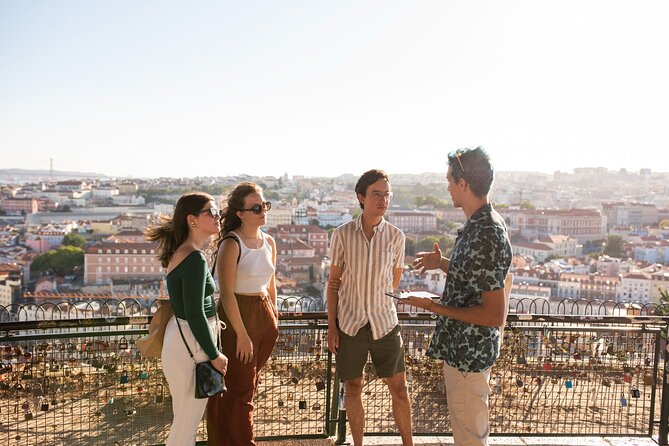
- Miradouro dos Barros at 6:30 pm: a scenic start that sets a reflective tone for the rest of the evening
- Queer spaces with immigrant-led change at Damas: a restaurant/bar/concert venue where you’ll learn while you eat and listen
- Carnation Revolution mural stop in Graca & São Vicente: quick, focused history that explains why people still talk about the dictatorship-era
- Má Língua or A Mata performance spaces: queer-friendly bars where culture happens on stage
- Drama Bar finale: a longer wrap-up focused on associations, collectives, and immigration’s decolonial perspective
- A takeaway plan: the updated queer map PDF helps you keep exploring after the tour ends
What you’re really paying for: nightlife you can explain
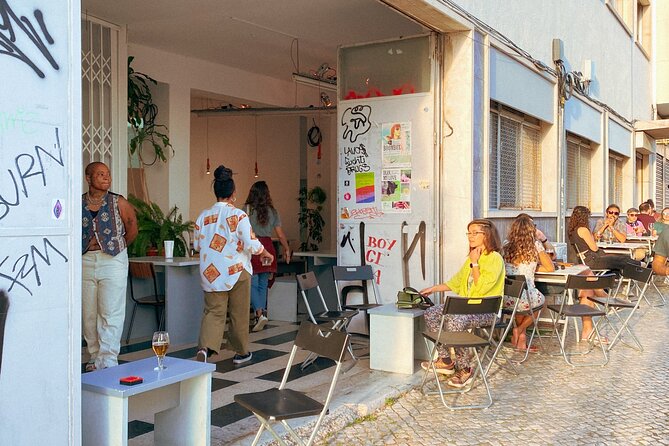
At $66.08 per person, this tour isn’t just a ticket to a party. The value is in the structure: you get about 3.5 hours of guided movement across different neighborhoods, with a map to keep the thread going after the last stop. And because the evening mixes viewpoints, murals, and performance venues, you come away with more than a list of bars—you understand why these places matter.
It also helps that the group stays small (15 maximum). You’ll get time to ask questions and keep up with the guide’s pacing. If you’re arriving in Lisbon and want a first-night plan that feels local—not like a checklist—this format works.
Language is another practical win. The tour is offered in English, and the guide is described as Portuguese and English-speaking, which means you’re not stuck with silence if the group has mixed needs.
You can also read our reviews of more nightlife experiences in Lisbon


Stop 1: Miradouro dos Barros—get your bearings, then talk colonialism
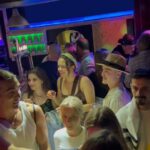
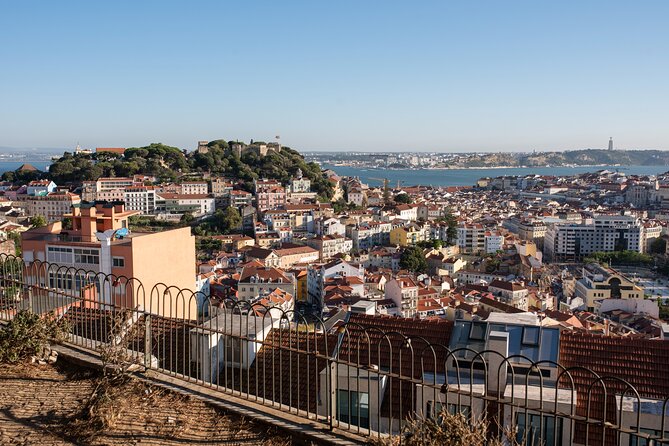
The evening starts at Miradouro dos Barros, right at Calçada do Monte, 1100-361 Lisboa (6:30 pm). You’ll gather at a viewpoint with Lisbon spread out behind you, which is a smart way to start: it gets everyone oriented before the night gets social.
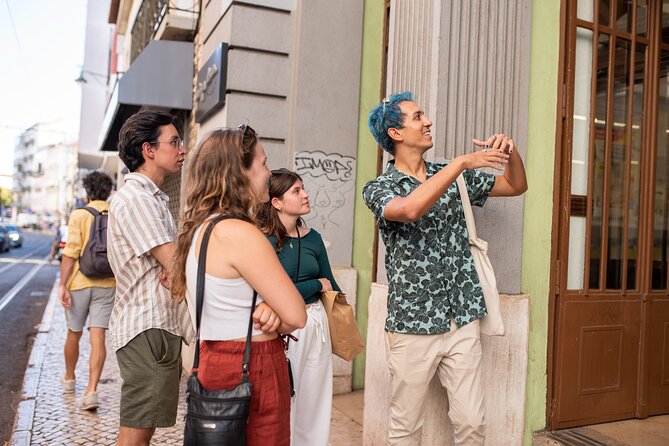
This first stretch is also where the tour’s tone locks in. Expect an introduction that tackles the impacts of colonialism on Portuguese culture. It’s not presented as an academic lecture; it’s framed as context for what you’ll see later in queer spaces and community conversations. That’s the tour’s trick: it treats nightlife as part of the city’s story, not something separate from it.
Practical note: this is a viewpoint start. Lisbon evenings can turn breezy fast, so bring something light you can layer. You’ll have about 20 minutes here, and admission is free.
Stop 2: Damas—food, music, and immigrant-led change
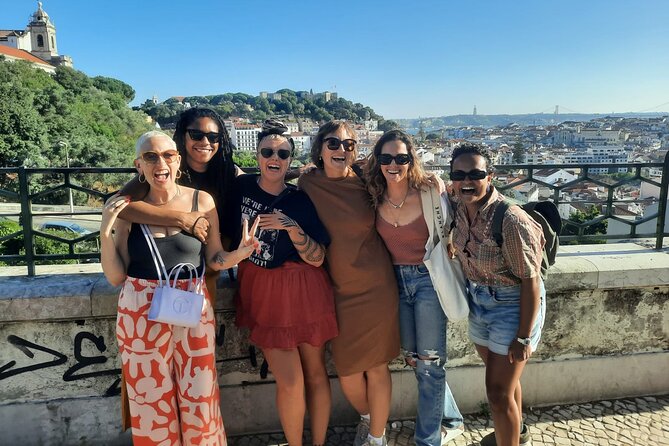
From the viewpoint, the tour moves to Damas, a space that combines a restaurant, a bar, and a concert venue. You’ll spend about 40 minutes there, and admission isn’t included—so plan to treat this as your chance to order what you want.
What I like about this stop is the purpose. The venue is described as supporting immigrants who are driving social and political change in Portugal. That matters because it links the idea of queer nightlife with the broader reality of who gets resources, who gets heard, and who builds community spaces.
Expect the vibe to be more than just seating and sightseeing. It’s the kind of place where you’re likely to feel the energy of Lisbon’s creative circuit—while also getting guided context about why these venues matter to queer people, especially queer immigrants.
If you’re making decisions on what to eat: don’t overthink it. You’re paying for dinner and drinks on your own anyway, so use this stop as your anchor meal and keep your night light afterward.
Stop 3: Graca & São Vicente mural—Carnation Revolution in one stop
Next comes a brief but meaningful cultural pause in Graca & São Vicente. The stop centers on a mural connected to the Carnation Revolution, with about 30 minutes devoted to it.
Here’s what makes this part useful: the guide explains the dictatorship and the historical context that led to the revolution, how it unfolded, and the lasting impact on Portuguese society. Even if you already know the headline story, this kind of timed stop is good for filling in the emotional logic—why this revolution still shows up in public art and community memory.
Admission here is free, and the time is short enough that it won’t drain your energy. This stop also works as a reset between more social venue spaces, so you don’t feel like you’re only rushing forward.
Stop 4: Má Língua (or A Mata)—performance culture and venue pressure
After the revolution stop, you’ll head to Má Língua or A Mata (the tour notes both as queer-friendly bar/cultural spaces). Plan for about 40 minutes here, with admission not included.
This is where the tour leans into what queer spaces actually do: they create platforms for queer community performances. Think of it as “culture with a microphone,” not just drinks and music from behind a bar.
There’s also a harder edge to this stop. The guide talks about challenges faced by queer and immigrant-owned venues, including closures that happened in 2024. That detail shifts your perspective. Instead of treating nightlife as permanent background noise, you start noticing how fragile these places can be—and why community support networks matter.
If you’re someone who hates feeling rushed, this is the stop to slow down. You’ll get time to look around, watch how people share the space, and absorb what’s being said about pressures on queer businesses.



Stop 5: Drama Bar—associations, collectives, and a decolonial lens
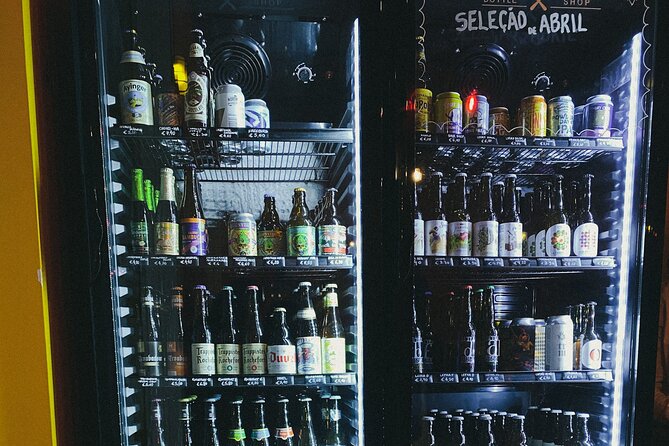
The tour ends at Drama Bar, described as queer-owned. This final stop lasts about 1 hour, and it includes an admission ticket.
This is the wrap-up phase, and it’s not just a send-off. The guide focuses on the contemporary queer scene in Portugal, with a special focus on Lisbon. You’ll also hear about the role of associations and collectives that lead important discussions and look for possible solutions for the LGBTQ+ community.
Another theme you’ll hear: immigration’s role in bringing a decolonial perspective, moving beyond traditional norms toward a broader, more diverse community. It’s a fitting finish, because it ties back to the tour’s early conversation about colonialism and to the immigrant-led change you learn about at Damas.
If you’re deciding what to do after the tour, treat this as your bridge. Use the information you just got to choose where to go next—or even to decide to stay for longer while the mood is right.
Price and timing: is $66.08 worth your night?

Let’s talk value, because at $66.08 per person, you want the math to feel fair.
You’re paying for:
- A Portuguese and English-speaking local guide
- An updated Queer Map of Lisbon (PDF) to use later
- Guided time at multiple sites over about 3 hours 30 minutes
- A ticket included for the final bar (Drama Bar)
You’re not paying for:
- Dinner and drinks (explicitly on you)
- Most venue admissions along the way (Damas and Má Língua/A Mata are marked as not included)
So how does that translate in real life? If you go bar-hopping on your own, you might spend a similar amount on entry fees plus food plus missed time trying to figure out which places are queer-friendly. This tour reduces the guesswork and adds context you can’t easily find while you’re checking menus or standing outside in the dark.
The 6:30 pm start is also a smart slot. It gives you enough daylight earlier in the day to explore independently, then you transition into nightlife with the city already awake. And because the group is small and guided, you keep momentum instead of wandering.
Logistics that matter (and what to plan for)
This tour is built for an easy evening flow, but Lisbon has its own pace and hills—so plan like you’re out walking, not just sitting.
- Meeting point: Miradouro dos Barros, Calçada do Monte, 1100-361 Lisboa
- End point: Rua Maria Andrade, R. Maria Andrade, 1170 Lisboa
- Mobile ticket: you’ll get a mobile ticket
- Group size: maximum of 15 travelers
- Good weather needed: it’s specifically noted that the tour requires good weather
- Near public transportation: you should be able to get there and away without a major ordeal
- Service animals allowed: if that matters for you, it’s supported
What about clothing? Wear shoes that work for sidewalks and stairs. You’ll be moving between locations in the evening. And because the first stop is a viewpoint, bring a layer for temperature swings.
Food strategy tip: since dinner/drinks aren’t included, decide if you want one solid meal or light bites across stops. Damas is the most obvious place to anchor food because it’s a restaurant setup.
Who this tour fits best
This is a strong match if:
- You want queer nightlife but also want the story behind it
- You like tours that treat history and politics as part of culture, not separate topics
- You’re new to Lisbon and want a short, guided path to queer-friendly places
- You prefer small groups and clear pacing over long bus rides
It might feel less ideal if:
- You’re only interested in party vibes and aren’t in the mood for conversations about colonialism, dictatorship, and venue closures
- You want food and drink fully handled by the tour price (because you’ll pay for your own dinner and drinks)
Should you book it?
I’d book this if you want an evening that feels both social and meaningful—especially if it’s your first time in Lisbon. The best reason is the balance: nightlife venues plus guided context, finishing with a longer discussion at Drama Bar that ties everything into today’s queer community work.
The one caution is the cost of extras. The tour price is solid for what you get, but your personal spending on dinner and drinks will still show up. If you budget for that and bring a layer for a viewpoint start, you’ll likely end the night with more direction than you started with.
FAQ
How long is the Queer Lisbon Nightlife Tour?
It runs for about 3 hours 30 minutes.
Where does the tour start and end?
It starts at Miradouro dos Barros (Calçada do Monte, 1100-361 Lisboa) and ends at Rua Maria Andrade (R. Maria Andrade, 1170 Lisboa).
What language is the tour offered in?
The tour is offered in English, and the local guide is described as Portuguese and English-speaking.
What’s included in the price?
The price includes an updated Queer Map of Lisbon (PDF) and a local guide who speaks Portuguese and English. Admission is included for the final stop at Drama Bar.
What isn’t included?
Dinner and drinks are not included, and admission tickets at some venue stops aren’t included.
How big is the group?
The tour has a maximum of 15 travelers.
What happens if the weather is bad?
The tour requires good weather. If it’s canceled due to poor weather, you’ll be offered a different date or a full refund.
FAQ
Can I cancel for a full refund?
Yes. You can cancel up to 24 hours in advance for a full refund. If you cancel less than 24 hours before the start time, the amount paid will not be refunded.
Is the tour confirmed at booking?
You should receive confirmation at the time of booking.
Is the tour near public transportation?
Yes, it’s noted as being near public transportation.
Are service animals allowed?
Yes, service animals are allowed.