REVIEW · COOKING CLASSES
Private Lisbon Market Tour & Portuguese Cooking Class with Paula
Book on Viator →Operated by Traveling Spoon · Bookable on Viator
Market smells and recipes in Almada. This private food outing pairs a Cacilhas market walk with a home Portuguese-Goan cooking class. It’s the kind of plan that turns a normal Lisbon day into something you can taste and actually repeat later.
I especially like the way Paula starts with shopping, not guessing. You meet at the Dá Cacilhas area, hop the short ferry from central Lisbon, then walk to the neighborhood’s covered market where she’s been buying food for decades. Second, I love the hands-on cooking with a menu you can shape, from cod fritters to Goan gram-flour fritters, and then a main dish that can go Portuguese or Goan depending on what you want.
One thing to keep in mind: this is an in-home experience, not a spotless commercial cooking school. Paula lives with family and has a cat, so the space can feel a little cluttered, and the pace can be relaxed (sometimes running a bit long).
In This Review
- Key things I’d plan around
- Starting in Cacilhas: the ferry ride that frames the whole morning
- Paula’s market walk in a covered Almada neighborhood
- Shopping-to-cooking flow: how the class actually works
- The appetizers: pataniscas de bacalhau and Goan bojas
- The main dish: choose Portuguese or Goan, then learn what makes it work
- Dessert and coffee or tea: finishing the meal together
- Timing reality: 4 hours 30 minutes, but plan for a relaxed rhythm
- Price and value: is $99 per person fair?
- Who should book Paula’s cooking and market tour
- Before you go: small practical tips that make it smoother
- Should you book this Lisbon Market Tour & Portuguese Cooking Class with Paula?
- FAQ
- How long is the Lisbon Market Tour & Portuguese cooking class?
- Where do I meet Paula, and where does the tour end?
- Is this experience private?
- What will I cook during the class?
- Can I choose Portuguese or Goan dishes?
- Paula lives with family and has a cat. Is the home setup part of the experience?
Key things I’d plan around
- The short ferry hop from central Lisbon to Almada sets the day up with river views before you even cook
- You shop with Paula at the neighborhood’s main covered market, so ingredients feel fresh and local
- Choose your menu direction with Portuguese and Portuguese-Goan options, including a Portuguese or Goan main
- You learn 2–3 dishes, typically including pataniscas de bacalhau or Goan bojas
- It’s a real home kitchen, so expect a lived-in setup (cat included)
- End with dessert and coffee or tea, then you’re done back where you started
Starting in Cacilhas: the ferry ride that frames the whole morning
The experience is based in Almada, across the Tagus River from downtown Lisbon. The ferry is the practical link: it’s about a 7-minute ride, and it’s enough time to get your bearings and settle in before you meet Paula. Many people start from Cais de Sodré and come over to Cacilhas, which makes the plan feel simple even if you’re only in Lisbon for a few days.
Meeting is at the Dá Cacilhas stop area in Almada (LG Alfredo Dinis, 2800-252). Paula meets you there, so you’re not left trying to decode a meeting spot in a maze of streets. Start time is 10:00 am, and the whole thing returns you back to that same meeting point at the end.
This first leg matters more than you’d think. You’re not just traveling; you’re positioning yourself in a local neighborhood where the market is the center of daily life. If you like Lisbon, but you’re ready to get out of the main tourist corridor, this is a clean way to do it.
You can also read our reviews of more private tours in Lisbon



Paula’s market walk in a covered Almada neighborhood
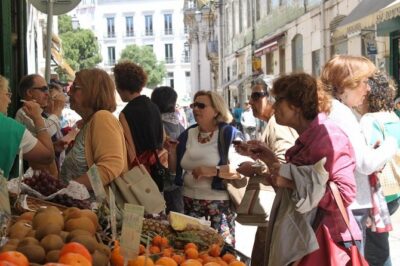
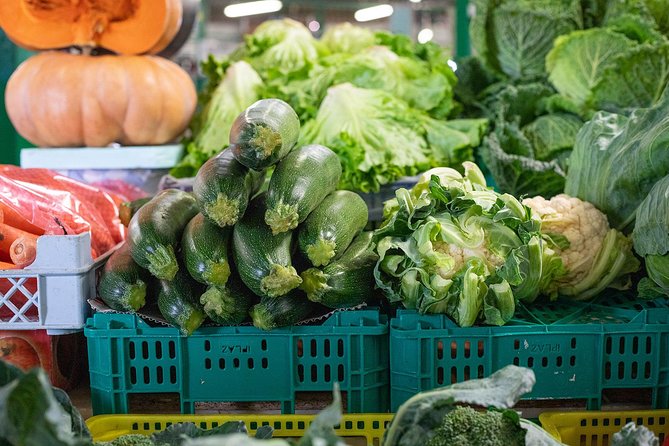
After meeting, Paula takes you on about a 10-minute walk through the center of town to her apartment area, close to the neighborhood’s main covered market. This is where the day turns from sightseeing into food sourcing. You’ll tour the market and then shop for the ingredients that match your chosen menu.
The value here is simple: you see what locals actually buy, and you understand why. Paula is a long-time market shopper, so you get context while you’re picking food—what to look for, what makes a dish work, and how certain ingredients fit Portuguese and Goan styles. It also means your class doesn’t start with a blank countertop. It starts with a basket you helped build.
A practical note: one downside that shows up for some people is that markets can look dirty or feel under serviced, depending on the day and how you’re expecting it to be. If you’re sensitive about cleanliness, keep that in mind and bring a patient attitude. The payoff is that you come back with real ingredients for real cooking, not generic demo food.
Also, the market connection is why this feels private. You’re not on a conveyor belt with a big group. It’s just your people, plus Paula, moving at a human pace.
Shopping-to-cooking flow: how the class actually works
This isn’t a professional cooking school with a studio setup. It’s an in-home kitchen and cultural experience hosted by Paula. That changes everything: the atmosphere is more personal, the instruction is more conversational, and you’re working in a real kitchen that belongs to a real person.
You’ll typically cook 2–3 dishes. The structure is hands-on and menu-driven: you start with appetizers, then you move to a main dish. Paula guides you through techniques and helps you understand what you’re doing, not just the final result.
From the menu structure, you can expect:
- Appetizers in the Portuguese and Goan lanes
- One main dish you can choose as Portuguese or Goan
- A sweet finish with coffee or tea
One of the best parts is that Paula teaches cooking skills that go beyond memorizing a recipe. In similar experiences, people often walk away feeling they learned technique more than just ingredients. Here, you’ll work on things like batter consistency, seasoning logic (including Goan spice blends), and cooking steps that change depending on what you’re using.
The appetizers: pataniscas de bacalhau and Goan bojas
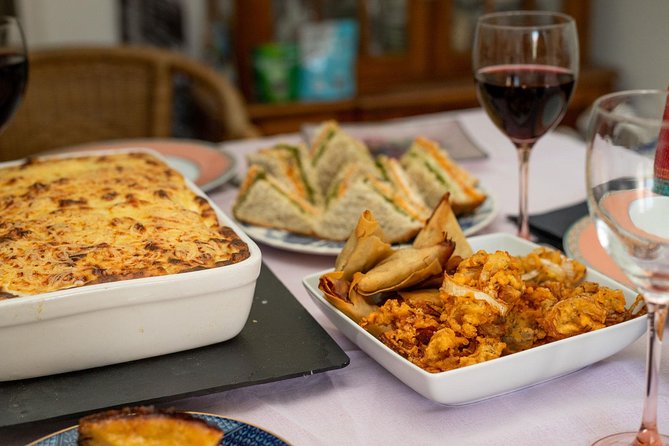
The most common appetizer choices are Portuguese cod fritters and Goan gram flour fritters. These are not “two random starters.” They’re built around flavors and textures that explain Portuguese and Portuguese-Goan food in a way you can taste.
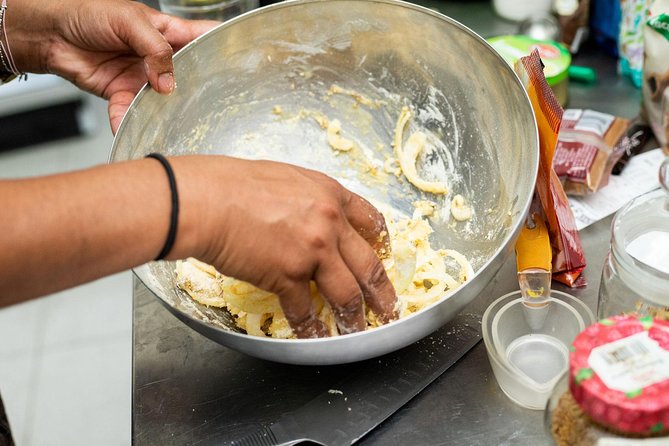
For Portuguese-Goan flavor in the Portuguese style, you might make pataniscas de bacalhau, traditional cod fritters. For Goan flavor, you might make Goan bojas, which are gram flour fritters made with onion and cumin seeds. Either way, you’re learning how to handle batter and how to get fritters to cook properly, not just mix and hope.
Another detail I like: Paula’s approach seems to include practical checks while cooking. People have talked about learning to identify things like bad clams and refining whisking and prep habits. If you care about doing cooking the right way, that kind of tip is more useful than a long lecture.
If you’re cooking with kids or you’re traveling with a group that includes beginners, the appetizer stage is often the best entry point. It’s manageable, it’s interactive, and you can see progress quickly.
The main dish: choose Portuguese or Goan, then learn what makes it work
After appetizers, you move to the main. Here you get a real choice, not just a pre-set course. You can select a Portuguese main or a Goan main based on what you’re craving.
Portuguese main options can include dishes like bacalhau a braz (a classic cod preparation) and also bacalhau com natas (cod with cream). Goan main options can lean curry-style, including Goan crab curry or another Goan curry direction.
This choice is a big reason the tour feels worth it. Lisbon is great for Portuguese food, but the Portuguese-Goan connection adds a second flavor map. You get to taste how spices and technique travel across oceans and return as something distinct, not a gimmick.
If you’re a confident home cook, you’ll still likely pick up small technique notes. People have mentioned learning specific whisking and pastry-style skills with Paula in past experiences too, so the session can turn into a mini crash course even if you’ve cooked before.
You can also read our reviews of more shopping tours in Lisbon



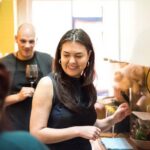

Dessert and coffee or tea: finishing the meal together
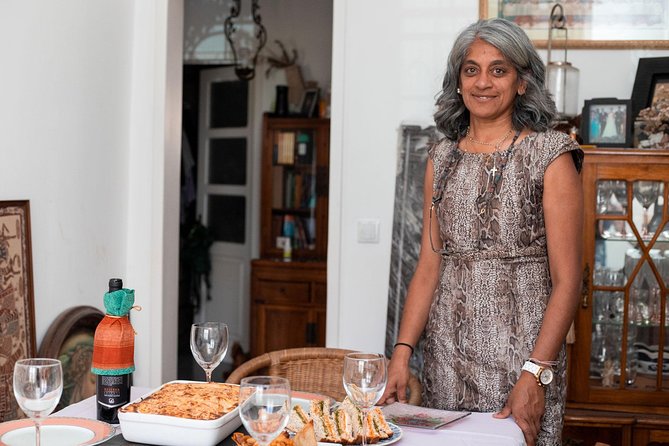
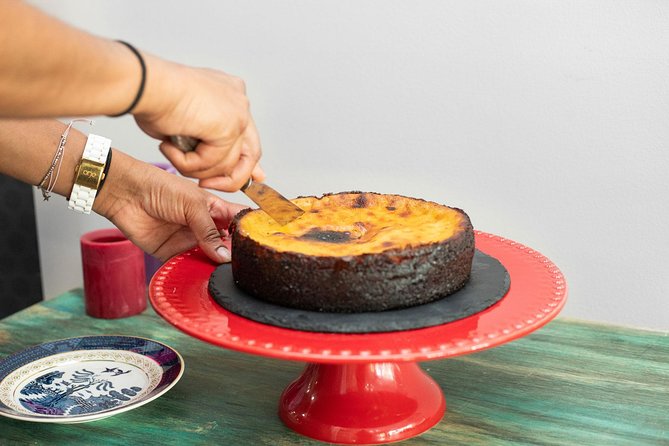
The experience ends with dessert plus coffee or tea. The day is designed so you cook, sit down, and eat what you made, rather than doing a short demo and sending you out with a takeout box.
In practice, dessert often connects to Portuguese classics, and many people end up talking about Portuguese custard tart style treats like pasteis de nata. Even when you don’t go deep into making every dessert detail, you still get the payoff: a sweet finish that ties together the flavors from the rest of the meal.
Food is the point here. You’re not rushing to a museum, then rushing to dinner. You cook, you taste, and you settle in with conversation.
Timing reality: 4 hours 30 minutes, but plan for a relaxed rhythm
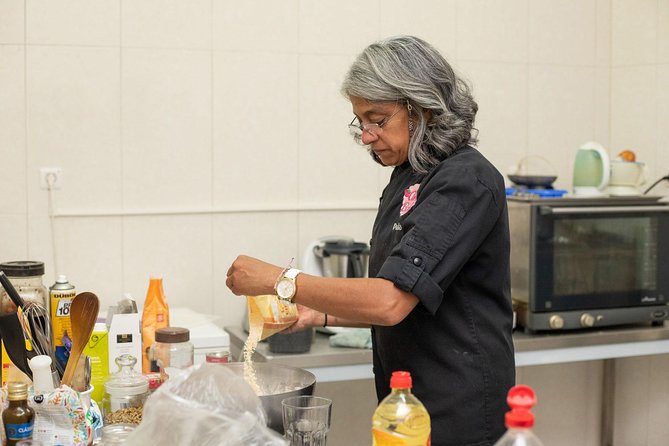
The experience is listed at about 4 hours 30 minutes. That’s a solid half-day block for a day that still leaves time for the rest of Lisbon.
What to expect in real time: you’ll have ferry time to get over, a market walk and ingredient shopping, then cooking for multiple dishes, then eating. Cooking takes longer than people assume, and in an in-home setting it can stretch if you’re chatting, tasting, or getting extra help.
A small scheduling heads-up: some people found the event ran longer than planned. That isn’t necessarily a problem, but it’s smart to keep your afternoon flexible. If you’ve booked a tight timetable for later, build in buffer time.
On the practical side, this is offered in English, and it’s a private activity for just your group. You also receive confirmation at booking and you get a mobile ticket.
Price and value: is $99 per person fair?
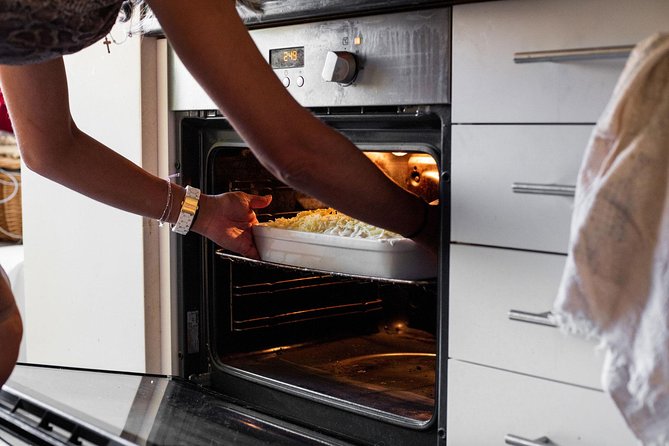
At $99 per person, you’re paying for three things at once: a private market tour, instruction in an in-home kitchen, and a full meal you cook together. That’s a different value model than a typical restaurant tasting or a cooking class in a commercial school.
Market tours alone can cost a lot, especially when they’re private. Cooking classes alone can also be pricey once you add a personal host and hands-on instruction. Here you’re getting the market shopping plus the cooking plus the sit-down meal, in the context of Almada rather than central Lisbon.
Is it always a perfect fit? Not for everyone. The home setup is part of the experience, and it’s not meant to be a sterile, high-control environment. If you expect a pristine studio kitchen and tightly controlled timing, you might feel the price is too steep for an in-home experience. If you want authentic food sourcing and patient, practical cooking, $99 can feel like good value for a half day you won’t forget.
Who should book Paula’s cooking and market tour
This is a great fit if you want:
- Real Portuguese food plus Portuguese-Goan dishes
- A private, local-market start
- Hands-on cooking, not just watching
It also tends to suit families well. People mention Paula being patient with kids and adjusting the pace so everyone stays included. If your group includes beginners, the appetizer stage and the menu choice make it easier to participate without feeling lost.
You might want to think twice if:
- You strongly prefer spotless spaces
- You dislike cats in the background
- You need a strict schedule that never runs over
For dietary needs, the core menu can be adjusted since you choose what to make and you can ask questions ahead. Just note the class is focused on Portuguese and Portuguese-Goan recipes, so it may not fit very specialized diets.
Before you go: small practical tips that make it smoother
First, message Paula directly via WhatsApp if you have questions about the menu or meeting spot. This matters because the experience depends on you arriving in the right place and aligning your food choices.
Second, come hungry and ready to cook. You’re shopping, cooking, and eating what you make, so you’ll get the most if you don’t arrive already half full. Also wear shoes that work on local streets and market floors.
Third, set expectations about the home environment. Since Paula has a cat and lives with family, the apartment kitchen can feel a bit cluttered. If that would stress you out, ask questions in advance so you can decide calmly.
Finally, bring your curiosity. The best part of this kind of day is often the stories tied to the food—how ingredients show up in daily life in Almada, and how Portuguese-Goan flavors ended up in Lisbon kitchens.
Should you book this Lisbon Market Tour & Portuguese Cooking Class with Paula?
If you want a Lisbon day that feels like a real person’s routine, book it. The ferry start, the Almada market shopping, and the private hands-on cooking combine into a memorable half day that’s hard to replicate on your own. The menu choice is a real bonus, letting you steer the day toward Portuguese cod classics or Goan spice-driven dishes like bojas and curry options.
I’d book especially if you like cooking instruction you can use later and you’re curious about Portuguese-Goan food. At $99, you’re paying for the full experience, not just a recipe sheet.
Skip it only if you need a hotel-clean cooking studio, or if your schedule is so tight you can’t handle a relaxed in-home pace. If that’s you, you’ll probably feel more satisfied with a more controlled commercial class.
FAQ
How long is the Lisbon Market Tour & Portuguese cooking class?
It runs for about 4 hours 30 minutes.
Where do I meet Paula, and where does the tour end?
You meet at Dá Cacilhas, LG Alfredo Dinis, 2800-252 Almada, Portugal, and the experience ends back at the same meeting point.
Is this experience private?
Yes. It is a private tour/activity, and only your group participates.
What will I cook during the class?
You’ll learn to make 2–3 Portuguese and Portuguese-Goan dishes. Appetizer choices include pataniscas de bacalhau (cod fritters) and Goan bojas (gram flour fritters with onion and cumin seeds). You’ll also cook a main dish.
Can I choose Portuguese or Goan dishes?
Yes. You can choose the menu, including selecting a Portuguese or Goan main dish, such as bacalhau a braz or bacalhau com natas, or a Goan curry option like Goan crab curry.
Paula lives with family and has a cat. Is the home setup part of the experience?
Yes. Paula has a cat, and because she lives with family, the home can be a little cluttered. Service animals are allowed, but it helps to set expectations for an in-home environment.