REVIEW · HISTORICAL TOURS
Private Full-Day Historical Tour of Medieval Évora
Book on Viator →Operated by Outing Portugal · Bookable on Viator
Évora in one long history-soaked day. This private tour is a smart way to see Portugal’s stone-and-timeline story in about 8 hours, with a guide who’s ready for your questions and a route that mixes UNESCO streets with major monuments. I especially like the time in the historic center (a true City-Museum) and the stop where you can read the centuries in the architecture, from Roman to medieval to the Portuguese monarchy. One thing to consider: the most famous spots (the Cathedral of Évora and the Chapel of Bones) cost extra on the day, and the Chapel of Bones is not for the faint-hearted.
You’ll be picked up from your accommodation, then ride in an air-conditioned vehicle with onboard WiFi, so the day doesn’t start with stress. The pace is tour-friendly: short, focused visits at each site, plus free time to look around places like Praça do Giraldo without feeling rushed.
This experience works best if you want a guided day with lots of built-in context. If weather turns bad, the tour can be adjusted or refunded, since good conditions matter for the full route. And if you’re booking close to your dates, note that it’s commonly reserved about 37 days in advance.
In This Review
- Key highlights worth paying attention to
- Entering Évora’s UNESCO historic center like a City-Museum
- The Cathedral of Évora: granite, dates, and why it took so long
- Capela dos Ossos (Chapel of Bones): intense, but you’ll understand the why
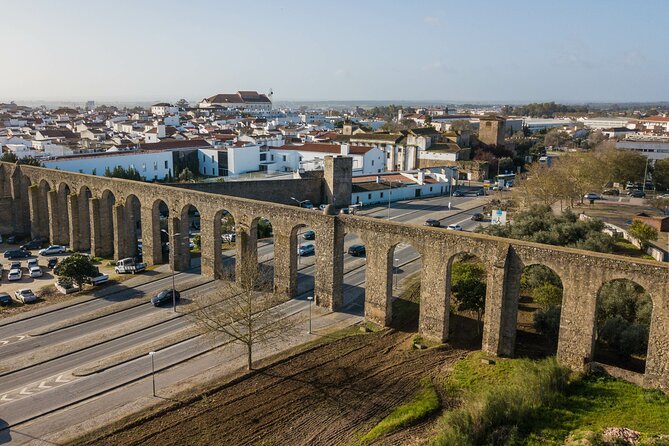
- Aqueduto da Água de Prata: 16th-century water power in 30 minutes
- Praça do Giraldo and the Temple of Diana: city center to Roman roots
- Palacio de Dom Manuel: where monarchy meets everyday streets
- Price and logistics: what $187.84 buys you in the real world
- My practical tips to make the day feel effortless
- Should you book this medieval Évora day trip?
- FAQ
- How long is the Private Full-Day Historical Tour of Medieval Évora?
- What sites will I visit during the day in Évora?
- Do I get picked up from my accommodation?
- Is this tour private?
- Is the tour offered in English?
- Are the entrance tickets included?
- What is included in the tour price?
- Are any monuments free during the tour?
- What if the weather is bad?
- Can I bring a service animal or a baby seat?
Key highlights worth paying attention to
- UNESCO historic center (Évora as a City-Museum) with extra time to wander
- Cathedral of Évora spanning from the 1100s start to completion in 1250
- Capela dos Ossos (Chapel of Bones): intense, memorable, and historically framed
- Agua de Prata Aqueduct: 16th-century engineering with an 18 km reach
- Templo Romano de Évora (Templo de Diana) at the start point of the Roman story
- Private group only: you control the question time with your guide
Entering Évora’s UNESCO historic center like a City-Museum
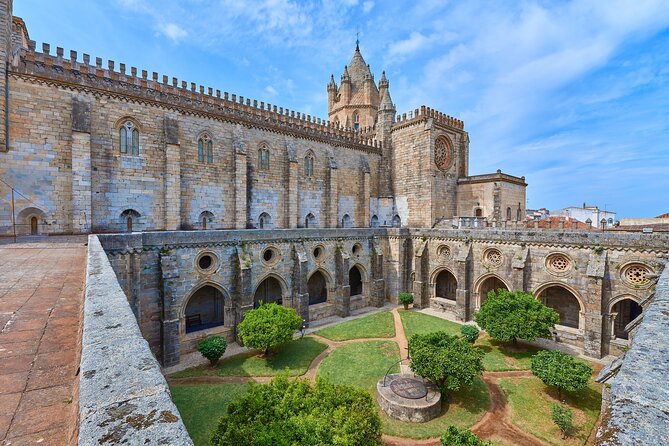
The day starts in Évora’s historic center, which UNESCO recognizes as a World Heritage Site. Locals call the place a City-Museum for a reason: walking around it feels like you’re moving through layers of design, materials, and power—without needing to buy a separate ticket for every street.
You’ll have about 2 hours here, which is the right amount. It’s long enough to get your bearings, spot key landmarks, and slow down if something catches your eye. It’s also realistic: Évora’s old core can be a bit of a maze, and you don’t want the guide rushing you like it’s a museum conveyor belt.
What I like about this setup is how it primes you for everything that comes next. When you later enter the Cathedral or stand near the Roman temple, you’ll already have context for why this city mattered. Évora wasn’t a random stop. It sat at meaningful crossroads—religious, commercial, and political—long before the modern map got involved.
Practical tip: wear shoes you can walk in for a couple hours straight. Even with stops planned, Évora rewards slow walking, and “short distances” in historic centers can still add up.
You can also read our reviews of more private tours in Lisbon

The Cathedral of Évora: granite, dates, and why it took so long
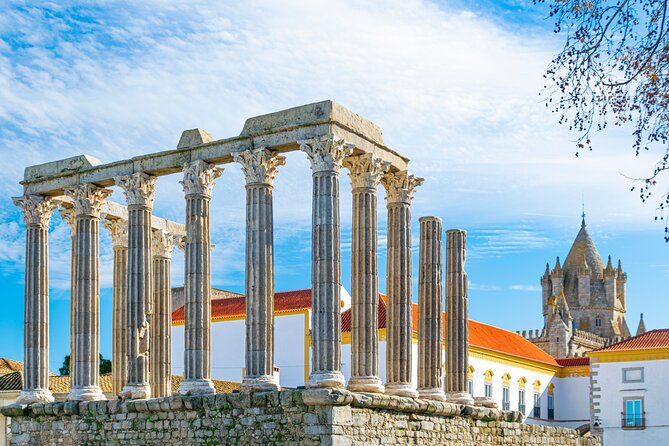
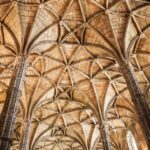
Next you’ll visit the Cathedral of Évora (Se Catedral de Evora). This is one of those monuments where the details matter. It’s classified as a National Monument, and the timeline is part of the story: construction began in 1186, it was consecrated in 1204, and it wasn’t completed until 1250.
Even if you’re not a church-architecture expert, you’ll feel the meaning in the granite building mass and the long-building rhythm. This isn’t a “blink and move on” stop. You’ll have about 1 hour, which gives you enough time to look closely and to let your guide connect the dots between the dates and the political reality of the time.
One important budgeting note: the Cathedral admission is not included. The listed fee is €4 per person. If you’re comparing total cost between tours, count that in.
Consideration: this stop is inside a working monumental church setting. If you’re visiting during a crowded time of day, you might want to keep your watch on time so you don’t feel stuck in slow-moving lines.
Capela dos Ossos (Chapel of Bones): intense, but you’ll understand the why
If the Cathedral gives you the medieval sacred “why,” the Chapel of Bones gives you the human “so what.” Capela dos Ossos is integrated into the Convent and Church of São Francisco de Évora, and it’s one of the best-known sights in Évora for a reason: it hits you fast.
You’ll spend about 1 hour here. It’s not just a visual shock; it’s also a historical statement about mortality and how people once thought about life, death, and remembrance. A guide can make a big difference here, because the chapel’s meaning is easier to grasp when you understand how it fits into the surrounding convent-and-church complex.
This is the other paid stop: Chapel of Bones admission is listed at €6 per person and is not included.
Possible drawback: if you’re squeamish or you’re traveling with young kids who get upset easily, this may be a tough visit. For many people it becomes a memorable story stop, not just a photo stop—but only you know your comfort level.
Aqueduto da Água de Prata: 16th-century water power in 30 minutes
After the heavier emotional weight of the Chapel of Bones, the aqueduct offers a different kind of fascination: practical engineering, built to solve a real-life problem. The Aqueduto da Agua de Prata was inaugurated on March 28, 1537, and it was built in just six years.
Here’s what makes this stop worth it: you’re not just seeing a structure; you’re learning how water moved through the city. The aqueduct extends for around 18 km, carrying water from the Herdade do Divor area toward Évora.
You’ll have about 30 minutes and the admission is free. That short duration is perfect because it keeps the day moving while still giving you something tangible to look at. If you’ve ever wondered how old cities handled basic needs without modern pipes, this is your answer—stone delivery service, basically.
Tip: if the weather is warm, bring water. You may not be in the sun for hours, but you’ll appreciate it when you step outside for views and photos.
Praça do Giraldo and the Temple of Diana: city center to Roman roots
Praça do Giraldo is the main square in Évora’s historic center. It’s a good pause point—about 30 minutes—where you can catch your breath and read the city’s everyday rhythm. This is also a smart place to re-check your mental map before you head into the Roman portion of the story.
Then comes the Templo Romano de Évora (Templo de Diana), starting point for the Roman Temple segment. You’ll spend about 2 hours here, which is generous for a Roman stop in a day that already includes a major cathedral and a bone chapel.
The Roman angle matters because Évora’s importance wasn’t only medieval. During the empire period of Julio Cesar, this area became an important commercial hub. Seeing the Roman Temple with that in mind turns it from a standalone monument into evidence of how the city functioned economically long before later layers took over.
Admission is free for this stop. That’s a nice deal inside an otherwise fee-based monument day.
Practical note: Roman and medieval sites can vary in how shaded they are and how evenly lit photos turn out. If you care about photos, mid-day sun can be harsh—so use your guide’s timing and your own instincts to capture shots without rushing.
You can also read our reviews of more historical tours in Lisbon




Palacio de Dom Manuel: where monarchy meets everyday streets
To close the major monument loop, you’ll visit the Palace of Dom Manuel, connected to King D. Manuel I. This is a quick stop—about 30 minutes—but it adds a key piece: the Portuguese monarchy’s direct lineage and its presence in Évora’s story.
The best value of this stop is how it ties together themes from earlier visits. You started with UNESCO streets. You saw medieval faith and long construction timelines. Then you stood inside a chapel designed to shape how people thought about death. And now you’re looking at royal power, concentrated in a palace space that reinforces the idea that Évora mattered at multiple levels.
Admission is listed as free, and the stop is short enough that it won’t drain your energy right before the ride back to Lisbon.
Price and logistics: what $187.84 buys you in the real world
At $187.84 per person, this tour is priced for a private day with real convenience baked in. You’re getting private transportation, parking fees, an air-conditioned vehicle, and onboard WiFi—plus pickup from your accommodation. There’s also a mobile ticket, which helps keep the day smooth.
It’s also designed around a true full-day format (about 8 hours). That matters because Évora isn’t next door to Lisbon. A grouped day trip can sometimes stretch you thin; a private route typically helps keep your pacing human and your questions answered.
Now for the part you should actually budget: two paid sites are not included.
- Cathedral of Évora: €4 per person
- Chapel of Bones: €6 per person
Everything else on the route is listed as free (historic center time, aqueduct, Giraldo square, Roman temple, and the Palace of Dom Manuel). That means your “surprise costs” are limited and easy to count up before you go.
One more value signal: the service is offered in English and is a private experience, meaning only your group participates. If you’re the type who asks lots of questions—or wants your guide to explain what you’re looking at instead of just pointing—this setup tends to pay off.
Also, it’s worth booking ahead. On average, this tour is reserved about 37 days in advance, which suggests availability can tighten.
My practical tips to make the day feel effortless
Here’s how to get the most out of the day without turning it into a checklist marathon.
- Ask your guide to connect the dates. One of the biggest strengths of this tour format is that your guide can link historical “then” to what you’re seeing “now.” It’s especially useful for the Cathedral timeline (1186 to 1250) and the aqueduct’s 1537 inauguration.
- Use the private format for questions. In the best moments, you’ll go beyond facts into interpretation: why a site looks the way it does, and what its role was in everyday life.
- Plan for the Chapel of Bones emotionally. If you’re going in thinking it’s just a strange photo, you might feel blindsided. If you go in knowing it’s historically and culturally framed, it lands differently.
- Keep a light layer handy. Even in good weather, historic stone stops can feel cooler in shade, and AC during transit can make temperature swings noticeable.
- Wear comfortable walking shoes. The route includes multiple monuments and center walking, and Évora’s old streets don’t always cooperate with stiff-soled footwear.
If you’re lucky enough to have Diogo as your guide (his name comes up in multiple top ratings), you’ll likely spend extra time talking through Portugal’s shifts over the centuries and asking follow-ups on what you see.
Should you book this medieval Évora day trip?
Book it if you want a structured, full-day introduction to Évora that covers the big monuments without making you do constant ticket math or public-transport juggling. The private pickup, air-conditioned vehicle, and short-but-balanced time at each site are the kind of conveniences that make a long day feel manageable.
Skip—or at least reconsider—if you know you’re uncomfortable with the Chapel of Bones, or if you prefer super deep, long museum-style visits where you stay at one place for hours. This is a route day, not a single-site slow crawl.
If your goal is a memorable medieval mix—UNESCO streets, cathedral grandeur, Roman roots, and monarchy connections—this tour is a strong fit, and the entrance costs are limited to just two stops.
FAQ
How long is the Private Full-Day Historical Tour of Medieval Évora?
The tour is listed as about 8 hours.
What sites will I visit during the day in Évora?
You’ll visit Évora’s historic center, the Cathedral of Évora, the Chapel of Bones, the Aqueduto da Água de Prata, Praça do Giraldo, the Templo Romano de Evora (Templo de Diana), and the Palace of Dom Manuel.
Do I get picked up from my accommodation?
Yes. Pickup is offered and you identify your accommodation location.
Is this tour private?
Yes. Only your group participates.
Is the tour offered in English?
Yes, it’s offered in English.
Are the entrance tickets included?
Some are free, but the Cathedral of Évora and the Chapel of Bones are not included. The Cathedral fee is €4 per person, and the Chapel of Bones fee is €6 per person.
What is included in the tour price?
Included features are parking fees, an air-conditioned vehicle, WiFi on board, and private transportation.
Are any monuments free during the tour?
Yes. The historic center time, Aqueduto da Água de Prata, Praça do Giraldo, the Roman Temple (Templo de Diana), and the Palace of Dom Manuel are listed as free admissions.
What if the weather is bad?
This experience requires good weather. If it’s canceled due to poor weather, you’ll be offered a different date or a full refund.
Can I bring a service animal or a baby seat?
Service animals are allowed. A baby chair for ages 0–2 years is available for an extra €10.