REVIEW · LISBON
Lisbon’s Kickstart Tour with a Local
Book on Viator →Operated by Street Buddha · Bookable on Viator
Lisbon rewards slow wandering. This one-and-a-half-hour local walk gives you a tight, high-impact intro to the city’s soul. I especially like the way the route ties Fado origins in Mouraria to real streets you can see, and how the tour includes a Portuguese custard tart snack that actually matters to the route. One thing to consider: it’s a walking tour with moderate fitness needs, and some viewpoint stops are quick, so you’ll want good shoes and patience on uneven streets.
You start near Farmácia Mouraria and finish in Alfama, close to the Fado Museum. The group stays small (up to 15), and the guide keeps the energy moving without turning it into a speedrun. English is available, and you get a mobile ticket for a smooth meet-up.
If you’re price sensitive, this tour feels like fair value because several stops are free to enter, and the included snack is the main food moment. For a first day in Lisbon, it’s a smart way to get oriented before you start choosing your own neighborhoods.
In This Review
- Key highlights you’ll feel right away
- Why a 90-minute Lisbon intro works for first-timers
- Meeting at Farmácia Mouraria and the walking pace you should plan for
- Mouraria: Moorish quarter streets and Fado’s origin story
- Miradouro Chão do Loureiro: a quick view that sets the tone
- Church of St. Anthony: how the custard tart becomes part of the story
- Miradouro de Santa Luzia: Alfama’s outlook from the right angle
- Alfama in practice: oldest streets, music roots, and Moorish/Jewish threads
- Ginjinha de Alfama: how to finish the walk without overspending
- Price and value: why $24.02 feels reasonable here
- What guides like Igor (and Katia) tend to do well
- Timing, weather, and what to pack for an easy day
- Who this tour suits best (and who might want a different pace)
- Should you book the Lisbon Kickstart Tour with a Local?
- FAQ
- How long is the Lisbon Kickstart tour?
- What does the tour cost and is there a mobile ticket?
- Is the tour offered in English?
- Where do I meet the guide and where does the tour end?
- What’s included in the price?
- Is alcoholic drinks or ginjinha included?
Key highlights you’ll feel right away
- Small group (max 15) means more questions and easier conversations as you walk.
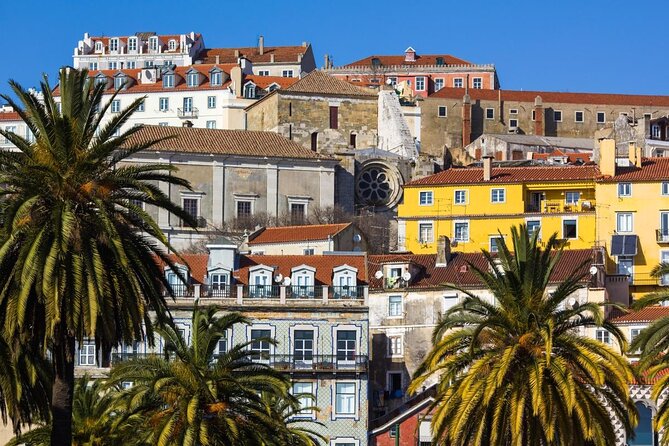
- Mouraria to Alfama connects Fado roots to Lisbon’s oldest streets in one clean loop.
- Multiple miradouros in short hops so you get big views without needing half a day.
- Custard tart snack included, with a stop built around that specific taste of Lisbon.
- Finishes at Largo do Chafariz de Dentro, a helpful launch point for your next Alfama wander.
Why a 90-minute Lisbon intro works for first-timers
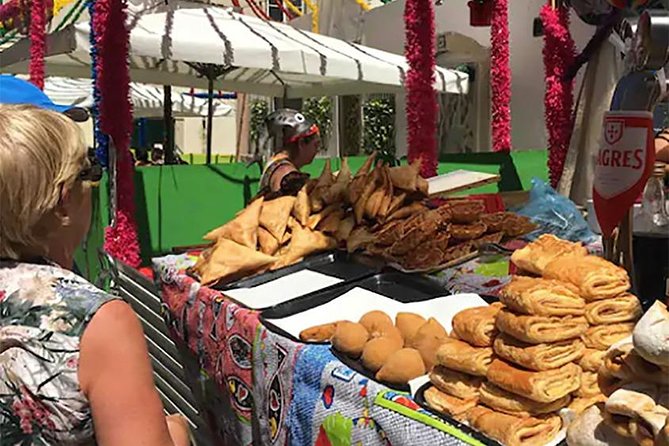
When Lisbon is your first stop, you don’t need 40 attractions. You need context. This tour gives you that context fast, especially around Alfama and Mouraria—two areas where Lisbon’s Portuguese, Moorish, and older Jewish influences show up in street layout, names, and everyday culture.
The best part is the pacing. You’re not stuck in one place for long. You’ll hit key neighborhoods, viewpoints, and a food moment, then you’re on your way. That’s a big deal on day one when you’re still dealing with jet lag, hills, and figuring out what bus or tram route makes sense.
Also, the route feels intentionally “Lisbon.” It’s built around scenes: fado birthplace stories, miradouro moments, church and food stops. That makes it easier to remember later when you’re walking on your own and suddenly recognize what you saw.
You can also read our reviews of more tours and experiences in Lisbon.



Meeting at Farmácia Mouraria and the walking pace you should plan for
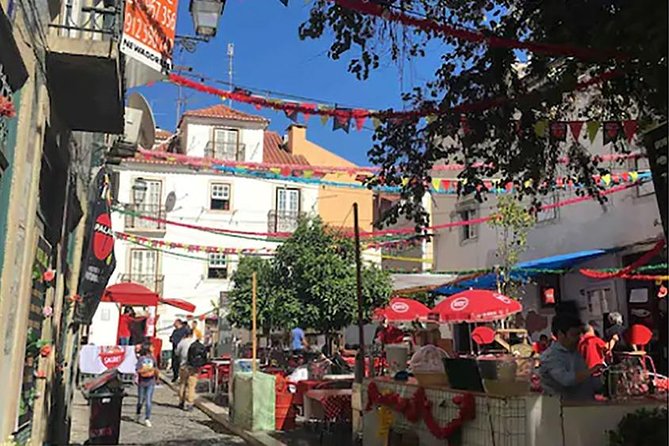
You begin at Farmácia Mouraria on R. da Mouraria 8, 1100-364 Lisboa. It’s a practical starting point because it sits right in the Mouraria area, where the tour’s themes—history, music origins, street life—actually live on the ground.
Expect uneven sidewalks and some hill walking. The tour notes moderate physical fitness and a small group size, which usually helps with flow. Still, if you’re carrying heavy bags, or you’re sensitive to stairs and slopes, go light and give yourself time.
The tour also uses quick stop durations for viewpoints (some are about five minutes). That means you’ll get the “look and reset” rhythm rather than lingering for long photos at every stop. If you love slow photography, do it on your own after the tour. Here, the goal is orientation.
And yes: you’ll want water and comfortable walking shoes. This route is short on paper, but Lisbon streets don’t walk like flat city sidewalks.
Mouraria: Moorish quarter streets and Fado’s origin story
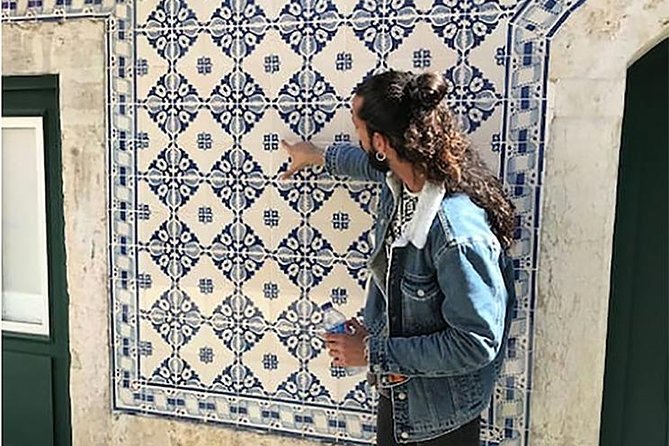
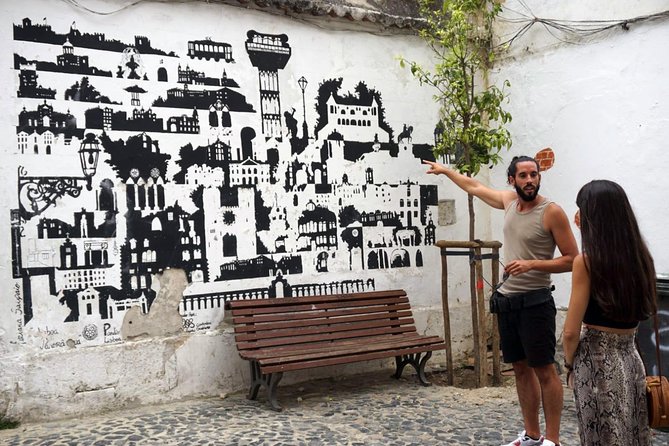
The first major stop is the Moorish Quarter, centered on Mouraria. This is one of the most meaningful parts of the whole experience because it connects place to music. Fado didn’t appear in a vacuum. You’re guided through the neighborhood’s past and what that past left behind—cultural mixing, street character, and the sense of a community that shaped the sound.
The time here is about 30 minutes, and it’s not just sightseeing. The tour’s pitch is that you’ll see history, culture, and art, and you’ll understand why locals associate Mouraria with the emotional roots of fado. You’ll likely notice how the neighborhood’s street pattern and energy set the tone for everything you do later in Alfama.
One practical benefit: once you know what to listen for and what to look for in Mouraria, the rest of your Lisbon day gets easier. You start recognizing references—street corners, wall art, small community details—that you’d otherwise miss.
Miradouro Chão do Loureiro: a quick view that sets the tone
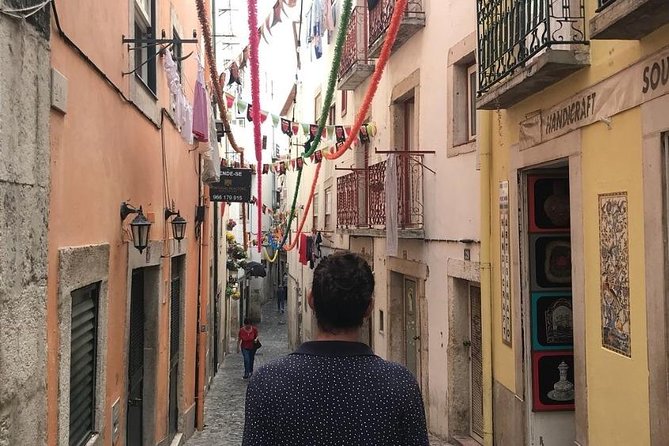
Next comes a viewpoint break at Miradouro Chão do Loureiro. This stop is short—about five minutes—but it does a key job. Viewpoints are where Lisbon becomes “real” fast. You see why people fall for the city: the layers, the steep streets, the way neighborhoods stack across the hills.
Even though the stop is brief, it’s still a helpful pause. It gives you a mental map. After you look over Lisbon from this kind of spot, streets and directions start making sense later when you walk down into the maze.
Since it’s only five minutes, don’t plan on a long photo session here. If you want the perfect shot, arrive ready to move. Then keep going.
Church of St. Anthony: how the custard tart becomes part of the story
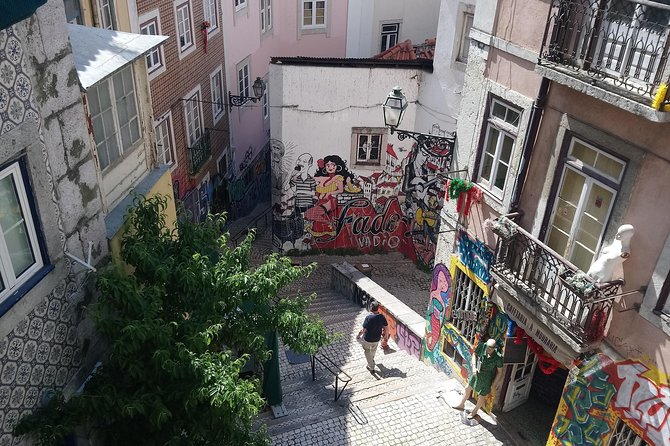
The tour then shifts from views to taste at the Church of St. Anthony area, where you’ll connect a key local flavor to the neighborhood stop. The highlight is a tasting of the Portuguese custard tart (pastéis de nata), described as the best custard tart in Lisbon 2019.
This is included in your price, and it’s not just a random snack thrown into the schedule. The point is to anchor Lisbon’s culinary identity to a specific stop you can remember. Custard tarts are easy to find in tourist zones, but having the food moment tied to a local-walk narrative makes the tasting feel purposeful rather than incidental.
Plan to spend about 10 minutes here. You’ll see the making and tasting angle, and you’ll get your moment of “this is what Lisbon tastes like.” If you’re only going to eat one iconic thing on day one, this is a strong place to start.
One note: alcoholic beverages are not included. If you pair it with something later, you’ll need to do that on your own at an additional cost.

Miradouro de Santa Luzia: Alfama’s outlook from the right angle
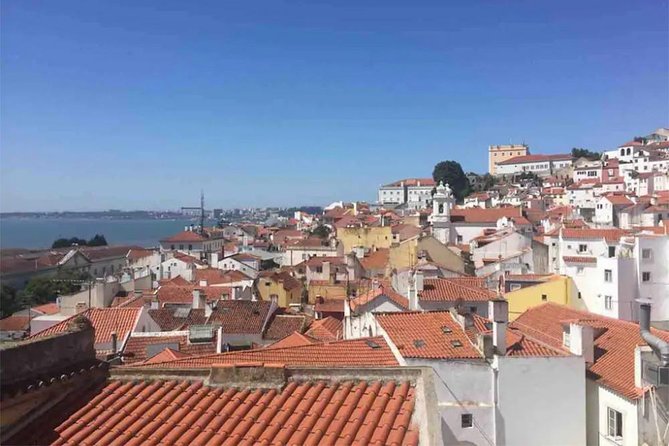
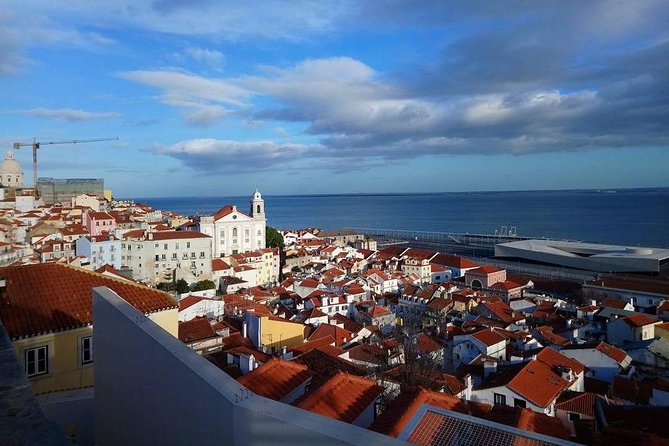
Another viewpoint follows at Miradouro de Santa Luzia, again with a short stop of about five minutes. This is aimed at letting you look over Alfama, which is where your walking time really matters later.
The value of a second miradouro stop is that it gives you a different angle. You’re not repeating the same view; you’re building a layered mental picture of how Alfama sits within the city.
Quick stops are also good for travelers who don’t want to lose the momentum of the walk. You get the payoff—views—without turning your tour into a long wait on a hill.
Bring your phone and charge it. That’s the one “tour problem” you can’t solve with a guide.
Alfama in practice: oldest streets, music roots, and Moorish/Jewish threads
Now you move into Alfama, one of Europe’s oldest neighborhood areas and often described as the soul of fado music in Portugal. The tour frames Alfama not as a single story, but as a blend of influences—Moorish, Jewish, and old traditional Portuguese roots.
You get about 30 minutes here. That’s enough time to understand why Alfama is more than a pretty maze. The streets, the scale, and the way the neighborhood carries its traditions all show up as you walk.
This is also where the tour pays off for people who don’t want to research for days. You get a coherent orientation: Mouraria is tied to fado’s origin story, Santa Luzia gives context for the geography, and Alfama becomes the lived continuation of those themes.
If your goal is to feel like you know where you are, this is your moment. Look up. Read street hints. Notice the way the neighborhood feels tighter and more intimate than other parts of Lisbon.
Ginjinha de Alfama: how to finish the walk without overspending
The final neighborhood moment is Ginjinha de Alfama, a historic tavern known for selling ginjinha for over 40 years with the same owner. This stop is about 10 minutes and it’s a classic Lisbon finish: small, local, and easy to turn into a simple post-tour tradition.
Here’s the practical part: the tour specifically notes that Ginjinha is not included in the price, even though you’ll be at a place famous for it. That’s actually helpful. You can choose what you want based on your budget and taste.
If you want a drink, you’ll likely be able to order there. If not, you still get the atmosphere and a calm ending point before you head deeper into Alfama on your own.
Also, a “tavern stop” works well because it’s a social environment where you can just relax for a moment after the walking.
Price and value: why $24.02 feels reasonable here
The price is $24.02 per person, for about 1 hour 30 minutes. That’s not a “throwaway” amount, so it helps to look at what you actually get.
You get:
- Free-feeling sightseeing stops (the tour notes free admission for the featured stops)
- A Portuguese custard tart snack included
- A guided overview of the historical center and old neighborhoods
- A small group atmosphere and what the guides describe as good vibes
The value comes from the mix. You aren’t paying only for walking and pointing. You’re paying for the narrative that connects each stop. When that story clicks—like the Mouraria and Fado link—the walk becomes more than a checkmark list.
Booking tends to happen ahead of time (the average booking window is 38 days in advance), which tells you this tour can be popular for short Lisbon trips. If you’re arriving with limited flexibility, it’s smart to lock it in early.
What guides like Igor (and Katia) tend to do well
The tour’s standout factor in feedback is how guides bring the city alive through storytelling, humor, and answering questions without making you feel rushed. Igor appears as a frequent guide name, often credited with relaxed, engaging pacing and a strong sense of historical context.
Katia also shows up as a guide in the surrounding “street art” style storytelling vibe. Even without you knowing Portuguese or music history, this kind of guiding style helps you connect quickly.
The practical result: you finish the walk feeling oriented, not just entertained. And you’re more likely to know where to go next, which is the real goal of any good “kickstart” tour.
Timing, weather, and what to pack for an easy day
This experience depends on good weather. If conditions are poor, you’ll be offered a different date or a full refund. That matters because several stops are outdoor viewpoints, and the route relies on walking between places.
For packing, keep it simple:
- Comfortable shoes for hills and uneven pavement
- Water
- A light layer in cooler months
- Your phone (mobile ticket) and offline maps if you use them
Because some stops are only five minutes, don’t show up wearing clothes that slow you down. You want to be able to move quickly, stop for photos, and keep going.
Who this tour suits best (and who might want a different pace)
This works especially well if:
- You have limited time in Lisbon and want a fast orientation
- You care about Fado culture and want the story behind the sound
- You like short viewpoint stops rather than long waits
- You want a small-group walk with plenty of chances to ask questions
You might want to choose a different tour if:
- You hate walking and hills
- You want long, slow museum-style pacing
- You’re the type who needs 15 minutes at each viewpoint no matter what
Since the tour has a moderate fitness requirement, it’s designed to be doable, but it’s not designed for zero-effort sightseeing.
Should you book the Lisbon Kickstart Tour with a Local?
If it’s your first day, I’d book this. It’s one of the more efficient ways to understand Mouraria and Alfama without spending hours planning. The included custard tart snack is genuinely part of the experience, not just a token. And the small group size makes it easier to ask questions while you’re still in the mood to learn.
Book it even earlier if your dates are tight. The tour fills at a decent clip, and you don’t want to scramble on day one when you’re tired and hungry.
The only real decision point is your walking comfort. If hills and cobblestones are your thing, you’ll get a lot out of 90 minutes here. If not, you may prefer a slower, more transit-friendly option.
FAQ
How long is the Lisbon Kickstart tour?
It runs for about 1 hour 30 minutes (approximately), with short stops at viewpoints and longer time in Mouraria and Alfama.
What does the tour cost and is there a mobile ticket?
The price is $24.02 per person, and you receive a mobile ticket.
Is the tour offered in English?
Yes. The tour is offered in English.
Where do I meet the guide and where does the tour end?
You start at Farmácia Mouraria on R. da Mouraria 8 16, 1100-364 Lisboa, Portugal. The tour ends at Largo do Chafariz de Dentro, 1100-139 Lisboa, in front of the Fado museum.
What’s included in the price?
The price includes Portuguese custard tart snacks, plus the guided overview of Lisbon’s historical center and old neighborhoods, along with secret places and local vibes.
Is alcoholic drinks or ginjinha included?
Ginjinha is not included in the price. Alcoholic beverages are not included, even though there is a stop at a historic Alfama tavern known for ginjinha.