
REVIEW · LISBON
Лиссабон: сверху вниз под правдивые и вымышленные истории
Book on GetYourGuide →Operated by Katia Literra · Bookable on GetYourGuide
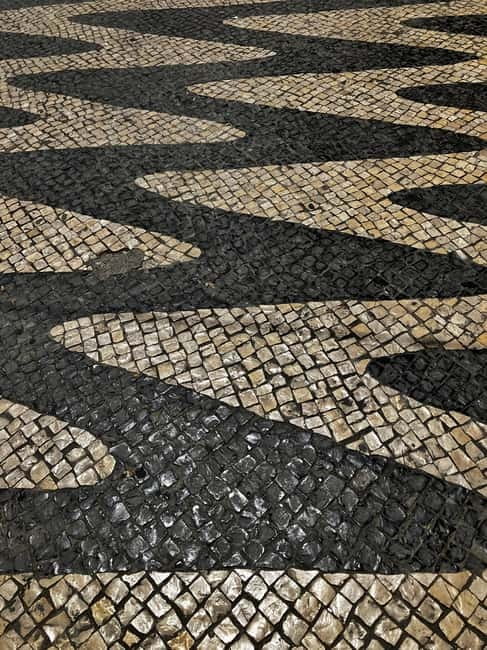
Lisbon reveals itself when you walk it downhill. This 3-hour small-group tour mixes true and imagined stories with real logistics—so you come away with the city’s rhythm, not just photos. What I like most is the sequence of viewpoints that makes the geography click, and the stop at Igreja de São Roque with its ornate interiors and a tucked-away garden. One caveat: the route runs mostly downhill, but it’s still on cobblestones and sometimes stairs, so it’s not a good match if mobility is a concern.
I also appreciate that you’re not stuck in museum mode. You’ll see how Lisbon pieces connect—from Bairro Alto to Chiado and down to Baixa and Praça do Comércio—plus you’ll learn how locals use lifts, funiculars, and trams to move across the hills. At $23 for a 3-hour guided walk with Q&A and recommendations, it feels like good first-time orientation value, as long as you budget for water and any museum tickets on your own.
If you want Lisbon with stories, views, and practical “where do I go next” guidance, this is an easy yes. Just bring comfortable shoes, plan for some uneven stone underfoot, and accept that you’ll earn your best angles the walking way.
In This Review
- Key things you’ll love about this tour
- Where the downhill story starts: Chafariz do Largo do Rato
- Azulejo city map and Principe Real’s take on Lisbon
- Miradouro de São Pedro de Alcântara: the viewpoints that make the geography click
- Glória lift to Bairro Alto: Lisbon’s vertical transport culture
- Igreja de São Roque: ornate church interiors plus a secret garden mood
- Largo do Carmo to Santa Justa Lift: coffee pause and best river angles
- Chiado, Rossio, and Baixa: turning slope views into street-level confidence
- Rua da Prata to Praça do Comércio: finishing by the riverfront
- Price, time, and what’s actually included in the value
- Who this tour is best for (and who should skip it)
- My honest take: book it if you want Lisbon with a map in your head
- FAQ
- How long is the walking tour?
- What’s the group size?
- What language is the guide?
- Where does the tour start?
- Where does the tour end?
- How much does it cost?
- What’s included in the tour price?
- What’s not included?
- What should I bring?
- Is it suitable for people with mobility impairments?
- Can I bring alcohol or drugs?
Key things you’ll love about this tour
- Story-forward history: kings, knights, and local gossip, anchored to real places
- The city’s shape in azulejo: a tile-map that helps you understand how the hills fit together
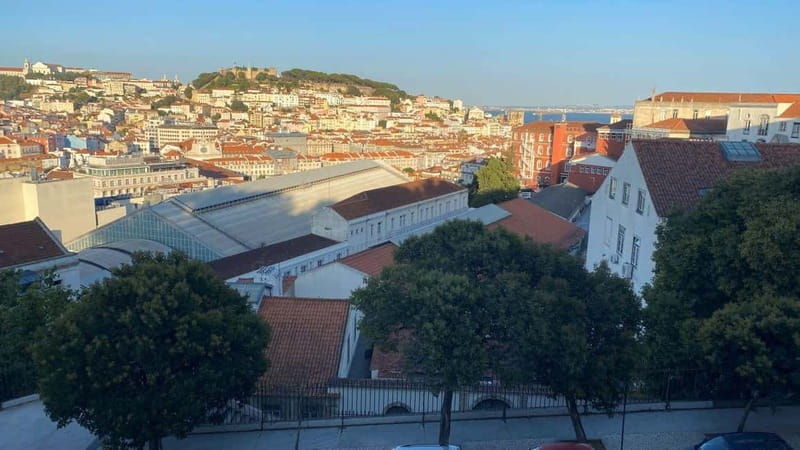
- Views that fix your bearings: miradouros timed for photos and understanding, not just sightseeing
- One church stop with extra surprises: Igreja de São Roque and a secret garden mood
- Lisbon’s vertical transport culture: lifts/funiculars/trams explained in context
- Small group energy: limited to 7 participants, so questions feel easy
Where the downhill story starts: Chafariz do Largo do Rato
You begin near the Chafariz do Largo do Rato, by the yellow line metro exit for Rua da Escola Politécnica. Look for your guide holding a sign with GetYourGuide. From the first moments, the guide sets the tone: Lisbon is an old capital, so you’ll hear stories that blend what really happened with what people like to repeat—and that mix is part of the city’s charm.
This tour is designed as a downhill walk. That means your legs do most of the work going toward Praça do Comércio, where you’ll finish near the blue metro line. It also means you get a natural “from above to riverfront” perspective, which is exactly how Lisbon should be experienced on foot.
Before you go, wear shoes you trust on cobblestones. You’ll be moving steadily for about 2.5–3 hours, and the walking style is “city footpath,” not flat promenade.
You can also read our reviews of more tours and experiences in Lisbon.



Azulejo city map and Principe Real’s take on Lisbon

Early on, you’ll get to Jardim do Principe Real for a short guided introduction. Even if you’ve never visited, Principe Real is one of those areas that instantly feels like Lisbon is layered—quiet pockets inside a city built on slopes.
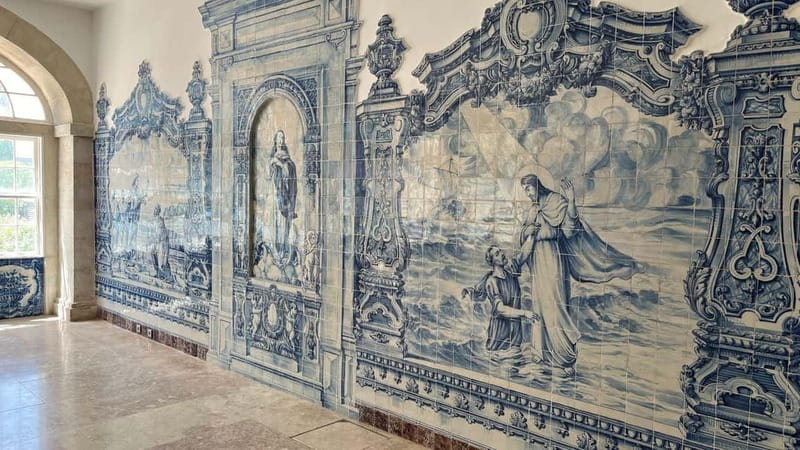
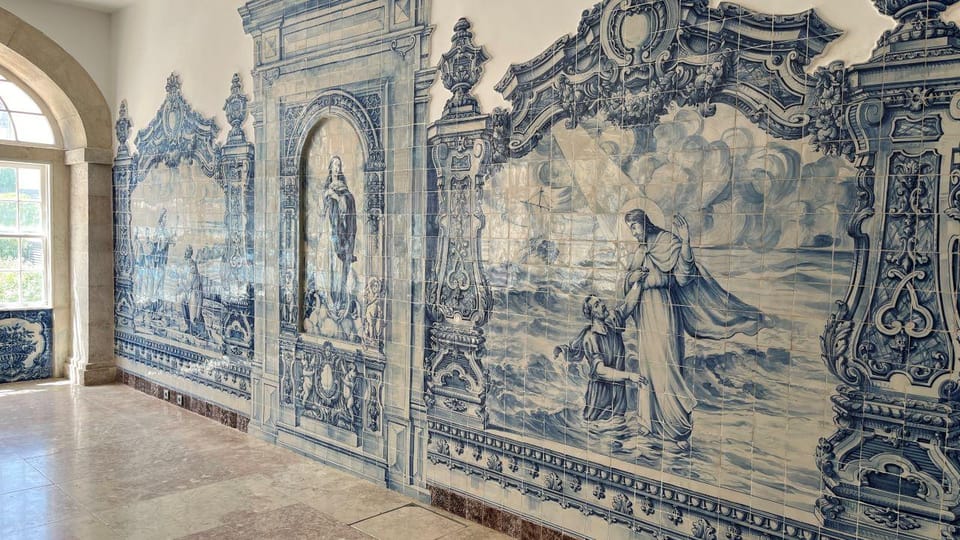
A key highlight here is a map made of azulejo (those iconic painted Portuguese tiles). Seeing Lisbon’s structure on a tiled plan helps your brain stop treating the city as random hills and streets. You start to understand how neighborhoods connect and why certain viewpoints make sense.
One practical tip: this is where you’ll start realizing how to “read” the city from different angles. When you later reach miradouros, you’ll know what you’re looking at instead of guessing.
Miradouro de São Pedro de Alcântara: the viewpoints that make the geography click
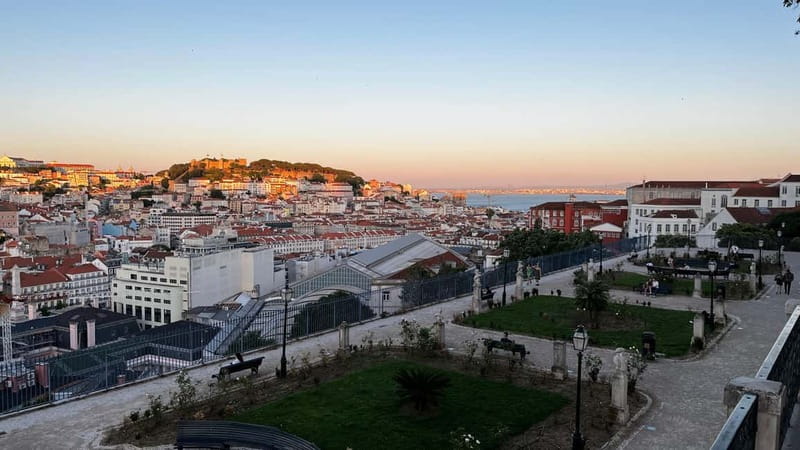
Your next big photo-and-story stop is Miradouro de São Pedro de Alcântara. This is the moment where the tour does more than show you pretty views—it helps you understand Lisbon’s layout.
You’ll likely pause for photos while the guide explains how different parts of the city relate to each other. That makes a huge difference if you’re planning to explore on your own afterward. Once you grasp where Baixa sits relative to the higher districts, you can choose routes faster and avoid aimless zigzagging.
On the way here and onward, expect a few short walks. The pace stays manageable, but you still want to keep your focus on footing.
Glória lift to Bairro Alto: Lisbon’s vertical transport culture
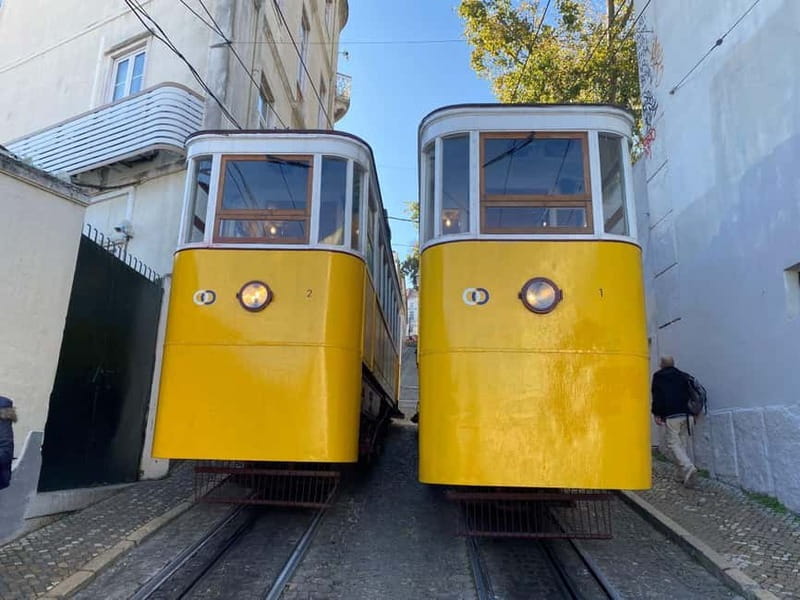
At Elevador da Glória, you’ll get a taste of Lisbon’s love affair with moving between levels. Lifts and funiculars aren’t just cute rides here—they’re practical tools for getting from one hill to the next without turning every day into a leg workout.
Then you head into Bairro Alto. This area often feels like Lisbon’s evening personality begins here: streets with an energy level that changes with the hour. The guide shares tips on where you can aim for a quieter evening versus where to go when you want more of a youthful party vibe.
If you’re using Lisbon for more than a quick stop, these are the kinds of insights you can’t reliably get from a map. You learn the city’s “moods by neighborhood,” which helps you plan your own nights better.
Igreja de São Roque: ornate church interiors plus a secret garden mood
Igreja de São Roque is one of those stops that changes the feel of the tour. The guide points out details inside the church—ornate interiors are a major theme here—and you’ll also have a chance to see the secret garden atmosphere tied to the former monastery setting.
This is the part of the tour that breaks up the view-chasing. Instead of more distance and more slopes, you get a moment of indoor detail and then a quieter courtyard feel. It’s also a good contrast if you’ve been photographing only from outside.
Spend your attention on what makes the church visually distinctive. Take time to look upward, and then look back to see how the space guides your eye. The guide’s stories around the place help the decoration make sense instead of just looking impressive.

Largo do Carmo to Santa Justa Lift: coffee pause and best river angles
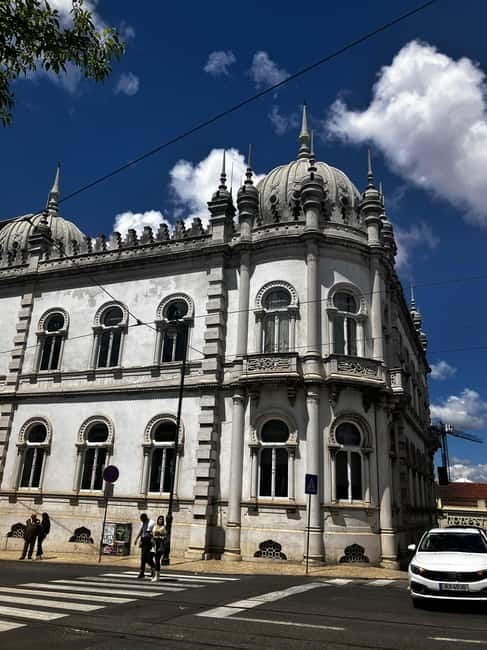
At Largo do Carmo Square, the tour slows into a photo stop and a break. You’ll have a coffee pause here, plus time to grab local snacks. It’s a simple reset that helps the rest of the walk feel more relaxed.
Next comes Santa Justa Lift. This is one of Lisbon’s most recognizable pieces of vertical engineering, and the guide uses it to explain how the city moves. The lift also gives you a return to the viewpoint theme: you’ll pause for photos while the surrounding city opens out again.
This segment is a good reminder of why Lisbon is easier with a guided route. Instead of walking in every direction to find “the view,” you’re taken from one logical vantage to the next, with explanations that make the route feel like a story with chapters.
Chiado, Rossio, and Baixa: turning slope views into street-level confidence
After Santa Justa, you’ll move into Chiado and then toward Rossio Square. These stops help you shift from panoramic understanding to street-level confidence. Chiado often feels more elegant and central, while Rossio has the classic downtown square energy.
From there, you drop into Baixa de Lisboa—an area where streets, shops, and landmarks come together. This is where the tour becomes useful for practical planning. If you’re thinking about where to shop, where to wander, and how to connect back to transit, Baixa gives you that “hub” feeling.
The tour also includes a stop at Pollux and then continues along Rua da Prata. You’ll walk these streets with guided context, so they feel like more than just pretty storefronts. Even without a museum ticket, you start noticing how Lisbon’s center is organized for movement.
If you want one takeaway for independent travel, it’s this: you’ll leave with a mental map for moving around the center without overthinking it.
Rua da Prata to Praça do Comércio: finishing by the riverfront

Rua da Prata leads you toward the grand finale: Praça do Comércio, also known as Terreiro do Paço. This is the most open, river-facing part of the walk, and it’s a satisfying end point after a downhill route.
At the square, you’ll get guided sightseeing and photo time. The guide’s narrative often circles back here—how the city’s older layers face the river, and why this part of Lisbon reads as “the front door” to the waterfront.
When you finish near the Praça do Comércio metro station on the blue line, you’re also positioned well for whatever you choose next. You can continue on foot, hop to another area, or simply take a break and enjoy the waterfront atmosphere.
Price, time, and what’s actually included in the value
The price is $23 per person for about 3 hours in a small group of up to 7. For that amount, you’re buying two things: a guided route that stitches Lisbon together, and the context that makes your future wandering easier.
What’s included is the guided experience itself, full information, a Q&A at the end, and recommendations. Coffee and local snacks happen during the walk, which helps make the experience feel complete without turning it into a full-day plan.
What’s not included is transport and museum tickets, and water isn’t provided. That last part matters more than people think in Lisbon’s sun—bring water, especially if your tour start time lands in warmer hours.
At this price point, the best “value test” is simple: do you want a first-pass understanding of Lisbon’s structure plus story? If yes, this tour fits the bill. If you only want one or two sights and you already know your way around the hills, you might feel it’s more tour than you need.
Who this tour is best for (and who should skip it)
This works especially well for:
- First-time visitors who want Lisbon’s neighborhoods connected in your head
- People who enjoy stories tied to specific places (not just plaques)
- Travelers who want help using Lisbon’s hill geography and public transport smarter
- Anyone planning to do more independent exploring right after the tour
It’s not a great match if:
- You have mobility limitations. The route is mostly downhill, but it includes cobblestones and sometimes stairs.
- You’re traveling with kids under 12.
- You don’t like walking as a core part of sightseeing.
If you’re the type who loves “what am I looking at and why?” this tour tends to deliver that payoff.
My honest take: book it if you want Lisbon with a map in your head
I like tours that leave you better equipped for the rest of the trip. This one does that. By walking from Rato down toward Baixa and Praça do Comércio, and pairing each step with stories and viewpoint timing, you come away with a workable mental map.
The standout strengths for me are the visual teaching tools—like the azulejo city structure—and the variety of stops, from churches to lifts to a secret garden courtyard feel. The pacing is manageable, but you still need comfortable shoes and a realistic approach to uneven streets.
If you want a tour that’s equal parts Lisbon atmosphere and practical orientation, I’d book it.
FAQ
How long is the walking tour?
It lasts about 3 hours.
What’s the group size?
It’s a small group limited to 7 participants.
What language is the guide?
The live guide speaks Russian.
Where does the tour start?
It starts near the Chafariz do Largo do Rato, at the exit of the yellow line metro station Rato toward Rua da Escola Politécnica.
Where does the tour end?
The walk ends at Praça do Comércio (Terreiro do Paço), near the Praça do Comércio metro station on the blue line.
How much does it cost?
The price is listed as $23 per person.
What’s included in the tour price?
You get full information, the 3-hour guided experience, a Q&A at the end, and recommendations. A coffee pause with local snacks is also part of the route.
What’s not included?
Transport, museum tickets, and water or drinks are not included.
What should I bring?
Bring comfortable shoes, a sun hat, water, and rain gear.
Is it suitable for people with mobility impairments?
No. It’s not suitable for people with mobility impairments because the route includes cobblestones and sometimes stairs.
Can I bring alcohol or drugs?
No. Alcohol and drugs are not allowed.