REVIEW · WINE TOURS
Lisbon & The South Side Wine Regions Private Luxury Tour
Book on Viator →Operated by RM CESAR · Bookable on Viator
Your car becomes your clock.
This private 2-day luxury tour mixes viewpoints, medieval walls, and Portuguese wine regions close to Lisbon. I love that you get a private driver/guide for no-stress transport and no need to plan buses between stops, and I also like the built-in wine-tasting moments in both Setúbal and Alentejo. One thing to consider: it’s a full schedule with moderate walking and you won’t have guided entries inside every monument—your guide explains as you go, but you’ll be responsible for moving through some sites on your own.
On Day 1, you’ll start high above Lisbon at Cristo Rei, then work your way toward the sea with a climb to Palmela Castle, a nature stop in Arrábida, and a long pause in Sesimbra’s old fishing-village atmosphere. Day 2 shifts gears to Evora’s UNESCO-style museum-city feel—cathedral, Roman temple, fortified walls, and the Chapel of Bones—before ending with a choice of wineries in the Alentejo wine route.
This is also a good tour design for real-world travel: it’s flexible when traffic and weather hit, and it’s paced so you’re not sprinting between cities. If you’re the type who wants everything pre-selected, it helps to know the tour lets you choose which winery you do on the Alentejo day.
In This Review
- Key things that make this tour worth your time
- How the “Lisbon to South Side” plan actually works
- Day 1: Cristo Rei, Palmela, and the coast-to-wine rhythm
- Cristo Rei: the big-sky start near Lisbon
- Castelo de Palmela: a hard-to-reach fortress moment
- Parque Natural da Arrábida: coast views and white chalk cliffs
- Sesimbra: an old fishing village break
- Jose Maria de Fonseca: a Setúbal wine tasting stop
- Day 2: Evora’s monument-city pulse, then Alentejo wine
- Evora: the UNESCO museum-city feel
- Aqueduto da Água de Prata: the practical water story
- Muralhas de Evora and the city’s fortified logic
- Cathedral of Evora (Se Catedral de Evora): the old skyline anchor
- Templo Romano de Evora (Templo de Diana): Rome still showing up
- Praça do Giraldo: the center of everyday movement
- Chapel of Bones: a powerful, unsettling stop
- Alentejo wine route: your winery choice for the finish
- Why this private setup is better than piecing it together yourself
- What’s included (and what you’ll still need to plan)
- Price and value: is $230.78 per person a good deal?
- Who this tour fits best (and who might prefer something else)
- Should you book this Lisbon & South Side Wine Regions Private Luxury Tour?
- FAQ
- What time does the tour start, and how long is it?
- Is pickup included, and where does pickup happen?
- What does the tour include for wine and admissions?
- Are meals like lunch included?
- Is there a guided visit inside the monuments and buildings?
- How much walking is involved?
- Can I cancel for a full refund?
Key things that make this tour worth your time
- Private driver luxury: pickup in Lisbon city and air-conditioned transport with Wi‑Fi means you’re not juggling logistics.
- Two different wine regions: Setúbal tasting on Day 1, then an Alentejo winery choice on Day 2.
- Evora’s big hits with less hassle: you get multiple major monuments in one day with a local guide explaining history in plain terms.
- Christ Rei to the sea: the route naturally changes from panoramic views to coastal fishing vibes.
- Entry fees are handled: the tour includes entrance fees at the paid stops, which simplifies your day.
How the “Lisbon to South Side” plan actually works
This is a private, two-day loop that takes you away from Lisbon and back, using a dedicated driver so you don’t lose time coordinating public transport. Start is 9:00 am, and pickup is offered for hotels and apartments within Lisbon city limits.
The tour is built around three themes: perspective (Cristo Rei and Palmela), place (Arrábida and Sesimbra), and heritage plus wine (Evora and the Alentejo/Setúbal regions). Your guide doesn’t just read facts—they’re there to connect the dots between geography, architecture, and how people lived here.
Expect moderate walking. It’s not “hike all day,” but you’ll be on your feet in viewpoints and around city monuments. Also note a key boundary: the tour includes explanations before and around stops, but it does not include guided entry inside the monuments. That’s normal for a private driving tour, but it’s worth knowing so you plan your expectations.
You can also read our reviews of more private tours in Lisbon



Day 1: Cristo Rei, Palmela, and the coast-to-wine rhythm
Day 1 is where the tour earns its name: Lisbon to the south side, with a natural progression from sky views to seaside villages to wine.
Cristo Rei: the big-sky start near Lisbon
You begin at Santuario Nacional de Cristo Rei—the famous Christ statue. Construction began in 1949 and took about ten years to complete, and the site is designed to give you one of those “you can’t believe this is close to Lisbon” views.
Why this stop works: it’s a quick reset point. After pickup, you get a dramatic orientation over the Tagus area and the broader region. It’s also a calm start—your time here is set at around 1 hour, and admission is free.
Practical tip: bring a light layer. High viewpoints can feel cooler and breezier than Lisbon streets, even in good weather.
Castelo de Palmela: a hard-to-reach fortress moment
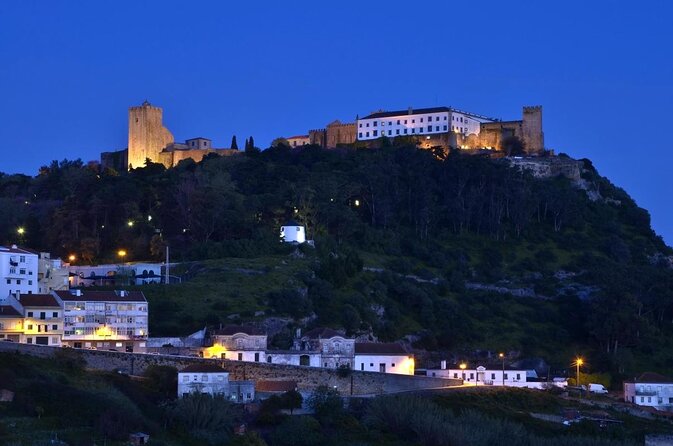
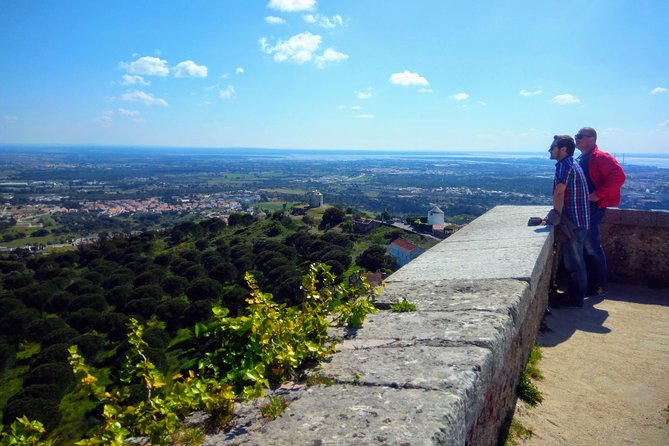
Next comes Castelo de Palmela, perched on one of the highest points in the Serra da Arrábida area. The big idea is defense: the location itself made it difficult to invade, which is why it became valuable as a fortress.
You’ll get about 1 hour here, and the admission ticket is included. The walk up and around is part of the payoff; you’re not just looking at a photo spot—you’re moving through it.
Possible drawback: Palmela is not exactly “next door.” It’s a bit of a transfer, so if you’re sensitive to winding roads or motion sickness, mention it to your driver ahead of time.
Parque Natural da Arrábida: coast views and white chalk cliffs
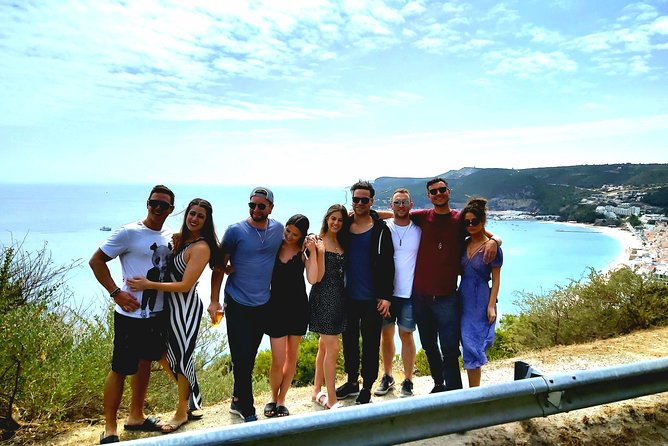
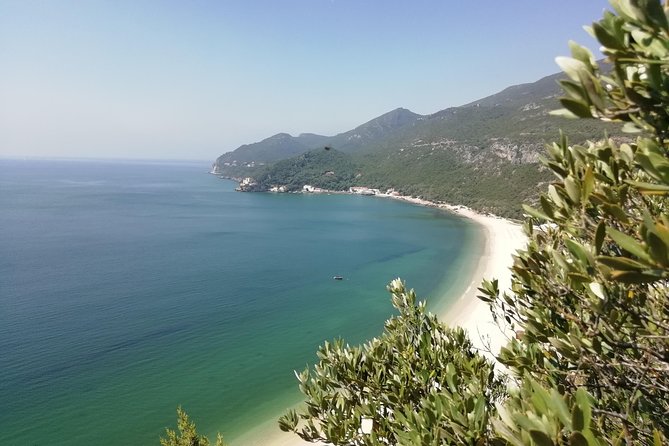
Then you step into Parque Natural da Arrábida. This area sits between Setúbal and the fishing town of Sesimbra, and the scenery is described as a mix of sea blue, white chalk cliffs, and deep green vegetation.
You’ll have about 1 hour here with free admission. This is the “slow your brain down” stop. It’s not a museum; it’s a natural park feel, and the route is designed to let you take in the colors and coastline without rushing.
What to watch for: walking is moderate here too, but it’s still a park environment. Wear comfortable shoes you trust on uneven ground.
You can also read our reviews of more tours and experiences in Lisbon





Sesimbra: an old fishing village break
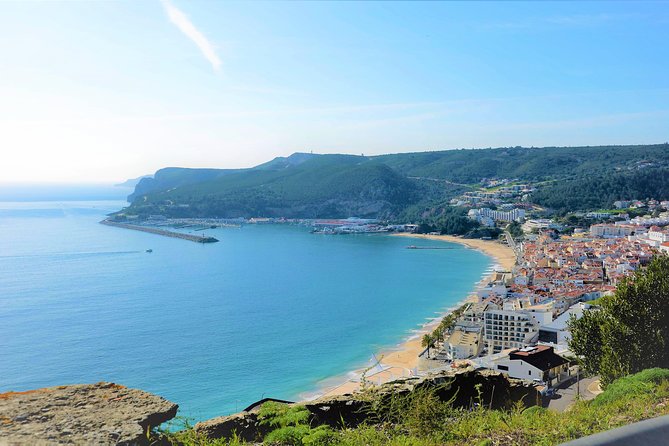
After Arrábida comes Sesimbra, one of Portugal’s older and well-known fishing villages. You get around 2 hours, and admission is free.
This is a strategic timing choice in the tour: you’ve done viewpoints and nature, so Sesimbra becomes your human break. You’ll get a chance to wander, look at the harbor atmosphere, and (even though lunch isn’t included) plan your own bite in a place that feels tied to daily local life instead of just a tourist strip.
My practical advice: if you want lunch, use this window. You’ll be much happier choosing a simple seafood or Portuguese meal in town rather than trying to eat on the move.
Jose Maria de Fonseca: a Setúbal wine tasting stop
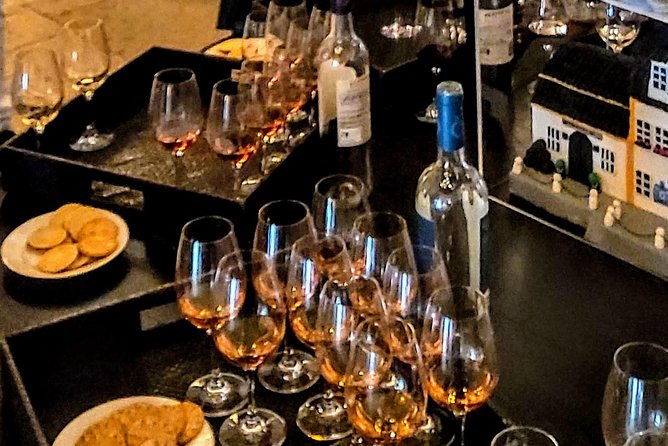
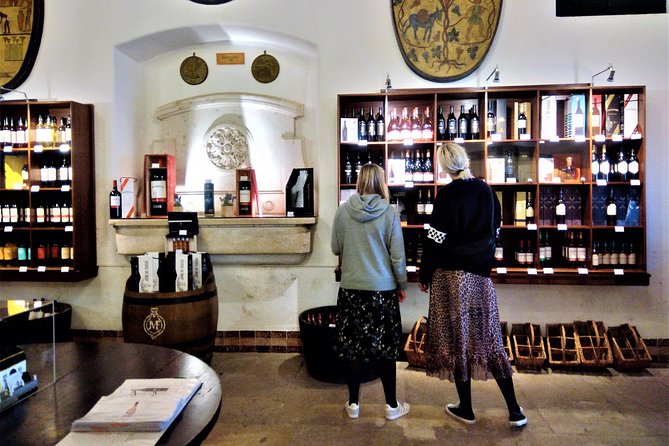
Finally on Day 1, you visit Jose Maria de Fonseca, described as the most famous winery of the Setúbal region. You get a wine tasting session for about 1 hour 30 minutes and it’s included.
This isn’t a “drive-by” tasting. The point here is that you’re drinking wine from the place you’ve been traveling through. Setúbal wines have a distinct identity compared to the inland Alentejo style you’ll see tomorrow.
How to get more out of the tasting: don’t just chase what’s best tasting. Ask which grapes or styles they recommend with food, and remember what you like now. You’ll be able to compare that later when you reach Alentejo.
Day 2: Evora’s monument-city pulse, then Alentejo wine
Day 2 is all about heritage—then wine again. It’s a strong pairing: Evora gives you the “how did people build and live here” part, and the Alentejo day ends the story with how the land supports modern culture.
Evora: the UNESCO museum-city feel
Your first stop is Evora, described as a UNESCO World Heritage site since 1986. The city is called a museum-city with roots in Roman times, and the golden age is linked to the 16th century when Portuguese kings lived here.
You’ll have about 1 hour here, admission free. That’s not a long time, but in a private tour with a guide, it’s enough to get bearings fast: where to stand, what to notice, and which sites actually matter.
One key benefit: your guide’s context helps the city feel less like scattered monuments and more like one timeline. When you understand the Roman-to-medieval-to-renaissance flow, Evora becomes easy to navigate even if you don’t know Portuguese.
Aqueduto da Água de Prata: the practical water story
Next is Aqueduto da Água de Prata, tied to the year 1537, when the old Roman aqueduct was rebuilt to bring water to marble fountains and public spaces. You only spend about 10 minutes here.
This might sound like a quick stop, but it’s exactly the kind of detail that makes a guided tour worth it. Water systems explain how cities survived—and why certain buildings and neighborhoods could flourish.
Muralhas de Evora and the city’s fortified logic
You’ll then see Muralhas de Evora (the fortified walls) for about 20 minutes. Admission is free.
This is another short but meaningful moment. Walls aren’t just pretty stone. They show the city’s need for protection and its strategic importance. When you’ve already been to Palmela’s castle, Evora’s walls make even more sense.
Cathedral of Evora (Se Catedral de Evora): the old skyline anchor
The Cathedral of Evora gets about 1 hour, and admission is included. It’s described as one of the oldest and most important local monuments, sitting on the highest spot in the city.
This is a place to slow down a bit. Even if you don’t spend every second inside, the guide’s exterior explanations help you understand what makes it influential—position matters, and so does the mix of eras and styles you can read from outside.
Templo Romano de Evora (Templo de Diana): Rome still showing up
Next is Templo Romano de Evora, known as the Temple of Diana. You have around 30 minutes, and admission is included.
This temple is a big deal because it’s Roman-era proof that Evora wasn’t invented in the medieval period—it was re-used and reshaped, not reset. It’s a quick stop, but it lands with impact if you take a moment to look up and around.
Praça do Giraldo: the center of everyday movement
You’ll spend 30 minutes at Praca do Giraldo, the city center. Admission included.
This is your social pause. It gives you time to reset before the emotional side of Evora: the Chapel of Bones. If you’re camera-ready, this square is a good place to regroup and check you’re not tired.
Chapel of Bones: a powerful, unsettling stop
The Chapel of Bones takes about 1 hour and admission is included. It was built in the 17th century, initiated by three Franciscan friars, with a message about the temporariness and fragility of human life.
It’s not everyone’s favorite stop, but it’s memorable—and it’s exactly why Evora earns its fame. If you like architecture and cultural messaging, you’ll respect what they were trying to say.
A useful practical note: if you’re visiting around a spooky date, the chapel can feel even more intense. One example I saw included a Halloween visit that made the vibe extra eerie, without changing the content itself. Bring a steady mindset and treat it like a serious historical experience, not a joke.
Alentejo wine route: your winery choice for the finish
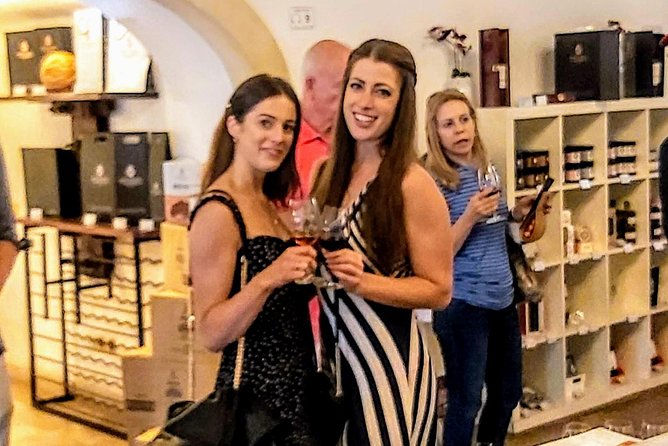
To wrap Day 2, you head to Rota dos Vinhos do Alentejo. You’ll visit one of the most famous wineries of the Alentejo region, and you can choose which one. Time is about 1 hour, and admission is included.
This is your payoff for the whole two-day plan. Evora gave you stone and centuries; Alentejo gives you grapes and a living agricultural landscape.
How to choose your winery wisely (even when you don’t control everything): pick the one that matches your drinking style. If you’re a red person, focus on what they highlight. If you like lighter or food-friendly bottles, ask what pairs well with local dishes.
Why this private setup is better than piecing it together yourself
The headline feature is private luxury transport, and that matters more than it sounds. When you’re traveling between Lisbon and the south side, the geography alone makes public transport feel slower and more fiddly.
With pickup in Lisbon city, an air-conditioned vehicle, free Wi‑Fi, and fresh bottled water, you’re spending your energy on the sights—not on timing transfers. And because it’s private, your guide can adjust the order or timing if traffic or weather changes (the tour notes that the itinerary can change accordingly).
This is also the type of tour where small guide skills show. In an Evora-focused day example with guide Joao, the group got a prompt pickup, a friendly pace that handled tired adults and a sleepy 13-year-old, and practical recommendations that helped the day feel smooth. That’s the real value of a good local driver-guide: keeping you on track while still letting you enjoy the places.
What’s included (and what you’ll still need to plan)
Here’s the practical picture: the tour includes private luxury transport, an insurance component, fresh bottled water, pickup/drop-off within Lisbon city area, and entrance fees where listed as included. It also includes the wine tasting sessions—one at Jose Maria de Fonseca and one in the Alentejo wine route.
What’s not included is equally important: lunch isn’t included, and food and drinks generally are on you. Also, guided visits inside monuments and buildings aren’t included; your guide explains history and architecture before and as you view the sites, but you won’t get a separate ticketed guide for inside tours at every stop.
If you want a simple game plan: plan your lunch around Sesimbra on Day 1 or around Evora’s central square timing on Day 2. You’ll get more choice in a town environment than on the road.
Price and value: is $230.78 per person a good deal?
At $230.78 per person for about two days, this is not a budget tour. But private tours aren’t priced like public bus tickets for a reason: you’re paying for time, comfort, and logistics that would be annoying to build yourself.
To judge value, focus on three included cost categories:
- Private transport for the full route, with pickup and drop-off in Lisbon
- Wine tastings in both Setúbal and Alentejo
- Entrance fees at the paid stops (so you don’t do math all day)
If you were to rent a car and manage parking plus tastings plus admissions, the comparison becomes messy fast. If you’re splitting costs among a group, private value typically gets better, especially since this tour is explicitly private for your group.
The main “price hit” is that lunch is on you. But if you plan meals intentionally, this doesn’t have to feel like an extra burden.
Who this tour fits best (and who might prefer something else)
This is a great choice if you want:
- A two-day break from Lisbon with a tight route and a driver doing the work
- Wine time that’s built into the schedule (not just a single stop)
- A mix of nature viewpoints and heritage city monuments
It also works well for families who need structure. One Evora example included a 13-year-old in the group, and the guide adjusted pacing so everyone stayed engaged.
You might want a different style of tour if:
- You hate any guided-by-exterior-explanations format and want a separate inside-monument guide for every site
- You want lots of free time in each city without any set stops
- You’re traveling as a solo budget traveler who would rather maximize time per euro with public transport
Should you book this Lisbon & South Side Wine Regions Private Luxury Tour?
Book it if you like the idea of a private two-day loop that handles transport and admissions while still giving you time to actually enjoy places like Sesimbra and Evora. The wine tastings in Setúbal and Alentejo are a strong anchor, and the guided explanations around monuments are usually where these private tours justify themselves.
Skip it or rethink it if you’re mainly after long unstructured wandering, or if you’re expecting inside guided tours at every monument. Also consider your walking comfort and your tolerance for a full schedule starting at 9:00 am.
My bottom line: for the right traveler, this tour saves you effort and delivers a smart mix—views, stone history, coastal village atmosphere, and two real wine-region experiences—without you acting like a trip planner for two days.
FAQ
What time does the tour start, and how long is it?
The tour starts at 9:00 am. The duration is listed as about 2 days.
Is pickup included, and where does pickup happen?
Yes, pickup and drop-off are offered for hotels or apartments in the Lisbon city area. Pickup is only available in Lisbon city.
What does the tour include for wine and admissions?
The tour includes wine tasting sessions (Jose Maria de Fonseca on Day 1 and an Alentejo winery choice on Day 2). It also includes entrance fees where the stops list them as included.
Are meals like lunch included?
No. Food and drinks are not included, and lunch is not included.
Is there a guided visit inside the monuments and buildings?
The guide explains history, architecture, and culture before and around each stop, but the tour notes that it does not include guided visits inside monuments and buildings.
How much walking is involved?
The tour involves a moderate amount of walking, and comfortable shoes are recommended.
Can I cancel for a full refund?
Yes. You can cancel for a full refund if you cancel at least 24 hours before the experience’s start time.