REVIEW · CRUISES & BOAT TOURS
Lisbon River Boat Sightseeing Tour with a Drink
Book on Viator →Operated by Blue Cruises · Bookable on Viator
Lisbon looks different from the water. This 1 hour 40 minute Tagus River sightseeing cruise pairs pass-by views of the main sights with English commentary and a included drink.
I like how practical it is for first-time orientation. The river route shows you where neighborhoods sit, so you can plan which land sights to tackle next. I also like the value: at about $22.83 per person, you’re paying for a long-looking loop on the water, not just a quick photo stop.
One thing to consider: the experience is heavily shaped by boat temperature and crowding. If you don’t get a top-deck spot early, you may be stuck inside where it can feel hot, and windows may not open much due to safety rules.
In This Review
- Key things to know before you board
- Getting on the boat at Estação Fluvial Sul e Sueste
- The big-picture route: Praça do Comércio to the Belém side and back
- Praça do Comércio: why the harbor plaza is the perfect start
- 25 de Abril Bridge: Golden Gate orange, San Francisco geometry
- MAAT and the Tejo Power Station: modern Lisbon by the water
- The 1960 monument: from a temporary beacon to a permanent one
- Belém Tower and the Bugio Lighthouse: Lisbon as a gateway to exploration
- Christ the King at Almada: the statue you see from the Tagus
- São Jorge Castle and the old hillside neighborhoods from a river lens
- The onboard drink and what you should expect about value
- Seating, heat, and why showing up early matters
- The commentary: English audio via an app (bring headphones)
- How long is too long? Why 1 hour 40 minutes is a sweet spot
- Who this cruise suits best
- Should you book this Lisbon river boat tour?
- FAQ
- How long is the Lisbon River Boat Sightseeing Tour?
- Where do I meet for the cruise?
- Is the tour commentary available in English?
- Is a drink included with the ticket?
- Do I need to download an app for the audio?
- Is Wi-Fi available on the boat?
- How many people are on the tour?
- Can I bring my own food or drinks onto the ship?
- What happens if the weather is poor?
Key things to know before you board
- You get better Lisbon photos from the water, especially around Belém and the bridge areas
- English commentary is app-based, so download and test before you leave shore
- Upper deck fills fast, and access can be restricted once it’s full
- A drink is included, but the exact option (like orange juice, water, sweet wine, or coffee) can vary
- The cruise is short but wide-ranging, covering the river stretches in under 2 hours
- It’s a calm, “sit and look” style tour, not a walking tour with guides explaining from the sidewalk
Getting on the boat at Estação Fluvial Sul e Sueste
Your tour starts at Estação Fluvial Sul e Sueste, Av. Infante Dom Henrique 1B, 1100-016 Lisboa. Since it’s a fluvial terminal, it’s easy to picture: you’re going to board at the water edge and head out right away.
This is also the kind of meeting point that rewards arriving a bit early. If your priority is sitting outside on the upper deck, being early helps because seating fills up, and upper-deck access may get restricted.
Plan to bring what you’ll need for the ride itself. The tour notes that you can’t take food or drinks onto the ship, so think of this cruise as sightseeing plus an onboard drink, not a picnic.
You can also read our reviews of more boat tours in Lisbon


The big-picture route: Praça do Comércio to the Belém side and back
This is a river cruise, not a hop-on hop-off route. You stay onboard, cruising along the Tagus while the sights slide past in a logical sightseeing loop.
The schedule is built for first-time orientation and photo-making. You’ll pass iconic harbor spaces, cross under/near major bridges, and then work through the Belém area (plus nearby landmarks) before you circle back toward central Lisbon.
The duration is about 1 hour 40 minutes. That’s short enough to fit even on a busy day, but long enough that the river doesn’t just feel like a connector between neighborhoods. It feels like an activity.
Praça do Comércio: why the harbor plaza is the perfect start
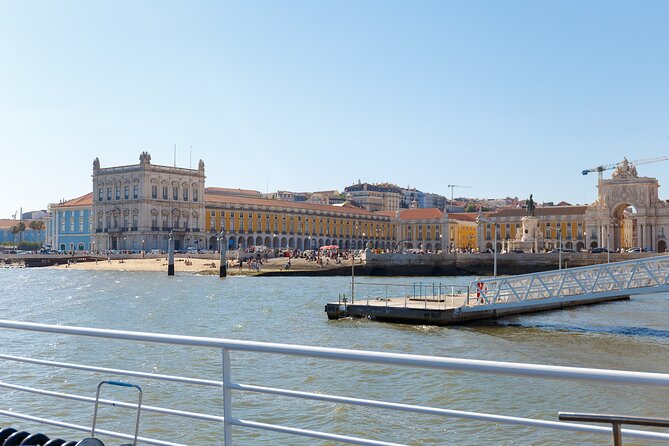
You’ll begin where Lisbon faces the Tagus: Praça do Comércio, also known as Terreiro do Paço. After the 1755 earthquake, this square was completely remodeled as part of the rebuilding of Pombaline Downtown, and it later became home to important Portuguese state departments.
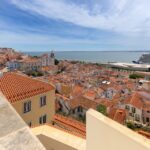
From the water, this space reads differently. Instead of thinking of it as a crowded square, you’ll see the coastline and the scale of the harbor. That helps you understand why Lisbon is built around the river’s shape and why so many big sights are concentrated along the water.
If you’re the type who likes to “get your bearings fast,” this first stretch makes sense. You’ll be able to spot what you’ll want to walk to later, and what’s best seen from the river.
25 de Abril Bridge: Golden Gate orange, San Francisco geometry
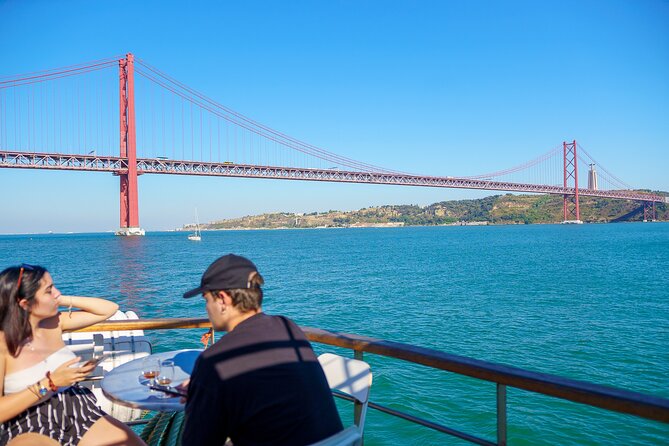
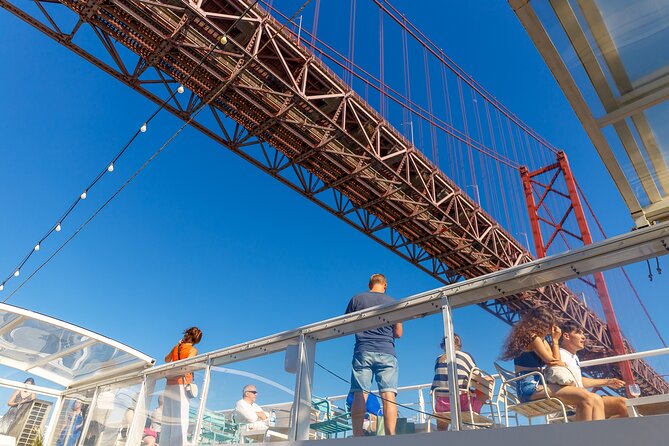
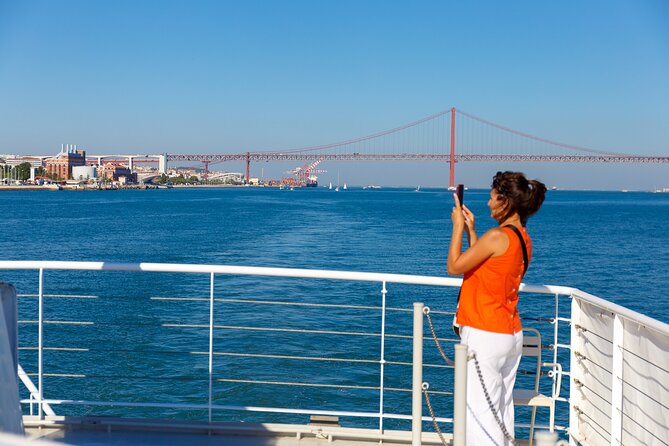
Next up is one of Lisbon’s most recognizable silhouettes: the 25 de Abril Bridge. Historically, it was named the Salazar Bridge until the Carnation Revolution, when it was renamed for April 25.
The fun detail here is design. The bridge is partly based on two San Francisco Bay Area bridges, and it uses the same International Orange color as the Golden Gate Bridge. It was also built by the same company.
From onboard, this is more than a landmark. It’s a visual divider that helps you mentally map sides of the city. If you’re planning which viewpoints to hit on land, seeing how the bridge relates to the river helps you choose routes that feel efficient instead of random.
MAAT and the Tejo Power Station: modern Lisbon by the water
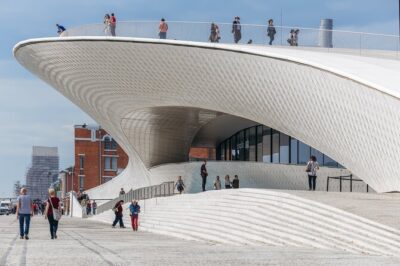
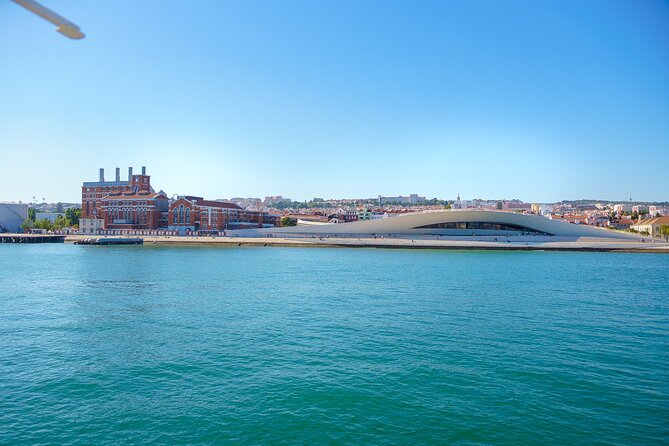
As the cruise continues toward the Belém side, you’ll pass MAAT, Lisbon’s Art, Architecture, and Technology cultural project. The building sits on the river’s west side, connecting with the Tejo Power Station.
This is where the cruise surprises people who expect only old monuments. MAAT is a contemporary museum complex, and it sits right in the industrial riverscape, so the contrast is instant. You’ll likely notice how the museum’s modern look sits next to older infrastructure.
Tejo Power Station itself is one of Portugal’s prominent industrial architecture examples from the first half of the 20th century. Even if you don’t go inside, seeing it from the Tagus helps you understand how Lisbon reused and reimagined its industrial sites rather than discarding them.

The 1960 monument: from a temporary beacon to a permanent one
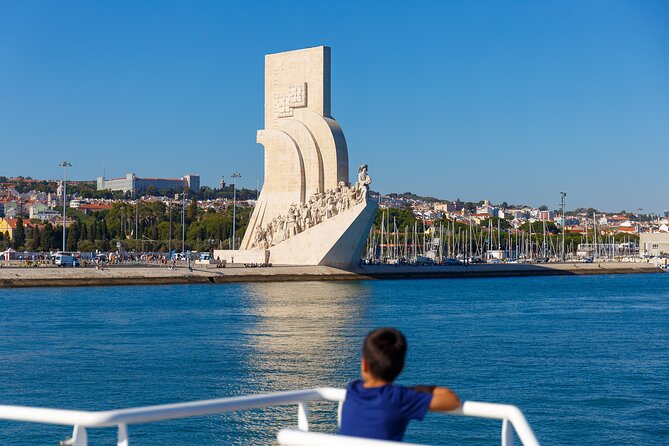
You’ll also see a riverside monument tied to a specific timeline. It was conceived in 1939 by architect José Ângelo Cottinelli Telmo and sculptor Leopoldo de Almeida as a temporary beacon for the Portuguese World Exhibition in June 1940.
The permanent monument followed later, built to celebrate the fifth centennial of the death of Infante Henry the Navigator in 1960. That mix of “temporary event” and “later permanent celebration” is a very Portuguese way of marking history: quick spectacle at first, then a lasting symbol.
On a cruise, this kind of landmark can feel like background until you catch its meaning. The English commentary is what turns it into more than just another shape in the river view.
Belém Tower and the Bugio Lighthouse: Lisbon as a gateway to exploration
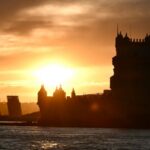
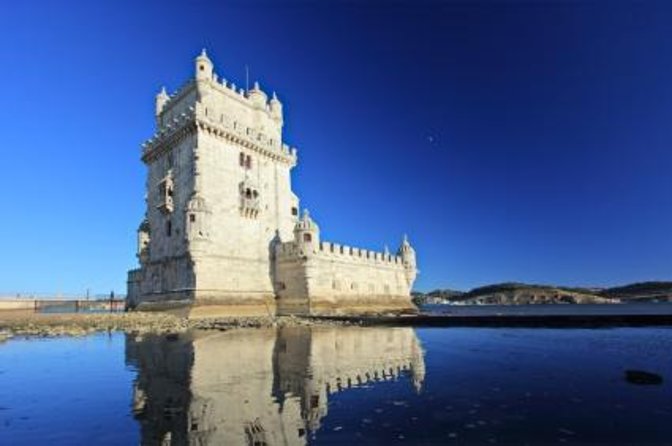
Belém Tower (officially the Tower of Saint Vincent) is a 16th-century fortification that served as a point of embarkation and disembarkation for Portuguese explorers and as a ceremonial gateway to Lisbon. It’s also a UNESCO World Heritage Site (classified in 1983).
A bit further out, you pass the Bugio Lighthouse, located on an island in the estuary of the Tagus on the Fort of São Lourenço do Bugio.
From the water, these forts read as part of one coastal system. Belém Tower feels like the “Lisbon entrance” story, while Bugio feels like the “river meets sea” safety-and-navigation story.
If you enjoy maritime history, this is the stretch that typically lands hardest. You’ll see why Lisbon’s old city flourished where ships could depart, arrive, and get guided safely through shifting waters.
Christ the King at Almada: the statue you see from the Tagus
The cruise also reaches the Sanctuary of Christ the King in Almada. It’s a Catholic shrine dedicated to the Sacred Heart of Jesus Christ, overlooking Lisbon from across the water.
The statue’s figure forms a cross with arms extended toward the city, almost like it’s embracing Lisbon. This is one of those sights where distance actually helps: from the river, you see it as a silhouette that anchors the skyline.
It’s a strong visual payoff near the later part of the cruise loop, when you’re likely settling into the “just watch the view” rhythm.
São Jorge Castle and the old hillside neighborhoods from a river lens
On the way back, the cruise focuses attention on Lisbon’s high points. São Jorge Castle sits on a hill and has served different roles over centuries: royal palace, military barracks, home of the Torre do Tombo National Archive, and now a national monument and museum.
You’ll also get context for the districts below it. Alfama, the oldest Lisbon district, spreads from the castle down toward the Tagus. Its name comes from Arabic Al-hamma, meaning fountains or baths. The 1755 earthquake caused damage across much of Lisbon, but Alfama survived with little damage.
Another layer is the Mouraria, often described as the Moorish quarter. The name reflects that after reconquest, remaining Muslims were confined to this part of the city.
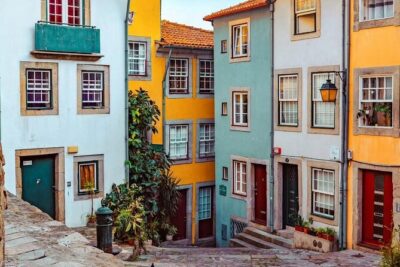
From the water, you’ll understand why these neighborhoods hug the hills. The river isn’t just scenery here; it’s the reason these areas sit where they do.
The onboard drink and what you should expect about value
The tour includes a drink with your ticket. The data doesn’t lock in the exact type of drink, and that’s consistent with what people have experienced: options have included orange juice, water, and sometimes coffee or sweet wine.
So treat it like: you’re buying into a value-friendly sightseeing cruise, and the included drink is a bonus, not a guarantee of a specific brand or alcohol every single departure. If you care a lot about what you’ll drink, have a plan to buy something else onboard.
Price-wise, the value makes sense. You’re paying around $22.83 for nearly two hours on the river with English audio. That’s a practical way to spread out your sightseeing day and reduce how much you need to move around by foot or taxi.
Seating, heat, and why showing up early matters
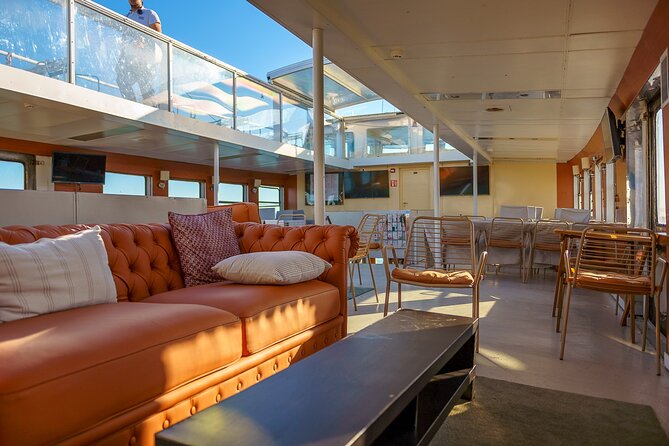
This is the part I’d treat seriously. Some riders report that once the upper deck is full, late boarders end up inside, where it can get hot and where windows may not open much. Upper deck access is regulated, and staff can’t always change that.
Even when the crew is friendly, safety rules limit options. If you’re booking for sunshine views, arrive early and aim to get one of the better spots outside, or at least a shaded seat if available.
Bring a hat and plan for sun and wind. One of the most useful travel tips from the onboard experience is simple: protect yourself first, then enjoy the photos.
The commentary: English audio via an app (bring headphones)
The highlights promise commentary, and the most practical way to get it is through the Blue Cruises app. Riders have recommended downloading it and using headphones so you can hear the sights clearly over the boat sounds.
You may also need to scan a QR code as part of the audio experience. Another real-world point: there’s no Wi‑Fi on the boat, so don’t count on downloading at sea.
Audio reliability can vary depending on your phone and connection to the boat’s system. If commentary is a big part of your trip style, I’d download everything before you board, then test your audio settings early.
Also, remember this is more “listen while you look” than “guide talks as you pass.” You’ll still get the sightseeing, but you’ll be doing more of the matching-up yourself, using the audio prompts.
How long is too long? Why 1 hour 40 minutes is a sweet spot
At about 1 hour 40 minutes, this tour hits a useful pacing target. You get multiple major landmarks without the fatigue of a full-day outdoor walking plan.
It also works well as a first-day activity. The cruise shows where key areas sit along the water, and then your next land day can feel more direct. Even if you don’t plan every detail, you’ll come away with a clearer sense of the city’s shape.
One nice bonus reported on some sailings: there can be wildlife. People have mentioned spotting dolphins near where the river meets the sea. You can’t schedule that, but it’s another reason to keep your eyes up during the open stretches.
Who this cruise suits best
This is a good fit if you want:
- A low-effort Lisbon activity that still feels like real sightseeing
- A strong set of landmarks in under two hours
- English audio guidance while you take photos and rest your feet
It’s less ideal if you’re heat-sensitive, need lots of fresh air, or hate app-based narration. If you rely on perfect comfort and don’t want to manage phone audio at all, consider that the cruise is still primarily a scenic boat ride with audio support.
Should you book this Lisbon river boat tour?
I’d book it if you want a smart first-time view of Lisbon’s riverfront and you’re happy to treat it as a calm, short cruise with app-based commentary. At around $22.83 and capped at 150 travelers, it’s the kind of experience that gives you good payoff per hour.
I’d hesitate if your top priority is guaranteed comfort or guaranteed narration on every device. Heat on board and crowded upper deck situations are real enough that you should plan for them. Arrive early, download the audio, and bring headphones so you can get the full value from the English guidance.
If that sounds like your style, this Tagus cruise is one of the easiest ways to turn Lisbon’s postcards into a real sense of place.
FAQ
How long is the Lisbon River Boat Sightseeing Tour?
The tour lasts about 1 hour 40 minutes.
Where do I meet for the cruise?
The meeting point is Estação Fluvial Sul e Sueste, Av. Infante Dom Henrique 1B, 1100-016 Lisboa, Portugal. The tour ends back at the meeting point.
Is the tour commentary available in English?
Yes. The tour is offered in English.
Is a drink included with the ticket?
Yes. The tour is listed as a sightseeing cruise with a drink included.
Do I need to download an app for the audio?
You’ll want to plan on using the Blue Cruises app for the audio commentary.
Is Wi-Fi available on the boat?
No Wi-Fi is mentioned in the available info, and you should not assume internet access onboard.
How many people are on the tour?
There is a maximum of 150 travelers.
Can I bring my own food or drinks onto the ship?
No. It’s not possible to enter the ship with food or drinks.
What happens if the weather is poor?
This experience requires good weather. If it’s canceled due to poor weather, you’ll be offered a different date or a full refund.