REVIEW · EVENING EXPERIENCES
Lisbon: Private Sunset & Night Photo Walk
Book on GetYourGuide →Operated by Photograph Lisbon · Bookable on GetYourGuide
Lisbon at dusk feels like a movie. This private sunset and night photo walk takes you from a top viewpoint into Alfama’s alleys, where you’ll chase golden light, trams, and night shadows with a local photographer who knows exactly where to stand. I like the hands-on photo coaching (your settings and framing, not just sightseeing), and I also like how the route keeps you moving through real Lisbon after sunset, not stuck in the usual crowd lines. One thing to consider: the walk includes uphill and uneven cobblestones, so comfortable shoes matter.
The starting point helps set the tone fast: you begin at Miradouro da Senhora do Monte, then watch the light shift as you photograph the city turning from sunset glow to night ambience. I also love that you can bring a digital, film, or smartphone and still get useful, practical advice, including low-light and motion ideas for trams. A possible drawback is that you’ll need to handle your own gear (tripods and extra accessories aren’t provided), so pack smart if you have strong photo goals.
Because it’s a private group, the pace can match what you want to focus on: street scenes, architecture, motion, or simply nailing the best angles. The goal is real skill-building and better photos, not rushing through “checklist” stops. If you’re expecting a classic guided history lecture with lots of narration, this experience is more photo-first, with Alfama’s culture and context woven in as you shoot.
In This Review
- Key highlights worth planning around
- Start at Miradouro da Senhora do Monte: get your best light early
- Learn golden-hour and twilight settings as the light drops
- Alfama’s glowing alleys: street photos that feel real at night
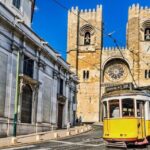
- Photograph vintage yellow trams after sunset
- Low-light and motion tips you can reuse tomorrow
- Largo da Madalena: practice night framing and finish with intent
- Who this Lisbon night photo walk is best for
- Value: why $59 per person can feel like a bargain
- What to bring (so you don’t fight the night)
- Weather and pace: quick realism for a night walk
- Should you book this Lisbon private sunset and night photo walk?
- FAQ
- Where does the tour start?
- How long is the Lisbon sunset and night photo walk?
- Is this a private tour?
- Do I need a tripod for night shots?
- What kind of cameras can I use?
- Where does the tour end?
- Is hotel pickup included?
Key highlights worth planning around
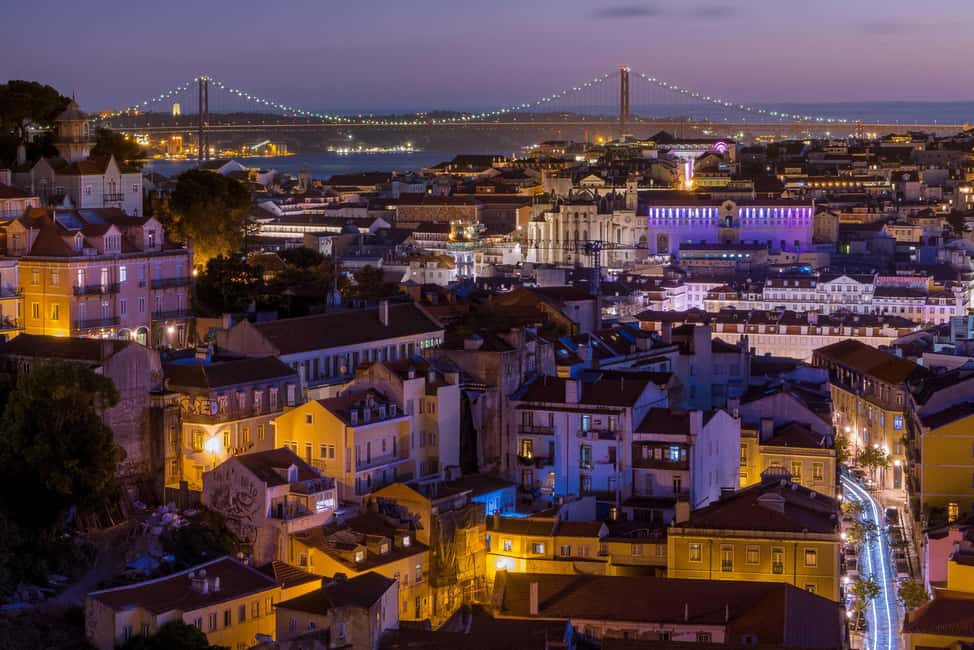
- Miradouro da Senhora do Monte start for a strong golden-hour foundation over Alfama
- Golden hour to night transition with tips that change as the light drops
- Vintage yellow tram photography plus night-composition and motion-capture guidance
- Alfama after dark in side streets and viewpoints where crowds thin out
- Low-light support for all camera types, including smartphones
- Optional feedback on your images so you can improve on the spot
Start at Miradouro da Senhora do Monte: get your best light early
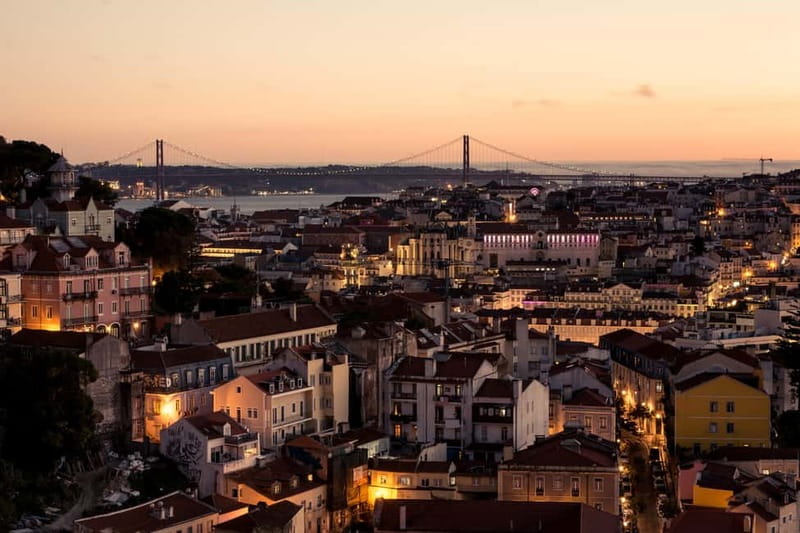
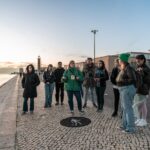
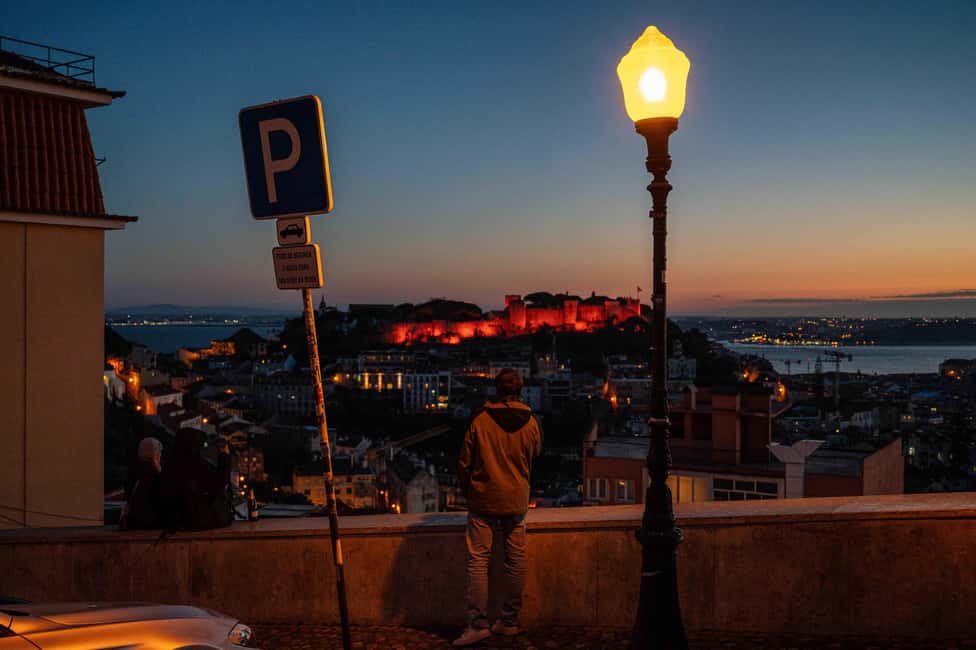
The walk begins at the entrance of the Miradouro da Senhora do Monte chapel. That matters, because this spot is built for views: you’re up high enough to see Alfama’s texture and the city’s layers, and you’re close enough to start shooting before the light really turns.
As sunset approaches, the photographer guides you through the part that usually trips people up: changing settings as the sky darkens. Instead of treating golden hour and night like two totally separate modes, the coaching helps you think in a simple sequence: capture the last warm glow first, then gradually shift your approach so your images don’t go muddy once darkness settles.
Practical tip from the vibe of this tour: arrive ready to shoot right away. Your guide is there holding a camera, so you can quickly orient, ask a question, and start testing angles. If you like photos with depth and atmosphere, this early viewpoint gives you that “Lisbon from above” look that’s hard to fake later.
What you’ll likely notice here: big sky-to-city contrast, lots of warm highlights, and scenes that look best when you include railings, rooftops, or street lines in the frame.
You can also read our reviews of more walking tours in Lisbon
Learn golden-hour and twilight settings as the light drops
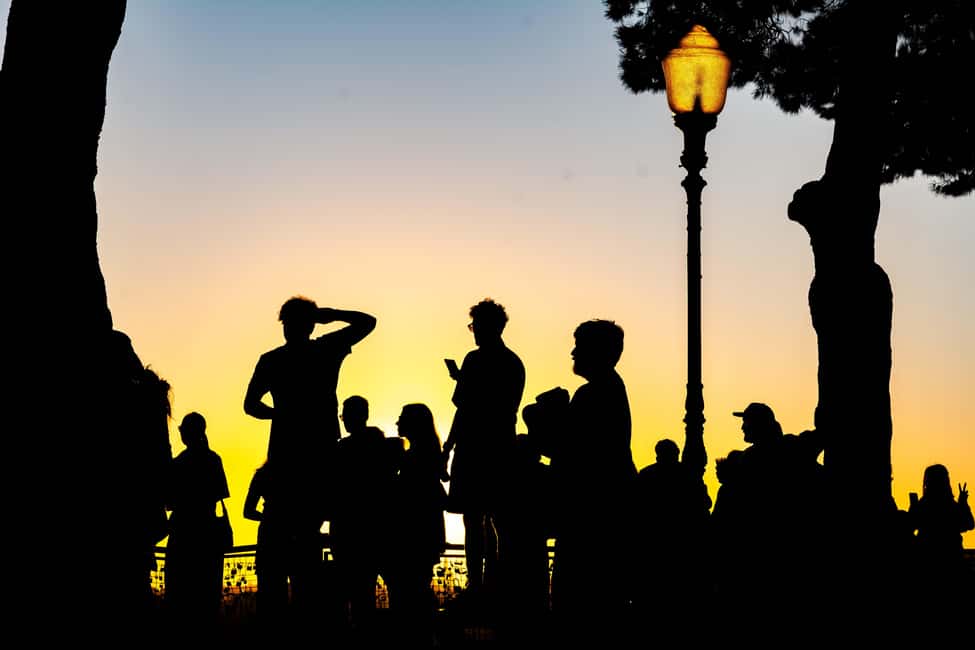
This is not a vague photography walk. It’s explicitly about learning what to do as conditions change—especially during that short window where your photos can go from great to disappointing.
You get personalized tips for street, night, and architectural photography, adapted to your camera and skill level. That personalization is the main value for most people. The guide isn’t giving one-size-fits-all instructions; the advice is aimed at helping you make smart choices with the tools you actually have.
Here’s how you can use this portion of the walk, even if you’re not a camera nerd:
- Treat twilight like a countdown. Plan shots while the city still has warm light and then switch to night techniques as contrast increases.
- Focus on composition before settings. Use lines from the viewpoint and the direction of streets to build a “story,” then adjust exposure to match.
- Ask for a quick test. If something looks too dark or too bright, a small adjustment now saves you from wasting later shots.
And because the walk is private, you’re not waiting for your turn while the guide talks to someone else’s questions.
Alfama’s glowing alleys: street photos that feel real at night
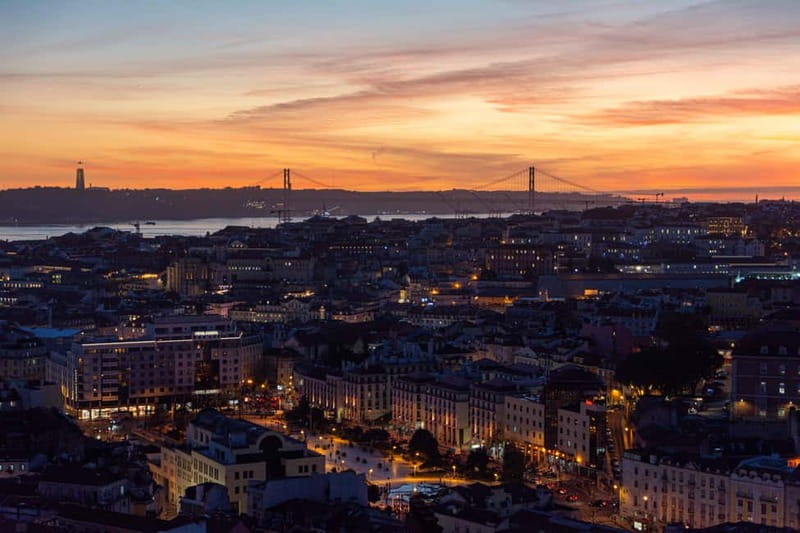
After the viewpoint, you drop into Alfama, Lisbon’s oldest neighborhood, and that shift is where the tour earns its keep. Daytime Alfama is popular for good reason, but nighttime changes the look: faces are quieter, shopfronts and windows glow, and the textures—stone, tile, narrow streets—become part of the atmosphere.
The photographer helps you frame scenes so they look like Lisbon, not like random street snaps. You’ll be guided toward spots that work for:
- Narrow alley compositions, where leading lines and walls create depth
- Illuminated buildings, where light sources give you color and mood
- Trams and street details, where motion can become part of the photo
This is also one of the practical benefits: you won’t have to guess where to stand. Alfama’s streets can be confusing, and the route is designed so you don’t miss important photo moments while still getting time to practice.
One consideration: you’re walking on uneven cobblestones and there’s some uphill. If you’re prone to rushing when you’re tired, slow down. The best low-light street photos often come from standing still and composing carefully.
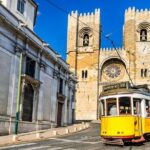
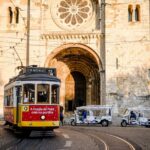
Photograph vintage yellow trams after sunset
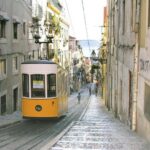
The tour specifically calls out vintage yellow trams, and that’s a big deal for night photography. Trams add three things that make photos more interesting than static street scenes:
- A strong color cue (that yellow pops against Lisbon’s darker tones)
- Motion (you can play with blur vs. sharpness)
- Lighting patterns (headlights, reflections, and illuminated rails)
Your guide works on motion capture and low-light composition. That means you’ll get help figuring out how to balance shutter speed and stability without turning every shot into a blur-fail.
You’ll also get ideas for placement: aim for moments when the tram passes through a frame with light sources behind it or a darker street wall next to it. Those backgrounds can make the yellow feel even warmer.
If you’re using a smartphone, you’ll still be guided toward practical strategies for night shots. You might not get the same control as a manual camera, but you can still improve results by learning what to prioritize: steadiness, timing, and where the light sits in your frame.
Low-light and motion tips you can reuse tomorrow
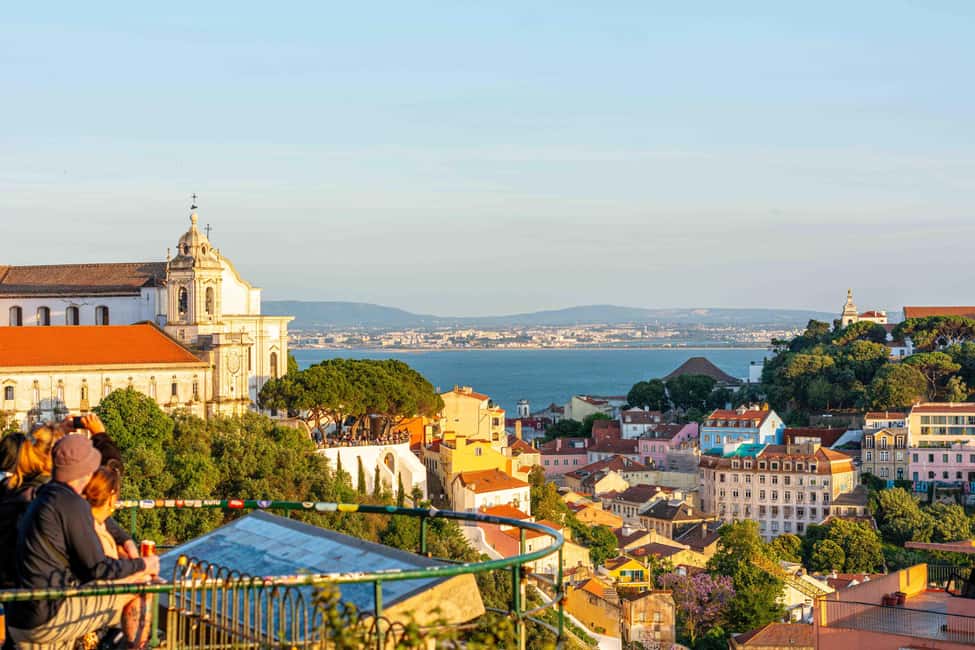
One of the best parts of this walk is the way it teaches you skills you’ll still use after you’re done. You practice low-light photography and composition, with motion ideas for moving subjects like trams.
Even if you only remember a couple of takeaways, that’s worth it. Here are the themes that matter most for night shooters:
- Know what to focus on. In low light, sharpness is everything. Your guide’s advice should help you focus deliberately instead of hoping the camera gets it right.
- Think about light sources. Night Lisbon has lots of small lights—windows, streetlamps, signs—so your exposure decisions should respect those bright points.
- Use framing to reduce clutter. Narrow streets can turn into visual chaos fast. Composition help keeps your photo readable.
Also, since you have a private guide, you can ask very direct questions like what setting to start with for your camera type, or how to approach motion when the tram timing is unpredictable.
You can also read our reviews of more private tours in Lisbon
Largo da Madalena: practice night framing and finish with intent
Near the end of the walk, you’ll practice postcard-worthy night shots around Largo da Madalena. This final stretch is useful because you’re no longer “learning what to do.” You’re applying it.
At this stage, the light is fully set, so you can compare what you’re doing to what you learned earlier. That quick feedback loop is one reason a guided photo walk feels more productive than wandering alone.
You’ll also have the option of feedback on your images during the tour. If you want to level up fast, take advantage of this. Even a couple of targeted notes—like adjusting your framing by a small amount, or changing exposure so highlights don’t blow out—can make a noticeable difference in future shots.
When the walk ends, it finishes back near your meeting point, so you’re not left scrambling to find your way after you’ve spent the evening shooting.
Who this Lisbon night photo walk is best for
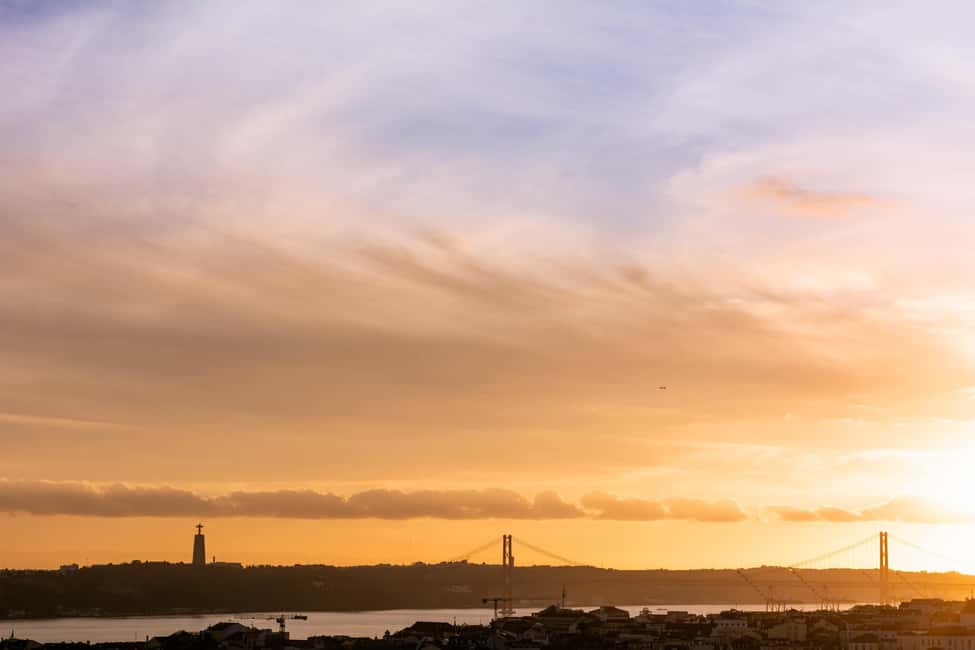
This experience fits best if you want photos with substance and you like learning from a local. It’s great for:
- Photography enthusiasts who want direction and practical instruction
- Travelers who want a private experience and hate feeling lost
- People who shoot with digital, film, or smartphones and want advice that matches their gear
- Anyone who wants Alfama after dark without feeling stuck in the busiest viewpoints
It’s less ideal if you’re purely interested in long history narration. The focus here is the camera work first, and the neighborhood’s culture is shared as you’re photographing real scenes.
Value: why $59 per person can feel like a bargain
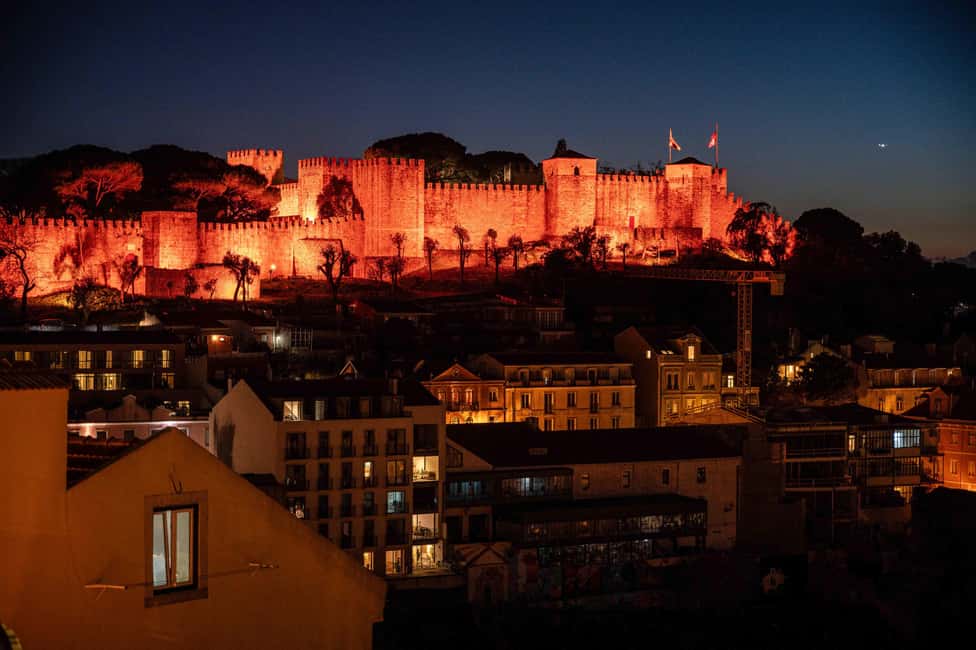
At $59 per person for a 2-hour private walk, the value comes from what you’re paying for: time with a professional local photographer plus personalized coaching. A guided photo walk can easily become generic if the guide can’t adapt to your camera, but this one explicitly adjusts guidance to your skill level and your equipment.
You also get a route that’s designed around timing—starting at a major viewpoint for golden hour, then moving into Alfama as the city transitions into night. If you’ve ever tried to do that alone, you already know the real cost: wasted time, missed moments, and lots of trial-and-error shots when conditions change fast.
This tour also removes uncertainty. You don’t have to decide which angle will work best for trams, where to frame illuminated buildings, or how to handle low light. That guidance is the part that makes the price feel fair, even if you’re only an occasional photographer.
Tripod note for value: a tripod is helpful for night shots, but it isn’t required. If you don’t own one, you’re not blocked. If you do own one, bring it—you can try longer exposures when your guide recommends it.
What to bring (so you don’t fight the night)
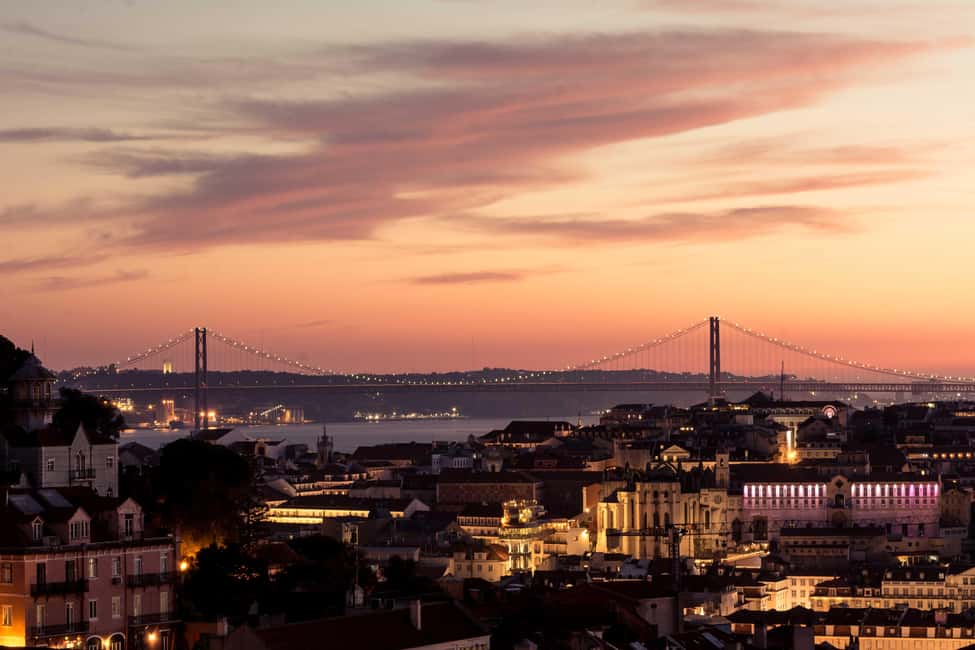
Bring your camera and keep your kit simple. The tour doesn’t supply gear like tripods or accessories, so you’ll want to show up ready.
A solid packing checklist:
- Comfortable walking shoes for uphill and uneven cobblestones
- Water (you’ll be moving and stopping for shots)
- Your camera and any basics you normally use
- A tripod if you have one and want to experiment in low light
Also consider batteries and storage. Night photography eats power, especially if you’re reviewing and reshooting often during a short 2-hour window.
Weather and pace: quick realism for a night walk
This photo walk runs in light rain. If weather turns severe, you’re offered a reschedule or full refund. That’s a big deal because night photography is very sensitive to conditions, and the tour plans around the reality that Lisbon weather can shift quickly.
Pace-wise, it’s private and adapts to your interests and abilities. That’s helpful if you’re slower with composition, or if you want extra time on trams and motion effects instead of rushing through everything.
Should you book this Lisbon private sunset and night photo walk?
Book it if you want better night photos with less guesswork. The combo of a golden-hour viewpoint start at Miradouro da Senhora do Monte, then immediate immersion into Alfama at night, plus personalized coaching for street, architectural, and low-light photography makes this a smart use of your time in Lisbon.
Skip it if your main goal is a history-and-culture walking tour with minimal camera focus. This is a creative photo experience. You’ll come away with new confidence and images you can actually build on later, and that’s usually the best souvenir.
If you’re excited about Alfama after dark, love the idea of photographing vintage yellow trams, and want practical guidance you can apply with whatever camera you carry, this is one of the easiest “yes” decisions in Lisbon for photo-minded travelers.
FAQ
Where does the tour start?
You meet your guide at the entrance of the Miradouro da Senhora do Monte chapel. Look for your guide holding a camera.
How long is the Lisbon sunset and night photo walk?
The experience lasts 2 hours.
Is this a private tour?
Yes. It’s a private group photo walk with a local professional photographer.
Do I need a tripod for night shots?
A tripod is helpful for night shots, but it is not required.
What kind of cameras can I use?
The tour supports different camera types, including digital, film, and smartphone cameras, and the guidance is adapted to your setup.
Where does the tour end?
The walk ends back at the meeting point, with night-shot practice around Largo da Madalena.
Is hotel pickup included?
No. Hotel pickup and drop-off are not included.