REVIEW · HISTORICAL TOURS
Lisbon: Private Historic Tour by Eco Tuk Tuk
Book on GetYourGuide →Operated by Eco Tuk Tuk - Portugal · Bookable on GetYourGuide
Climb Lisbon’s hills without breaking stride. This private electric eco tuk tuk tour threads you through the narrow, steep streets while a bilingual guide turns landmarks into an easy story, with stops for panoramic views over the Tejo and hills. I especially like the combination of fun riding plus real context from guides such as João, Silvia, Tiago, and Arthur. My only real caution: it’s a hill-heavy city and this tour is short, so you’ll see plenty but not everything, and monument entry tickets are not included.
If you want a fast, friendly intro to Lisbon’s layout, this works. You’ll hit classic areas like Chiado, Bairro Alto, Baixa, Alfama-adjacent streets, and Graça, plus a signature hilltop viewpoint like Miradouro da Senhora do Monte. The drawback to plan around is timing: if you’re late, your route can shrink, and delays over 15 minutes can cancel the tour.
In This Review
- Key things that make this Lisbon tuk-tuk tour worth it
- Why an electric Eco Tuk Tuk fits Lisbon’s steep streets
- Meeting point by Time Out Market and cruise port options
- From Cais do Sodré to Chiado: Lisbon’s first impressions
- Bairro Alto and Baixa: photo-friendly streets and quick history beats
- A small reality check
- Lisbon Cathedral and the cruise quay views: old Lisbon at city level
- Miradouro da Senhora do Monte: the hilltop pause you’ll remember
- Graça, Mouraria-adjacent streets, São Vicente de Fora: the lived-in hill neighborhoods
- Chafariz d’El-Rei and Praça do Comércio: finishing at river-level Lisbon
- How long you should book: 1 hour vs 4 hours (what you’ll realistically get)
- Price and value: $28 per person for a private electric tour
- Who this tour suits best (and who should skip it)
- Rain or shine, warm enough, and built for real streets
- Final call: should you book the Lisbon Private Historic Tour by Eco Tuk Tuk?
- FAQ
- FAQ
- Where is the meeting point for the tour?
- Is hotel pickup available?
- What languages do the guides speak?
- How many people are in the group?
- Is the tuk tuk electric?
- Does the tour include entry tickets to monuments?
- What should I bring?
- What if it rains?
- Can I bring luggage, pets, or strollers?
- What is the cancellation policy?
Key things that make this Lisbon tuk-tuk tour worth it

- Electric and quiet tuk tuks that help you hear the guide
- Small private group feel, limited to 4 participants
- Pre-planned photo stops so you’re not guessing where to pull over
- Top viewpoints built into the route, including Miradouro da Senhora do Monte
- Bilingual storytelling (English/Portuguese) that stays fun, not lecture-y
- Careful driving noted again and again, crucial on Lisbon’s steep lanes
Why an electric Eco Tuk Tuk fits Lisbon’s steep streets

Lisbon’s a city of angles. Streets twist, slopes bite, and sidewalks can feel like staircases in disguise. That’s exactly why a tuk tuk works here: it gets you close to viewpoints and neighborhoods without you fighting uphill for every turn.
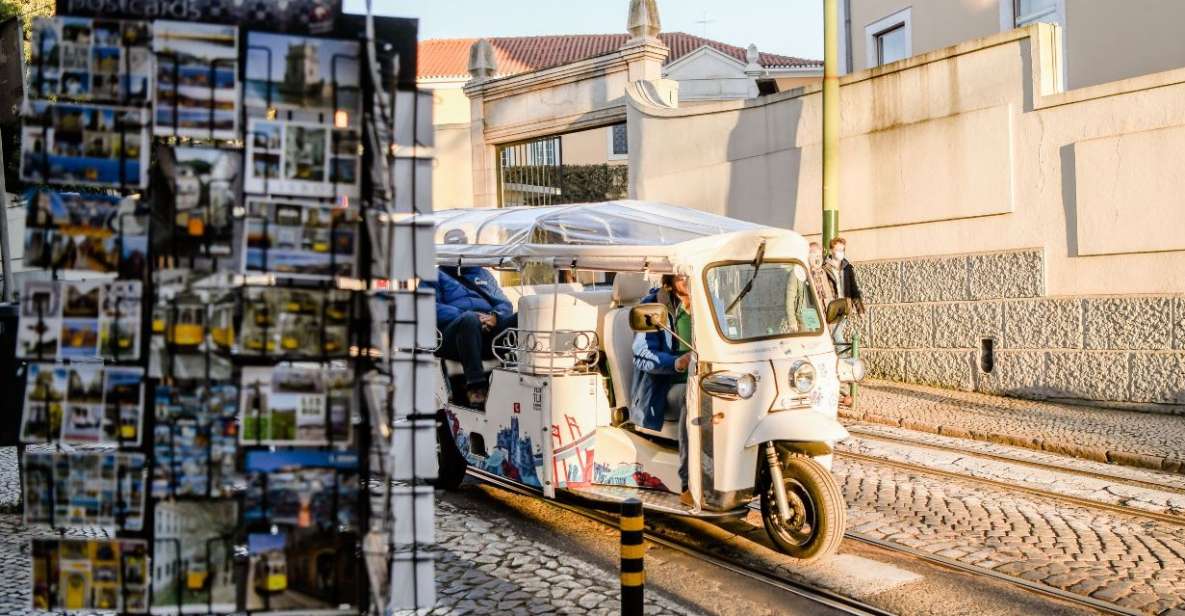
I also like that the vehicle is 100% electric and sustainable. Electric matters in practice, not just on paper. It’s quieter, so your guide’s commentary stays clear as you roll through places where traffic and foot traffic can slow everything down.
And it feels like a proper outing, not a bus tour. You’re still moving like a local—watching the city change block by block—while your guide handles the route and the explanations.
You can also read our reviews of more private tours in Lisbon



Meeting point by Time Out Market and cruise port options
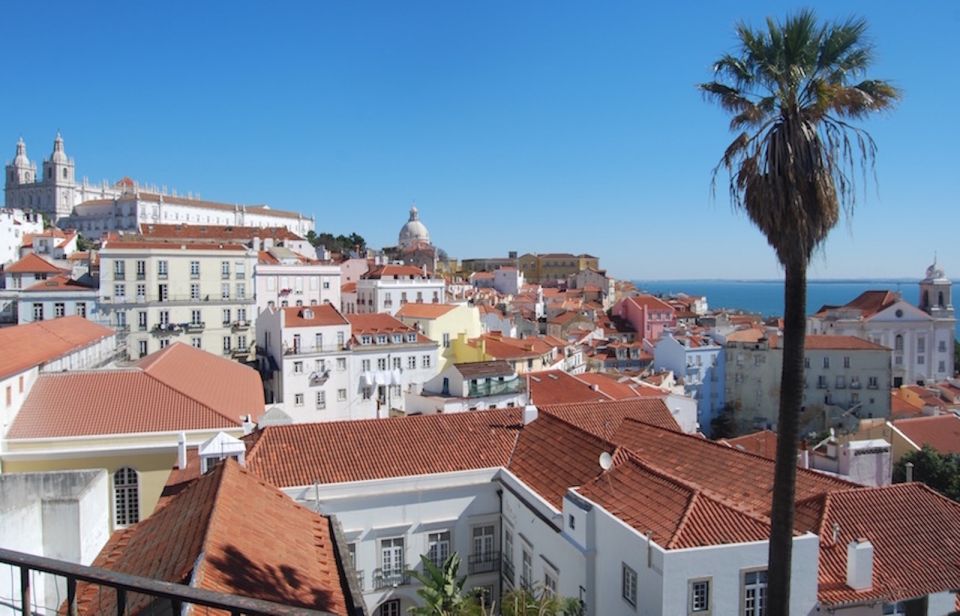
You’ll meet at Travessa do Carvalho 25, outside the library A+A near Time Out Market. There’s no formal office desk at that exact spot, so it’s smart to arrive a few minutes early and keep your phone handy in case of a change.
For longer options (3- and 4-hour tours), there’s an additional pickup option at the Lisbon Cruise Port at Jardim do Tabaco Quay. If you’re doing that, you’ll need to stay by the passenger departure port of the main building and not wander around inside the terminal area.
One practical note: the provider says tuk tuks are usually punctual, but traffic can push things back a few minutes. They’ll notify you as far in advance as possible using the phone number you provided, so keep that line on and ready.
From Cais do Sodré to Chiado: Lisbon’s first impressions

The tour typically starts with a scenic drive through Cais do Sodré, where you get a sense of how Lisbon sits along the Tejo. This isn’t just a warm-up. It’s the moment the guide sets the story: Lisbon’s geography, its old port energy, and why the city grew the way it did.
Then you roll toward Chiado, an area that’s central and walkable, but also full of texture—shops, streets, and that classic Lisbon mix of refined and gritty. Expect “look up” moments: facades, street levels that don’t quite match what you’d expect, and viewpoints that suddenly pop into view.
If you’re short on time, Chiado is a smart early stop because it gives you bearings. You learn what part of the city you’re in, and what you’re about to climb toward.
Bairro Alto and Baixa: photo-friendly streets and quick history beats
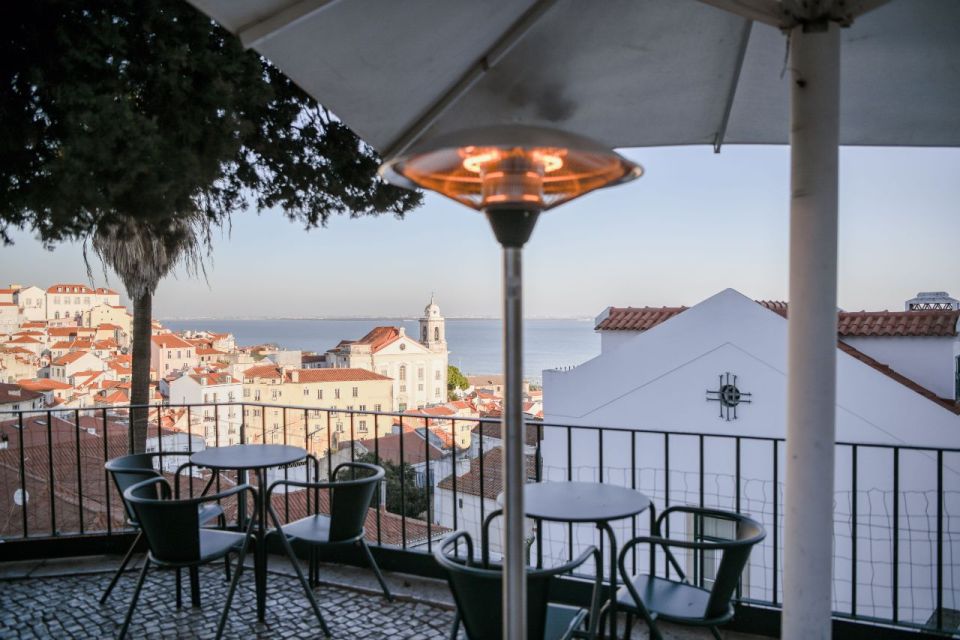
Next comes Bairro Alto, a neighborhood known for its steep streets and layered city life. This is where the tuk tuk earns its keep. The lanes are tight and steep enough that you’ll feel the city’s personality in a few minutes—without turning it into a workout session.
Baixa de Lisboa follows. Baixa is Lisbon’s more structured side, where wide squares and major streets contrast with the twisting hill neighborhoods. The guide’s job here is to make those contrasts make sense: how Lisbon reorganized after major events, and why certain streets feel more “planned.”
You’ll also get scenic drive segments through areas that you might not connect on your own. Think of it as learning the city’s map through motion.
A small reality check
This segment is often about seeing a lot quickly rather than lingering. If you want to wander for an hour on your own, you’ll need to plan a separate walk after the tour.
You can also read our reviews of more historical tours in Lisbon






Lisbon Cathedral and the cruise quay views: old Lisbon at city level
From Baixa, you may head to Lisbon Cathedral, where the city’s long timeline starts showing up in stone and layout. Even without going deep into monument interiors, you’ll get context for why this area matters and how it fits into Lisbon’s older urban fabric.
Then you move toward the area tied to cruise operations, with a stop at a boarding point connected to Cinnamon Cruises. The practical value here is the perspective. Standing up a bit higher, looking toward the river, you get a clearer picture of Lisbon’s shape—water, hills, and the way neighborhoods stack.
If you’re traveling by cruise, this part can be especially helpful. It gives you a sense of where the “Lisbon views” live and how much elevation you’ll face later.
Miradouro da Senhora do Monte: the hilltop pause you’ll remember
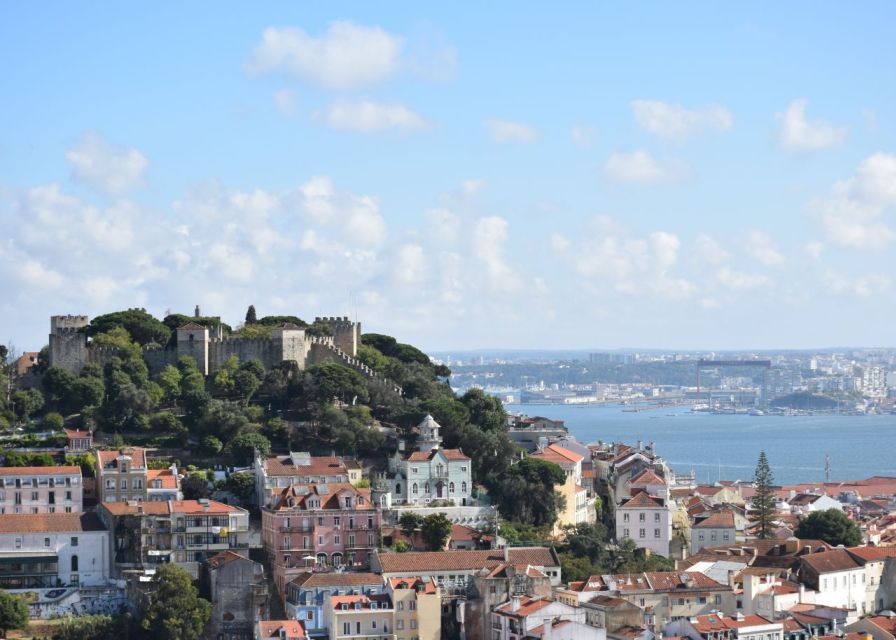
One of the highlights of the route is Miradouro da Senhora do Monte, with a stop designed around catching a viewpoint rather than rushing through it. The schedule allows around 10 minutes, which means you’re not stuck waiting forever, but you still get time to look, take photos, and orient yourself.
This viewpoint is famous for a reason: it’s a wide view that makes the city feel three-dimensional. On the tuk tuk, you’re always moving. At Miradouro, you stop and let Lisbon unfold.
I like how guides tend to use this moment to connect the dots—explaining what you’re actually seeing in the hills and why Lisbon’s “seven hills” idea is not just a slogan.
Tip for your best photos: get to the edge a moment before you shoot, so you’re not fighting for position while everyone crowds the same spot.
Graça, Mouraria-adjacent streets, São Vicente de Fora: the lived-in hill neighborhoods

From the viewpoint, the route leans into the older, hillier zones: Graça Historic District and nearby Mouraria feel. This is where Lisbon stops being about famous squares and becomes about texture—walls, alleys, and the way neighborhoods rise and fold into each other.
Then you may visit Monastery of São Vicente de Fora. Even if you’re not entering with tickets (tickets aren’t included), the guide can still point out key historical context tied to the site’s role in Lisbon over time.
Next up can be the National Pantheon of Santa Engrácia. This stop helps you understand Lisbon’s layers: religious influence, political change, and the evolution of what people chose to remember in public buildings.
These stops are valuable because they slow the pacing just enough. You get landmark recognition plus explanation, without losing the momentum of the tour.
Chafariz d’El-Rei and Praça do Comércio: finishing at river-level Lisbon
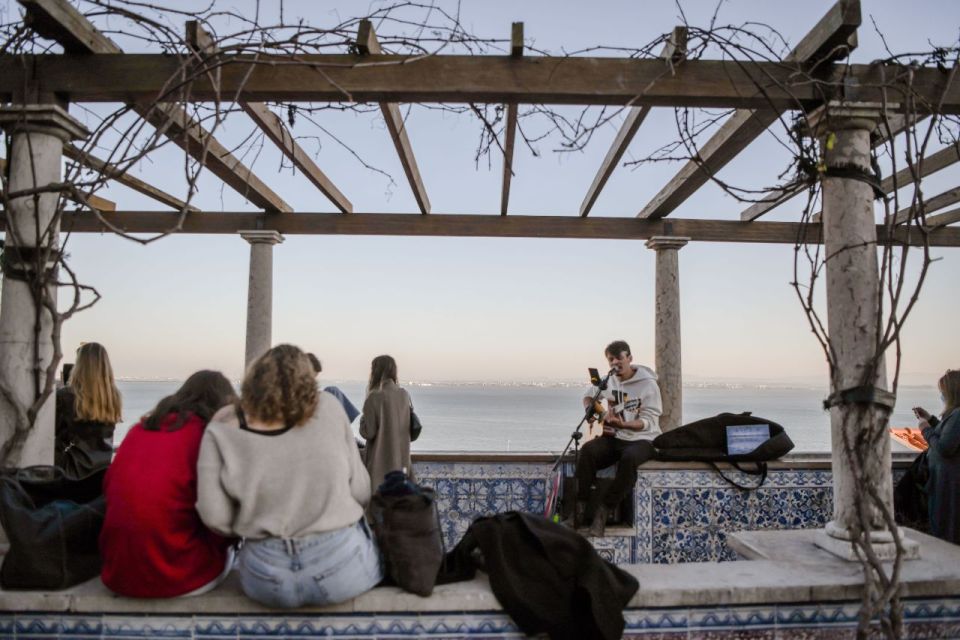
Toward the end, you pass by Chafariz d’El-Rei, which is the kind of Lisbon detail you might miss if you’re only chasing big names. A chafariz (fountain) can look small on a map, but your guide’s commentary helps you understand why water features mattered in a city shaped by hills and daily street routines.
Then you land at Praça do Comércio, the grand river square. It’s a fitting finish. You’ve spent time climbing and turning through hills, and now you’re back at level ground, with wide open sightlines toward the Tejo.
If you’re thinking, Okay, so where should I go tomorrow? this finale usually answers that question. You’ll remember which hills felt right, which viewpoints you want to revisit at a calmer hour, and where the city felt most “Lisbon” to you.
How long you should book: 1 hour vs 4 hours (what you’ll realistically get)
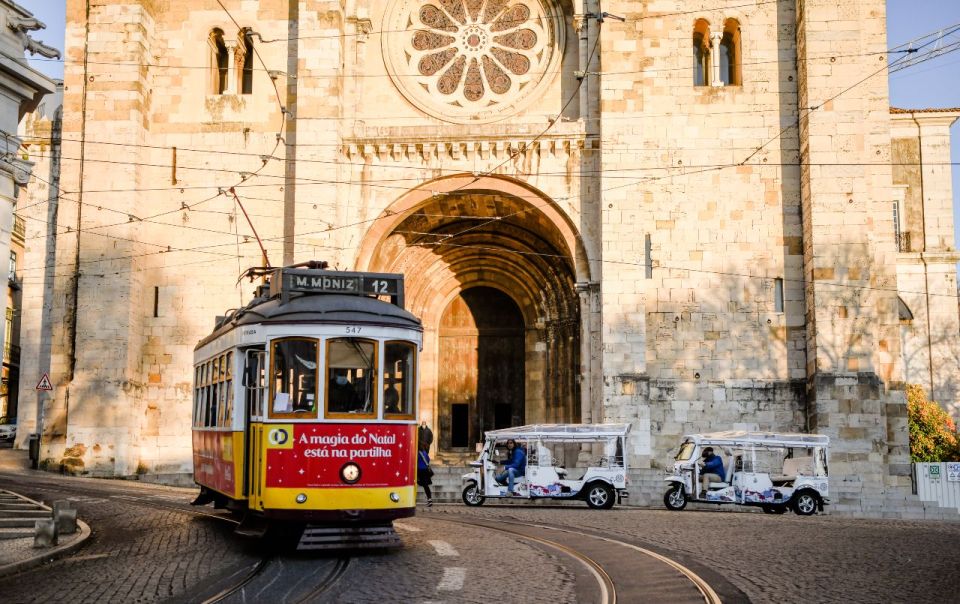
The tour comes in 1 to 4 hours, and the route adapts. A shorter option is best for getting oriented fast—perfect if you just arrived, you’re on a tight schedule, or you want the highlights without committing to a long outing.
A longer option is where you get more breathing room. You’ll have time to reach extra stops and fit in more viewpoint moments and scenic drives. If you’re pairing this with other plans—like a tram ride, a food stop, or a day-trip—you’ll feel better with the 3- or 4-hour versions.
If you’re deciding between 1 and 4 hours, be honest: do you want quick orientation, or do you want a proper guided walk-through of Lisbon’s “shape”? Choose based on that, not on a fear of missing something.
Price and value: $28 per person for a private electric tour
At about $28 per person, the value comes from what you’re buying: private time, a vehicle built for Lisbon’s hills, and a guide who can connect neighborhoods so you don’t spend the whole day reading plaques.
The tour also includes several things that are often extra elsewhere:
- a local accompanying guide
- a private vehicle for your group only
- no queues or waiting time built into the plan
- blankets and protective covers for wind and rain
- insurance
The main thing you don’t get is monument entry tickets and food/drinks. That’s typical for short highlight tours. In practice, it means you should budget a little extra if you want to go inside any specific sites later.
When I think about value here, I focus on one thing: you’re not just transported. You’re translated. Lisbon can be confusing on your own; this helps you understand what you’re looking at while you’re moving through it.
Who this tour suits best (and who should skip it)
This works best if you want:
- a fun introduction to Lisbon’s hills and neighborhoods
- a guided overview that helps you plan the rest of your trip
- the comfort of avoiding steep walking on day one (or any day)
It can be less ideal if you need:
- lots of time for long, independent walking stops
- monument entry tickets handled for you (they aren’t included)
- wheelchair access (this isn’t set up for wheelchair users)
For families, note the minimum age is 2 years and there are restrictions like no strollers. If you’re traveling with toddlers, you’ll want to double-check whether your setup fits the rules before committing.
Rain or shine, warm enough, and built for real streets
Lisbon weather can change fast, and the tour runs rain or shine. The tuk tuks have protective layers in winter and blankets to keep you warm, so you’re not left freezing while everyone pretends it’s fine.
Also, you’re not stuck in one spot. Because it’s motion-based, you can keep seeing while light rain comes and goes. Still, this is a city with steep streets. Good shoes and a light layer help even if you’re not doing much walking.
One more practical detail: the tuk tuks don’t have trunks, so you can’t bring large luggage. Keep your stuff small and easy.
Final call: should you book the Lisbon Private Historic Tour by Eco Tuk Tuk?
Book it if you want a guided, private intro to Lisbon that makes the city feel connected: viewpoints, old neighborhoods, and landmarks in a route that fits steep streets. It’s also a strong choice if you care about comfort and clarity, since the electric tuk tuk tends to keep the ride quieter so the guide’s story lands.
Skip it if you’re craving lots of inside-the-building time, or if you need accessibility features like wheelchair transport. In that case, you’ll likely be happier with a different format.
If you’re on the fence, choose the longer duration and plan your day around it. This is the kind of tour that helps your next hours in Lisbon feel smarter, not just busier.
FAQ
FAQ
Where is the meeting point for the tour?
The pickup meeting point is outside the library A+A near Time Out Market, at Travessa do Carvalho 25. For certain tour lengths, there’s also an option to start at Lisbon Cruise Port (Jardim do Tabaco Quay).
Is hotel pickup available?
No. Pick-up and drop-off at hotels is not legal, so meeting at the specified locations is required.
What languages do the guides speak?
The live tour guide is available in English and Portuguese.
How many people are in the group?
The tour is a small group limited to 4 participants.
Is the tuk tuk electric?
Yes. The vehicle is 100% electric and sustainable.
Does the tour include entry tickets to monuments?
No. Entry tickets to the monuments are not included.
What should I bring?
Bring a passport or ID card.
What if it rains?
The tour runs rain or shine. In colder months, the tuk tuks have protective layers against rain and wind, and blankets are provided.
Can I bring luggage, pets, or strollers?
Pets are not allowed. Baby strollers and luggage/large bags are not allowed either, and the tuk tuks don’t have trunks for large items.
What is the cancellation policy?
You can cancel up to 24 hours in advance for a full refund.