REVIEW · HISTORICAL TOURS
Lisbon: Private Guided Tour of Historical Center by Tuk Tuk
Book on GetYourGuide →Operated by Tejo Tourism - Guided Tours · Bookable on GetYourGuide
Lisbon changes fast when you go hill to hill by tuk tuk. In just 2.5 hours, you get an easy, 100% electric ride and a way into small alleys where bigger vehicles just can’t go.
I like that the tour feels built for real Lisbon walking fatigue, since you’re not grinding up every slope on day one. I also like the “pick your stops” approach, so you can bias the route toward the sites and viewpoints you actually care about.
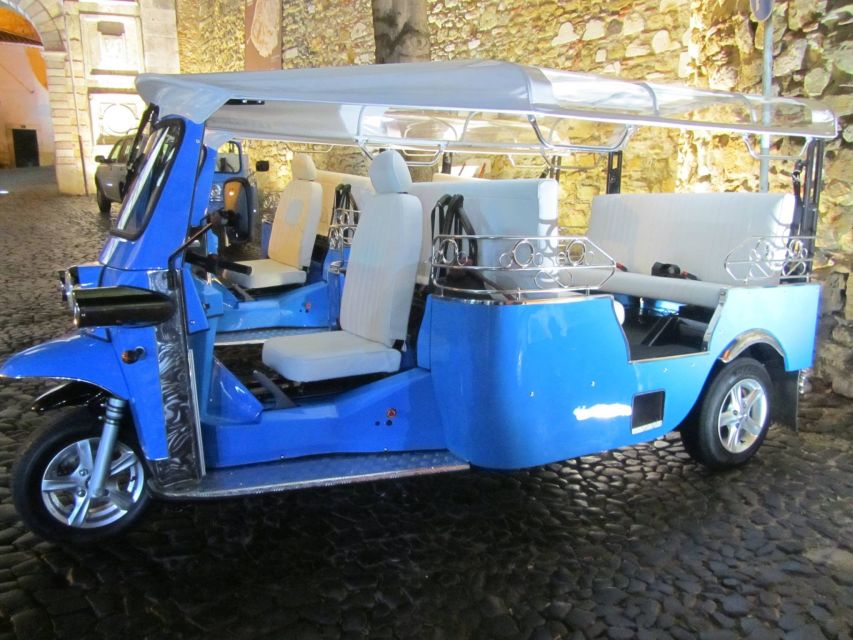
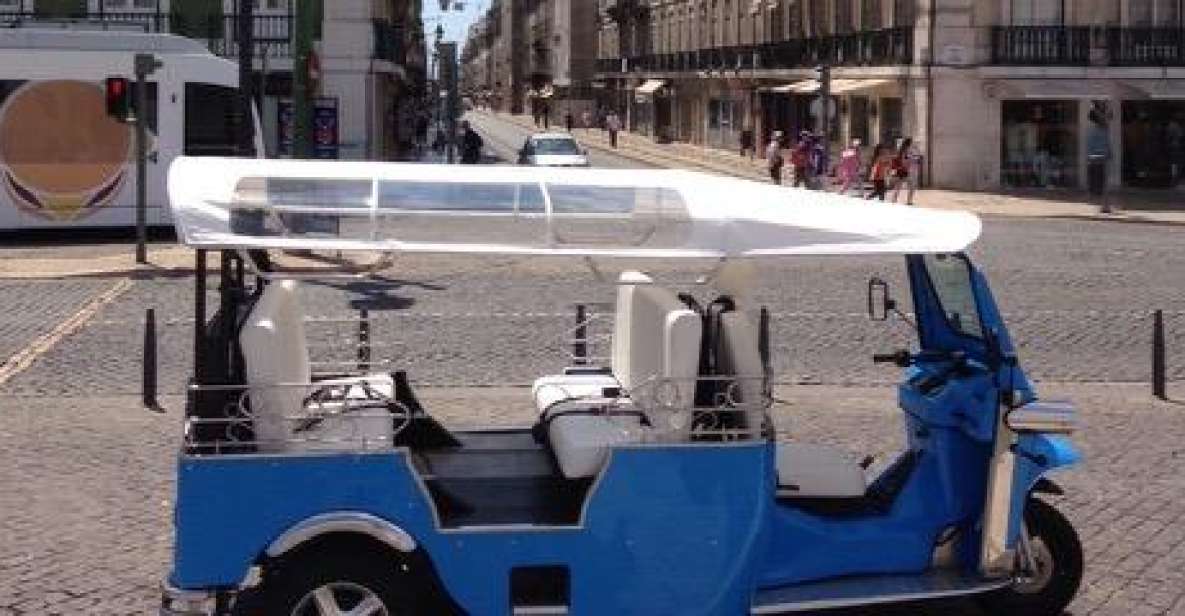
One consideration: parts of the tuk tuk have a rolled plastic cover, and it can sit in your line of sight. You may need to look up through it or bend down to see out clearly, depending on where you’re sitting.
In This Review
- Key things to know before you roll
- Why an electric tuk tuk makes Lisbon easier (and more fun)
- The 2.5-hour flow: start at Rossio, end where you began
- How the customization really works (and how to use it)
- Going into Lisbon’s iconic squares: Praça do Comércio and Praça do Município
- Chiado and the theater streets: Teatro São Carlos and Teatro São Luiz
- Churches and corners: Igreja de São Roque and Igreja da Graça
- Viewpoints and fun rides: Miradouros, Elevador da Glória, Elevador da Bica, and more
- Alfama time: Sé de Lisboa, Castelo de São Jorge, and the old-street feeling
- Bigger historic anchors: Convento do Carmo, Estação do Rossio, and the Republican vibe
- Markets and neighborhood color: Rua de São Bento, Poço dos Negros, Feira da Ladra
- The small-vehicle advantage: why you feel more connected to Lisbon
- A fair look at the drawbacks: the plastic cover and your viewpoint line
- Price and value: $242 for up to 3 passengers, and what that means
- Who should book this tuk tuk tour
- Should you book this Lisbon Private Guided Tour by Tuk Tuk?
- FAQ
- Where does the tuk tuk tour start and end?
- How long is the tour?
- How many people can be in the private group?
- What languages are the live tour guides available in?
- Are the tuk tuks electric?
- Can the itinerary be customized?
Key things to know before you roll

- 100% electric tuk tuk with lithium batteries, built for Lisbon’s hills
- Narrow-alley access that keeps you out of the usual traffic bottlenecks
- Private group up to 3, so you’re not squeezed into a crowd
- Customizable route using iconic squares, churches, viewpoints, and stations
- Multi-language guides in English, Spanish, and Portuguese
- Viewpoint time is part of the plan, including classic miradouros around Alfama and beyond
Why an electric tuk tuk makes Lisbon easier (and more fun)
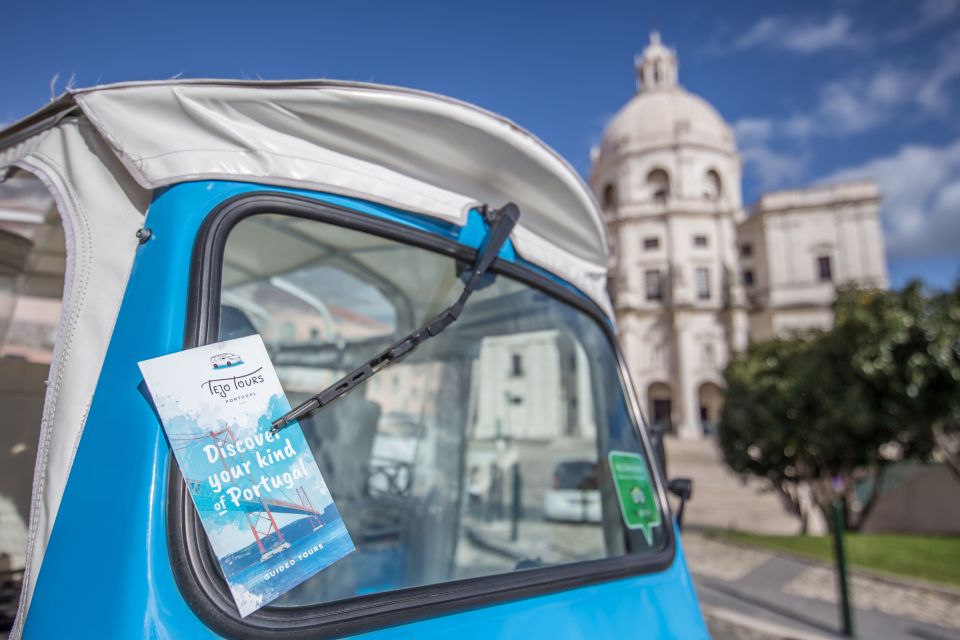
Lisbon’s famous for hills, and your day can either glide or crawl depending on how you handle the climbs. This tuk tuk is 100% electric, and that matters in two ways: it’s practical for a city with frequent stop-and-start driving, and it’s quiet enough that your guide’s story doesn’t get drowned out.
The best part is that you’re not stuck choosing between “see the sights” and “save your legs.” Instead, the vehicle handles the steep bits, and you can spend your energy where it counts: looking up at churches, scanning the tiled façades, and using the viewpoints at the moments that make sense for photos and understanding the city.
Also, because it’s private (up to 3 passengers), you can ask for a route change on the fly. If you’re more interested in viewpoints than theaters, or vice versa, your guide can adjust. Guides who have led this tour include people like Andrey, Rio, Diogo, and Bruno (and drivers like Beatrice), and the common thread in that feedback is timing and pacing—getting you oriented without rushing your questions.
You can also read our reviews of more guided tours in Lisbon



The 2.5-hour flow: start at Rossio, end where you began
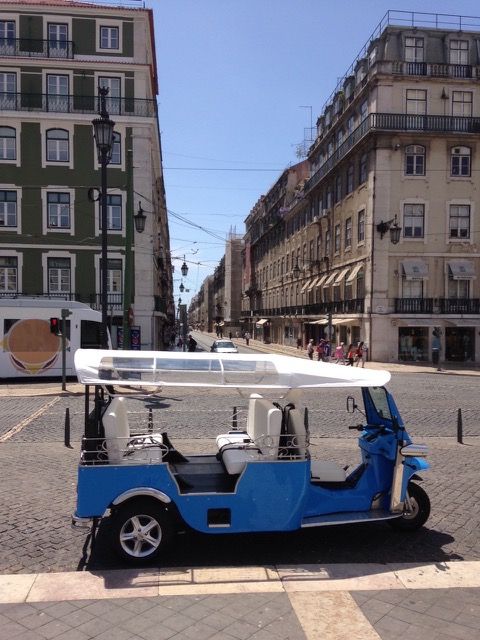
The tour starts at D. Pedro IV Square (Rossio Square), behind the D. Maria II National Theatre. Then you head out and loop through Lisbon’s central neighborhoods and viewpoints, with the day ending back at the same place.
That “in-and-out from Rossio” setup is handy. Rossio is one of the city’s easiest bases. If you start here, you avoid the stress of figuring out where to meet from a hotel far up a hill. And since you’re back at Rossio when you’re done, it’s simple to continue your day on foot—or plug into dinner plans without a long transfer.
Timing is part of the value. Two and a half hours is long enough to make the main connections in central Lisbon (squares, viewpoints, and major landmarks), but not so long that you’re stuck sitting through slow traffic the entire time.
How the customization really works (and how to use it)

This is not a one-size-fits-all checklist. Your route can be tailored toward attractions and neighborhoods you care about. In practice, that means you can steer toward one of Lisbon’s big “storylines”:
- Baixa and Chiado: grand squares, classic streets, theaters, and the feeling of Lisbon as a capital city
- Bairro Alto / Príncipe Real / Camões area: churches, markets, and viewpoints with a different angle on the center
- Alfama and the Castle hills: the postcard streets, lookout points, and old-Lisbon character
If you want the best results, come with two or three priorities. Then repeat them as soon as you meet your guide. A simple ask like Can we focus on miradouros and Alfama viewpoints? can change the feel of the whole tour.
One small pro tip pulled from real tour experiences: ask to stop at different miradouros (viewpoints). The guides have a way of selecting viewpoints that help you understand where you are in the city, not just where to take a photo.
Going into Lisbon’s iconic squares: Praça do Comércio and Praça do Município
A classic highlight is Praça do Comércio, by the river. Even if you only get a short look from the route, this square sets the tone: it’s big, ceremonial, and built for the “Lisbon as a crossroads” feeling. It’s the kind of place that makes the rest of the trip click, because you can mentally connect the grand open space to the tight streets that climb away from it.
Then there’s Praça do Município, a slightly different mood—less riverfront spectacle, more city-center energy. Together, these squares help you grasp Lisbon’s layout: open plazas at the bases, then neighborhoods rising into older streets and stair-step viewpoints.
Chiado and the theater streets: Teatro São Carlos and Teatro São Luiz
If your tour swings toward Chiado, you’ll get that polished-lively center vibe. This area is a good fit if you want architecture plus atmosphere, not just scenery.
Two named stops that can fit this mood are Teatro São Carlos and Teatro São Luiz. You might notice how theaters act like anchors in Lisbon’s neighborhood identity. They’re not just buildings; they help explain why people gathered here over time and why the area keeps reinventing itself while still looking “Lisbon.”
A practical thing: Lisbon is busy, and stops near major landmarks can involve a bit of waiting for safe positioning. The upside with a tuk tuk is that you can still see key exteriors even when walking would take longer.
You can also read our reviews of more private tours in Lisbon





Churches and corners: Igreja de São Roque and Igreja da Graça
Lisbon’s churches aren’t only for inside visits. They also serve as visual landmarks, and your guide can use them to narrate the city.
For example, Igreja de São Roque shows up as one of the possible stops. It’s a recognizable kind of Lisbon that mixes sacred architecture with urban life nearby.
Later, in the higher parts toward Alfama and surrounding hills, you may encounter viewpoints paired with churches such as Igreja da Graça (also listed among possible stops). That pairing matters. You don’t just see a view—you see it in context, with the church helping define the neighborhood’s “center of gravity.”
Viewpoints and fun rides: Miradouros, Elevador da Glória, Elevador da Bica, and more
Lisbon’s miradouros are the reason people keep returning. This tour is designed with that in mind.
Some viewpoints that may appear include:
- Miradouro de São Pedro de Alcântara
- Miradouro de Santa Catarina
- Miradouro Portas do Sol
- Miradouro da Graça
- Miradouro de Santa Luzia
- Miradouro de Senhora do Monte
Here’s what to do with them: don’t treat them like five photo stops in a row. Use the guide’s explanations to connect what you’re seeing to what you just drove through. When you do that, each lookout feels like a chapter rather than a snapshot.
And then there are the funicular and elevator landmarks. This tour can include Elevador da Glória, Elevador da Bica, and Elevador de Santa Justa. Even if you’re not riding every mechanism, seeing them from the right angle helps you understand Lisbon’s vertical transit logic—how the city moves people up and down without turning everything into a steep walking-only problem.
Alfama time: Sé de Lisboa, Castelo de São Jorge, and the old-street feeling
If you want the classic Lisbon vibe—narrow streets, historic walls, and that “how did people build here?” feeling—Alfama is a top target. This tuk tuk tour includes routes that may reach areas like Alfama and nearby landmarks.
Possible stops include:
- Sé de Lisboa
- Castelo de São Jorge
- Teatro Romano
- Miradouro Portas do Sol
- Miradouro da Graça
- Igreja de Santo António and Igreja de Santo Vicente de Fora
The value here is orientation. From the tuk tuk, you can take in how the hills funnel movement and how the Castle area rises like a crown over everything. Then, if you decide to walk a bit afterward, you’ll know where you’re heading.
There’s also Casa dos Bicos, another possible stop. It’s memorable for its distinctive façade, and it works well as a “you’ll recognize it later” anchor when you return to explore on your own.
Bigger historic anchors: Convento do Carmo, Estação do Rossio, and the Republican vibe
Some tours feel like they’re only about views. This one can mix views with structure.
For example, Convento do Carmo is listed among possible stops. It gives you a sense of Lisbon as a city built over layers of time, where religious sites sit alongside modern streets and everyday life.
Estação do Rossio can also appear—fitting since the tour begins there. Seeing the station from the route is useful if you plan to move around by train and want a mental map of where rail connects to the city center.
And for a different angle, the tour can include Assembleia da República, which helps broaden the story beyond old neighborhoods. It’s one of the ways a “historical center” tour can still feel like contemporary Lisbon, not a museum-only experience.
Markets and neighborhood color: Rua de São Bento, Poço dos Negros, Feira da Ladra
One reason I enjoy a guided ride like this is the chance to pick up small cultural waypoints without losing your entire day to logistics.
A few named options reflect that:
- Rua de São Bento (Casa Museu Amália Rodrigues) or Basílica da Estrela
- Poço dos Negros
- Calçada do Combro
- Feira da Ladra
These stops can help you understand Lisbon’s rhythm—music and identity (Amália Rodrigues), street and tile storytelling (calçada patterns), and the market culture that brings locals into the streets.
If you’re a “show me the human side” person, tell your guide you want at least one market or street-life stop. That’s where the tuk tuk route can feel more like a neighborhood tour than a highlight reel.
The small-vehicle advantage: why you feel more connected to Lisbon
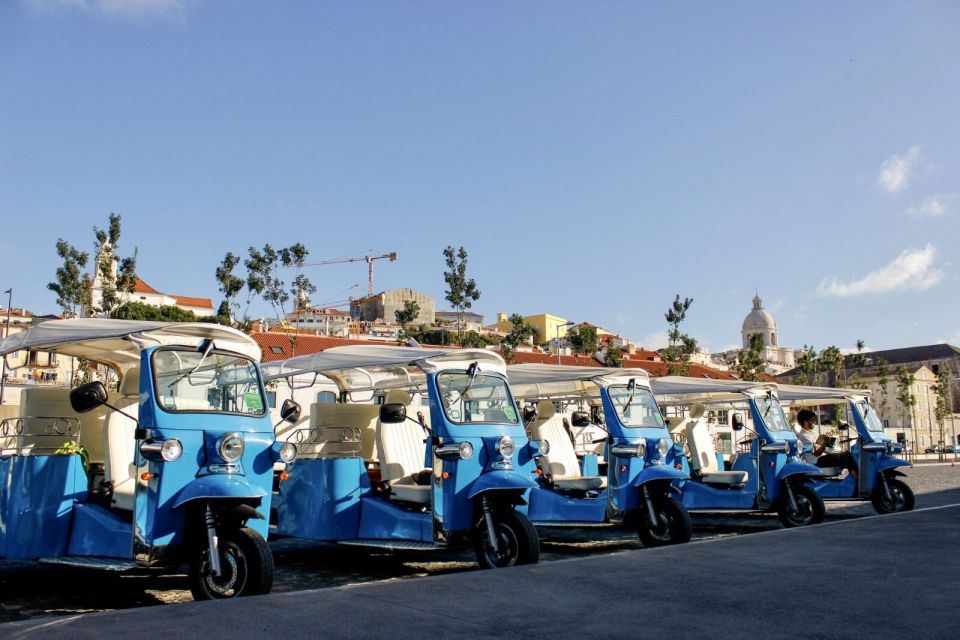
This is the core reason to choose this kind of tour over a bus or a car transfer. The tuk tuk can reach places that larger vehicles can’t, including small alleys and narrow stretches of streets.
That means you get a better sense of:
- how neighborhoods step uphill
- how streets curve around viewpoints
- where the city’s architecture tightens and changes
In a city like Lisbon, that connected feeling is huge. You’re not just collecting landmarks. You’re building a mental map of how Lisbon works.
And yes, it saves your legs. One account notes how helpful this was on a first day, especially when hills would otherwise wear down a slower member of the group. If you have anyone with mobility concerns, this type of ride can still work well—just be prepared to handle the in-and-out steps with care.
A fair look at the drawbacks: the plastic cover and your viewpoint line
The biggest “watch-out” from past experiences is the rolled plastic cover on the tuk tuk. It can partially block your view. If you hate seat covers in your sightline, you might find yourself adjusting posture to see.
There’s a trade-off, though. That cover can also protect you from sun, depending on the weather and your exact position. If you’re going on a bright day, that protection might be a benefit. If you’re going on a cloudy day and mainly want maximum views, it could be a mild annoyance.
Price and value: $242 for up to 3 passengers, and what that means
The price is $242 per group, up to 3 passengers, for 2.5 hours. That’s not “cheap” if you’re comparing per-person ticket prices to a public tram. But it’s a different deal: you’re buying privacy, local guidance, and a vehicle designed for Lisbon’s hills and narrow streets.
To judge value, I think in terms of what you avoid:
- you avoid tiring hill-by-hill walking
- you avoid figuring out a car route through tight streets
- you avoid spending time on the transport chore and losing it to navigation
If you’re traveling as a duo or trio, this becomes especially reasonable because the cost is shared. And because the tour can be customized, you can spend those 2.5 hours on what matters most to your interests rather than what’s easiest for a fixed route.
Also, remember that the guide is included. A good guide isn’t just a driver with facts; they help you connect the sights so the city starts to make sense fast.
Who should book this tuk tuk tour
You’ll likely love it if you:
- want an efficient first-day orientation in central Lisbon
- prefer viewpoints and neighborhoods over long museum stops
- are traveling with someone who doesn’t want to climb every hill
- like customization and a private pace
- don’t want to gamble on navigation when streets get confusing
It’s also a good match if you’ve already walked a bit and want a way to keep going without hitting the wall.
Should you book this Lisbon Private Guided Tour by Tuk Tuk?
If you want a smart, hill-friendly way to see Lisbon’s historic center—especially the viewpoints—this is a strong “yes.” The electric tuk tuk is genuinely practical, and the ability to shape the route toward the areas you care about makes the time feel well used.
I’d book it if your priority is fast orientation plus viewpoint access, and you’re traveling as a small group (so the shared price makes sense). If you’re extremely sensitive to sightlines from seat coverings, you may want to sit in the spot that gives you the best view once you’re on board.
Overall: this is one of those Lisbon experiences that makes the city feel readable, not just scenic.
FAQ
Where does the tuk tuk tour start and end?
It starts at D. Pedro IV Square (Rossio Square), behind the D. Maria II National Theatre, and it ends back at the same meeting point.
How long is the tour?
The tour lasts 2.5 hours.
How many people can be in the private group?
It’s a private group priced for up to 3 passengers.
What languages are the live tour guides available in?
Guides are available in Spanish, English, and Portuguese.
Are the tuk tuks electric?
Yes. The tuk tuks are 100% electric and use lithium batteries.
Can the itinerary be customized?
Yes. The tour can be personalized to include attractions and neighborhoods of interest, and it’s designed so you can steer toward iconic sites and viewpoints.