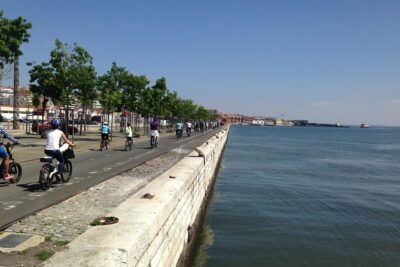
Lisbon changes when you walk with someone who lives there. This private walking tour gives you a tailored itinerary built around your interests, not a one-size plan, plus lots of time to ask questions and take photos. The big watch-out: guide quality can make or break the experience, so it helps to communicate your must-sees clearly and confirm the meeting spot.
I also like how it blends iconic Lisbon with smaller moments you can actually use later. You get orientation in neighborhoods like Alfama, then specific recommendations you can keep using for the rest of your trip, from viewpoints to where to grab a pastry.
One more consideration: it’s mainly on foot, so it’s best if you’re comfortable walking hills and stepping through narrow streets for a few hours. If you prefer lots of driving or minimal stairs, this format may feel like work.
In This Review
- Key points you should know before you go
- Entering Lisbon at Praça do Comércio: fast orientation, real momentum
- Alfama viewpoints and Tagus River drama: why the first stop hits
- Castle streets and Moorish echoes: history you can feel in the stones
- The neo-Gothic lift: timing, crowds, and the smarter way to see it
- The roofless convent ruin and the 1755 earthquake: Lisbon’s resilience in real scale
- Murals, music, and the dusk strategy: turning the walk into your own plan
- Price and value: what $52.08 per person really buys
- Logistics that affect your comfort: walking hills and optional transit
- Guide quality matters: Pedro, Paul, and what to do before you meet
- Who this Lisbon custom walk is for (and who should choose a different format)
- Should you book this Lisbon Private Custom Tour?
- FAQ
- How long is the Lisbon Private Custom Tour?
- Where does the tour start?
- Is the tour private?
- What’s included in the tour price?
- Is food or drinks included?
- Are attraction tickets included?
- Does the tour include transportation?
- Is the tour offered in English?
- What is the cancellation policy?
- Can I bring a service animal?
Key points you should know before you go
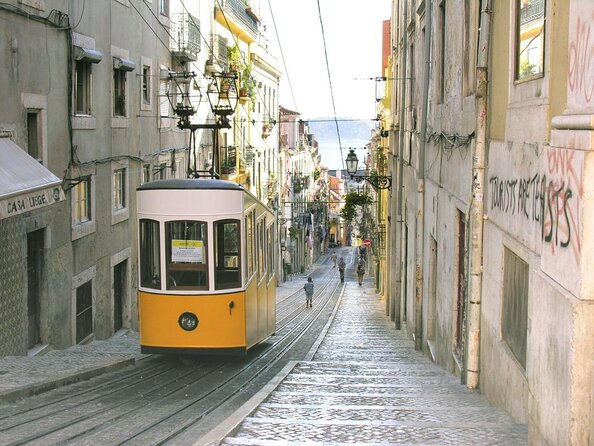
- Custom itinerary by questionnaire so your guide can steer toward what you care about most
- Praça do Comércio start point makes it easy to get your bearings on arrival
- Alfama viewpoints + Tagus River views right at the beginning so you see Lisbon’s mood fast
- Neo-Gothic lift + line-smart options if crowds slow things down
- 1755 earthquake memorial ruins with context you’ll remember, not just dates
- Mostly walking with optional transit add-ons if you need help moving between areas
Entering Lisbon at Praça do Comércio: fast orientation, real momentum
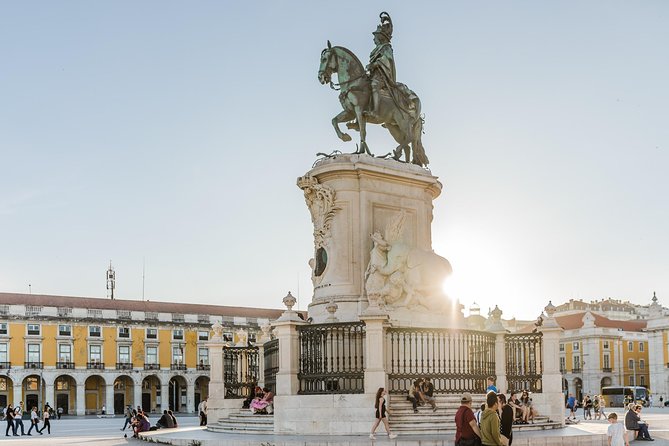
Your tour starts back at Praça do Comércio, the big open square by the water. It’s an easy place to find, and it sets the tone: Lisbon is a city of angles, viewpoints, and layered neighborhoods. From here, you don’t just hear stories about the past. You also learn how to read the city as you go.
Even if you only have a couple hours, this kind of start matters. You’ll likely get a quick sense of how Alfama sits above the Tagus River, where to expect steep streets, and what sights are worth your time versus what you can skip. That helps you move better for the rest of your days in Lisbon, even after the tour ends.
One practical note: the tour returns to the meeting point. So you’re not trying to figure out how to get “somewhere else” afterward. It’s a small thing, but it reduces stress, especially on your first day.
You can also read our reviews of more private tours in Lisbon



Alfama viewpoints and Tagus River drama: why the first stop hits
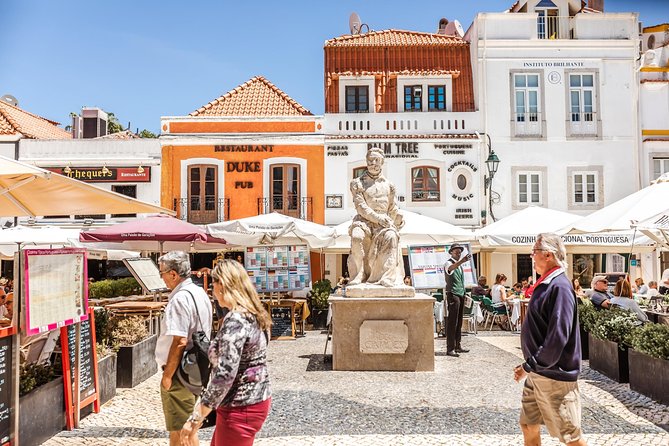
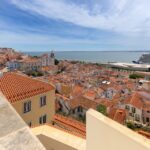
Alfama is where Lisbon shows off. Expect tiled walls, flower-draped pergolas, and those classic viewpoint angles that look like they were made for photos. You’ll start with sweeping views over the Alfama hills and the Tagus River, and the whole point is to understand the geography before you start climbing into streets and stone alleys.
A good guide approach here is conversation-first, not lecture-only. You should be able to ask questions as you look out—how Lisbon evolved, why neighborhoods developed where they did, and what to notice from street level versus from above. The best part is pacing. A private tour means your guide can slow down when you want photos or speed up when you want momentum.
Also, this is where you learn a simple but useful trick: what to photograph when the light changes. Lisbon can look completely different from morning to late afternoon, and once you understand where locals gather, you’ll know how to plan your own return walks.
Castle streets and Moorish echoes: history you can feel in the stones
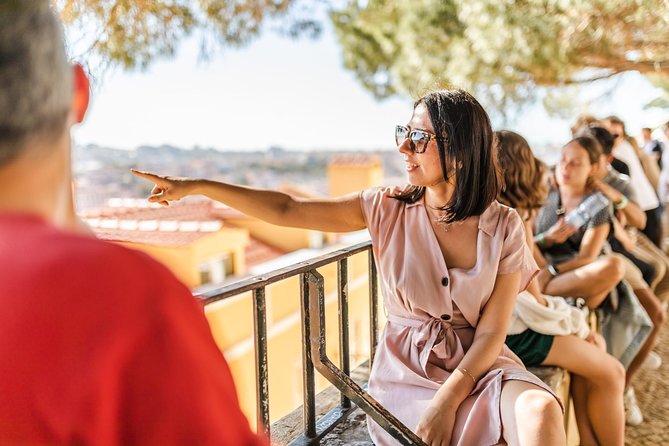
From Alfama’s viewpoints, the walk shifts toward the iconic castle area. You’ll move through historic streets, with architecture that shows how Lisbon layered different eras on top of each other. Expect stories tied to Lisbon’s Moorish past, plus practical guidance on how to navigate the streets without wasting time.
If you’re not excited about going inside a specific attraction, that’s okay. The tour can still deliver. Your host can steer you through nearby spots that carry the same atmosphere: older street layouts, viewpoints from the edges, and architecture details that explain more than a single museum ticket ever will.
This is one of those parts of Lisbon where a guide helps you see patterns. You’ll likely notice how elevations shape where buildings sit, how streets curve for protection, and how certain areas feel like they were designed for looking out as much as moving through. And since it’s private, you’re not stuck following a fast group rhythm.
The neo-Gothic lift: timing, crowds, and the smarter way to see it

One of the signature sights on this route is a stunning neo-Gothic lift. From below, it looks dramatic—like Lisbon’s version of a movie set. The tour includes guidance on how to approach it, and if lines are long, your host might suggest a scenic shortcut or a nearby rooftop view to get the panoramic payoff without waiting.
That line-smart thinking is exactly why you book a custom guide instead of just aiming your feet at the closest famous landmark. You don’t want to spend your best walking hours trapped in a queue. And you don’t want to miss a view because you made a rigid plan.
If you do decide to go inside (that part isn’t included), you’ll still be better prepared. Your guide can help you decide whether it’s worth the time for your day, depending on your interests and how the crowd situation looks at that moment.
The roofless convent ruin and the 1755 earthquake: Lisbon’s resilience in real scale

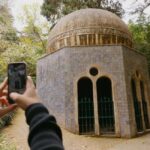
One of the most moving stops on this kind of walk is a roofless convent ruin linked to the 1755 earthquake. The building is destroyed, but the story remains visible in the stones. This isn’t history as a page you read. It’s history as a place you stand inside.
What makes this stop especially valuable with a local guide is context. You should hear how the earthquake changed Lisbon’s physical layout and public memory, and how the city rebuilt and adapted. A good guide also connects it to everyday Lisbon—why certain things look the way they do and why the city’s identity includes survival and reinvention.
This is also where questions are useful. Ask how Lisbon commemorates events like this today, or what locals mean when they talk about the city’s character. You’ll likely leave with a clearer sense of why Lisbon feels both old and unafraid to change.




Murals, music, and the dusk strategy: turning the walk into your own plan
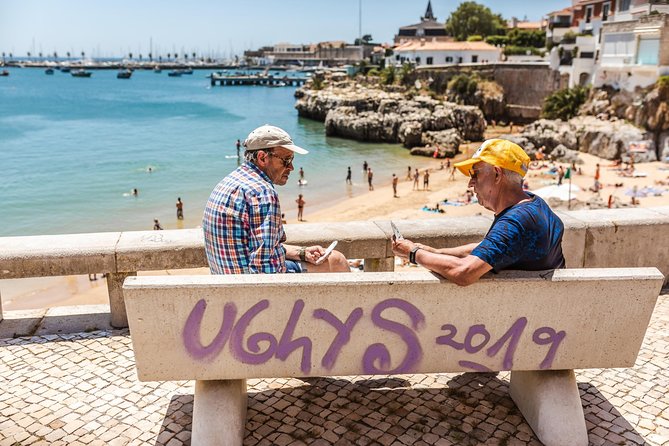
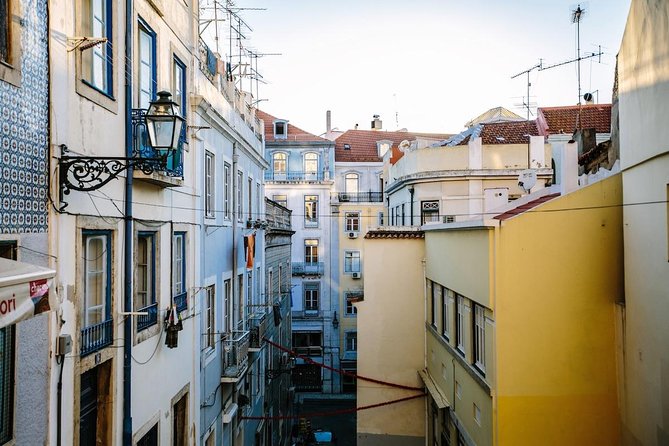
After the heavier historical stops, the tour shifts into neighborhood texture: cobbled streets, murals, and that Lisbon street-level rhythm where music seems to pop up right when you notice it. This is the part that makes the city feel lived-in.
As day turns toward dusk, your host may recommend a café for a pastel de nata and suggest where locals might gather with a drink. This isn’t just about food. It’s about timing. Lisbon’s best moments often happen as the light drops, and locals tend to move outward when the heat cools.
The practical value is this: once you’ve been shown a couple of viewpoints and a couple of “real Lisbon” food stops, you can repeat the experience later without needing the guide. That’s what you want from a custom tour. It should leave you with a mental map and a short list of places that fit your taste.
Price and value: what $52.08 per person really buys
At about $52.08 per person, this isn’t a huge splurge in the Lisbon market, but it is a true private experience. The value comes from three things that matter more than the total hours:
First, it’s custom. You fill out a pre-tour questionnaire with your interests, and your guide tailors the route. If you’re into architecture and views, you’ll get more of that. If you want neighborhood mood and street art, you’ll likely get steered toward that instead of a cookie-cutter sequence.
Second, it’s built for conversation. A walking tour is only “private” on paper if you’re hustled along. Here, the model is to give you time for questions and photos.
Third, the guide recommendations can save you time during the rest of your trip. A single good tip about where to go at dusk or which street angle gives the best view can be worth more than the cost of the tour when you’re deciding on your own schedule.
The one trade-off is that food, drinks, and attraction tickets aren’t included. You’ll still need to pay for those separately, based on what your guide suggests. If you want the tour plus paid admissions to be fully covered, you’d need a different package style.
Logistics that affect your comfort: walking hills and optional transit
This is primarily a walking experience, and it does not include a private vehicle. Public transport or taxis might be used to transfer between sites, and any exact costs can be discussed with your host after you book.
Why this matters: Lisbon is not flat. Even on the easiest route, you’ll feel hills and stairs, especially around Alfama and the castle approach. If your fitness level is moderate, plan for shoes with traction and a water bottle.
Also, because it’s private, you can usually adjust. If you need shorter segments or breaks, your guide can respond. That kind of flexibility is the real advantage of a small, guided format over a rigid bus tour.
Guide quality matters: Pedro, Paul, and what to do before you meet
This is the part I’d rather say plainly than sugarcoat. With private tours, your guide is the product.
One guide named Pedro has been praised for being friendly, humorous, and fast to answer history questions, with a comfortable pace that worked well for a specific traveler’s needs. That kind of match can turn Lisbon from a checklist into a story.
On the flip side, another guide named Paul was described in one case as having limited local knowledge and difficult-to-follow English, with stops that felt too touristy for what was expected. A third situation also included a guide no-show at the pre-determined meeting point, which increased stress on a first day; the provider handled a refund in that case.
So here’s how you protect yourself without overthinking it:
- Send your questionnaire answers with clear priorities (views vs museums vs food vs street art).
- Include any non-negotiables you want addressed early.
- Confirm the meeting point details the day before so you don’t lose time at arrival.
That way, even if the day’s logistics get a little messy, you can get back on track quickly.
Who this Lisbon custom walk is for (and who should choose a different format)
This tour makes a lot of sense if you:
- Want Lisbon context while you’re walking, not just at the end of the day
- Like asking questions and getting recommendations that fit your personal taste
- Plan to spend more than a day in Lisbon and want a route you can repeat
It may be less ideal if you:
- Have limited mobility or struggle with steep, uneven streets
- Expect tickets and meals to be fully included
- Prefer a fixed, high-speed checklist of sights with no back-and-forth
Because it’s private, it can also be a good choice for families who want flexibility—though you’ll still need to be ready for walking time and stairs.
Should you book this Lisbon Private Custom Tour?
I’d book it if you want the Lisbon experience to feel guided but not scripted. The combination of viewpoint time, earthquake context, and street-level atmosphere is exactly what makes Lisbon special—and the custom planning means you’re not stuck with stops that don’t match your interests.
I’d think twice if you’re the type who needs guaranteed admissions, or if walking hills is a hard no. Also, because guide quality can vary, do your part: share preferences clearly, confirm the meeting spot, and keep your expectations realistic about what a walking tour can cover in 2 to 6 hours.
If you’re ready to walk, ask questions, and build a short list of Lisbon places you’ll actually use later, this is a strong value way to get oriented fast.
FAQ
How long is the Lisbon Private Custom Tour?
The tour runs for about 2 to 6 hours, depending on the itinerary your guide builds and the pace that works for your group.
Where does the tour start?
The meeting point is Praça do Comércio, 1100-148, Portugal.
Is the tour private?
Yes. It’s a private experience, so only your group participates.
What’s included in the tour price?
You get a private, personalized walking experience with insider tips from a local. You also get a pre-tour questionnaire to tailor the route and direct communication with your host for planning and recommendations.
Is food or drinks included?
No. Food and drinks aren’t included.
Are attraction tickets included?
No. Attraction tickets are not included.
Does the tour include transportation?
It’s primarily a walking experience. Public transportation or taxis may be used between sites at an additional cost, and your host can discuss exact options after booking.
Is the tour offered in English?
Yes, it’s offered in English.
What is the cancellation policy?
You can cancel for a full refund up to 24 hours before the experience starts.
Can I bring a service animal?
Yes. Service animals are allowed.