
REVIEW · COOKING CLASSES
Lisbon: Portuguese street food cooking class with Drinks
Book on GetYourGuide →Operated by Compadre Cooking School · Bookable on GetYourGuide
Street food feels better when you cook it.
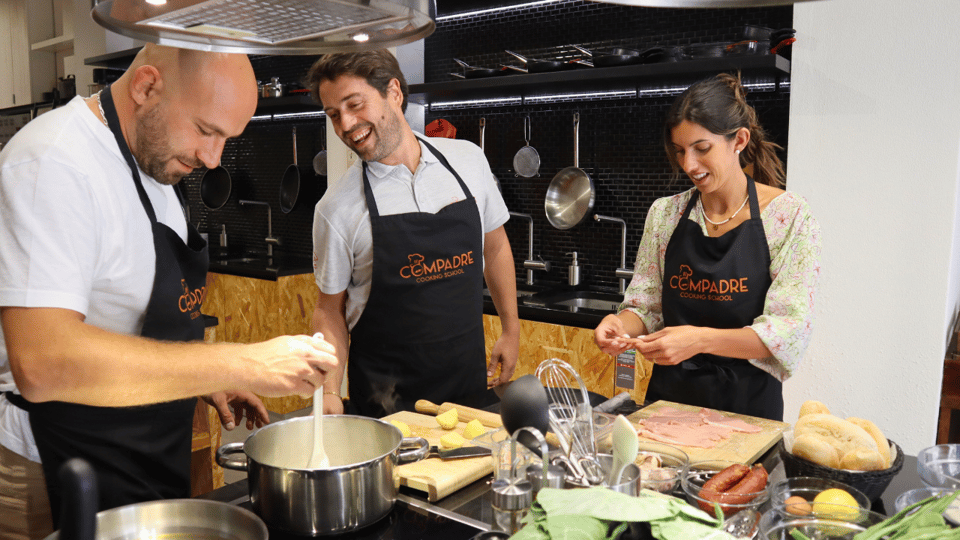
This Lisbon class (at Compadre Cooking School) has you make bifana and caldo verde with a local chef, then you sit down to eat what you cooked with wine and end with ginja. The one real catch: you’re standing and cooking, and it’s not suitable for wheelchair users.
I like that the pace is hands-on but not chaotic. You’ll learn the why behind each dish, work at the stove with your group, and leave with recipes you can actually repeat at home. If you prefer lots of quiet instruction from one person, note that this style is more “work together at your station” than “watch and take notes.”
In This Review
- Key things that make this class worth your time
- The best way to understand Lisbon street food (in just 2 hours)
- The menu: Bifana, Caldo verde, and Peixinhos da horta
- Bifana: the pork sandwich that travels well
- Caldo verde: a soup that tastes like home
- Peixinhos da horta: the dish behind tempura’s idea
- What happens during the class at Compadre Cooking School
- Step one: short history and dish context
- Step two: hands-on cooking at stations
- Step three: gather and share what you made
- Drinks included: wine with dinner, then ginja at the end
- Price and value: is $55 fair for 2 hours?
- Who this class is best for (and who should skip it)
- Practical tips so you get more out of your cooking time
- Making recipes you can repeat at home
- Should you book this Lisbon street food class?
- FAQ
- How long is the cooking class?
- What is the price per person?
- Where is the meeting point?
- Is the class taught in English?
- Do I need prior cooking experience?
- What dishes will I learn to make?
- What drinks are included?
- Are dietary needs accommodated?
- What should I bring?
- Is transportation included?
- Is the class wheelchair accessible?
- What’s the cancellation policy?
- Can I reserve and pay later?
Key things that make this class worth your time
- Bifana, Caldo verde, and Peixinhos da horta: classic street comfort food, not just a snack sampler
- You’ll get cooking time, not just tasting time, with guided chef support
- Dish origins and stories: you learn what shaped each recipe and why it matters locally
- Wine + ginja included, with a shared group meal at the end
- Modern, clean kitchen setup: comfortable stations make the hands-on format easier
- English instruction and no prior cooking experience required
The best way to understand Lisbon street food (in just 2 hours)
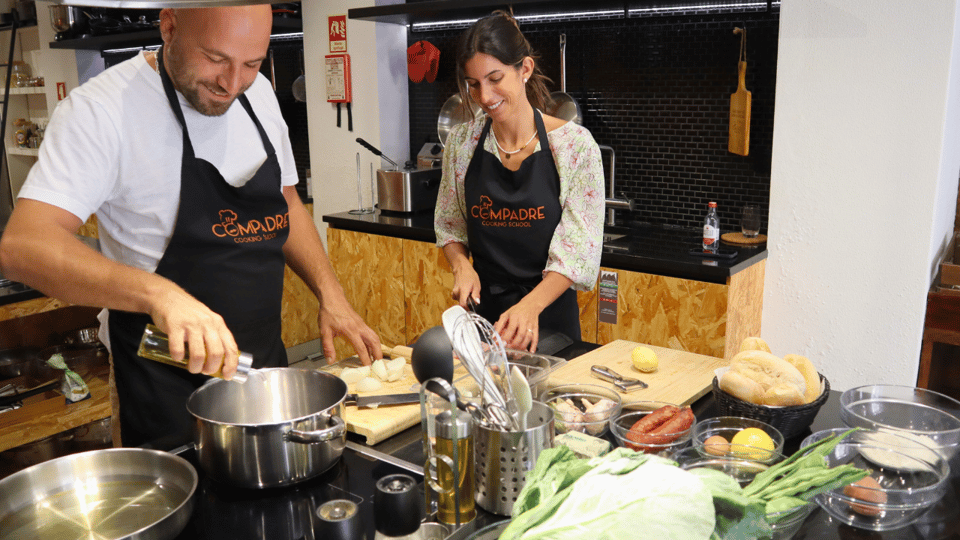
Lisbon street food can look simple, but good street food is precise. In this class, you don’t just get flavors—you get technique. And since the whole experience is two hours, it fits cleanly into a day of walking, sightseeing, and eating your way across town.
What I like most is that it’s built around local favorites you’ll actually recognize. You’ll work on dishes that Portuguese people eat often, from everyday comfort food to snacks you’d normally grab and go. Then you finish with a shared meal, which is where it becomes more than cooking—this is also a social way to break bread with people who like the same kind of travel you do.
You can also read our reviews of more food & drink experiences in Lisbon



The menu: Bifana, Caldo verde, and Peixinhos da horta
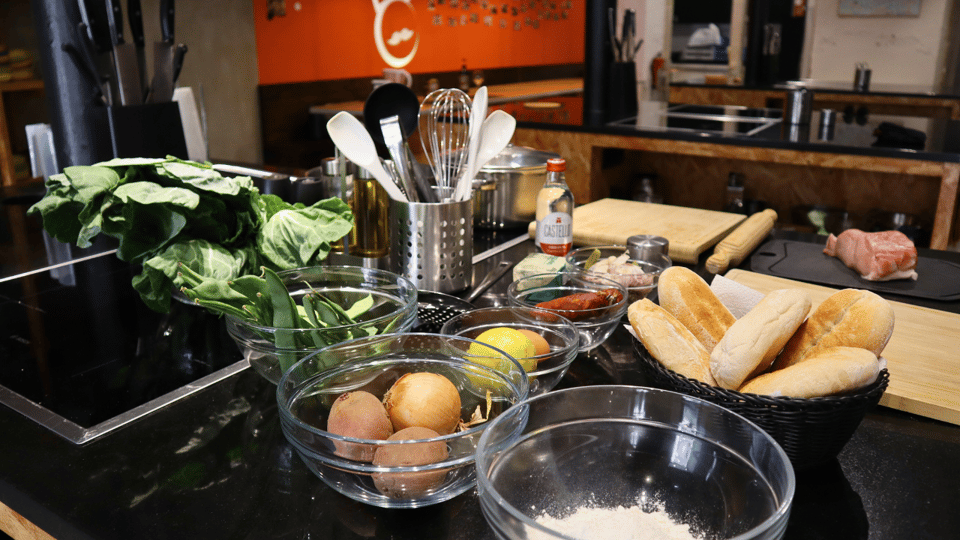
This class focuses on three dishes that tell a bigger story about Portugal’s food culture.
Bifana: the pork sandwich that travels well
Bifana is a pork sandwich with big flavor and a very practical purpose: you can eat it fast, but it doesn’t feel like fast food. You’ll learn how to prepare this classic street snack in a way that stays true to the Portuguese idea of comfort first.
The value here is learning the process behind the taste—how the pork gets seasoned and handled so it stays satisfying, not dry. Even if you’ve never cooked meat before, the structure is designed so you can participate.
Caldo verde: a soup that tastes like home
Caldo verde is collard greens soup, typically associated with cozy meals and a simple rhythm: flavor base, then greens, then texture that matters. In a short class, this is a smart choice because it teaches how small steps create a big difference in final taste.
I’d pay attention here if you’ve only had “green soup” versions elsewhere. Caldo verde has a very particular balance, and you’ll get guidance on how to keep the soup tasting clean and comforting instead of flat.
Peixinhos da horta: the dish behind tempura’s idea
Peixinhos da horta are a beloved Portuguese snack—fried battered bites made with vegetables (often fared as a street-style treat). The class also frames this dish as the original that inspired world-famous tempura, which gives you context beyond “it’s delicious.”
This is the part that feels like street food energy: you’re making something crisp and golden. And because it’s tied to an origin story, you’ll come away understanding why Portuguese frying snacks became influential.
You can also read our reviews of more tours and experiences in Lisbon





What happens during the class at Compadre Cooking School
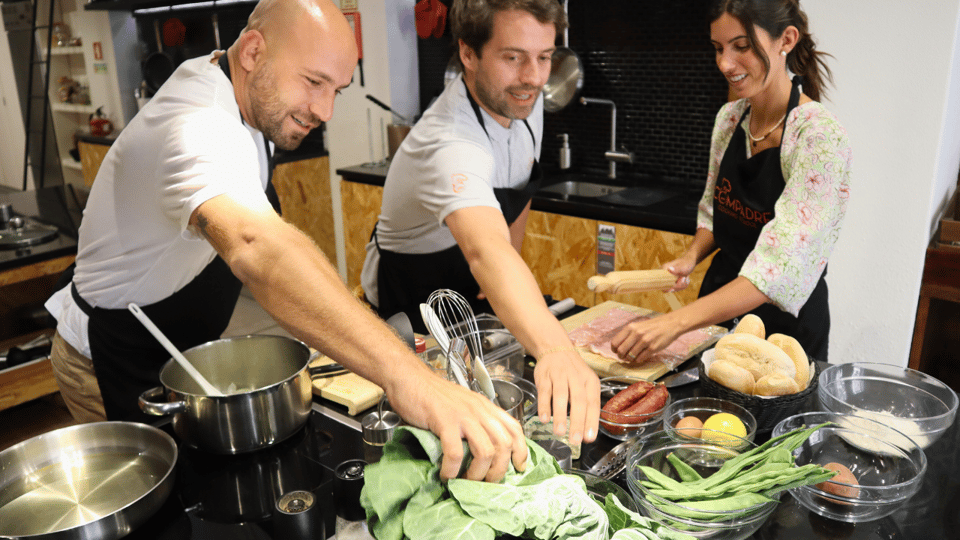
You’ll meet at the Compadre Cooking School kitchen, and you’ll want to arrive about five minutes early so you can settle in. The class runs 2 hours, and it’s taught in English, which keeps things easy if you don’t speak Portuguese.
Step one: short history and dish context
Before you cook, you get a compact intro to the history and culture behind each dish. You’ll hear stories about where these staples come from and how they show up in everyday Portuguese life—why they’re made, when people eat them, and what makes them “work” as street food.
That context matters because it turns recipes into something you can remember. Instead of copying ingredients, you understand the logic. That’s what helps at home when you don’t have the chef standing over your shoulder.
Step two: hands-on cooking at stations
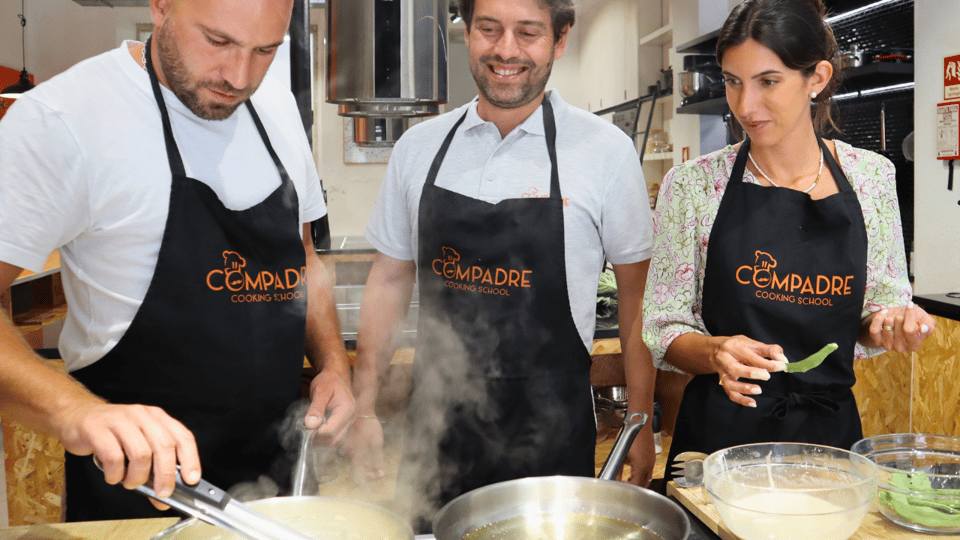
Then it’s roll up your sleeves time. The class is set up so you cook alongside other participants, guided by a local chef at your station.
A key point from real experiences with this format: everyone usually gets enough steps to participate throughout most of the process. The kitchen setup is described as spacious and clean, and that makes the hands-on portion feel organized rather than stressful.
One possible drawback to know about: some people find certain instructors a bit more hands-on than expected, meaning less pure teaching and more direct doing by the chef at times. It’s still a guided experience, but if you want maximum independence, come with a flexible mindset.
Step three: gather and share what you made
When the cooking finishes, you sit down together to enjoy the dishes as a shared meal. This part is where you can relax and compare notes—how your group made each step and what you noticed about flavor and texture.
It also makes the class feel like Lisbon food culture rather than a demo. You’re not eating alone; you’re eating in the middle of the experience.
Drinks included: wine with dinner, then ginja at the end
Portugal is serious about drinks, and this class builds that into the meal.
You’ll receive a glass of wine with your shared meal. The wine can be red or white, depending on what’s being served that day. After that, the experience ends with a tasting of ginja, a traditional Portuguese cherry liqueur.
I like that ginja is positioned as a final note. Wine pairs with savory dishes like pork and soup; ginja closes with something sweet and distinctive. It’s a small finish, but it helps the whole class feel complete.
Note on rules: smoking is not allowed, and alcohol and drugs are not allowed beyond what’s provided as part of the experience. Plan to treat the class wine as the only alcohol you’ll have there.
Price and value: is $55 fair for 2 hours?
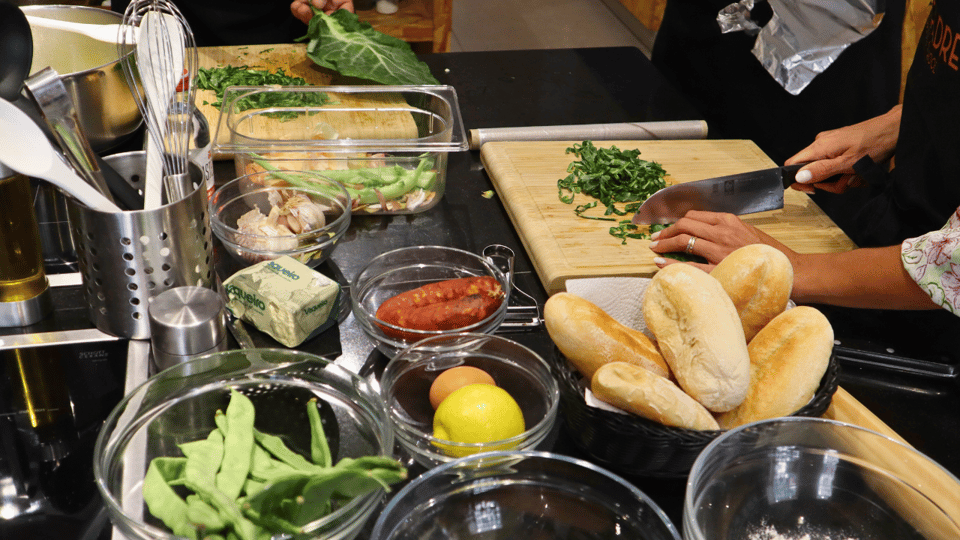
At $55 per person for a 2-hour class, you’re paying for three things at once: instruction, ingredients, and the meal + drinks. That matters because many cooking experiences charge low for “class only,” then add on for food and beverages. Here, the food and at least one drink are included, which improves value.
Also, you’re not learning one dish. You’re learning a small trio of Portuguese staples that cover pork, greens, and fried snack technique. That gives you better odds of finding at least two recipes you’ll actually cook again.
The only “value worry” isn’t the price—it’s your expectations about teaching style. If what you want is lots of slow, detailed explanation while you mostly watch, the hands-on station format might feel busier. If you want to get your hands involved and leave with repeatable dishes, the pricing matches the output.
Who this class is best for (and who should skip it)
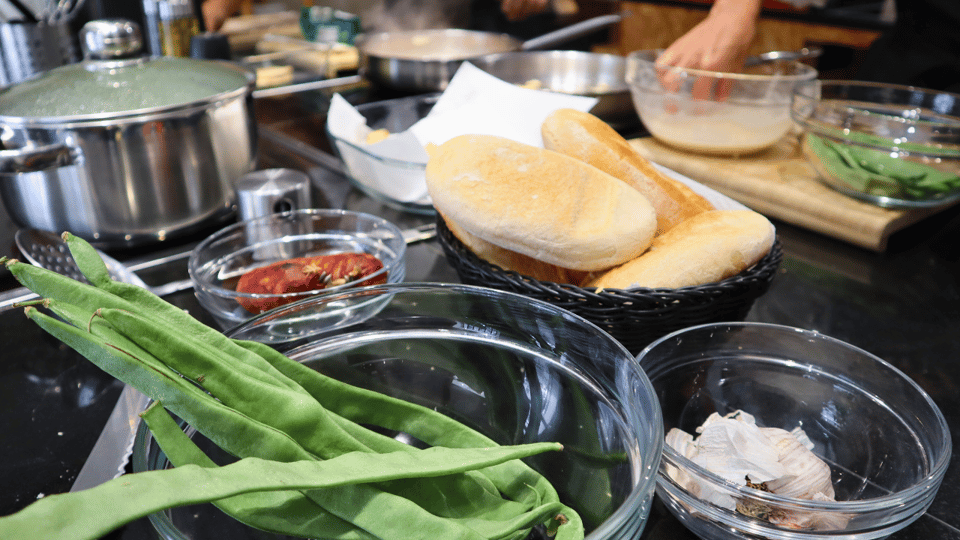
This is made for people who want a real slice of Portuguese eating, not just a souvenir meal.
You’ll likely love it if:
- you enjoy hands-on activities and want to learn by doing
- you like street food with backstory, not only flavors
- you want a social evening where you cook and then eat together
It’s less ideal if:
- you’re expecting a fully lecture-style class
- you need wheelchair accessibility (this one isn’t suitable for wheelchair users)
- you dislike standing while cooking (comfortable shoes are strongly recommended)
If you’re traveling solo, this can be a great “people night,” because you’re grouped by the shared cooking stations and then the meal.
Practical tips so you get more out of your cooking time
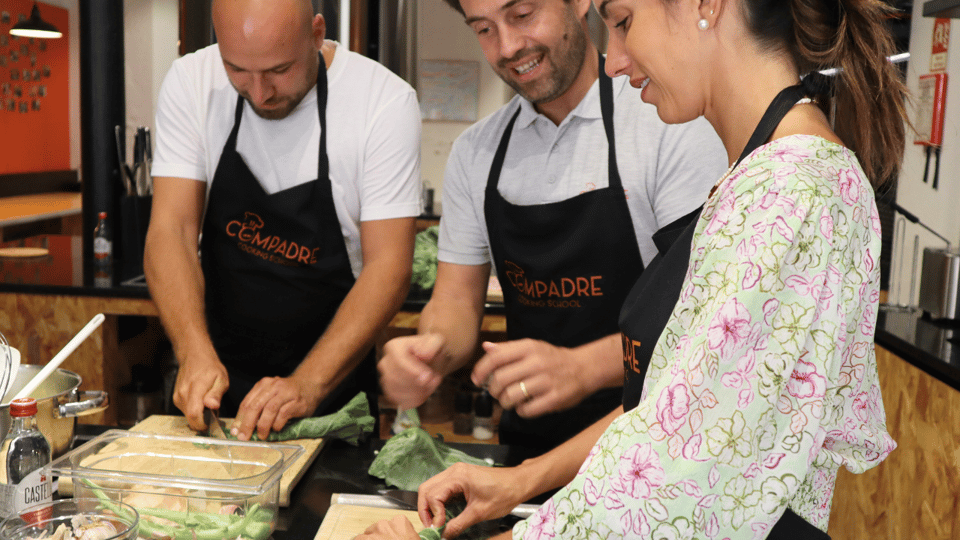
Bring comfortable shoes and wear clothing you don’t mind getting a little kitchen contact. You’re cooking, moving, and standing more than you might expect for a “small” class.
If you’re new to cooking, here’s your mindset: focus on one step at a time instead of trying to master the whole dish instantly. The class is structured so you can participate even without experience, but you’ll get better results if you stay relaxed and listen for the technique cues.
Also, go in hungry. The meal you eat at the end is part of why this class works. You’ll want room for the food and the rhythm of wine and then ginja.
Making recipes you can repeat at home
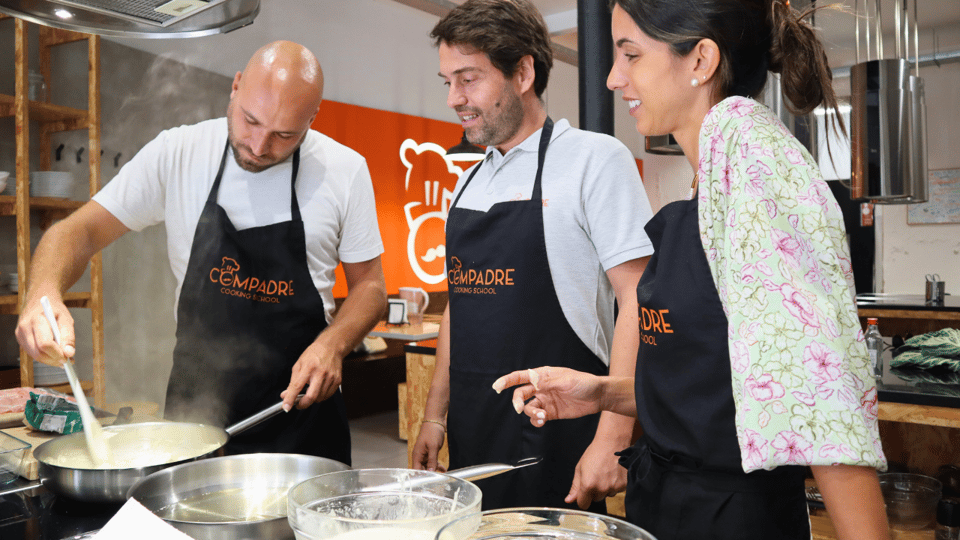
One reason cooking classes like this are worth it is that they teach you how to recreate a flavor profile, not just a list of ingredients. When you understand the logic behind Bifana, the balance in Caldo verde, and the crisp technique behind Peixinhos da horta, your home cooking becomes more confident.
A helpful expectation: the recipes are designed to be simple enough to try at home. That’s the point of teaching street food—street food should be repeatable, even if you don’t have a local snack bar kitchen.
If you’re the kind of person who loves writing down measurements, do it. If you’re more of a “taste and adjust” cook, that’s fine too—you’ll learn what the dish should feel like.
Should you book this Lisbon street food class?
Yes, if you want a high-value evening that blends practical cooking with Portuguese comfort food stories. The two-hour format makes it easy to fit into your trip, and the included meal with wine plus the ginja finish means you’re leaving fed, not just informed.
I’d book it especially if you’re aiming to eat like a local: learn the staples you’ll see again and again, then take those flavors home. If you need wheelchair accessibility or you’re uncomfortable standing for a cooking session, skip this one and look for a different format.
FAQ
How long is the cooking class?
The class lasts 2 hours.
What is the price per person?
The price is $55 per person.
Where is the meeting point?
You meet at the Compadre Cooking School kitchen.
Is the class taught in English?
Yes, the instructor is English.
Do I need prior cooking experience?
No. No prior cooking experience is needed.
What dishes will I learn to make?
The class includes classic Portuguese street food dishes such as Bifana, Caldo verde, and Peixinhos da horta.
What drinks are included?
You’ll get a glass of wine (red or white) with the meal, plus a tasting of ginja (cherry liqueur) at the end.
Are dietary needs accommodated?
If you have specific dietary needs, you should contact the operator, and they can adapt the recipes.
What should I bring?
Bring comfortable shoes and wear comfortable clothing suitable for cooking.
Is transportation included?
No. Transportation to and from the class is not included.
Is the class wheelchair accessible?
No. It is not suitable for wheelchair users.
What’s the cancellation policy?
Cancellation is free up to 24 hours in advance for a full refund.
Can I reserve and pay later?
Yes. You can reserve now & pay later.