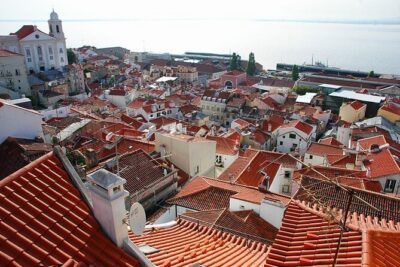
Lisbon runs on hills, steps, and sudden views, so this ride feels like cheating. A tuk-tuk lets you cover Lisbon’s big historic neighborhoods fast, with planned stops at some of the best miradouros (viewpoints) and major sights like Sé Cathedral and Belém’s riverfront. I like the built-in time you get to hop out, look around, and take pictures—no constant rushing through parking-lot chaos.
My favorite part is the guidance: when the driver-guide is people like Raj or Mahmudul, the stops turn into mini history lessons you can actually use on your own walking later. One thing to plan for: the experience is structured, so if you want long museum time or a slow, wandering pace, you’ll have to choose the right tour length (90 minutes vs. up to 4 hours) or you may feel slightly time-pressed.
In This Review
- Key points to know before you ride
- Why a tuk-tuk tour makes sense in Lisbon’s steep old town
- Price and value: what $26.62 really buys
- The flow of the ride: pickup, pacing, and how long you get at each stop
- Sé Cathedral and the medieval start you can build on
- Alfama viewpoint circuit: Santa Luzia, Portas do Sol, and the rest
- Alfama itself: narrow streets, color, and the Fado connection
- Panteão Nacional: the paid monument break that’s worth it
- Lisbon’s water past and the city’s shift to fun: Chafariz d’El Rei and Pink Street
- Time Out Market Lisboa: a practical meal stop without committing to planning
- LX Factory: modern Lisbon in a repurposed industrial setting
- Palácio de Belém: what you can see when the interior is closed
- Pastéis de Belém: the tart stop that needs zero convincing
- Belém’s big monuments: Jerónimos, Torre de Belém, and the riverfront era
- Padrão dos Descobrimentos and MAAT: two very different ways to look at Portugal
- São Vicente de Fora and the Braganza connection
- Finishing at the grand riverfront square: where Lisbon rebuilt itself
- What’s included vs. what you might pay for
- Who should book this tuk-tuk tour?
- Book it or skip it? My take
- FAQ
- How long is the Lisbon Historic City Tour by Tuk-Tuk?
- How much does the tour cost?
- Is pickup available, and where should I meet?
- Is this tour private?
- What language is the tour in?
- Are tickets for every stop included?
- Do you get time for photos?
- Is any food or wine tasting included?
- Can I cancel for a full refund?
- Are service animals allowed?
Key points to know before you ride

- Tuk-tuks handle Lisbon’s tight, cobbled hills better than you think
- Photo stops are real, not symbolic, with timed moments at viewpoints
- You can pick your length, from about 1.5 hours to around 4 hours
- Private tour for your group means fewer delays and more flexibility
- Some top sites require tickets, so bring cash or card for entry where needed
- English guide and free photos help you leave with context and good shots
Why a tuk-tuk tour makes sense in Lisbon’s steep old town
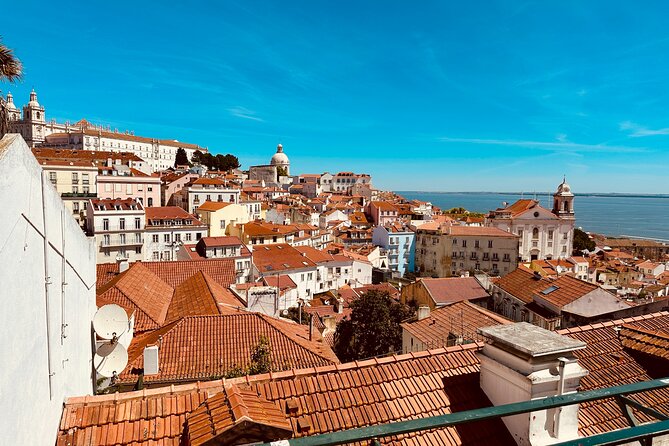
Lisbon’s charm comes with a catch: neighborhoods are stacked on slopes, with narrow lanes that can feel impossible after a full day of stairs. A tuk-tuk is a practical way to get your bearings early, especially if you’re landing jet-lagged or you just want to see more without paying for taxis all afternoon.
This tour is designed for that “first-day overview” feeling. In a few hours you’ll move through medieval lanes in Alfama, then jump to Belém for Age of Discoveries icons. Along the way, you’ll hit viewpoints that explain why Lisbon is so famous for angles, light, and panoramic city views.
You can also read our reviews of more city tours in Lisbon



Price and value: what $26.62 really buys
At $26.62 per person, the math works best if you’re trying to do a lot without overthinking transport. You’re paying for guided route planning, a vehicle that can reach uphill spots, and a private format for your group.
What makes the price feel fair is what’s bundled: tour guide, all fees and taxes, and liability insurance plus personal injury coverage. You also get free photos from the experience, which is handy in Lisbon where you’ll want more than the usual phone selfie attempts on steep streets.
If you’re the type who hates double-booking and cross-town bus transfers, this is the kind of tour that can save you time—and time in Lisbon is basically money you spend on gelato instead of getting lost.
The flow of the ride: pickup, pacing, and how long you get at each stop

The tour ends back at the meeting point, so you’re not stuck managing a second leg after the last photo. Pickup is simple: your guide meets you 5 minutes before start in front of the Sophia Restaurant, directly opposite Time Out Market.
Pacing is the main tradeoff. The stops are short—often 5 to 10 minutes—so you get a taste of each place plus time to shoot photos. That works well for a wide overview, and it’s exactly why guides often do well here: they point out what to look for quickly so you don’t waste time scanning.
One more practical note: there are paid entry stops mixed in with free viewpoints. If you prefer to breeze through without thinking about tickets, choose your priorities and be ready to pay where required.
Sé Cathedral and the medieval start you can build on
The tour’s opening stop is Lisbon Cathedral, known for being the city’s oldest church and a symbol of Lisbon’s medieval past. Built in 1147 after King Afonso I reclaimed Lisbon from Moorish rule, it’s Romanesque in character—solid, historic, and built for permanence.
Admission isn’t included here, so you’ll likely spend your time deciding whether to enter or just view from outside and move on. Either way, this start helps you understand Lisbon’s layers: the city didn’t only become “beautiful postcard Lisbon”—it has a long timeline behind the postcard.
Alfama viewpoint circuit: Santa Luzia, Portas do Sol, and the rest
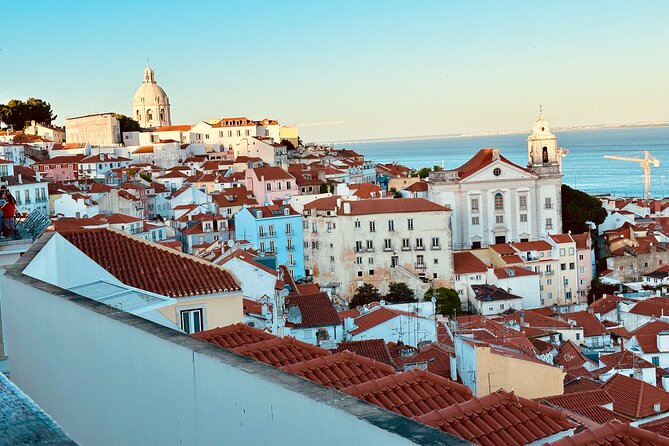
After the cathedral, the tour shifts into viewpoint mode—one reason tuk-tuks are such a good fit. Lisbon viewpoints aren’t just pretty. They show you the geography of the city: where Alfama sits, how the Tagus bends, and why so many homes cling to hills.
Here’s what to expect across the miradouro stops:
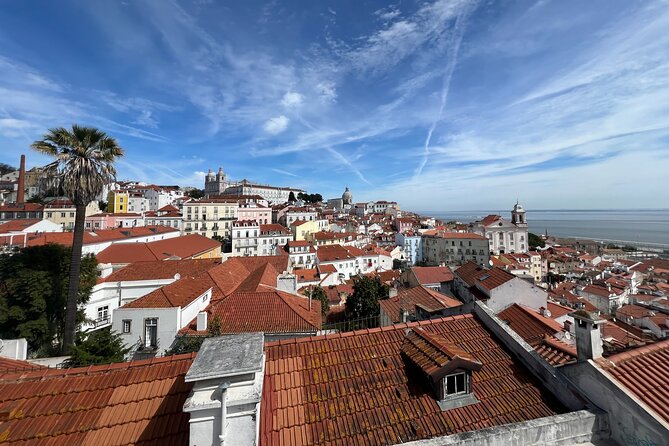
- Miradouro de Santa Luzia: a romantic-feeling spot above Alfama with azulejo-tiled walls, flowers, and a peaceful vibe. It’s a great first photo stop because the scenery frames the old neighborhood structure clearly.
- Miradouro das Portas do Sol: another major look over Alfama’s rooftops, the Tagus River, and the nearby São Vicente de Fora area. If you want a classic Lisbon panorama for your camera, this one often does the job quickly.
- Miradouro da Senhora do Monte: the highest viewpoint on the route, with wide-ranging views that can include the castle area and the river. It’s especially good for late-day light, even if the stop is short.
- Miradouro da Graça (Sophia de Mello Breyner Andresen): panoramic views with a quieter feel, plus a garden setting and a historic church nearby. It’s a nice mid-route reset before you transition to monuments.
These stops are time-boxed, so you’ll want a simple plan: take your photos early, then stand still and actually look for a minute. Lisbon rewards stillness more than you’d expect.
You can also read our reviews of more historical tours in Lisbon





Alfama itself: narrow streets, color, and the Fado connection

Alfama is the oldest and one of the most atmospheric neighborhoods in Lisbon—known for narrow streets, colorful houses, and the cultural heartbeat of Fado music. This stop is brief, so you’re not doing a full neighborhood walk, but it’s enough time to step into the feeling of old Lisbon life.
The best way to use your short Alfama time is to follow what your guide points out: viewpoints, alleyways, and where the neighborhood’s Moorish influence still shows up in the layout and angles. Even with limited minutes, you’ll come away with a sense of direction for later self-guided wandering.
If you’re traveling with people who get motion sick easily, consider asking your guide for the smoothest spot to jump out and walk a little, since cobbled lanes can be uneven.
Panteão Nacional: the paid monument break that’s worth it

Next comes Panteão Nacional, a striking 17th-century monument where many notable Portuguese figures are buried. It’s famous for its grand dome and impressive marble interior, plus panoramic views over Alfama and the Tagus.
Admission isn’t included here, so check your budget before you arrive. I see this stop as a good “split the difference” choice: it’s one of the few indoor-and-monument stops on the ride, so if you want one paid entry moment, this is a strong contender.
Lisbon’s water past and the city’s shift to fun: Chafariz d’El Rei and Pink Street
After the cathedral and viewpoint loop, the tour adds two distinct “feel” stops:
Chafariz d’El Rei is a historic 16th-century fountain near the riverfront. It used to be a vital water source, and now it’s a charming landmark that hints at how daily life worked before the modern city systems.
Then you’ll move to Pink Street, a former red-light district that’s now one of Lisbon’s trendiest nightlife areas. Expect pink pavement, bars, and a night-oriented energy. This stop is short, so think of it like a snapshot—an idea of what Lisbon is like after dinner, not a full nightlife plan.
Time Out Market Lisboa: a practical meal stop without committing to planning
Time Out Market Lisboa is an easy win for hunger management. It’s a food hall that brings many Portuguese chefs and restaurants under one roof, so you can choose what you want on the spot—savory dishes, desserts, and drinks.
Even if you don’t eat there, it’s a helpful pause point. On a tour with lots of scenic stops, giving you a place to reset in the middle helps the rest of the day feel less rushed.
LX Factory: modern Lisbon in a repurposed industrial setting
L X Factory adds a different Lisbon note—creative, artsy, and housed in a former industrial complex. You’ll see trendy shops, street art, and cultural spaces, which makes it a nice contrast to Alfama and Belém.
This is where you can do small shopping or just browse. If your group wants souvenirs that feel more contemporary than typical tourist shops, this stop gives you options without forcing a full shopping block.
Palácio de Belém: what you can see when the interior is closed
The tour also includes the official residence of the President of Portugal—Palácio de Belém. The interior is mostly closed to the public, but the exterior and surrounding grounds give you a meaningful glimpse into Portugal’s political and cultural heritage.
This stop is more about context than deep touring. Think of it like a visual history marker that helps you understand what power looks like in Lisbon today, right alongside the monuments from the Age of Discoveries.
Pastéis de Belém: the tart stop that needs zero convincing
If you’ve heard the phrase pastéis de nata, you’ve heard Lisbon. Pastéis de Belém is where you can taste the iconic custard tarts baked fresh since 1837, in the original traditional setting.
This is also one of the best “quick joy” stops on the tour. The time is short, but it’s enough to buy your pastry and eat it while it’s still at its best—warm and sweet, with that unmistakable custard pull.
Tip: grab yours early in the stop so you’re not standing around waiting while the group moves to the next sight.
Belém’s big monuments: Jerónimos, Torre de Belém, and the riverfront era
Now you shift to Belém, where Lisbon starts acting like an empire.
Jerónimos Monastery is a stunning example of Manueline architecture built in the 16th century to honor Portugal’s Age of Discoveries. The ornate cloisters and grand church are the headliners, and it’s also the place where Vasco da Gama’s tomb is located. Admission isn’t included, so this is where deciding matters: if you want maximum impact, plan to enter.
Torre de Belém is next: a 16th-century fortress built to guard the harbor. Its Manueline style is instantly recognizable, and it offers scenic river views. Admission isn’t included here either, so you’ll want to decide if you’re going for photos from outside or paying for the full experience.
If you’re doing this tour as a first-day overview, these two stops do a lot of educational work quickly. They also help you understand the theme that ties the rest of Belém together: ships, exploration, and Lisbon’s riverfront power.
Padrão dos Descobrimentos and MAAT: two very different ways to look at Portugal
The tour then moves to Padrão dos Descobrimentos, a riverside monument celebrating Portugal’s explorers of the Age of Discoveries. You can climb to the top for panoramic views of Belém, the Tagus River, and nearby landmarks. Admission is listed as free, but the viewpoint climb is still something to treat as part of your walking time.
After that is MAAT – Museu de Arte, Arquitetura e Tecnologia, a contemporary museum on the Tagus River. It’s built for design lovers and people who like modern architecture and technology-focused art. Even with a short stop, the building and riverside setting are a big part of why it’s on this route.
São Vicente de Fora and the Braganza connection
At Mosteiro de São Vicente de Fora, you get a 16th-century monastery in the Mannerist style dedicated to Saint Vincent, Lisbon’s patron saint. The stop includes access to areas like the cloisters and tiled galleries, plus a royal pantheon connected to the Braganza dynasty.
It’s also positioned for city views, so the short time can still pay off visually. If you love religious architecture and royal storylines, this is one of the most satisfying “stop for a quick look” options.
Finishing at the grand riverfront square: where Lisbon rebuilt itself
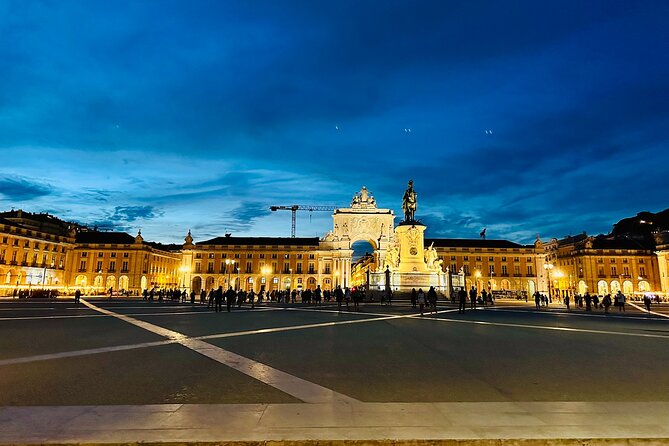
The ride wraps with Lisbon’s grand riverside square, once the site of the royal palace, framed by elegant arcades and the iconic Arco da Rua Augusta. It’s a symbol of Lisbon’s rebirth after the 1755 earthquake, and it’s a perfect closing spot to take in Tagus views and soak up the sense of open space after narrower historic streets.
Even if the stop is brief, it helps the day make sense. You go from medieval cathedrals and hillside neighborhoods to empire-era monuments and then end at a place that shows Lisbon’s resilience.
What’s included vs. what you might pay for
Most stops in this tour are free to admire from viewpoints and public areas. But a handful need paid entry, so plan a budget.
Expect admission not included for:
- Lisbon Cathedral
- Panteão Nacional
- Jerónimos Monastery
- Torre de Belém
Everything else listed as free is generally free to visit for viewing and photos, including the viewpoints and museum stops like MAAT. Also, this is a tuk-tuk tour—there’s no included wine or food tasting program. You can absolutely buy snacks and meals at stops like Time Out Market and Pastéis de Belém, but you’ll pay for what you order.
Who should book this tuk-tuk tour?
This is a great fit if:
- You want a fast overview of Lisbon’s key historic zones without walking uphill for hours
- You’re traveling with people who need breaks and short bursts of exploration
- You want viewpoint photos with context, not just scenic shots
- You’re visiting for the first time and want help getting your bearings fast
It might be less ideal if:
- You hate time-boxed stops and want hours inside major museums
- Your group plans to spend lots of time at only one site (this tour is built for many sites)
- You strongly prefer public transport and self-guided walking every day
Book it or skip it? My take
I’d book this Lisbon Historic City Tour by Tuk-Tuk if you want the “see Lisbon in motion” version of the city—Alfama viewpoints, Belém’s monuments, and riverfront drama—without committing your whole day to stair-heavy wandering. With a private setup for your group, timed photo moments, and guide-led explanations (the kind you can carry into your next self-guided stop), it’s strong value for a first pass.
Skip it only if you already planned a full day of museum entries and you don’t care about viewpoints or getting city context. In that case, a focused museum itinerary might suit you better.
FAQ
How long is the Lisbon Historic City Tour by Tuk-Tuk?
The tour duration is about 1 hour 30 minutes to 4 hours, depending on the length you choose.
How much does the tour cost?
The price is listed as $26.62 per person.
Is pickup available, and where should I meet?
Pickup is offered. Please wait in front of the Sophia Restaurant located opposite Time Out Market. Your guide will pick you up 5 minutes before the start time.
Is this tour private?
Yes. It’s a private tour/activity, and only your group participates.
What language is the tour in?
The tour is offered in English.
Are tickets for every stop included?
No. Admission tickets are not included for Lisbon Cathedral, Panteão Nacional, Jerónimos Monastery, and Torre de Belém.
Do you get time for photos?
Yes. The tour includes multiple timed stops where you can get out and take pictures, and the experience includes free photos.
Is any food or wine tasting included?
No. This is a tuk-tuk tour and does not include wine or food tasting experiences.
Can I cancel for a full refund?
Yes. You can cancel up to 24 hours in advance for a full refund.
Are service animals allowed?
Yes. Service animals are allowed.