REVIEW · FOOD & DRINK
Lisbon: Guided Port Wine Tasting Apéritif/Digestif
Book on GetYourGuide →Operated by From The Vine · Bookable on GetYourGuide
Port wine tasting in Lisbon, done the practical way. In just 1 hour, you’ll sample 6 different port styles and learn how production and aging create big flavor shifts, all in a small bar setting with an expert guide like Caio or Jorge. You also get sweet-and-savory snacks that keep the tasting from feeling one-note.
What I really like is the range: red tawny, red ruby, white, rosé, a reserve, and a 10-year-old port, each served for a specific moment in the flight. I also like the human size of the experience—limited to 10 participants—so questions don’t get swallowed by a loud room.
One thing to consider: this is a compact bar setup, and if you’re sensitive to atmosphere (music vibe, for example), you might prefer a more traditional-sounding venue. Also, since it’s short, you won’t leave with a meal—just a guided tasting that’s designed to stay tight and focused.
In This Review
- Key highlights worth circling
- From The Vine in Lisbon: how a 1-hour tasting hits the sweet spot
- Meeting point and the small-bar vibe near central Lisbon
- The six-port flight: what you taste and why it matters
- 1) Red tawny: smooth and mellow
- 2) Red ruby: bright and fruity
- 3) White port: crisp and refreshing
- 4) Rosé port: light and floral
- 5) Reserve port: robust and aged
- 6) 10-year-old port: complex and rich
- How the guide turns six sips into real understanding
- Sweet and savory snacks: the unsung part of tasting well
- What you should expect from timing and pacing
- Who this Lisbon port tasting is best for
- Price and value: is $28 for six ports worth it?
- Should you book this port tasting in Lisbon?
- FAQ
- How long is the Lisbon port wine tasting apéritif/digestif?
- How many port wines are included?
- What port styles will I try?
- Are snacks included?
- Is transportation or meals included?
- What languages is the guide available in?
- Is it suitable for children or teens?
- Is smoking allowed during the experience?
- Is the experience wheelchair accessible?
Key highlights worth circling
- Six distinct port styles served in one flight, including a 10-year-old port
- Expert guidance with explanations of the wine-making process and port’s story
- Tasting technique so you learn how to appreciate what’s in your glass
- Sweet and savory snacks paired alongside the pours
- Small group format (max 10) with lots of room to ask questions
- Languages: English and Portuguese with a live guide
From The Vine in Lisbon: how a 1-hour tasting hits the sweet spot
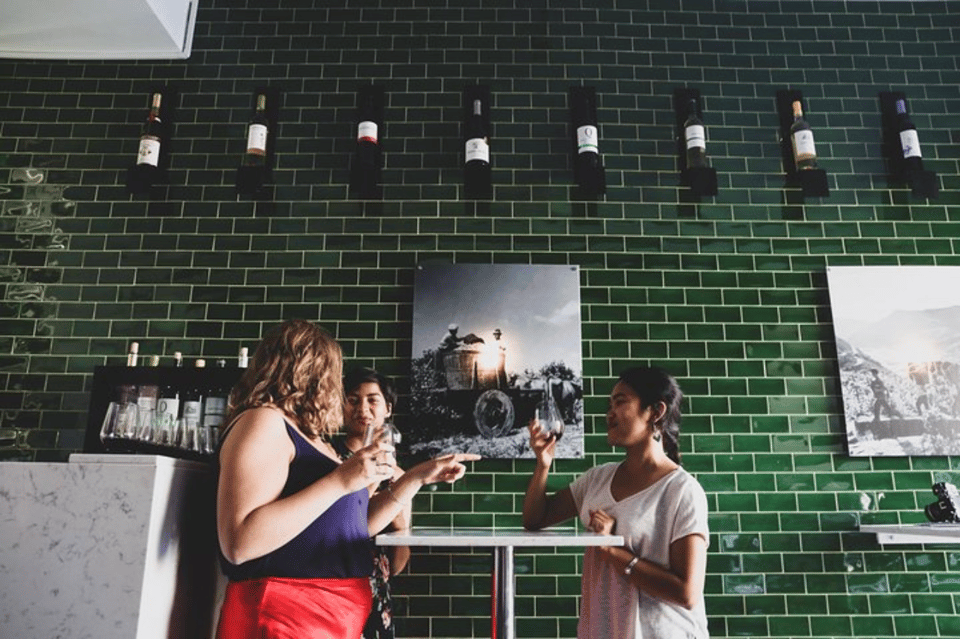
If you want a Portugal wine experience that’s easy to fit into a day, this format works. You’re in Lisbon, it lasts about an hour, and you’re not stuck doing a long “tour plus tour guide speech” situation. Instead, you taste. You learn just enough to connect flavors to choices people made in the winery. Then you taste again.
The price—$28 per person—is basically paying for three things: guided pours, variety (six types), and snack pairings. The value is strongest if you’re the type of person who enjoys figuring out the differences between similar drinks. The guide doesn’t just hand you a glass and walk away; the point is to help you notice what changes from one style to the next.
This is also an efficient way to understand port without needing to already be a port fan. Some people naturally arrive thinking port is either too sweet or too “dessert-ish.” The tasting flow is set up to show how styles range from crisp and refreshing to robust and aged, so you can decide what fits your palate rather than guessing ahead of time.
You can also read our reviews of more food & drink experiences in Lisbon



Meeting point and the small-bar vibe near central Lisbon
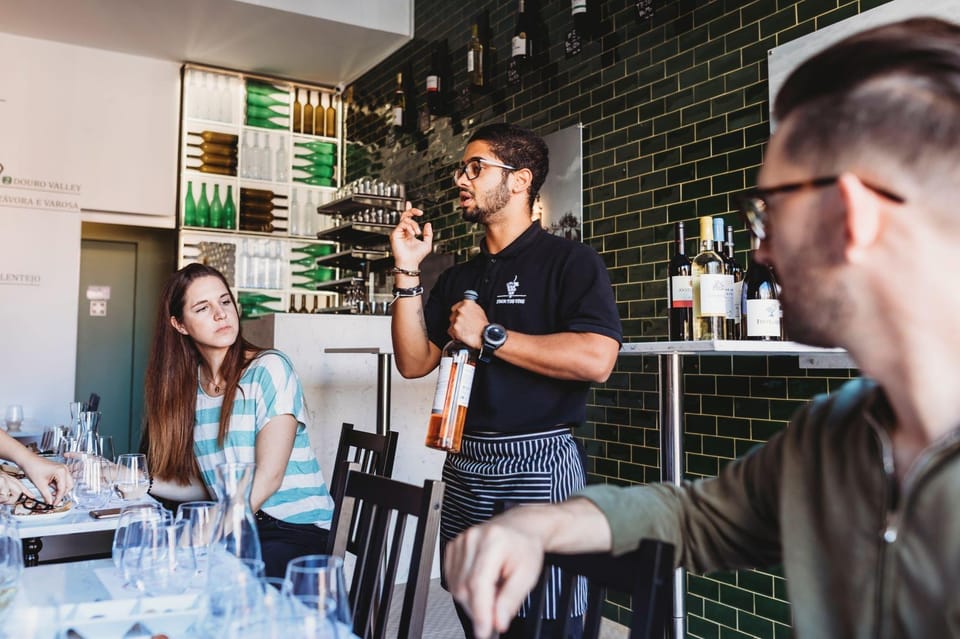
You meet at From The Vine: Port & Wine Tasting Bar in Lisbon (the activity’s listed meeting spot). It’s a proper “show up and join the group” kind of arrangement, not something where you’ll spend time wandering for clues.
A practical note: Lisbon taxi/navigation can be a little hit-or-miss, so make it easy for yourself. Screenshot the exact meeting name, double-check the address pin, and arrive a few minutes early. In one small-group scenario, arrival issues were part of the friction—so don’t leave this to the last minute.
Inside, expect an intimate bar experience. That’s usually a plus: you’re close to the guide, you can ask questions, and the flight stays personal. The trade-off is that the room is small, so the atmosphere—like the music style—might not match everyone’s taste. If you’re hoping for a certain old-school Portuguese tavern feel, keep that in mind.
The six-port flight: what you taste and why it matters
This tasting centers on 6 distinct port styles. The guide walks you through each one and explains what you’re drinking, including the wine-making process and port history (so your brain has something to hold onto besides flavor alone).
Here’s what you’ll taste, in the categories described for the session:
1) Red tawny: smooth and mellow
The flight starts with red tawny, described as smooth and mellow. This sets a comfortable baseline—often the kind of pour that feels approachable if you’re new to port or not used to fortified wines.
When you taste it, pay attention to how it feels first: not just sweetness, but texture and ease. A mellow style makes it easier to compare later glasses without your palate being “overloaded” immediately.
2) Red ruby: bright and fruity
Next is red ruby, described as bright and fruity. This is the contrast piece: where the tawny feels gentler, the ruby is meant to feel more energetic and fruit-forward.
If you’re trying to understand port differences quickly, this is one of the most useful comparisons. Notice how your perception shifts when the guide moves from one style family to another.
You can also read our reviews of more guided tours in Lisbon






3) White port: crisp and refreshing
Then you’ll try white port, described as crisp and refreshing. That’s a big deal because port doesn’t have to be only dark and dessert-like.
If you’re someone who prefers lighter drinks, this may be your surprise favorite. It’s also a helpful “palate cleanser” style within the tasting flight, even though it’s still sweet.
4) Rosé port: light and floral
After that comes rosé port, described as light and floral. This is where the flight broadens beyond the traditional red expectation.
Try to separate aroma from flavor here. Floral-style wines often hit the nose first, then follow with a lighter palate feel. Give it a moment before you decide.
5) Reserve port: robust and aged
Then you’ll taste reserve port, described as robust and aged. This part of the flight is designed to feel heavier, deeper, and more serious.
For me, the value of a reserve in a tasting is simple: it teaches you what “aging” means in the glass, without you needing to memorize technical labels. You’re tasting the result of time and approach.
6) 10-year-old port: complex and rich
Finally: a 10-year-old port, described as complex and rich. This is the “finish strong” pour.
When older port is done well, it often tastes less like a single note and more like layers. Let the guide’s explanations guide you, but also trust your own noticing—this is the one you’ll remember for color, aroma, and finish.
How the guide turns six sips into real understanding
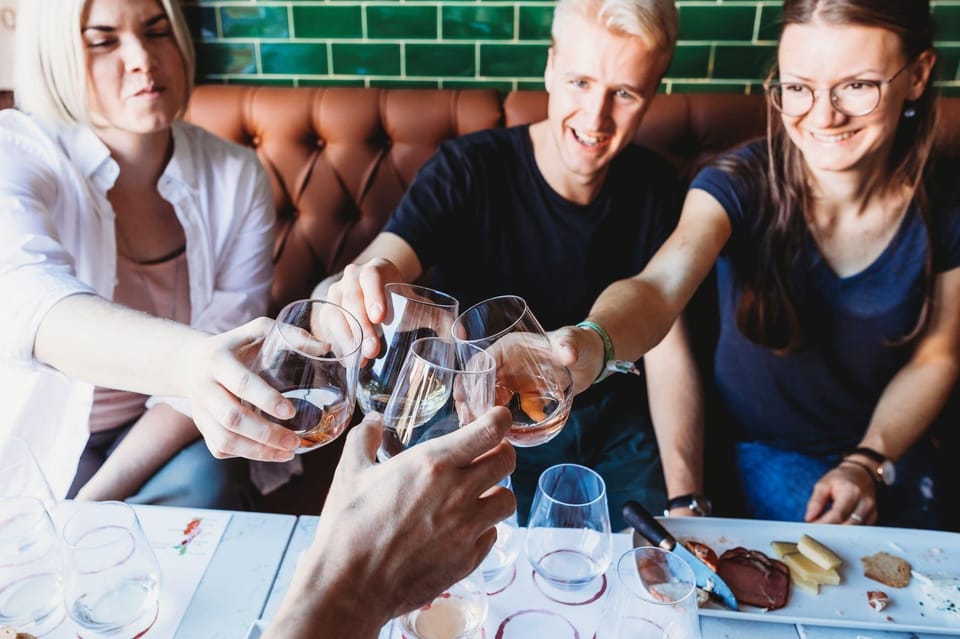
The heart of the experience is the guide. People consistently describe the guides (including names like Caio and Jorge) as fun, engaging, and able to explain port in plain terms. That matters, because wine tastings can sometimes turn into jargon for people who already know everything.
Here, the guide is doing something more useful: connecting each glass to the broader story—wine-making process, port history, and how to taste properly. You’ll also learn how to approach each pour with intention, instead of treating port like just another drink you’re passing time with.
A small but meaningful detail: in one experience, the guide offered additional sampling of someone’s favorite port style. That’s a sign the tasting isn’t just “official script read and out the door.” It’s built around your reactions too.
And because the group is small (max 10), you’re more likely to get answers to your questions instead of listening for ten minutes to questions that don’t apply to you.
Sweet and savory snacks: the unsung part of tasting well
Port is sweet, and a tasting of multiple styles can get cloying if you don’t have food support. That’s why I like that this experience pairs tastings with sweet and savory snacks.
Think of the snacks as palate management:
- Sweet bites won’t clash with port sweetness as much as plain crackers might
- Savory bites help “reset” your perception between styles
- Snacking keeps you from rushing through the flight just to get it over with
Also, because meals are not included, these snacks matter. They’re not a full dinner, but they are a built-in reason to arrive on the earlier side of your day and not on an empty stomach.
What you should expect from timing and pacing
This is scheduled for 1 hour, which is a good length for sampling six ports without turning it into an all-day wine lecture. The flight feels structured: guide explains, you taste, you move to the next style.
One practical consideration: in small-group moments, the experience can run a bit shorter (for example, one account mentioned it ended closer to 45 minutes). If you’re planning the rest of your afternoon, don’t assume it will always run every minute of the hour—schedule a buffer.
Also, because smoking isn’t allowed, the experience stays focused on sipping and conversation, not smoke breaks.
Who this Lisbon port tasting is best for
This is clearly built for adults: you must be 18+. It’s also not suitable for pregnant women and children under 18, so plan accordingly.
Beyond that, this tasting fits:
- First-timers who want to understand port without committing to a full tour day
- Wine-curious travelers who like learning the “why” behind flavor differences
- People traveling in a small group who want real conversation with a guide
- Anyone who enjoys sampling multiple styles and deciding what they’d buy later
If you’re the kind of traveler who wants a full meal, long walks, and city sights, this won’t replace a food-and-history day. It’s a tasting experience—short, concentrated, and designed around your glass.
Price and value: is $28 for six ports worth it?
Let’s look at what you’re paying for. For $28 per person, you get:
- A guided tasting of 6 distinct port wines
- Pairings with sweet and savory snacks
- A live guide in English or Portuguese
- A small group format (limited to 10)
- A tasting focused on how to appreciate port properly
The value is strongest because six different styles are included. A lot of tastings in Europe will give you two or three pours and then send you off. Here, you get enough variety to actually learn the range of port, including lighter styles like white and rosé alongside darker, aged picks like reserve and a 10-year-old port.
The main “cost” to weigh is what’s not included: transportation and meals. If you’re already paying for taxis or you need a full dinner plan, your total spend will rise. But if you treat this like a focused tasting slot (with snacks included) and build your day around it, it feels fair.
Should you book this port tasting in Lisbon?
If your goal is a smart, guided wine stop in Lisbon—one you can finish without eating up your entire afternoon—this is an easy yes. The strongest reasons are the same ones that come up again and again: six real port styles, a guide who can explain without talking down, and an experience that stays small enough to feel personal.
I’d especially book it if:
- You want a guided tasting where the history and process are part of the point
- You’d like to taste port types you might not pick on your own (like rosé and white)
- You enjoy tasting technique and learning how to notice differences
I’d pause before booking if:
- You’re extremely sensitive to atmosphere and music in a small room
- You want a meal or a long multi-stop food tour instead of a tight tasting session
Bottom line: this is good value for what you get—multiple styles, real guidance, and snack pairings—in a short time window that works well in Lisbon.
FAQ
How long is the Lisbon port wine tasting apéritif/digestif?
It lasts 1 hour.
How many port wines are included?
You’ll taste 6 different port wines during the guided tasting.
What port styles will I try?
The tasting includes red tawny, red ruby, white, rosé, reserve, and a 10-year-old port.
Are snacks included?
Yes. The experience includes sweet and savory snacks paired with your tastings.
Is transportation or meals included?
No. Transportation and meals are not included.
What languages is the guide available in?
The live guide offers English and Portuguese.
Is it suitable for children or teens?
No. It’s not suitable for children under 18, and participants must be at least 18 years old.
Is smoking allowed during the experience?
No. Smoking is not allowed.
Is the experience wheelchair accessible?
Yes. It’s listed as wheelchair accessible.