REVIEW · EVENING EXPERIENCES
Lisbon by Night: Golden and Blue Hour Photography Walk
Book on Viator →Operated by Photograph Lisbon · Bookable on Viator
Lisbon goes cinematic after dark. This 2-hour night photography walk takes you through Lisbon’s best viewpoints as the sky shifts from golden hour to blue hour and then into lamp-lit streets. You’ll get real, hands-on coaching from a local pro, plus a route built for night pictures instead of sightseeing by wandering.
I especially like the private, small-group feel, so you’re not stuck waiting behind crowds for a clear frame. And with photographer Carlos Reveles guiding you, you’ll also hear stories tied to the locations, not just camera talk. The one watch-out: the experience depends on good weather, and it does not include a tripod or other gear—so if you want longer exposures, plan accordingly.
In This Review
- Key things to know before you go
- Why Lisbon at night feels made for photos
- The first stop: Senhora do Monte and the sunset-to-night transition
- Miradouro da Graça at night: clean city views for blue-hour shots
- Portas do Sol: cobblestones, tram tracks, and moving light
- Lisbon Cathedral: long exposures and light painting with traffic
- Santa Maria Madalena and Rua da Conceição: trams and light trails to finish
- Who this walk is best for (and who might want a different plan)
- The photographer guide: coaching that turns places into photos
- Timing, group size, and what the 2 hours really buys you
- Gear: what to bring for night shooting without getting stuck
- Price and value: is $171.52 for 2 hours worth it?
- Quick practical checklist before you book
- Should you book Lisbon by Night?
- FAQ
- FAQ
- How long is the Lisbon by Night: Golden and Blue Hour Photography Walk?
- What language is the tour offered in?
- Is this tour private?
- Where does the tour start and where does it end?
- What photo styles and techniques will the guide help with?
- Is hotel pickup or drop-off included?
- What’s not included for photography gear?
- What happens if the weather is poor?
- Is there free cancellation?
Key things to know before you go
- Golden to blue hour timing: you’re on the right spots as colors change, not after the best light is gone.
- Professional instruction (Carlos Reveles): you get practical tips and optional photo feedback while you shoot.
- Night techniques are part of the plan: long exposures and light painting using vehicle headlights.
- Route includes multiple miradouros: Senhora do Monte, Graça, and Portas do Sol each give you a different view angle.
- No gear provided: bring your own camera/phone; a tripod is not included.
- Ends at Santa Maria Madalena: the walk finishes near Rua da Conceição, with tram and light-trail potential.
Why Lisbon at night feels made for photos
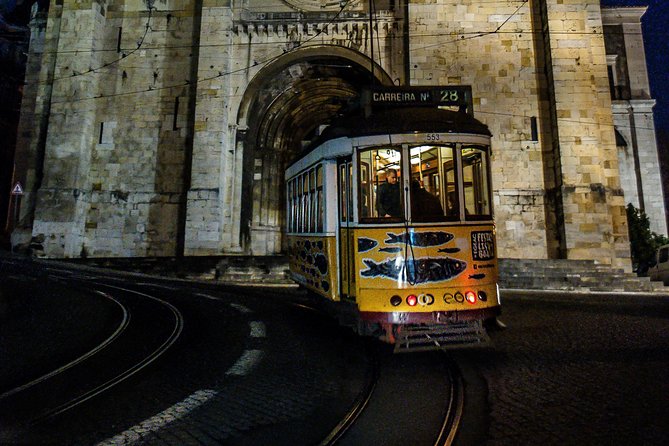
Lisbon is one of those cities where day pictures look nice, but night pictures can look better. You get contrast: dark rooftops, glowing street lamps, and moving light from trams and headlights. This tour is designed around that shift. You start with sunset viewing, then the route keeps you shooting as the city changes tone.
The real value is that you’re not just learning locations. You’re learning what to do at each one. The guide’s focus is on how to capture golden hour, blue hour, and night scenes, plus techniques like long exposures and light painting. Even if you’ve never tried those before, the pacing gives you chances to practice instead of rushing past viewpoints.
You can also read our reviews of more walking tours in Lisbon
The first stop: Senhora do Monte and the sunset-to-night transition
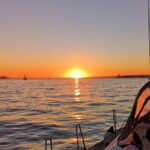
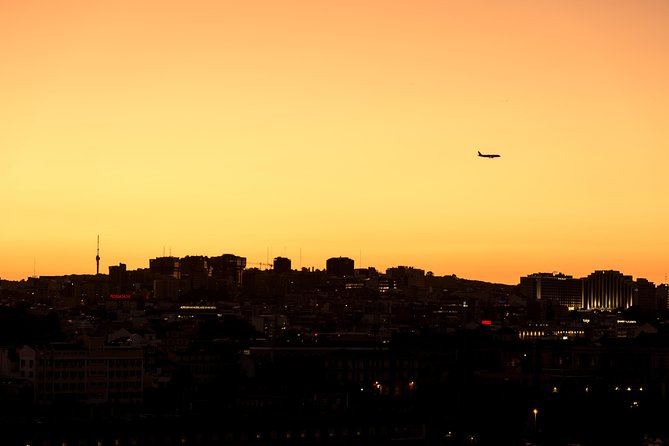
You begin at Rua da Senhora do Monte 50, right in the area where Lisbon’s viewpoints make sense. The first stop is Miradouro Da Senhora Do Monte, and the plan starts smart: you watch the sunset at a couple of top spots in the city, then continue shooting toward the river as it gets dark.
Why this works for your photos: sunset isn’t one moment—it’s a sequence. The sky can hold warm tones, then cool quickly as the city lights come alive. Standing here during that transition gives you an easy way to build a set of images with different moods without changing your location.
Timing is also your friend here. The stop is around 15 minutes. That’s short enough to keep you moving, but long enough to take multiple frames as the light evolves. If you like photographing color changes, this is a great start.
Possible drawback: if it’s rainy or foggy, viewpoints can lose detail fast. The good news is that the tour is set up for real night shooting, so you’re not starting from scratch once the sky is dark.
Miradouro da Graça at night: clean city views for blue-hour shots
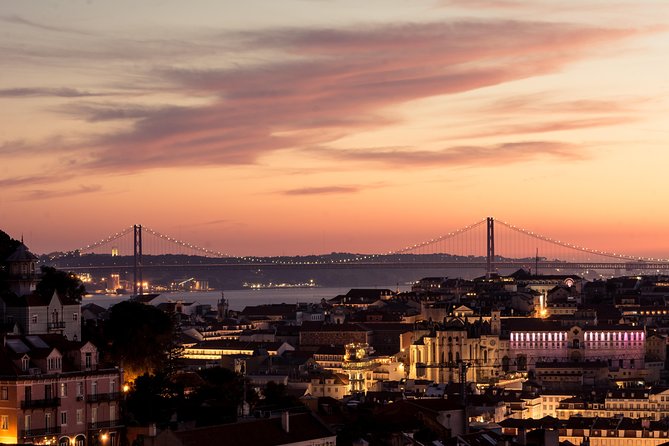
Next up is Miradouro da Graca (Sophia de Mello Breyner Andresen). This stop is built for city views once the light drops. Here you’re likely thinking about how to frame rooftops, streets, and the way distant lights spread out.
For photographers, Graça tends to be about composition more than special effects. You’ll be balancing darkness and glow, and you can use the cool blue tones that happen right after sunset. If you’re trying to get that classic blue-hour look, this is the kind of moment that makes or breaks the photo.
Also, this stop’s duration is about 15 minutes. That keeps the tour moving and helps you avoid the common problem of spending too long fiddling with settings while the sky disappears. You’ll get instruction, take shots, and then move on.
Portas do Sol: cobblestones, tram tracks, and moving light
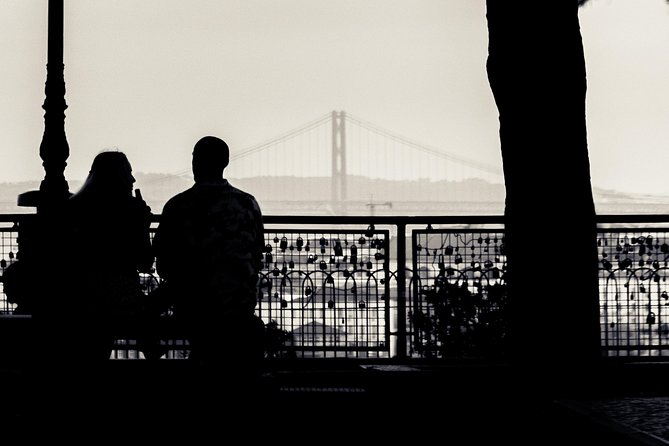
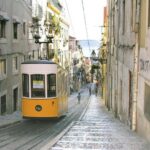
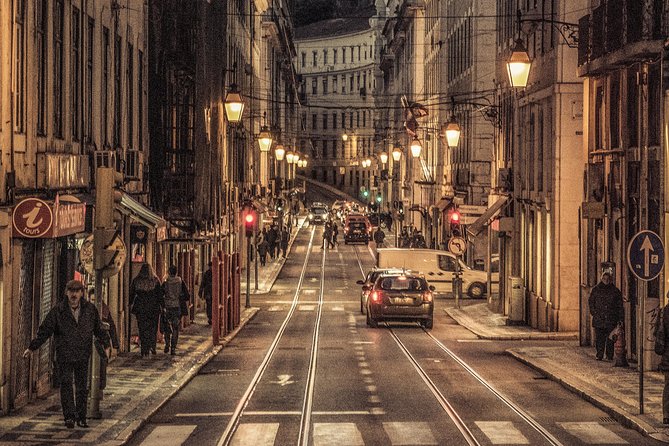
At Miradouro Das Portas Do Sol, you shift from distant city views to street-level energy. This is where cobblestone textures and tram tracks become your subject. The goal is to capture movement too—like vehicle headlights dragging into light trails.
This stop makes a lot of sense if you want more variety in your final set. A lot of night photo walks end up with the same wide view over and over. Portas do Sol helps you get closer to the details that make Lisbon feel like Lisbon.
A practical tip for this kind of shot: you’ll usually need longer exposure settings to turn headlights and tram motion into trails. Even without a tripod, you can still try, but you may want to steady your camera as best you can (against a wall, or with your elbows braced). The tour includes guidance on the right approach, so you’re not guessing alone.
One consideration: if traffic is limited at the moment you’re shooting, your light trails might look weaker. That’s not the guide’s fault—night streets are unpredictable. Still, this stop gives you a solid chance to try.
Lisbon Cathedral: long exposures and light painting with traffic
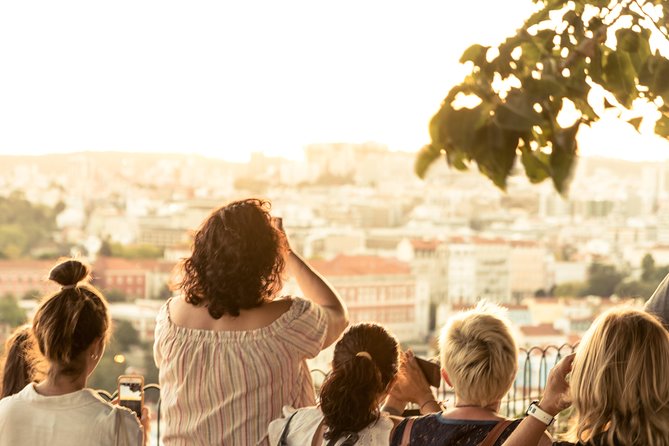
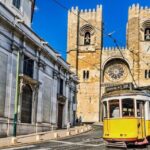
Then you head to Lisbon Cathedral. This is one of the places where night photography becomes more technique-driven. The plan here includes long exposures and light painting using vehicle headlights.
So what are you doing, basically? You’re letting the camera record the path of moving lights. With the right timing, headlights become readable strokes rather than random dots. Long exposure also helps you separate the static parts of the scene (stone, walls, architectural shapes) from the moving parts (cars, headlights, and whatever passes through frame).
This stop is only about 15 minutes, so you’re working quickly. That’s actually good. If you’ve never done light trails before, too much time can lead to wasted experimentation. You get a defined block to try, get help adjusting, then move to the next location.
You can also read our reviews of more evening experiences in Lisbon


Santa Maria Madalena and Rua da Conceição: trams and light trails to finish
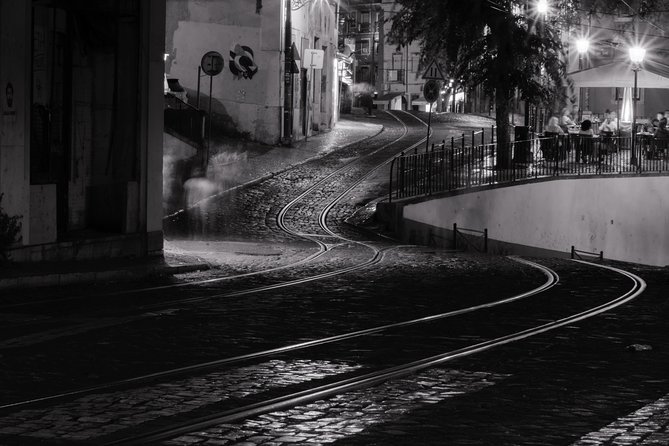
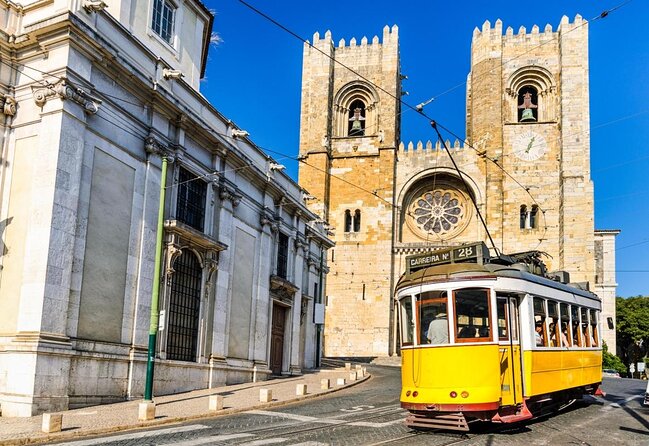
The tour ends at Igreja de Santa Maria Madalena (Church of Saint Mary Magdalene). Before you finish, there’s a chance to photograph Rua da Conceição, where trams and light trails come into play.
This closing setup is smart because trams add a distinctive Lisbon signature. Headlights, tram motion, and street lamps all blend into that layered night look. If your earlier shots were more about views from above, the final portion helps you finish with something more street-driven.
The ending point—Largo Madalena 1—is also a nice way to wrap up near a landmark church area, which gives you a clean sense of where the walk concludes.
Who this walk is best for (and who might want a different plan)
This is a good fit if you want three things:
- You care about night photography results, not just photo stops.
- You like learning practical techniques (golden hour, blue hour, long exposures, light painting).
- You’d rather have a plan than wander for two hours hoping you find the right light.
It’s also a strong choice if you’re going with a friend or small group that wants a focused activity. Since it’s private for your group, you can move at a comfortable pace and get attention from the guide.
If you already have a lot of experience and you’re very picky about gear, you might still enjoy it, but you should know the tour does not provide a tripod or any equipment. You’re bringing your own camera and using guidance to make your setup work.
The photographer guide: coaching that turns places into photos
The guide for this experience is Carlos Reveles, a professional photographer and guide with Photograph Lisbon. In a five-star experience, Carlos stood out not only for the shooting advice but also for mixing in history and context connected to the locations.
That matters more than you might think. When you understand what you’re looking at—why a spot is positioned, what the street layout is doing, how the area feels—you take better photos almost automatically. You’re composing with purpose instead of just capturing what’s in front of you.
There’s also an optional photo feedback moment during the tour. That’s useful because night photography is one of those areas where it’s easy to miss key details like exposure level or how much motion blur you’re actually getting. Quick feedback helps you fix the problem on the spot.
And one more thing: the tour runs with a real commitment to the experience. In one of the best-reviewed cases, Carlos kept the tour going when it rained and offered a reschedule opportunity for the next day. That kind of attitude is a big part of why people rate the walk so highly.
Timing, group size, and what the 2 hours really buys you
Two hours sounds short, but for night photography, it’s the right length. The best light doesn’t hang around. If you try to do this alone, you can easily waste time walking between viewpoints or arriving after the sky turns dull.
This tour’s timing is designed to squeeze value out of the window between sunset and full night. Each stop is about 15 minutes, so you’re constantly moving through new photo opportunities instead of stuck repeating one viewpoint.
The private setup for your group also helps. You’re not competing for space while you test settings. You can ask questions, get adjustments, and keep shooting.
Gear: what to bring for night shooting without getting stuck
The tour does not include a tripod or other photography equipment. So you’ll want to come ready to shoot with what you have. That can mean:
- A camera with manual or semi-manual controls, if you own one
- A smartphone with night mode and the ability to adjust exposure (if your phone supports it)
- Any stabilization you already have (a compact tripod you bring yourself is allowed, but it’s not provided)
Because the plan includes long exposures and light trails, you’ll get the most out of the technique if you can steady the camera. If you don’t have a tripod, plan to brace yourself and take multiple frames—tiny changes in your steadiness can change the look of light trails.
Also pack for real streets and night conditions. Even if the tour is about photography, you’ll be walking and standing, so comfortable shoes and a layer for cooler evening temperatures help.
Price and value: is $171.52 for 2 hours worth it?
At $171.52 per person, this isn’t the cheapest thing in Lisbon. But it’s also not random sightseeing.
You’re paying for three things:
- A planned route built around when the light is right
- A professional photographer guide, with technique coaching for golden hour, blue hour, and night shots
- A focused block of instruction plus optional feedback, so you improve in real time
If you’re the kind of traveler who likes photos but hates reading vague tips online, this is where you get value quickly. You don’t need to be a technical expert. The guide helps you use the conditions and the city’s lighting to get results.
If you’re already bringing your best night gear and you’re highly confident with long-exposure work, you may feel less “wow.” But even then, the sequence of viewpoints and the specific techniques (like light painting with headlights) can still sharpen your approach fast.
Quick practical checklist before you book
- You’ll want a camera or smartphone capable of night shots.
- Bring what you’ll use for stabilization, since no tripod is included.
- Plan for weather that can change quickly—this is a good reason to dress for it.
- Know that pickup/drop-off isn’t included, so you’ll meet at Rua da Senhora do Monte 50 and finish at Largo Madalena 1.
Should you book Lisbon by Night?
Book it if you want a guided night photography experience in Lisbon that’s built around real lighting moments and practical techniques. Carlos Reveles’s mix of shooting instruction and location context makes the walk feel more grounded than a simple viewpoint tour. The private setup is also a big plus if you hate photo-waiting games in crowded spots.
Skip it if you’re only looking for general sightseeing at night, or if you already know you won’t experiment with night settings like long exposures. Also think twice if you don’t have any way to steady your camera, since light trails and long-exposure effects are central to the plan.
FAQ
FAQ
How long is the Lisbon by Night: Golden and Blue Hour Photography Walk?
It’s about 2 hours.
What language is the tour offered in?
The tour is offered in English.
Is this tour private?
Yes. It’s private for your group.
Where does the tour start and where does it end?
It starts at Rua da Senhora do Monte 50, 1170-253 Lisboa, Portugal, and ends at Church of Saint Mary Magdalene, Largo Madalena 1, 1100-226 Lisboa, Portugal.
What photo styles and techniques will the guide help with?
The guide provides tips for capturing golden hour, blue hour, and night photography, including long exposures and light painting using vehicle headlights.
Is hotel pickup or drop-off included?
No. Hotel pickup and drop-off are not included.
What’s not included for photography gear?
A tripod or other photography equipment is not included.
What happens if the weather is poor?
This experience requires good weather. If it’s canceled due to poor weather, you’ll be offered a different date or a full refund.
Is there free cancellation?
Yes. You can cancel for a full refund up to 24 hours in advance of the experience start time.