REVIEW · HISTORICAL TOURS
Jewish Sephardic history in Lisbon
Book on Viator →Operated by TakingUThere · Bookable on Viator
Lisbon shows Sephardic history in plain sight. I love that this tour gets you inside Shaare Tikva Synagogue with tickets included, and I love how the guide turns street corners into a clear story of Jewish life in Lisbon. One thing to consider: this is still a walking tour, with lots of steps and narrow streets, so comfortable shoes matter.
You’ll start where Jewish life was officially rebuilt after centuries of pressure, then move through neighborhoods tied to Portuguese power, publishing, and persecution. The best part for most people is that you don’t have to stop, search, or pay extra just to understand what you’re seeing—you move with context.
If you want a short, focused half-day that connects Sephardic history to real places, this is a strong choice. Just go in knowing you’ll be reading the city more than seeing surviving Jewish monuments.
In This Review
- Key highlights at a glance
- Entering Shaare Tikva Synagogue, then seeing Lisbon through Sephardic eyes
- Shaare Tikva visit: tickets, line-skipping, and what the guide will help you notice
- Principe Real Park and Chiado: the city starts teaching you after you leave the synagogue
- Bertrand bookstore in Chiado: Pedro Faure’s 1732 shop as a cultural clue
- Praça do Comércio and Rossio: Portugal’s turning points written into public spaces
- São Domingo Church and the 1506 Lisbon massacre: a painful lesson you can’t skip
- Pacing, walking distance, and why shoes matter more than you think
- Price ($84.10) and what makes it feel like value, not just a ticket
- Who should book this Sephardic Lisbon tour (and who should skip it)
- Should you book Jewish Sephardic history in Lisbon?
- FAQ
- Which days can I visit Shaare Tikva Synagogue inside?
- Is the synagogue ticket included in the tour price?
- How long is the tour?
- Where does the tour start and end?
- Is lunch included?
- What should I know about dress code?
- Do I need to provide passport details?
Key highlights at a glance
- Inside Shaare Tikva: the first synagogue built in Portugal since the late 15th century, with admission handled
- Small group pace: maximum 8 travelers, so you can ask questions without yelling over a crowd
- A guide who connects names to streets: Paulo Levy is repeatedly praised for passion and personal connection
- Bertrand bookstore stop: Pedro Faure founded it in 1732, a useful bridge to Lisbon’s cultural thread
- Rossio Square context: you’ll connect the theater founded in 1842 to earlier Inquisition headquarters
- 1506 massacre memorial stop: the São Domingos area helps explain what happened to New Christians
Entering Shaare Tikva Synagogue, then seeing Lisbon through Sephardic eyes
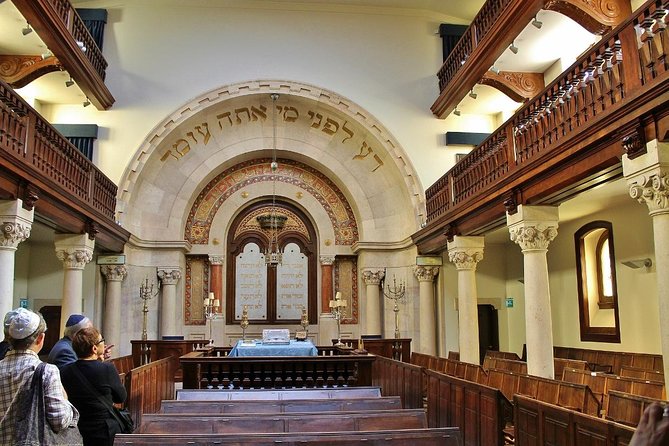
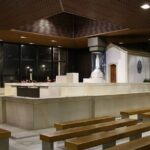
This tour’s best opening move is simple: it starts at Shaare Tikva Synagogue. You’re not just looking at an exterior. You’re stepping into a living place of worship that represents a turning point for Jewish life in Portugal, after long centuries of displacement and forced change.
Shaare Tikva is described as the first synagogue built in Portugal since the late 15th century. That fact alone gives you a sense of why Lisbon’s Sephardic story feels both historical and personal: Jewish presence in Portugal is old, but the visible public structures had to wait.
Before you go inside, remember the practical stuff. There’s a dress code: no uncovered shoulders and no shorts or mini-skirts. Also, you can only visit inside on Tuesdays and Thursdays. If your dates fall on other days, you’ll still get the walking portion, but you won’t get the inside synagogue experience—so plan accordingly.
You can also read our reviews of more historical tours in Lisbon


Shaare Tikva visit: tickets, line-skipping, and what the guide will help you notice
The synagogue stop runs about 45 minutes, and admission is included. The tour also advertises skip-the-line access, which matters here because you’re trying to fit history into a half-day schedule, not spend your time buffering at a ticket counter.
Once you’re inside, the value shifts from architecture to meaning. A synagogue in a city like Lisbon isn’t just a building. It’s a signal. It tells you that Jewish identity was able to return to public life, even if it had to come back in a different shape than before.
In the best moments of tours like this, a guide points out what your eyes would otherwise miss. Some guides (including a staff member at the synagogue during at least one tour experience) explain how the synagogue relates to the modern community, not only the past. On top of that, guides like Paulo Levy are praised for connecting the dots between Jewish experience and broader Portuguese culture.
One more detail I’d keep in mind: your time inside is limited. That’s why the tour is structured to front-load the most important site early, then carry the story outward into Lisbon’s streets.
Principe Real Park and Chiado: the city starts teaching you after you leave the synagogue
After Shaare Tikva, you walk toward Principe Real, passing through Principe Real Park and then down into Chiado. This section works well as a “reset” zone. You go from a closed sacred space into open streets, where your guide can place history back into everyday geography.
Principe Real and the park segment takes about 30 minutes, and it has no ticket cost. That’s a nice change of pace because the walk itself becomes part of the education. Lisbon’s hills and views aren’t just scenery here; they shape how neighborhoods connect and how people would move through the city.
Chiado is where the tour connects culture to community. Instead of treating Jewish history like a museum topic, you’re shown how names and places traveled alongside ideas, books, and people.
Bertrand bookstore in Chiado: Pedro Faure’s 1732 shop as a cultural clue
In Chiado, you get a stop at Bertrand, the historic bookstore founded by Pedro Faure in 1732. The tour frames it as the oldest bookstore in the world, which is the kind of claim you should treat as a strong marketing statement—but it’s still useful. It signals longevity: Lisbon’s cultural life didn’t vanish; it kept evolving in the same spaces where Jewish stories were unfolding.
This is a 30-minute stop and includes admission. Even if you don’t care about buying a book, the real point is context. You’re using a place that survived centuries to understand how ideas circulated. When a guide connects that to Jewish life in Lisbon, it helps you see Jewish history as part of Portuguese culture rather than a side chapter.
If you like literature and intellectual history, this is one of the more memorable segments. It also helps break up the walking rhythm, since bookstores tend to encourage you to slow down and look around.
Praça do Comércio and Rossio: Portugal’s turning points written into public spaces
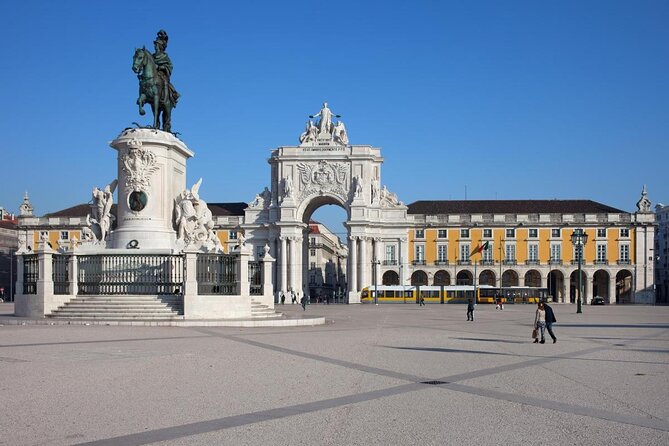
Next comes the Baixa neighborhood and Terreiro do Paço, now commonly known as Praca do Comercio. This stop takes about 30 minutes and is free for admission. It’s one of those Lisbon squares where the scale gives you perspective fast. Public squares like this became stages for power—so it makes sense to use it as a checkpoint in a tour about Inquisition-era pressure.
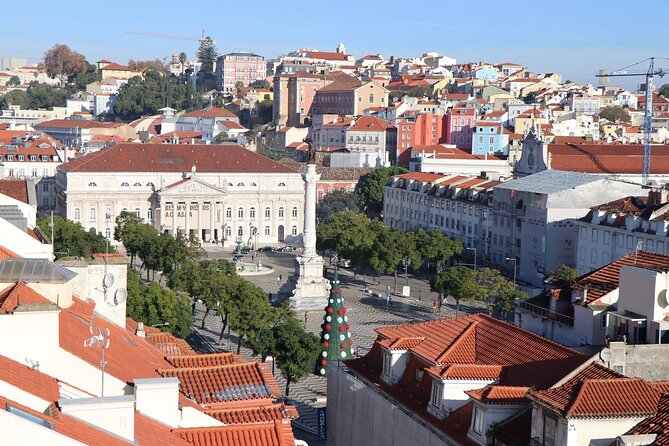
From there, the route moves toward Rossio Square and the Praca Dom Pedro IV area. The centerpiece is the Column of Pedro IV, known as the Soldier King. At the base are four female figures representing qualities: Justice, Wisdom, Strength, and Moderation. That detail matters because it shows how rulers built moral messaging into monuments.
The tour also links Rossio and nearby space to the Inquisition. It notes that the D. Maria II National Theatre was founded in 1842, replacing the Estaust Palace, which served as headquarters for the Portuguese Inquisition since the mid-fifteenth century. In other words, the city reused its power infrastructure, just under a new cultural label.
The stop at D. Maria II National Theatre is listed as about 1 hour, and admission is free on this portion. Still, don’t treat it like a casual photo break. This is where a guide’s storytelling keeps you from seeing a building as just a building.



São Domingo Church and the 1506 Lisbon massacre: a painful lesson you can’t skip
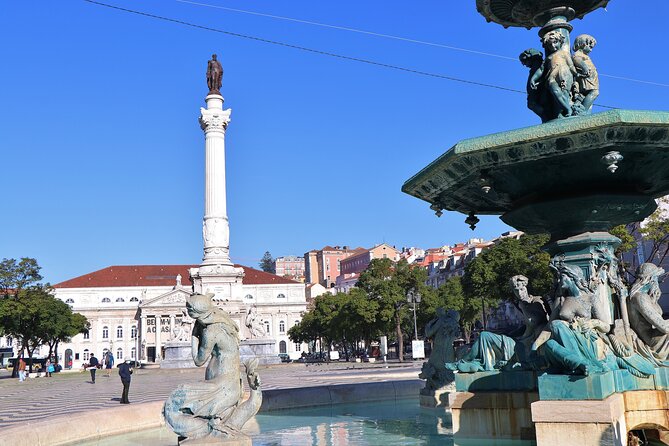
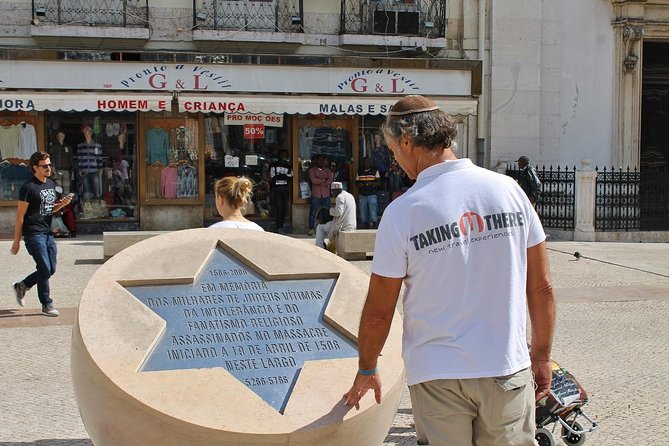
One of the hardest stops comes near Igreja de S Domingos. The tour also includes context for the April 19, 1506 Lisbon Massacre, where more than 3,000 New Christians were murdered in the streets, with help stopping the violence from the Kings Royal Army. The tour frames the church area as the epicenter, which is exactly why this stop lands emotionally.
This segment is around 30 minutes and has no ticket charge. It’s also a moment where you should give yourself mental room. The city can look beautiful and normal—even peaceful—while history nearby was brutal.
If you’ve visited Portugal only for viewpoints and pastries, this stop can feel like a sudden tonal shift. That’s not a downside of the tour. It’s the point. Jewish Sephardic history in Lisbon isn’t just about survival. It’s also about how identity was targeted, renamed, and punished.
Pacing, walking distance, and why shoes matter more than you think
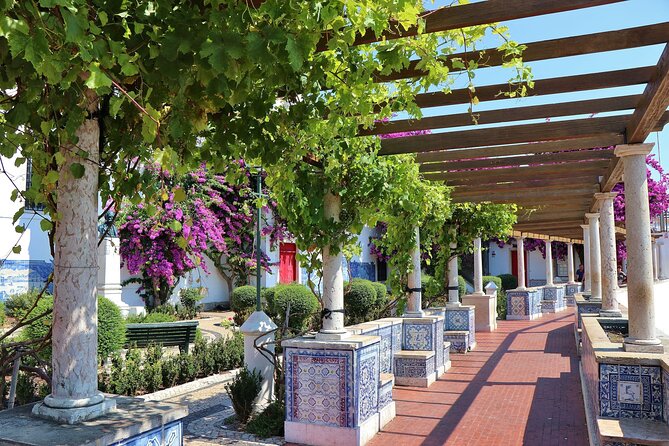
This is a 4-hour tour with a group size capped at 8 travelers. The pacing is generally manageable, but it’s still a lot of movement across Lisbon’s older streets. The tour highlights a moderate physical fitness level, and the reality is steep sidewalks, steps, and narrow lanes.
A few review-style notes line up with what I’d tell you to do: plan for real walking time, not casual sightseeing. If your knees complain on hills, take it slower. If you can, wear shoes with grip. Lisbon can be slippery when it’s wet, and you’ll want stable footing in steps and cobblestones.
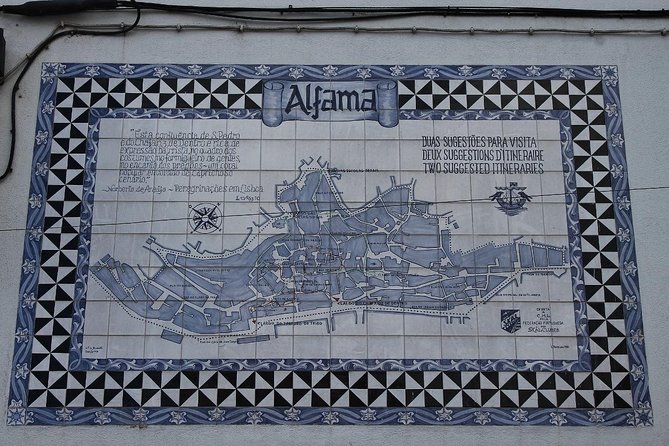
Another practical detail: the ending point can vary. It’s listed as ending in Old Town near Alfama, but it may not be exactly Alfama. The tour adjusts based on curiosity, physical capabilities, and weather conditions.
One last timing thing to watch: the tour can run differently depending on what happens at the synagogue that day. On some days, that means your sunset timing might shift, and the guide may keep you focused to make sure you still see the planned stops.
Price ($84.10) and what makes it feel like value, not just a ticket
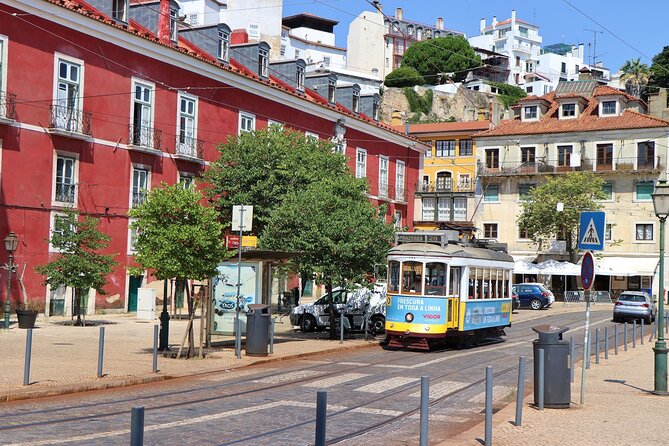
At $84.10 per person for about 4 hours, the question isn’t only what you pay. It’s what you avoid.
Here, the big value comes from structure:
- Synagogue admission is included
- Entrance fees are handled across the key paid stops
- Skip-the-ticket-line access is part of the package
- It’s a small group experience with a professional guide
That combination matters because Lisbon has lots of “free view” options. But you’re paying here for the sites where access costs time and money. If you tried to DIY it, you’d spend time matching opening hours, figuring out ticketing, and then realizing you’re late for the synagogue visit. This tour does the coordination work for you.
Also, group size is capped at 8, and it’s offered in English with a mobile ticket. Those aren’t just administrative notes. They usually translate into smoother check-ins and fewer waits.
If you’re traveling on a tighter budget, this is one of those half-day splurges that can still feel fair because it replaces several small hassles with one guided route.
Who should book this Sephardic Lisbon tour (and who should skip it)
Book it if you want:
- a guided story of Jews in Portugal, especially Lisbon
- an inside synagogue visit on the correct days
- a route that links Jewish history to Portuguese politics and culture, not only religious sites
- a guide who explains, not just walks
This also fits well for first-time Lisbon visitors who want context fast. You’ll leave with a mental map of how places connect: synagogue, neighborhoods, public squares, and the sites tied to persecution.
Skip it if:
- you want a tour where you’ll see many surviving Jewish buildings and physical remnants. Lisbon’s older Jewish symbols weren’t preserved in large numbers, and you’ll be relying on interpretation and context.
- you struggle with a lot of walking and steps. This is not a sit-and-ride experience.
Should you book Jewish Sephardic history in Lisbon?
Yes—if your schedule matches Tuesday or Thursday so you can go inside Shaare Tikva, and if you’re comfortable with a guided walking pace. The price feels reasonable when you factor in admission included and line-skipping, plus the payoff of having someone connect history to the exact places you’re standing.
If you’re unsure, do this simple check: bring curiosity and wear good shoes. This tour is best when you’re ready to read Lisbon like a text—guided, but still yours to notice.
If you want, tell me what day you’ll be in Lisbon and your walking comfort level. I can help you decide whether it’s a good match for your dates.
FAQ
Which days can I visit Shaare Tikva Synagogue inside?
You’re only able to visit the inside of the synagogue on Tuesdays and Thursdays.
Is the synagogue ticket included in the tour price?
Yes. Admission Ticket Included for Shaare Tikva Synagogue is part of the tour.
How long is the tour?
The duration is about 4 hours.
Where does the tour start and end?
It starts at Shaare Tikvah Synagogue, R. Alexandre Herculano 59, 1250-010 Lisboa. It ends in Old Town, possibly near Alfama, but the exact end point may vary.
Is lunch included?
No. Lunch is not included (only what’s mentioned in the program).
What should I know about dress code?
You’ll need to follow a dress code: no uncovered shoulders, shorts, or mini-skirts.
Do I need to provide passport details?
Yes. You’ll need passport details (name, number, expiry, and country) at the time of booking for security reasons.