REVIEW · HISTORICAL TOURS
History-mistery of Lisbon (secrets societies and black arts)
Book on Viator →Operated by Walking Tours - RagnarokTour.com · Bookable on Viator
Lisbon’s symbols tell darker stories than you expect. This tour keeps you moving through the city’s most scenic corners while tying together myths, stonework clues, and the idea of secret societies—from Knights Templar and Freemason symbols to political and cultural legends. I especially like the way it connects big names and landmarks to smaller details you’d normally walk past, and I love that the guide, Slava, is genuinely engaged and answers questions as you go. One thing to keep in mind: it’s a nighttime walk with hills, so comfortable shoes matter more than you might expect.
You’ll spend about 2 to 3 hours following a tight route that starts near Avenida da Liberdade and finishes in Praça Dom Pedro IV. Each stop is designed to reset your focus—architecture, heraldry, water systems, and monuments—so the “mystery” theme doesn’t float in the abstract. Admission is free at the listed stops, which makes the $44.58 per person feel more like paying for the storytelling and guidance than for entry tickets.
If you’re tired of tours that race from photo spot to photo spot, this one is a better fit. Slava paces with stops and time to look up close, and the group format stays relaxed. Just don’t treat Lisbon’s hills casually—this is Lisbon, not flat Kansas—so plan for some uphill walking even with frequent pauses.
In This Review
- Key highlights you’ll actually feel on the street
- Lisbon’s secret-society angle: what you’re really buying
- From Av. da Liberdade to Praça Dom Pedro IV: the pacing and hill reality
- Alfredo Keil Garden: starting with who lived there before Portugal
- Jardim do Príncipe Real: aqueduct history and underground water mysteries
- Chafariz da Rua do Século: Marques de Pombal’s doorway and symbolic power
- Bairro Alto lodge and Miradouro São Pedro de Alcântara: signs you can see
- Rossio Station and Praca Dom Pedro IV: from Manueline style to Rio connections
- Largo do Carmo: ruins, the 1975 revolution museum, and political parallels
- Price and logistics: how $44.58 per person holds up
- Who should book this tour, and who might skip it
- Should you book History-mistery of Lisbon?
- FAQ
- How long is the tour?
- Where does the tour start and end?
- What time does it begin?
- Is the tour in English?
- Is it a private tour?
- What happens if the weather is bad or a minimum group size isn’t met?
Key highlights you’ll actually feel on the street
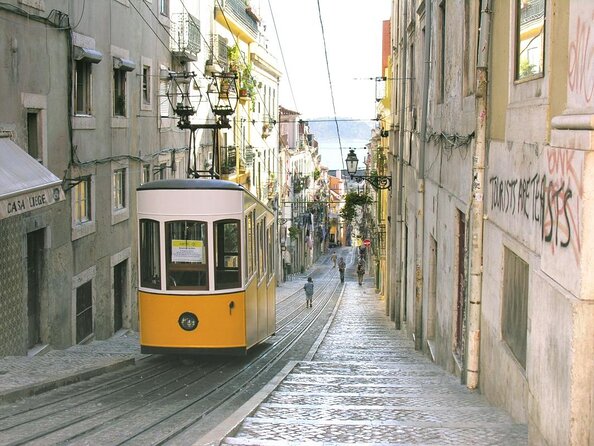
- Ceiba-tree storytelling at Alfredo Keil Garden, starting with who lived there before Portugal became Portugal
- Príncipe Real’s water mysteries, including how aqueduct history ties into underground passage and reservoir ideas
- Masonic and Freemason symbolism in Bairro Alto, anchored by a lodge stop instead of vague references
- Miradouro São Pedro de Alcântara viewpoints with coat-of-arms myths, so the legend has a skyline
- Manueline-style Rossio Station as a launching point for Sintra talk, tied to power and land ownership stories
- Largo do Carmo’s monastery ruins plus the 1975 revolution museum, where politics and memory overlap
Lisbon’s secret-society angle: what you’re really buying
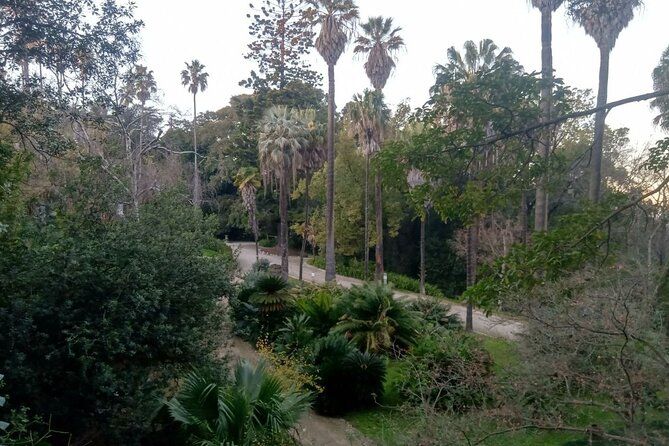
This experience is built on a specific kind of curiosity: the belief that Lisbon’s streets, buildings, and icons aren’t neutral. Instead, they’re treated like a coded map—where symbols might connect to organizations (like Knights Templar and Freemasons), to real historical figures, and to the legends people repeat about power.
That doesn’t mean everything is presented as a simple fact. The best part is that you’re encouraged to think, compare, and notice patterns: masonry marks, heraldic details, and the way certain sites cluster around influence. It’s more like learning how to read Lisbon than memorizing a timeline.
I like that the tour doesn’t stay trapped in one topic. The theme is consistent, but the route lets you triangulate ideas through different lenses—religion, water engineering, politics, and monarchy. If you enjoy history as a puzzle (with plenty of room for debate), you’ll have a fun time.
Slava’s role matters here. Multiple people have praised him for being warm and personable, not just reciting facts. The practical upside is simple: you can ask questions, and the answers help you connect what you’re seeing to the bigger threads of the story.
You can also read our reviews of more historical tours in Lisbon
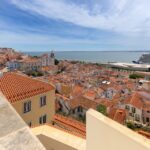


From Av. da Liberdade to Praça Dom Pedro IV: the pacing and hill reality
The tour starts at 6:00 pm at Av. da Liberdade 89 and ends at Praça Dom Pedro IV 72. It runs roughly 2 to 3 hours, and it’s offered in English.
Because it’s a walking tour in central Lisbon, hills are part of the deal. You’ll climb in small chunks between stops, but the route is set up so you’re not constantly in “effort mode.” Expect pauses built into the itinerary, and if you want more or less detail as you go, the guide can adjust the pace of the conversation.
You also get real comfort from the group setup: it’s described as a private tour/activity, meaning only your group participates. That’s a big deal if you hate being packed into a large herd or if your questions don’t fit neatly into a scripted pace.
One more practical note: the meeting area is near public transport. So if you’re basing yourself in the older center or coming in from farther out, you can usually get there without a major detour.
Alfredo Keil Garden: starting with who lived there before Portugal
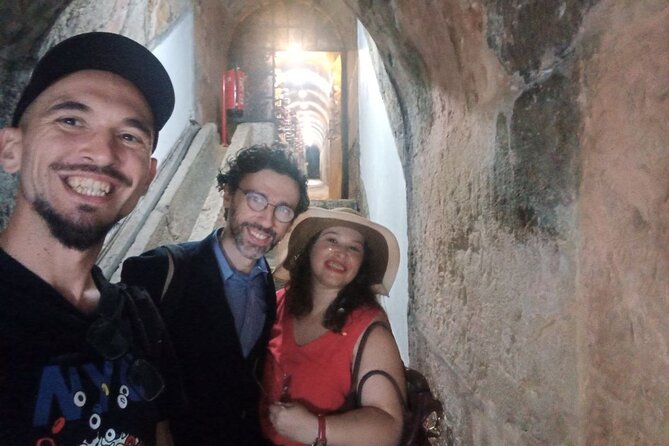
The story begins at Alfredo Keil Garden, under impressive ceiba trees. That opening matters because it changes your mindset. Before you talk about Portugal’s institutions, you first get pulled toward the deeper question: what came before the modern boundaries and beliefs?
This stop is short—about 20 minutes—but it’s paced like a proper “root” chapter. You’re invited to think about earlier inhabitants and what they may have believed. Even if you don’t walk away with a single neat conclusion, you’ll leave with a better sense of why people in Lisbon love tracing origins. The garden is a quiet start, and it sets the tone for the tour’s central habit: look for what’s implied, not just what’s written.
Since the garden admission is listed as free, you’re not juggling ticket problems mid-story. You can focus on observing the setting and listening.
Jardim do Príncipe Real: aqueduct history and underground water mysteries
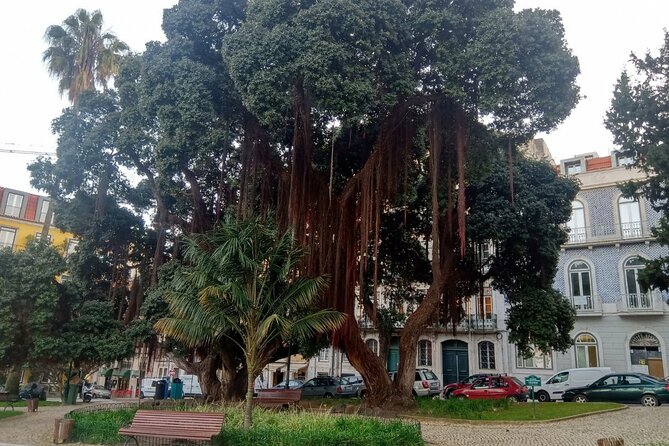
Next up is Jardim do Príncipe Real, an English-style garden with a standout old cedar and hints of an underground reservoir system. This is where the tour gets more hands-on in a “how did this city work?” way.
You’ll hear about the Aqueduct of Lisbon—including its deep connection to the period before the 1755 earthquake—and you’ll also be guided toward the idea of underground passageways. The point isn’t that you’ll be walking through secret tunnels (you’re not). It’s that the city’s water and survival systems help explain why people later wanted to believe in hidden networks.
This stop also lasts about 20 minutes and is free to enter. The practical benefit: you can slow down here without feeling like you paid for a ticketed museum detour.
If you like urban history—how cities keep themselves alive—you’ll appreciate this part. It gives the “mystery” theme physical roots: water, infrastructure, and the stubborn engineering that outlived catastrophic change.
Chafariz da Rua do Século: Marques de Pombal’s doorway and symbolic power
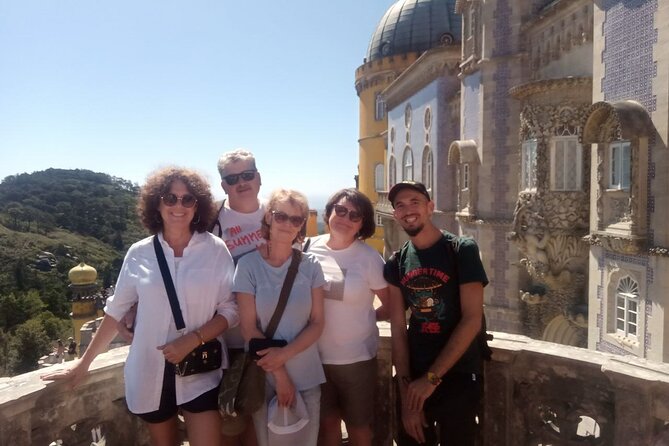
At Chafariz da Rua do Século, you’ll stand in front of a house where Marques de Pombal was born—then shift into the tour’s darker storytelling lane: what secret societies might have meant, and how influential figures can tie myths to real political momentum.
You’ll hear discussion of how secret groups are connected in legend to indigenous tribes, and you’ll also explore the role of this particular figure in shaping Portugal’s modern trajectory and even influence across Portugal and South America.
This stop is shorter—about 15 minutes—but it feels like a pivot. One moment you’re in a garden with water logic; the next, you’re in a street scene where power gets personified. It’s also the kind of stop that rewards looking up at facades and details you’d usually skip.
Expect a lot of ideas and symbols here, framed as questions and connections rather than courtroom-style proof. If that’s your kind of learning, you’ll love it. If you prefer only documented facts, it may feel like more interpretation than you expected.

Bairro Alto lodge and Miradouro São Pedro de Alcântara: signs you can see
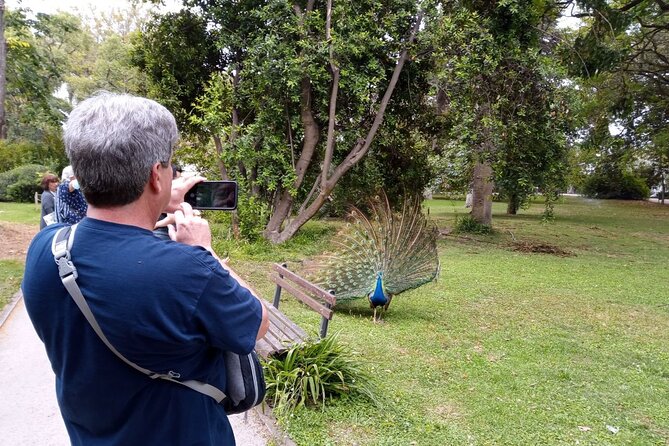
Then comes Bairro Alto, famous for bars on the surface, but treated here as something more layered. The tour pauses near a Masonic Lodge, focusing on Masonic influence across Portugal past and present.
This is an important stop for theme coherence. Instead of throwing around the terms Knights Templar and Freemasons like trivia, you’re shown a specific place where symbols belong to real-world architecture and institutions. It makes the story feel grounded in geography.
You’ll spend about 15 minutes here, then move to Miradouro São Pedro de Alcântara, a viewpoint timed for impact. From here you get a special look over central Lisbon, including Avenida da Liberdade and Restoration Square. You’ll also hear talk of the coat of arms of Lisbon and related foundation myths.
This stop is about 10 minutes, which is just enough time to take a breath, orient yourself, and connect legend to skyline. In Lisbon, a view is never just a view. It’s the stage where myths and politics played out. This part of the tour makes you feel that.
Rossio Station and Praca Dom Pedro IV: from Manueline style to Rio connections
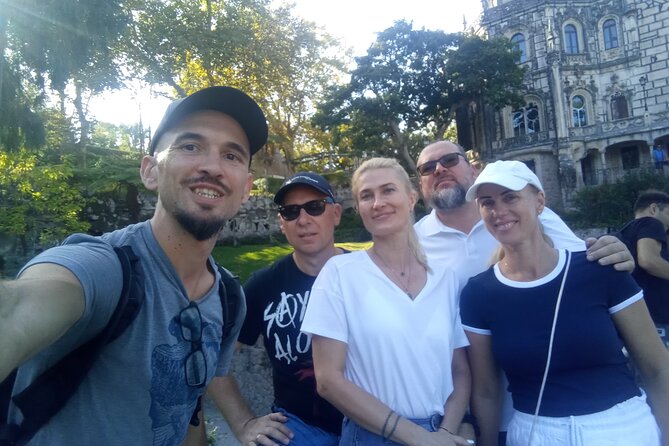
At Estação do Rossio, you’ll see a Manueline-style station—a real architectural treat—then get a story angle that links Lisbon to places many people only know as day trips.
The tour uses Rossio as a conversational jump-off point for Sintra, including the claim that famous people from different countries somehow wanted a bit of land. That’s a fun, slightly cheeky way to introduce how prestige spreads through land ownership and influence.
This stop takes about 10 minutes and is free to enter. The practical side is that you’re not trapped in a long station detour. You get a quick hit of style, then your guide steers the story back to power.
Then you’ll reach Praca Dom Pedro IV, spending around 15 minutes. The focus here is on stories of buildings around the southern part of the square, plus a close look at a “psychological picture” of the royal family in the era of Dom Pedro IV. The tour also connects these Portuguese roots to Rio de Janeiro, tying Lisbon’s royal imagination to the Portuguese-speaking Atlantic world.
This is where the tour stops feeling like it’s only about secret symbols. It becomes a story about how empires remember themselves—through monuments, squares, and the way names travel.
Largo do Carmo: ruins, the 1975 revolution museum, and political parallels
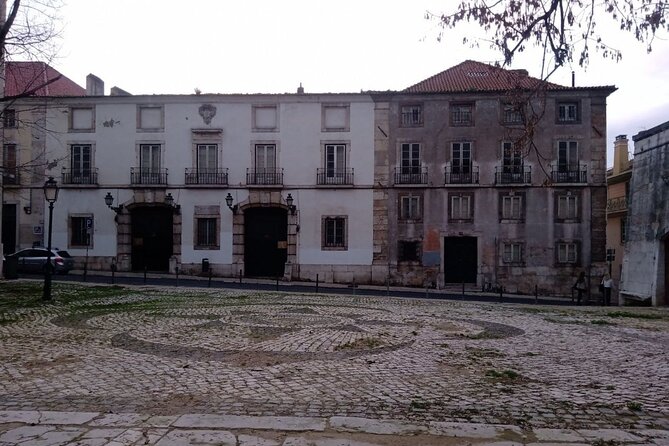
Finally, you land at Largo do Carmo, a square centered on the ruins of the Carmo monastery. Now it’s a museum area, and the site also connects to the National Guard, including a 1975 revolution museum.
This stop lasts about 15 minutes and is one of the most emotionally resonant parts of the walk. The tour invites you to question what the 1975 transition really was—romantic revolution versus coup—and then pulls an uncomfortable parallel: similarities between Salazar’s Portugal and life associated with the Soviet Union.
That’s a big jump in themes for a short stop, but it works because Lisbon loves layers. A ruin can be both architecture and argument. A museum can be both memory and politics.
Even if you don’t fully agree with any one comparison, you’ll leave with a clearer sense of how narratives get shaped after upheaval—and how quickly societies package trauma into something people can repeat.
Price and logistics: how $44.58 per person holds up
At $44.58 per person for roughly 2 to 3 hours, this tour is priced like a storytelling experience more than a ticketed attraction. The listed stops show free admission, so you’re not paying repeatedly to enter places.
That means your money goes into three things: a focused route, a guide who ties locations into a single theme, and time-efficient sightseeing that keeps you from wandering aimlessly in the hills. The tour is also described as private (only your group), which usually makes the cost feel more reasonable—especially if you’re traveling with friends or family who will ask questions.
You’ll also see notes about group discounts, and that can turn this into a great value when you’re not traveling solo.
The main logistics consideration is timing. This starts at 6:00 pm, so dress for evening walking and plan for the fact that Lisbon’s center has hills. If you’re the type who enjoys slow looking, you’ll likely appreciate the pace more than someone who wants constant motion.
Who should book this tour, and who might skip it
Book this if you like:
- Lisbon as a puzzle of symbols, not just a set of postcard sights
- Freemason and Knights Templar references framed through visible places
- Architecture and urban systems, especially water-related stories
- A guide who chats with you and answers questions in a warm way
Consider skipping if you:
- Want a strictly documentary history with no legends, no interpretation, and no symbolic reading
- Struggle with hills and evening walking
It’s a strong fit for couples, history-minded solo travelers, and small groups who want something different from the standard Lisbon checklist.
Should you book History-mistery of Lisbon?
Yes—if you’re curious about how Lisbon’s streets can be read like a coded story. I think this tour works because it doesn’t just name concepts; it walks you to places where those ideas can live in stone, water, and monuments. With Slava’s engaging, question-friendly style, you’re not stuck swallowing someone else’s script.
If you prefer factual certainty only, you might find the secret-society angle more speculative than you want. But if you’re the type who enjoys comparing symbols, stories, and political memory in real locations, this is a genuinely fun way to see Lisbon after typical daytime sightseeing fades.
FAQ
How long is the tour?
It lasts about 2 to 3 hours walking.
Where does the tour start and end?
It starts at Av. da Liberdade 89, 1250-096 Lisboa, Portugal and ends at Praça Dom Pedro IV 72, 1100-202 Lisboa, Portugal.
What time does it begin?
The tour starts at 6:00 pm.
Is the tour in English?
Yes, it’s offered in English.
Is it a private tour?
It’s described as a private tour/activity, with only your group participating.
What happens if the weather is bad or a minimum group size isn’t met?
The experience requires good weather. If it’s canceled due to poor weather, you’ll be offered a different date or a full refund. If the minimum number of travelers isn’t met, you’ll also get a different date/experience or a full refund.