REVIEW · MARKETS
From Lisbon: Traditional Market, Mafra, Ericeira & Crafts
Book on Viator →Operated by Desirable Portugal · Bookable on Viator
Markets, palaces, and sea air in one day. I really like the Malveira Farmers Market for its straight-up local shopping vibe, and I also like that the tour lets you ask your guide anything as you go. One thing to plan for: lunch isn’t included, so you’ll want to budget for food once you reach Ericeira.
This route takes you north from Lisbon for about 8 hours, with an air-conditioned van and onboard Wi‑Fi so you can map the rest of your trip while you’re traveling. It’s a private setup, so the pace feels flexible and questions don’t get lost in a crowd.
If the weather turns, it can affect comfort—coastal air near Ericeira and the Serra do Socorro area can feel cold fast. In one standout example, the guide Leonel was specifically noted for taking extra care when it was rainy and chilly.
In This Review
- Key things to love about this Lisbon-to-coast itinerary
- Setting off from Lisbon with a guide you can actually question
- Malveira Farmers Market: a locals-first Thursday morning
- Mafra National Palace: big Baroque and a library you can’t ignore
- Aldeia Museu José Franco: watching crafts become souvenirs
- Ericeira: surf-town charm, seafood choices, and time for a proper break
- Torres Vedras windmills: still turning, still grinding
- Serra do Socorro: mountain views and Napoleonic-era meaning
- Price and value: what you’re really paying for
- Who this tour suits best (and who should look elsewhere)
- Should you book this Lisbon day trip?
- FAQ
- What is the duration of the tour?
- Is pickup from Lisbon included?
- What time does the tour start?
- Is the tour private?
- What language is the tour offered in?
- Is lunch included?
- Are there tickets or admissions included?
Key things to love about this Lisbon-to-coast itinerary
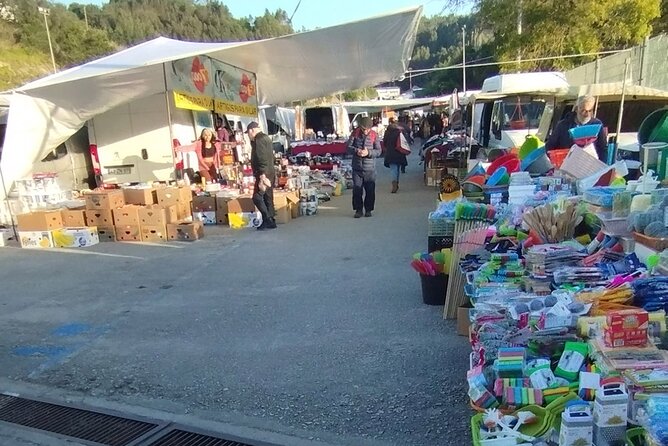
- Malveira on Thursdays: a major, long-running farmers market with everyday items locals actually buy
- Mafra’s huge palace-library: Baroque splendor plus a library with 36,000+ volumes
- Aldeia José Franco craft village: pottery, weaving, and woodcarving with shops and demonstrations
- Ericeira as a World Surf Reserve: historic center feel, beaches nearby, and fresh seafood options
- Torres Vedras windmill stop: see one of the last windmills still used for grinding grain
- Serra do Socorro views + history: great photo angles and Napoleonic-era connections
Setting off from Lisbon with a guide you can actually question
Your day starts in central Lisbon, at Av. da Liberdade 18A, with a pickup-style option depending on where you’re staying. If your location has restricted access, you’ll be given a nearby meeting point. The tour runs in English, starts at 8:00am, and returns to the same meeting point.
What makes this format useful is the mix of fixed stops and human guidance. You don’t just get a checklist; you get a real person to help you understand what you’re seeing—especially at Mafra, the craft village, and the windmill area. And since it’s private, you can ask follow-up questions without juggling your place in a line.
The van also matters more than you might think. This is a lot of ground covered in one day, and the air-conditioning plus onboard Wi‑Fi turns transit time into usable time. You can refresh your plans, look up dinner ideas for later, or check what time you want to visit a viewpoint back in Lisbon.
You can also read our reviews of more shopping tours in Lisbon



Malveira Farmers Market: a locals-first Thursday morning
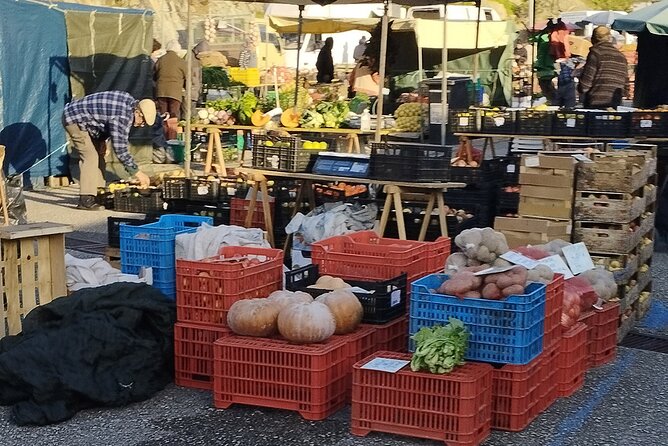
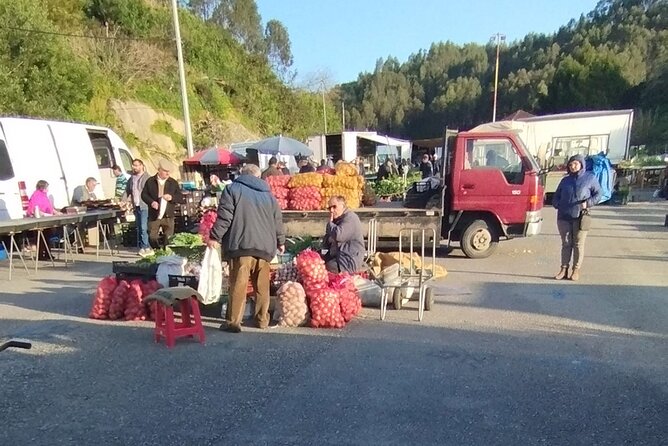
The day’s first stop is Malveira Farmers Market (Mercado da Malveira), one of the largest and oldest farmers markets in Portugal. It runs on Thursday, and that timing is a big deal if your trip lines up. This isn’t a staged tourist market. It’s where locals go for the kind of daily-life shopping that keeps rural and suburban Portugal running.
You’ll have about 2 hours 15 minutes, which is a sweet spot. Long enough to wander, compare, and pick up items you’d actually use later, but not so long that you feel stuck.
What to expect inside:
- Fresh produce and meats
- Flowers and other local products
- Practical browsing for things like clothes, shoes, and everyday goods
- A good chance to buy souvenirs that feel Portuguese rather than mass-produced
Why this stop is so valuable: markets like this are where you learn what people eat and wear and buy during the week. Even if you don’t plan to bring food home, you’ll leave with ideas—snack ideas, cooking ideas, and gift ideas that are easier to explain to friends than another bottle of olive oil.
Possible drawback: it’s a lot of sensory input early in the day. Wear comfortable shoes and bring a plan for how you’ll carry purchases back to the van and onward.
Mafra National Palace: big Baroque and a library you can’t ignore
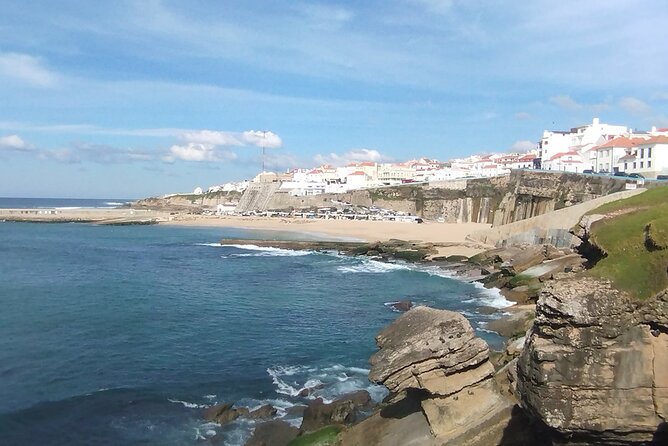
Next up is Mafra, known for the Mafra National Palace, built in the 18th century as a Baroque palace and monastery. It’s famous partly because it’s enormous—one of the largest in Europe—and partly because of its incredible collection of books.
You’ll have about 45 minutes here, and that’s enough to get the main wow-factor if you move with purpose:
- You’ll see the palace setting
- You can focus on the library, which houses over 36,000 volumes
- You’ll also get time to connect Mafra to local tastes, since it’s known for sweets like pastéis de feijão (small cakes made with beans and sugar)
One more practical point: this is one of those places where it helps to have a guide explain what you’re looking at. Even if you only spend part of your time on the library, you’ll come away with a clearer sense of why this site mattered.
Possible drawback: with only 45 minutes, you can’t do everything slowly. If you’re the type who wants extended time in one room, prioritize what matters most to you—palace grandeur or library scale.
Aldeia Museu José Franco: watching crafts become souvenirs
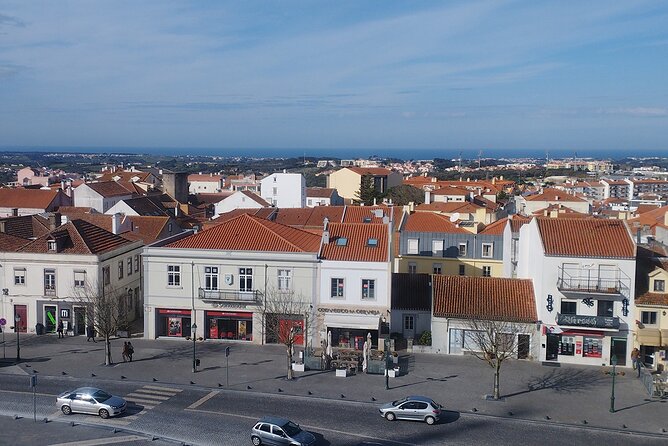
After Mafra, the tour heads to Aldeia José Franco, a small traditional village in the Mafra municipality that was created by the artist José Franco in the 1960s. The goal here is preservation: a living showcase of traditional life through workshops and small spaces that feel made for visitors to understand how things are made.
You’ll get about 45 minutes. That might sound short, but it works because the village design encourages quick, meaningful stops: see a workshop, watch how it’s done, then browse for handmade pieces.
What you can expect:
- Houses and workshops built around traditional crafts
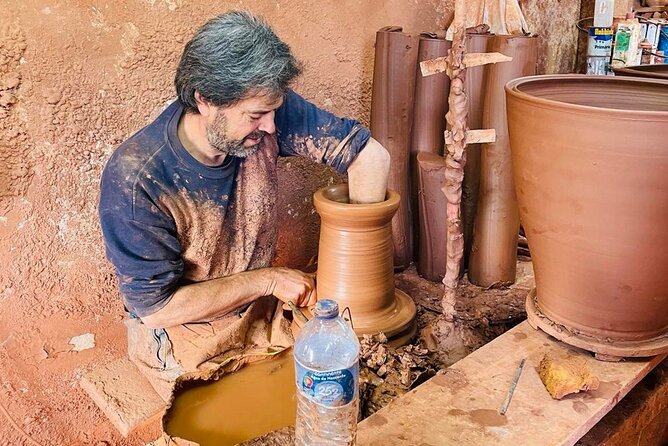
- Craft demonstrations and chances to see methods up close
- Items such as pottery, weaving, and woodcarving
- A small museum with artifacts and tools linked to traditional farming and fishing
This is where the trip earns its souvenir value. At markets, you buy what’s for sale. Here, you get the story behind the sale. If you want gifts that look like they came from Portugal—not from anywhere—you’ll likely find good options.
Possible drawback: if you’re not interested in crafts, you may feel the time runs fast. If crafts matter to you even a little, it’s well worth the stop.
Ericeira: surf-town charm, seafood choices, and time for a proper break
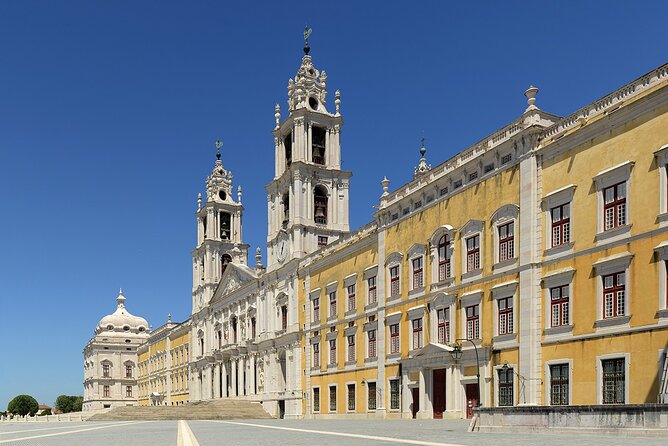
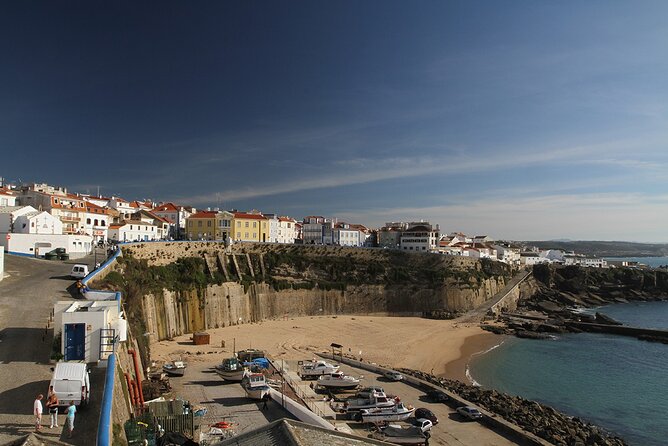
Then comes Ericeira, usually the lunch stop in the schedule. It’s famous with surfers because it’s a World Surf Reserve with consistent waves. But even if you don’t surf, Ericeira is worth it for the historic center feel.
You’ll have around 2 hours here, and you can use that time in a few smart ways:
- Wander the narrow streets and white-washed buildings
- Walk toward the waterfront for sea views
- Pick a restaurant for seafood, since fresh fish and shellfish are a core theme
- Add a bit of coastal walking if the weather cooperates
Why Ericeira fits into this tour so well: it shifts the day from inland crafts and palace architecture to the Portuguese coast, where food and atmosphere are the main event.
A small planning note for you: since lunch isn’t included, bring money or card that works for restaurants. The schedule gives you time, but it’s on you to choose where and what you eat.
Possible drawback: coastal weather can turn fast. Even with great views, the wind can make you wish for a warmer layer.
You can also read our reviews of more tours and experiences in Lisbon



Torres Vedras windmills: still turning, still grinding
Your next stop is Torres Vedras, where you’ll see a Portuguese windmill—specifically noted as one of the last still used for grinding grain into flour. That detail makes this stop more than a photo moment.
You’ll have about 1 hour, and it’s built around understanding how milling worked historically in rural Portugal:
- Windmills have a distinct shape, typically cylindrical or conical with a pointed top
- The sails or blades catch wind to power the millstones inside
- Many windmills fell into disrepair, so seeing a working/restored example matters
If you care about how technology fits everyday life, this stop gives you that context quickly. It’s practical history: not just what things look like, but what they used to do.
Also, this is one of your better “travel-photo” chapters. The route includes chances to capture views of the Serra do Socorro from the Torres Vedras area, so bring your camera at the right time.
Serra do Socorro: mountain views and Napoleonic-era meaning
The day finishes with Serra do Socorro, a mountain range in the municipality of Torres Vedras. This is where you get the scenic payoff.
You’ll have about 1 hour here, with time to take in the views and understand why this place matters beyond scenery. The Serra do Socorro is known for hiking trails and outdoor activities like mountain biking and birdwatching. But it also has an early-19th-century connection: it served as an important command center during the Napoleonic invasions of Portugal.
So you’re not just looking at a pretty range. You’re looking at a spot that people used strategically in a difficult period.
Practical note: since weather can shift, dress for changing conditions. Even if the day starts sunny, the higher, cooler air can catch you off guard.
Price and value: what you’re really paying for
At $213.03 per person for about 8 hours, you’re paying for convenience and coverage, not just sightseeing. The value math looks like this:
- You get an air-conditioned vehicle for a full day of cross-area hopping
- You get onboard Wi‑Fi, which is genuinely useful when you want to plan later in the same day
- You get a private experience, so the guide can tailor questions and pacing to your group
- Admissions are listed as free at each stop on the itinerary, which helps keep your day from turning into an add-on cost parade
- Lunch is the one major thing you must plan and pay for on your own
Group discounts are also listed. Since this is private, it’s worth asking your provider if the price meaningfully shifts based on your group size.
The main “cost risk” here isn’t the tour price. It’s food and what you choose to buy—markets and crafts can tempt you in a good way.
Who this tour suits best (and who should look elsewhere)
This day works especially well if you want a real mix:
- You like local markets more than museum-only days
- You want crafts and souvenirs with actual context
- You enjoy coastal towns even when you’re not spending the day on the beach
- You’re happy with a full-day schedule and short bursts at each stop
You might choose a different tour if:
- You hate tight timing and need long, slow museum time
- You’re traveling with kids who can’t handle early starts and moving between several towns
- You can’t handle cold or wind easily on an outdoor viewpoint day
Should you book this Lisbon day trip?
I’d book it if you want a north-to-coast day that feels distinctly Portuguese, not generic. The strongest draw is the blend: Malveira for local shopping, Mafra for scale and the library, Aldeia José Franco for hands-on craft culture, then Ericeira to balance it out with sea air and food options.
It’s also a good pick for anyone who likes asking questions. A private guide, plus time built into the schedule for each stop, means you can steer the day toward what you care about most—history, crafts, food, or views.
If you book, plan to bring layers and a little cash for lunch and market/craft purchases. And if your travel dates land on a Thursday, this tour becomes even more special because Malveira fits perfectly into the rhythm.
FAQ
What is the duration of the tour?
The tour runs for about 8 hours.
Is pickup from Lisbon included?
Yes. The start point is Av. da Liberdade 18A, and if your address is in a restricted access area, you’ll be given a nearby meeting point.
What time does the tour start?
The start time is 8:00am.
Is the tour private?
Yes. It’s a private tour/activity, so only your group participates.
What language is the tour offered in?
The tour is offered in English.
Is lunch included?
No. Lunch isn’t included. Ericeira is typically the lunch stop during the schedule.
Are there tickets or admissions included?
Admission tickets are listed as free at the stops. The tour does not list any paid admission fees for these specific stops.