
REVIEW · CRUISES & BOAT TOURS
Birdwatching Boat Tour in the Tagus Estuary
Book on GetYourGuide →Operated by SeaEO - Tours · Bookable on GetYourGuide
Birdlife in arm’s reach off Lisbon. This 2.5-hour boat trip is built for birdwatching so close to the city that you still get Lisbon’s skyline in your peripheral vision. I especially like the chance to pair the ride with guided spotting from a specialist ornithologist and get your eyes on real estuary behavior, not just scenery.
The small-group format also helps, because you can actually follow what the guides are pointing out instead of scanning with no context. I love how Sid and Diogo bring the species to life, including what birds are doing in the saltmarsh habitat. One consideration: this is a fast rigid inflatable boat, so if you’re prone to seasickness, take the big-because-you’re-in-motion advice seriously.
In This Review
- Key highlights you’ll feel right away
- Lisbon’s birdwatching setting: the Tagus Estuary near the city
- Meet at Doca de Santo Amaro (Gate 3): quick start, clear reference point
- From the marina to the estuary: passing the 25th of April Bridge
- Gaio-Rosário photo stop: a small pause that helps you reset
- Tagus Estuary Nature Reserve: the main wildlife window
- What you might spot: species range and what it signals
- Big-name birds you should keep an eye on
- Shoreline and water-edge birds
- Other nature details you’ll likely learn
- How long is enough? Timing, pace, and what 2.5 hours really buys you
- Comfort, safety, and motion: staying good on a fast rigid inflatable
- Price ($58) and value: what you actually get for your money
- Who this tour fits best in Lisbon
- Should you book SeaEO’s Tagus birdwatching boat tour?
- FAQ
- How long is the Birdwatching Boat Tour in the Tagus Estuary?
- Where do I meet the tour?
- What’s included in the price?
- What wildlife might I see during the tour?
- What languages are the live guides?
- What should I wear or bring, and what’s not allowed?
Key highlights you’ll feel right away
- Ornithologist onboard: learn the names and what the birds are likely doing in that moment
- Speedboat comfort and speed: you cover ground quickly without feeling like you’re stuck on a slow ferry
- Pass under the 25th of April Bridge: Lisbon’s skyline stays in the mix as you head toward the reserve
- Binoculars included: helpful when birds are resting farther out than they look at first glance
- Tagus Estuary Nature Reserve time: extended wildlife viewing where birds rest and nest
- Small group (max 12): easier bird-spotting with less crowding at viewing angles
Lisbon’s birdwatching setting: the Tagus Estuary near the city
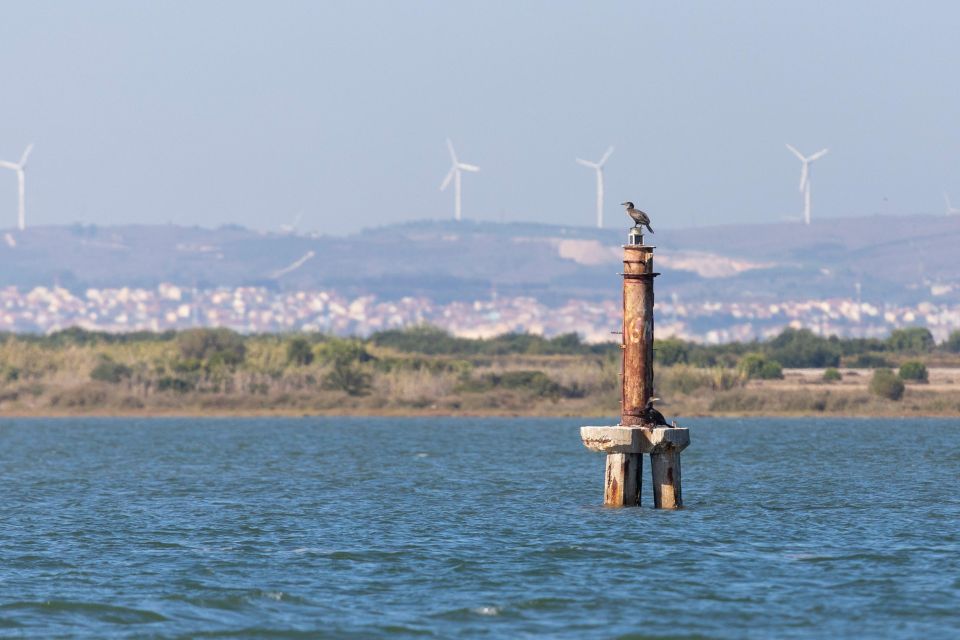
Lisbon has a reputation for hills, trams, and tiled streets. This tour adds a different side: wetlands right off the coast where birds use the Tagus Estuary as a feeding and resting corridor. You’re not driving across the country to reach “real nature.” You’re going from the riverfront area into a protected setting where many species gather.
The tour also gives you something practical that you don’t get on generic sightseeing cruises: you’re there with a plan for observation. Birds aren’t random. In an estuary, tides, shallow water, and saltmarsh plants shape where you’ll spot waders, herons, and terns, and where you might see larger birds hunting.
And yes, you’ll still get the payoff of Lisbon from the water. The skyline is close enough to stay visually present as you transition from city to nature reserve.
You can also read our reviews of more boat tours in Lisbon



Meet at Doca de Santo Amaro (Gate 3): quick start, clear reference point
Your day begins at SeaEO Tours – Sea & Estuary Odyssey in Doca de Santo Amaro, Gate 3. The easiest landmark is the dock under the big red bridge. Alcântara sits across the riverside area, so if you’re already walking near the river, you’re not dealing with a mysterious, hard-to-find meeting point.
Before you head out, there’s a safety briefing and you’ll get lifejackets. The tour is designed around a rigid inflatable speedboat, so they want everyone comfortable with the basics before you’re underway.
What this means for you: the first few minutes are about getting your bearings and settling in. That matters because after that you’re in active viewing mode, not just cruising around while you figure things out.
From the marina to the estuary: passing the 25th of April Bridge
Once you’re aboard, the ride moves fast and feels direct. The route takes you under the 25th of April Bridge and then out toward the Tagus Estuary Nature Reserve, with Lisbon’s skyline on your side.
This part of the tour is a nice mix of two goals:
- Keep the city connection alive with skyline views
- Transition quickly into the feeding and resting zones where birds show up
You’ll also see why the tour uses a speedboat instead of a slow vessel. Birdwatching is time-sensitive. When birds decide to move, you want to be in the right water area quickly, not an hour later after the boat has drifted. The speed helps you spend more time looking, not just traveling.
Gaio-Rosário photo stop: a small pause that helps you reset
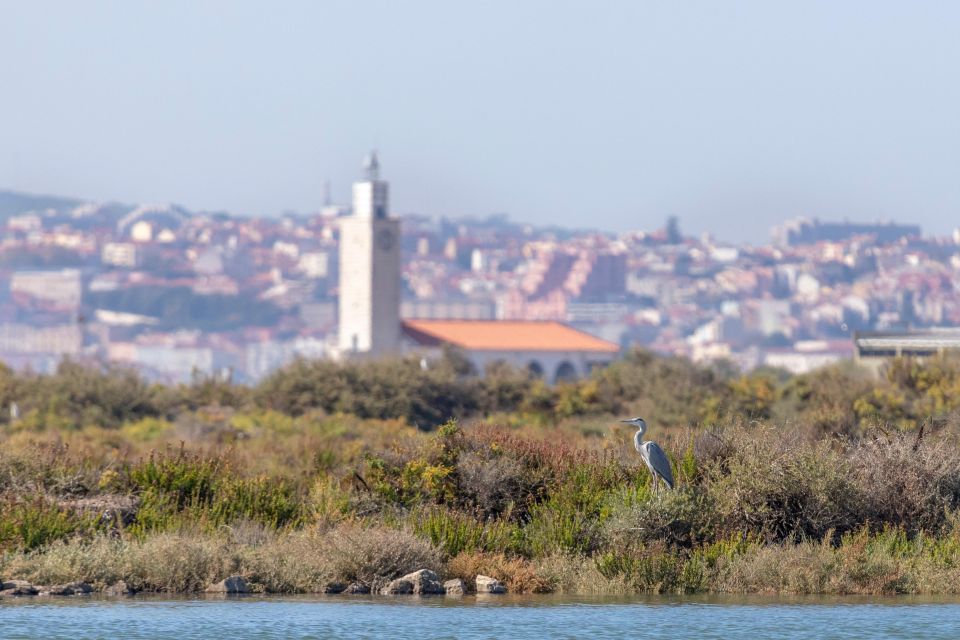
There’s a stop around Gaio-Rosário that includes a photo stop and a bit of guided viewing from the boat. This isn’t just a break for the sake of stretching. It gives you a moment to reposition mentally: you’ve moved out of the immediate city zone and now you’re approaching the nature reserve conditions where birds tend to cluster.
Expect a scenic stretch and wildlife viewing during this drive/stop segment. The practical value is that it helps you stay alert. In a bird tour, half the battle is staying observant long enough to notice what you might have missed if you were distracted by motion or fatigue.
Tagus Estuary Nature Reserve: the main wildlife window
The heart of the tour is time in the Tagus Estuary Nature Reserve, where you’ll spend about two hours of the outing dedicated to wildlife viewing. The boat cruise continues while you look for birds and other marine life, and the onboard specialist guides you through what you’re seeing.
This is the segment where the ornithology actually matters. Instead of just naming birds, the guide helps you understand the habitat. In an estuary, the “why” changes what you notice. Birds in saltmarsh and shallow areas are there for food opportunities and safe resting. That means you’ll learn to scan differently: more about shoreline edges, waterline movement, and areas birds appear to be using.
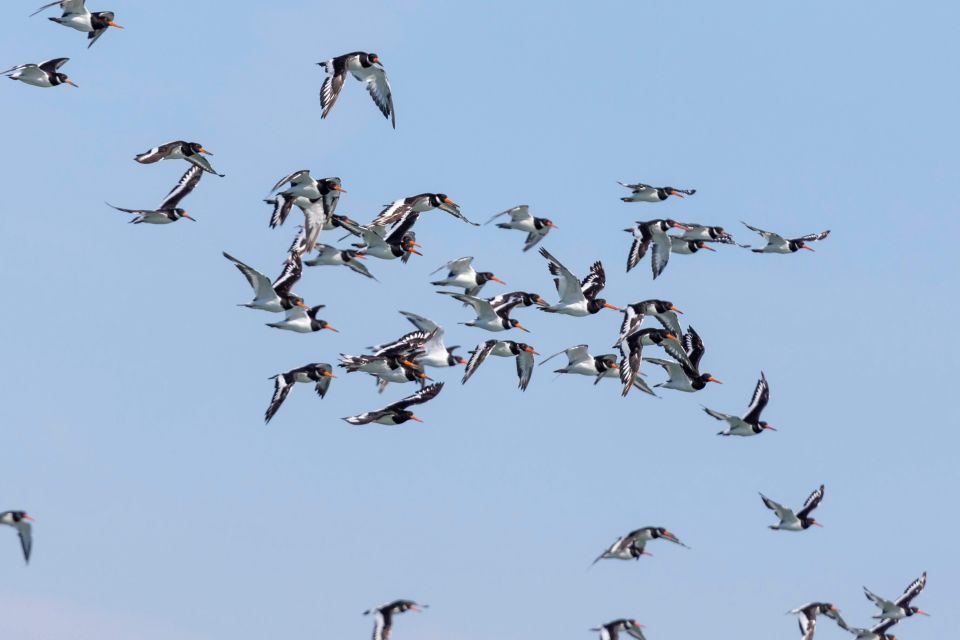
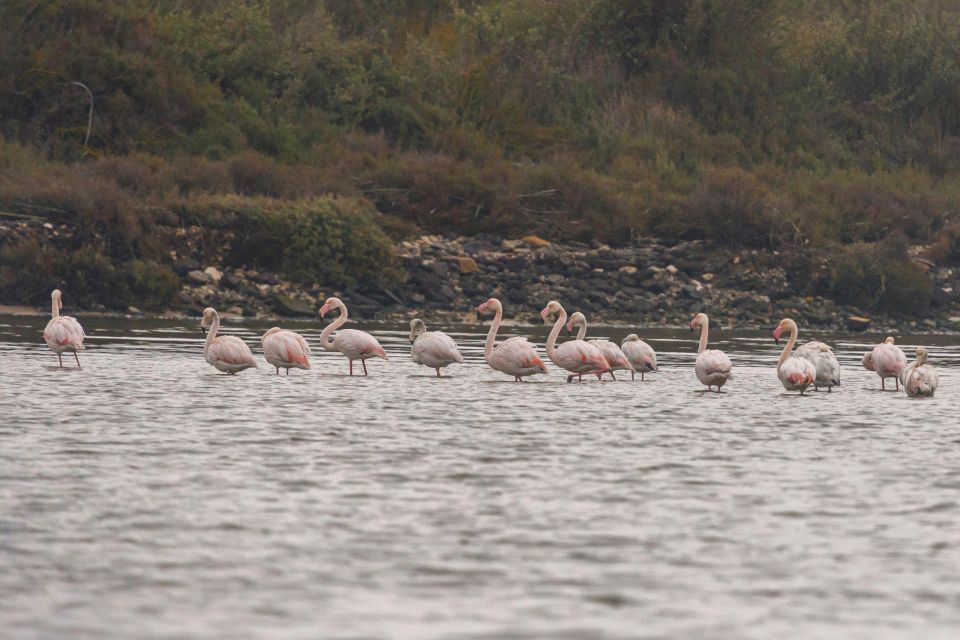
From the species list you might encounter, you could be watching for flamingos, spoonbills, oystercatchers, herons, egrets, ducks, waders, and kites. The tour also flags jellyfish as a possible sighting, which is a useful reminder that this isn’t only a bird story.
A personal-reading note for your expectations: seeing a specific species is never guaranteed, but the tour is structured around the kinds of animals that make sense in this protected estuary ecosystem.




What you might spot: species range and what it signals
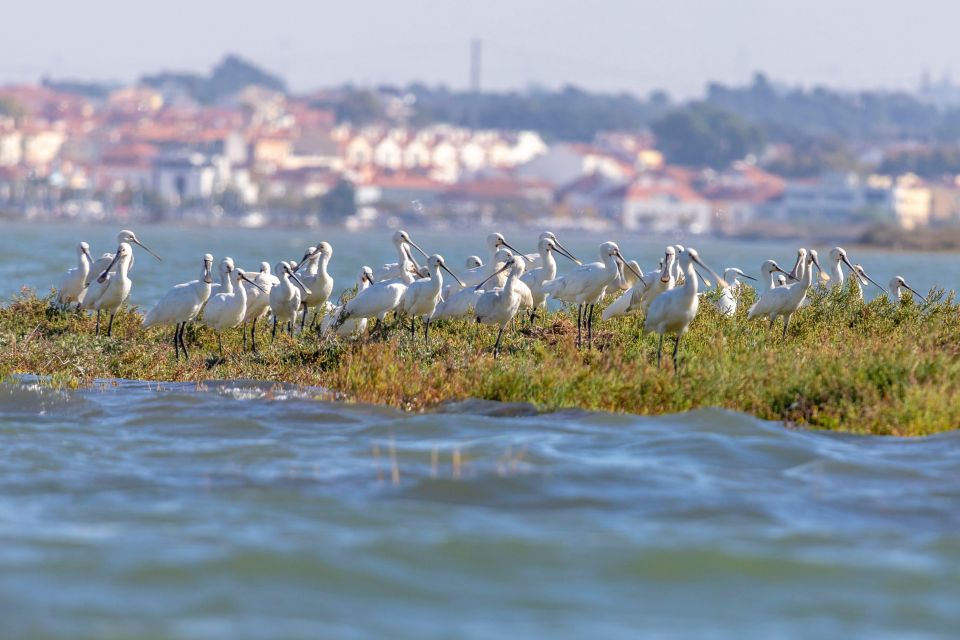
Based on the species mentioned for this route (and real sightings tied to this kind of trip), here’s the range you can realistically hope for.
Big-name birds you should keep an eye on
You’ll want to focus on:
- Ospreys: if you’re lucky, you might see them hunting and circling close enough to feel like the whole boat pauses for a moment
- Flamingos and spoonbills: both can stand out at rest, but they also appear as birds shift feeding areas
- Herons and egrets: these are often easiest to spot when you watch the shallows and edges of the water
Shoreline and water-edge birds
You might also spot:
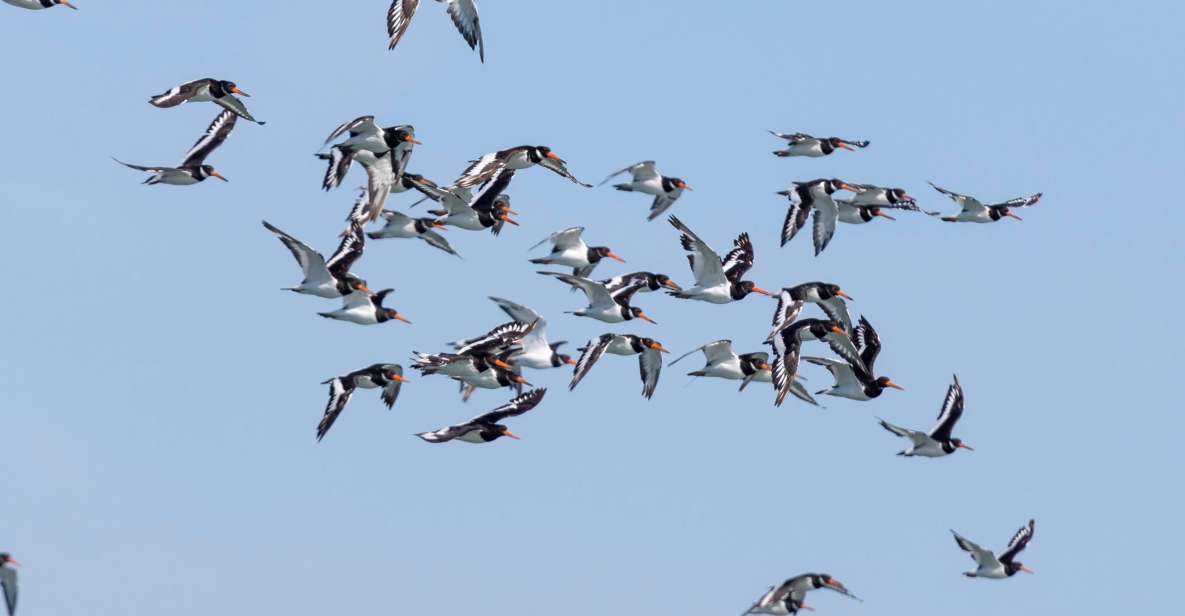
- Oystercatchers
- Waders
- Terns like sandwich terns
In the estuary, shorebirds often show up as movement rather than a single “big moment.” Your best tool is how the guide teaches you to read the waterline: pause, scan, then check what birds are doing rather than chasing the one you first noticed.
Other nature details you’ll likely learn
One of the most useful takeaways is how the saltmarshes function. When you understand saltmarsh habitat, it makes the birds’ behavior feel less random. You start to notice patterns: where birds group, which spots look productive, and why the shoreline edge matters more than open water.
How long is enough? Timing, pace, and what 2.5 hours really buys you
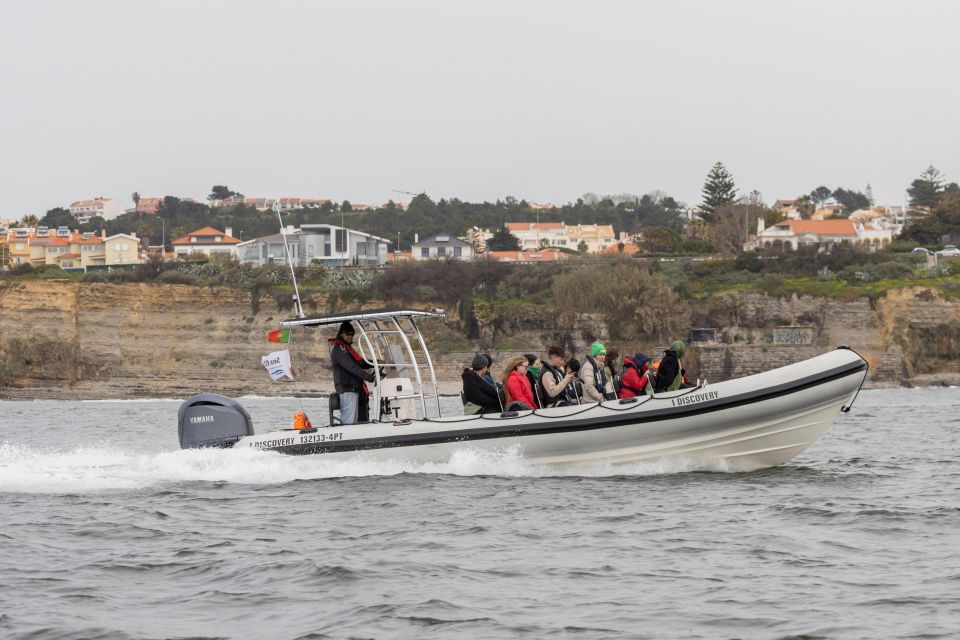
The total duration is 2.5 hours, and the wildlife time is built into that window rather than tacked on at the end. You’ll get an extended run into the reserve area, then more viewing and guidance before returning.
That timing is a sweet spot for most people:
- Long enough to get multiple “scan cycles” (you look, pause, look again, and the second pass is where you often notice new birds)
- Short enough that you don’t lose the group’s energy or focus
You also get the visual variety you want from Lisbon: city skyline at the start, estuary nature reserve in the middle.
Comfort, safety, and motion: staying good on a fast rigid inflatable
This tour uses a safe, fast, comfortable speedboat—and that’s great for birdwatching speed. It also means you need to plan for how your body reacts to motion.
Here’s the most useful, practical guidance from the tour details:
- If you easily get seasick, have a big breakfast but without milk, creams, or yogurts
- Bring a jacket and comfortable shoes
- They provide lifejackets, and there’s a safety briefing at departure
You’ll also want to avoid distractions and keep your attention on the guide cues. Bird tours are most fun when you treat the whole experience like a shared search rather than a silent scavenger hunt.
If you have back problems or if you’re pregnant, the tour notes it’s not suitable. It also doesn’t work for wheelchair users. If that’s your situation, it’s worth choosing a different format that matches your needs more closely.
Price ($58) and value: what you actually get for your money
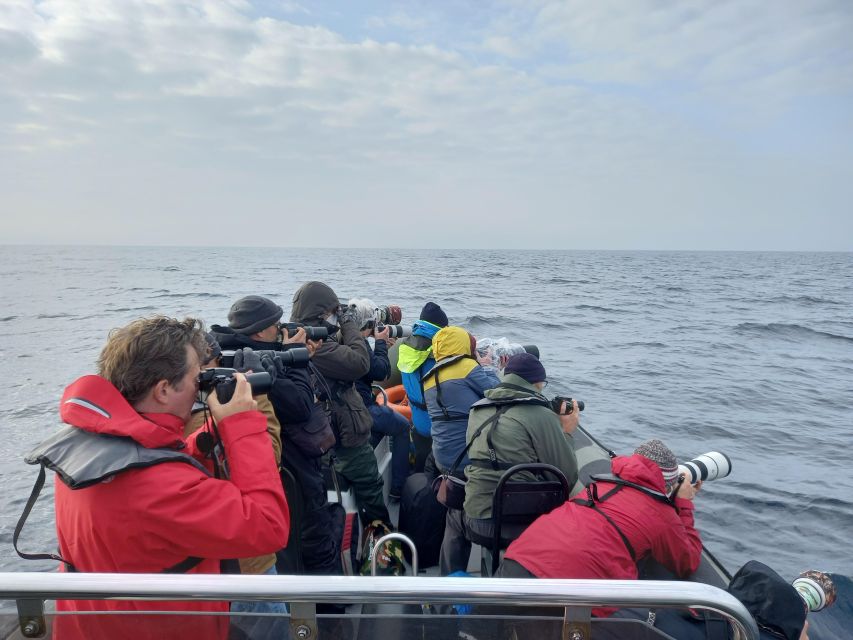
At $58 per person for a 2.5-hour ride, you’re paying for more than transport. The value is the combination of:
- A small group (max 12), which helps you actually see and learn
- Binoculars included, so you’re not stuck bringing your own gear
- A specialist onboard (the tour includes ornithologist and marine biologist tour guide support)
- Lifejackets and insurance, plus fuel and taxes included
In other words, you’re paying for an organized, licensed wildlife-focused experience rather than just a general cruise. The tour also states it can only be done with certified and licensed boat companies to observe and respect wildlife in its natural habitat. That matters because it’s not just about comfort. It’s about getting closer to what birds need without turning it into a chaotic disturbance.
If your main goal is birds and learning what you’re seeing, this is strong value. If your main goal is lounging with zero instruction, you might find it more intense than a sightseeing cruise.
Who this tour fits best in Lisbon
This is best for you if:
- You want a nature-focused Lisbon half-day that still includes skyline views
- You like structured guidance—names, behavior, and habitat clues
- You’re okay with a fast boat ride and being outside for long enough to scan
It’s also a good fit for people who like “close-to-the-city” wildlife. The Tagus Estuary is the kind of place where you can go from street-level Lisbon to a protected ecosystem without losing a whole day.
It’s less ideal if:
- You have accessibility needs covered by wheelchair-unfriendly notes
- Motion is a problem for you, especially if you’re prone to seasickness
- You’re traveling with very young children under 5 years
Should you book SeaEO’s Tagus birdwatching boat tour?
I’d book this if you want a guided birdwatching experience that feels genuinely connected to the place. The strongest reasons are the ornithology onboard, the inclusion of binoculars, and the fact that you’re spending real time in the Tagus Estuary Nature Reserve rather than circling the shoreline for a quick look.
You should think twice if you know motion makes you miserable, because the tour’s speedboat format is central to the experience. Also, if your situation falls under the notes for back problems, pregnancy, or wheelchair use, skip it and look for an alternative that better fits your needs.
If you’re the type who gets excited about species details—especially raptors like ospreys and the birds tied to saltmarsh behavior—this is the kind of Lisbon outing that changes how you see the city.
FAQ
How long is the Birdwatching Boat Tour in the Tagus Estuary?
The tour lasts about 2.5 hours.
Where do I meet the tour?
Meet at SeaEO Tours – Sea & Estuary Odyssey at Doca de Santo Amaro, Gate 3. The dock under the big red bridge is the best reference point, and Alcântara is in front of the riverside.
What’s included in the price?
The tour includes an ornithologist/marine biologist guide, binoculars, crew members, lifejackets, insurance, taxes, and fuel.
What wildlife might I see during the tour?
You may spot flamingos, spoonbills, jellyfish, oystercatchers, herons, egrets, ducks, waders, and kites. The tour is also set up for wildlife viewing in the Tagus Estuary Nature Reserve.
What languages are the live guides?
Live tours are available in French, English, Italian, Portuguese, and Spanish.
What should I wear or bring, and what’s not allowed?
Bring comfortable shoes, a jacket, and comfortable clothes. Sunscreen is not included. Smoking, alcohol, and drugs are not allowed, and high-heeled shoes aren’t permitted.