REVIEW · TAGUS RIVER CRUISES
Saints on the Tagus: Traditional Festival with Taste & Music
Book on GetYourGuide →Operated by SANTOS NO TEJO · Bookable on GetYourGuide
Saints on the Tagus is a great excuse to party like Lisbon. You’re celebrating Santo António right on the Tagus at Doca da Marinha in Alfama, with food, games, and shows rolling across the whole evening. I especially like the mix of traditional treats (hello sardines and manjericos) plus scheduled entertainment like stand-up at 9pm. The other strong draw is the energy from live music and DJs starting at 10pm. One thing to consider: it’s not a quick in-and-out stop, so plan for the full 3.5 hours and bring your best party shoes.
If you like festivals where you can actually do things, not just watch, this one makes sense. Traditional games are part of the program, and the parade adds a classic festival rhythm you can feel in your feet. Still, if you’re the type who wants a calm, sit-and-chat evening, the dock gets loud once the music ramps up.
In This Review
- Key things to look forward to
- Santo António on the Tagus: what this festival is really about
- Doca da Marinha in Alfama: your best time window for the dock vibe
- The festival flavor: sardines, manjericos, and quatrains
- Games and parade: joining the fun instead of watching it
- 9pm stand-up: Portuguese comedy as part of the evening flow
- 10pm live music and DJs: finishing the night with Lisbon’s sound
- Price and value: what $17 buys you in real festival time
- Who should book Santos on the Tagus, and who should skip
- Should you book Saints on the Tagus?
- FAQ
- Where does Saints on the Tagus take place?
- What time does the festival start, and how long does it last?
- How much does the experience cost?
- What’s included with the ticket?
- Is hotel pickup included?
- What food and drinks should I expect?
- When do the stand-up shows happen?
- When does live music begin?
- Can I cancel or pay later?
- Is it wheelchair accessible, and do I skip the ticket line?
Key things to look forward to
- Doca da Marinha in Alfama: waterfront setting for Santo António celebrations with food and music.
- Sardines and manjericos: traditional festival flavors and symbols tied to the saint.
- Quatrains and Portugal-style storytelling: part of the cultural program, not just background music.
- Games plus a parade: structured fun with a crowd vibe you can join.
- Stand-up at 9pm: Portuguese comedy acts, including Rouxinol Faduncho.
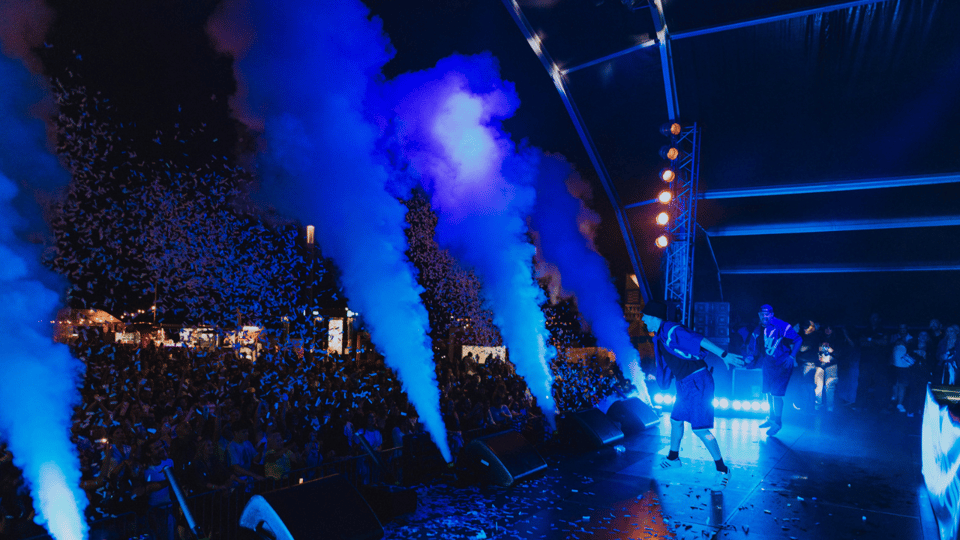
- Live music and DJs from 10pm onward: the night keeps moving even after the main show.
Santo António on the Tagus: what this festival is really about

Santo António is Lisbon’s patron saint celebration, and Saints on the Tagus brings the holiday spirit to the water. Instead of a parade that’s over fast, you get an evening program built like a playlist: food and culture first, then games, then comedy, then music that turns into a DJ night.
What I like most is how the festival stays rooted in tradition while still feeling modern in the sound system and lineup structure. You’re not just standing around waiting for a headline act. There’s a reason families and friends can actually stay for the whole stretch: the program gives you reasons to move, eat, play, and watch.
This is also one of those Lisbon moments where you can blend in without a lot of effort. You show up, grab what you want to drink, join the games when you feel like it, and let the schedule guide you. The whole thing is designed to be social, not formal.
The cultural touches matter too. You’ll see traditional quatrains as part of the experience, and you’ll run into the manjericos side of things. For many people in Portugal, these are more than decorations. They’re tied to the saint and the way locals mark the festival season—so you get more than a generic food-and-music show.
You can also read our reviews of more tours and experiences in Lisbon.



Doca da Marinha in Alfama: your best time window for the dock vibe

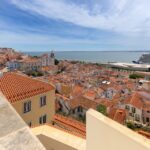
The action happens at Doca da Marinha, a dock area in Alfama. That matters because the setting changes how the party feels. On a waterfront, sound carries well, and the crowd tends to mix. You’re close enough to the entertainment that you feel involved, but the open space helps it avoid feeling cramped.
The doors open at 6pm, and that first hour is where the “festival” part lands hardest. This is when the food area and the early entertainment energy are in full swing, and you can settle in before the night gets louder. If you arrive around opening time, you’ll have an easier time getting a good view of what’s going on and still spending time with the food and games.
The program runs about 3.5 hours, so think of it as an evening event, not a full-day commitment. That’s a big deal in Lisbon, where you can easily lose hours to walking, long dinners, and sudden tram delays. Here, at least the main timeline is built in: food and culture early, stand-up at 9pm, live music at 10pm, then DJs to keep the energy going.
One practical note: since it’s a dock festival, you’ll likely want comfortable shoes and a layer you don’t mind wearing for a few hours. Weather can shift along the river, and you’ll be standing and moving around more than you would at a seated show.
The festival flavor: sardines, manjericos, and quatrains

If you care about eating at festivals—not just grabbing a snack—this is one of the better-style events in Lisbon. The traditional centerpiece is grilled sardines, the kind of food that practically screams Lisbon in summer festival season. Alongside that, you’ll see manjericos, the festival basil plants that are part of Santo António culture.
The food situation is built around choices. The festival includes food and drink options from multiple brands and sponsors (examples given include Goloso, Amanhecer, and Oliveira da Serra). That means you’re not locked into one thing. You can go straight for sardines, then wander to find other dishes that sound good to you.
Also, pay attention to the cultural bits that are scheduled, not hidden. Traditional quatrains are mentioned as part of the experience, and they’re worth watching even if you don’t catch every word. Portuguese festival storytelling has a rhythm to it, and it’s part of why the event feels like it belongs to Lisbon rather than any generic music night.
And yes, there’s the welcome drink. A complimentary drink for each participant is included, so you’re not starting the evening empty-handed. After that, you can explore what’s on offer at the stands, but the drink you know is included helps you manage your budget early.
This is also where the “value” of the experience starts to make sense. You’re paying for an evening that includes cultural programming, food options on-site, and a full sequence of entertainment. You’re not paying just for one act at the end of the night.
Games and parade: joining the fun instead of watching it
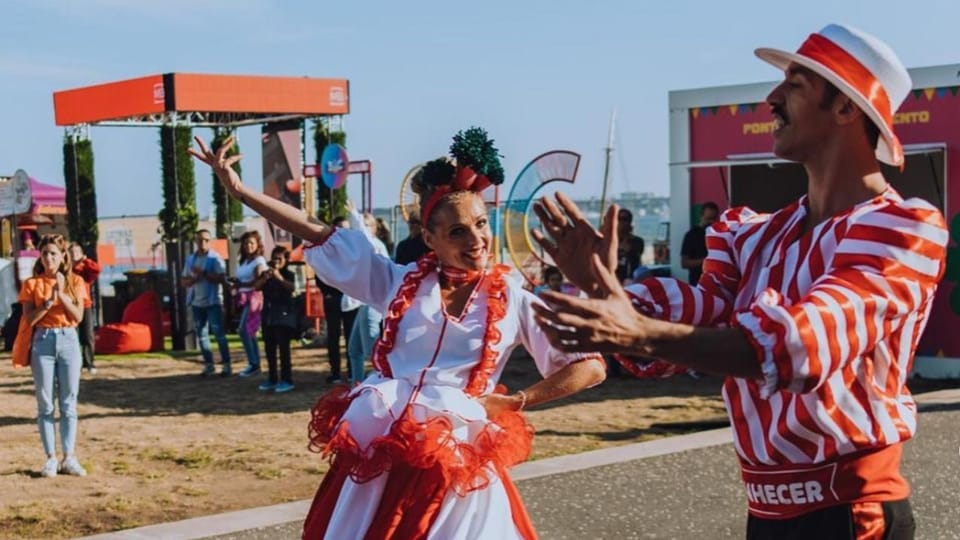
A lot of festivals look like fun from a distance. This one includes traditional games promoted by sponsors, so you can take part rather than just observe. That changes the mood fast, especially if you’re traveling with friends. People tend to talk to each other while they play, and it’s easier to get a shared experience than it is with a straight concert.
The parade is also included. In a festival like this, a parade isn’t only visual. It’s a tempo-setter. It tells you the event is officially underway and helps break the evening into phases. When it happens, it gives you something to anchor your attention to while you grab food, reposition for the next act, and keep your group together.
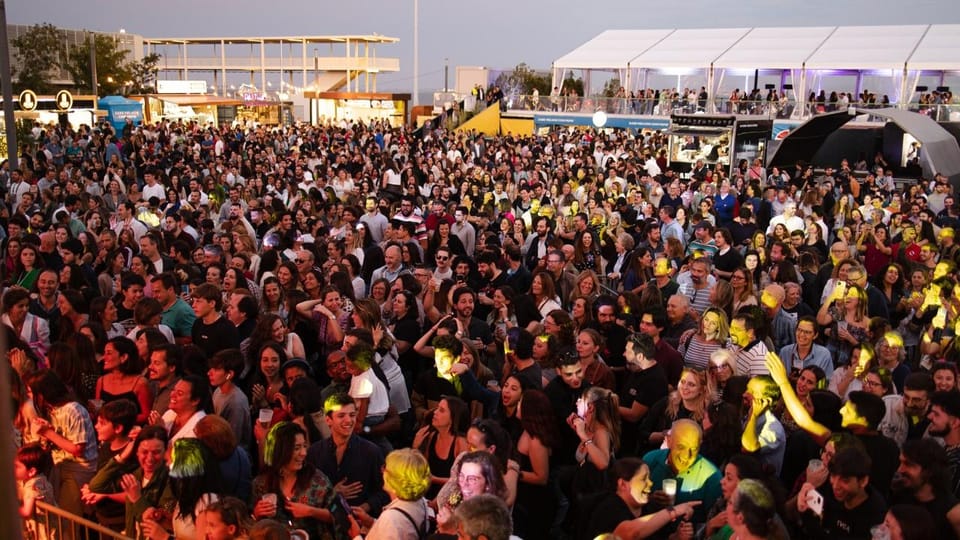
One of the best parts, based on the overall feedback, is that the space feels built for doing things. You’re not stuck in a narrow viewing corridor. Instead, there’s room for the crowd to move between food, games, and entertainment areas. That makes it easier for groups to stay together without everyone getting separated in a crush.
If you’re traveling as a couple or family, games can be the bridge. Even if you’re not competitive, watching other people play can be funny, and joining in is less intimidating than you might think. If you’re with kids, the festival description says all ages are welcome, which is a good sign that it’s not geared only toward late-night club crowds.
9pm stand-up: Portuguese comedy as part of the evening flow
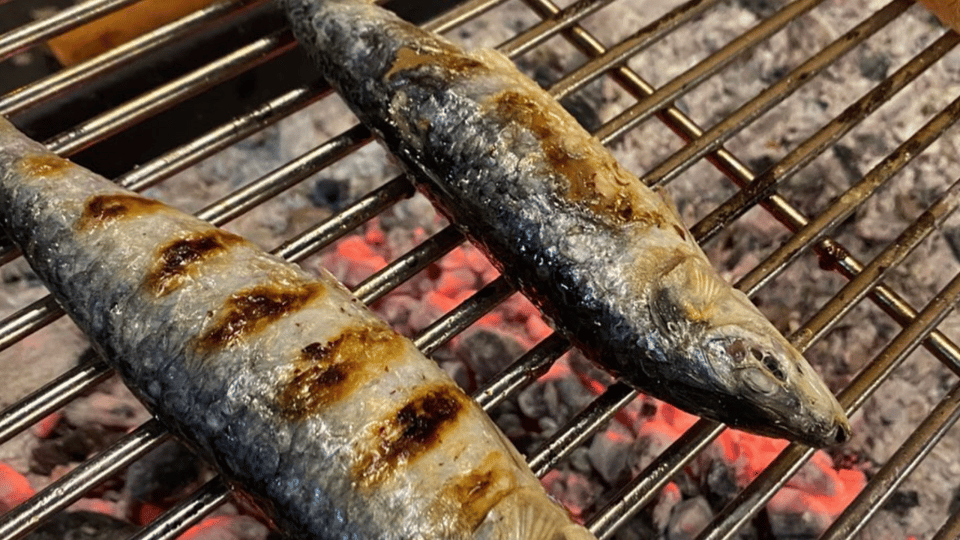
At 9pm, stand-up shows kick in. This is a key detail because it means the event doesn’t jump straight from food and games to music. It gives you a “reset” moment in the schedule.
The program mentions Portuguese artists such as Rouxinol Faduncho. Even if you don’t know the name, the point is the lineup leans local. Lisbon comedy has its own style, and in a festival setting it often lands better than you’d expect. The crowd is already warmed up, and people are in a festive mood, which helps comedy feel more like a shared event than a formal performance.
If you’re going with a group, stand-up is also a practical stage in the evening. People tend to gather more consistently for comedy, so it’s easier to get everyone back together. It can also be a good time to check what time it is, make sure you’re not hungry, and decide how far you want to push into the night.
Do keep expectations realistic. This is not a silent, theater-style show. You’ll be at a festival dock event, so the soundscape and audience energy will be lively. If you’re sensitive to noise, sit a bit farther back or choose a spot where you can still see without getting right in the thick of it.

10pm live music and DJs: finishing the night with Lisbon’s sound
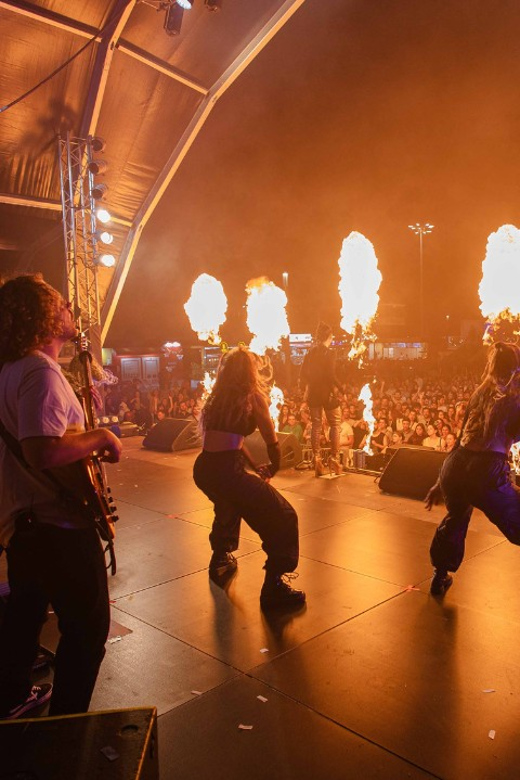
At 10pm, live music starts, followed by DJs to keep the party going. This is where the festival shifts from “festival evening” to “night out.” The experience mentions icons of Portuguese music and also references duets by pop and popular artists as part of the broader lineup.
What matters for you isn’t just the headline names. It’s the pacing. You can stay through the food-and-games stage, then enjoy stand-up at 9pm, and still end with a strong music finish. That makes it easy to plan around without needing a separate concert later.
I like that the lineup includes both live music and DJs. Live bands bring energy and personality, while DJs are the smoother gear-change into late-night dancing. If you’re the type who wants to move a bit (or just sway and let the night carry you), that DJ portion is usually where you can relax into the crowd.
And this is the part that matches the strongest praised themes you’d hope for from a festival: music and food both hit well, and the overall night tends to feel like something you’d want to repeat. One of the best reasons to book is that it’s not a single-act event. It’s a full run.
Price and value: what $17 buys you in real festival time
At $17 per person, Saints on the Tagus is priced like a local festival night, not a luxury show. The value comes from what’s bundled: you get 1 welcome drink, live music, DJs, entertainment, traditional games, a parade, and even support area and insurance are listed as included.
Food is a slightly different story. The festival clearly offers sardines and other food options on-site, but the only drink explicitly included is the welcome drink. So think of the $17 as covering access to the full evening program and core entertainment. Then you can spend extra if you want to eat multiple items.
For many visitors, that’s exactly the right structure. It keeps the ticket from feeling inflated, and it lets you control your food budget. You can grab a sardine-focused meal, sample a couple of local-style foods, and still keep the overall spend reasonable.
Also, the schedule is a value multiplier. You’re not paying for one hour. The 3.5 hours are built around major moments: cultural food early, stand-up at 9pm, live music at 10pm. That’s a lot of “things happening” for one ticket price, especially in Lisbon where even a decent evening can turn into a high-cost mix of transport, drinks, and separate tickets.
If you’re traveling with a group of friends, the math gets even better. A single ticket can handle the entertainment plan, while you split eating choices and drinks among yourselves. It’s the kind of event that makes budgeting easier than piecing together multiple paid attractions.
Who should book Santos on the Tagus, and who should skip

This works best if you want an evening that feels like Lisbon culture, not a museum-style performance. If you enjoy food-and-music festivals, you’ll like how the program layers different formats: games, quatrains, stand-up, live music, then DJs.
It’s also a strong fit for friends and groups. The games and parade make it easy to share laughs and keep a group together. The praised parts of the overall experience point to a night where the space feels good for hanging out and playing, not just standing in one spot.
It may be less ideal if you want a quiet, controlled environment. Once live music and DJs start, it’s a dock party. If you plan to eat a big meal elsewhere first and then come for a short look, you might feel like you’re rushing. The real value is in staying for the full run from early evening into the music portion.
And if you’re traveling with kids, the good news is that the description says it’s for all ages. Still, keep in mind you’ll be out during the evening with noise, food smells, and a festival crowd vibe.
Should you book Saints on the Tagus?

I’d book it if your ideal Lisbon evening includes food you can eat at the event, a schedule with clear show times, and a local-feeling atmosphere around Santo António. At $17, the included entertainment package is strong, and the evening is structured so you always have something to do: games, parade, stand-up at 9pm, and live music plus DJs from 10pm.
I wouldn’t book it if you want something laid-back or if you’re only interested in a single act. This is an all-night rhythm (in festival terms), and you get the most by going in with the expectation of a social event.
If you can, aim to arrive near 6pm so you get the full arc of the celebration, from traditional sardines and manjericos through to the late-night music.
FAQ
Where does Saints on the Tagus take place?
It takes place at Doca da Marinha, Alfama, along the Tagus River in Lisbon.
What time does the festival start, and how long does it last?
The doors open at 6pm. The duration is about 3.5 hours, and you should check availability for starting times.
How much does the experience cost?
The price is $17 per person.
What’s included with the ticket?
Included items list 1 welcome drink, popular live music, DJs, entertainment, traditional games, a parade, a support area, and insurance.
Is hotel pickup included?
No, hotel pick-up service is not included.
What food and drinks should I expect?
There are traditional grilled sardines and manjericos, and there are various food and drink options available at the event. Only the 1 welcome drink is listed as included.
When do the stand-up shows happen?
Stand-up shows start at 9pm.
When does live music begin?
Live music begins at 10pm.
Can I cancel or pay later?
Yes. There’s free cancellation up to 24 hours in advance for a full refund. You can also reserve now and pay later.
Is it wheelchair accessible, and do I skip the ticket line?
Yes, it’s wheelchair accessible. Ticket line skipping is also included.