REVIEW · LISBON
10 Days Private Tour in Portugal
Book on Viator →Operated by walkborder · Bookable on Viator
One great thing about Portugal is how many worlds it packs into 10 days. This private tour keeps you moving with a real guide, so you get Lisbon-to-Porto context and also the slower, smaller stops that make the country feel lived-in; I also like the built-in tastings and craft stops, from cork production to Port wine and regional food. The one thing to think about is cost creep: hotel nights, meals, and most monument tickets are not included, so your total can rise.
Manuel da Silva from Walkborder meeting the group at Lisbon Airport is a good example of why this kind of private service works: you start without friction, and your day stays on track. You’ll travel with escort-style guidance designed to help you understand Portuguese daily life, street-level culture, and the stories behind places like Alfama and the earthquake-rebuilt Baixa.
If you like planning that’s organized but not rigid, and you’re happy walking and using viewpoints as stops (not just passing them), this tour matches that style well. If you want total hand-holding without any ticket planning at all, you’ll need to budget admissions before you go.
In This Review
- Key highlights you’ll feel right away
- What this private Portugal tour really gives you
- Price and value: what $2,894.01 per person means in practice
- Day 1 Lisbon: Baixa’s anti-seismic streets, Alfama’s Fado roots, and Belém pastries
- Day 2 Sintra and the coast: Pena’s romance, Cabo da Roca’s drama, Cascais and Estoril views
- Day 3 Evora and Alentejo: cork craft, Ervideira wine tasting, and the Chapel of Bones
- Day 4 Óbidos, Fátima, and Coimbra’s Joanina Library
- Day 5 Aveiro and Costa Nova: canal city, soft eggs, and striped haystack houses
- Day 6 Porto: Clerigos Tower views, Lello’s staircase, tile history, and Port cellars
- Day 7 Guimarães and Braga: Portugal’s first capital plus Bom Jesus do Monte steps
- Day 8 Douro Valley approach: Amarante, Casal de Loivos viewpoint, Pinhão tiles, and Quinta do Tedo
- Day 9 Serra da Estrela and Monsanto: cheese and winter-cold altitude, then rock-house fortresses
- Day 10 Tomar’s Templar roots and Santarém’s Pedro Álvares Cabral tie-in
- Who this tour is best for
- Should you book this private Portugal tour?
- FAQ
- Is airport pickup and drop-off included?
- What’s included in the tour price?
- Are hotel stays included?
- Are meals included?
- Are admission tickets included?
- Is this tour private?
- What time does the tour start?
- Is cancellation allowed for a full refund?
Key highlights you’ll feel right away
- Private, guided route across Lisbon, Sintra, Alentejo, Coimbra, Porto, Douro, and mountain villages, not just the headline cities
- Craft + food stops that turn culture into something you can taste and touch, like cork processing and winery tastings
- Iconic viewpoints (Cabo da Roca, Serra do Pilar, and more) timed as part of the day, not tacked on
- Portuguese rail-and-tiles energy at places like São Bento, where art becomes a history lesson
- Port wine and Douro Quinta visits that connect the coast, the river, and the wine country
- Built-in comfort basics like WiFi on board and bottled water during the day
What this private Portugal tour really gives you
This is a true private experience, meaning it’s just your group. That matters because it lets the guide set pace and explain what you’re actually seeing, from street layouts to religious architecture to why people build where they build.
You’re also not stuck doing “big bus, big lines” sightseeing. The day plans move through neighborhoods, monuments, and viewpoints, while your guide adds the why behind it. On the practical side, you get airport transfers, bottled water, and WiFi on board, which reduces the little stress points that can ruin a road-trip feeling.
One more thing I like: the tour is built around understanding the country’s culture and daily way of life, not just checking boxes. The stops range from Lisbon’s historic districts to cork trees and wine terraces in the Douro, so the trip tells one connected story.
You can also read our reviews of more private tours in Lisbon

Price and value: what $2,894.01 per person means in practice
The price shown is $2,894.01 per person for about 10 days. That’s not a small number, so I’d treat it like a premium, logistics-heavy service where your main “purchases” are guidance and transport.
What’s included is helpful: transfer from and to the airport, personal accidents insurance, bottled water, and WiFi on board. What’s not included is the part that often shocks people late in the planning: hotels, meals, and admission fees.
So the value question comes down to this: if you want a private, guided routing across many regions in a short window, and you don’t want to coordinate everything yourself, the package can feel worth it. If you prefer to control every ticket and hotel choice, you may end up spending a lot anyway. Either way, you’ll want a realistic admissions budget before you lock your dates.
Day 1 Lisbon: Baixa’s anti-seismic streets, Alfama’s Fado roots, and Belém pastries
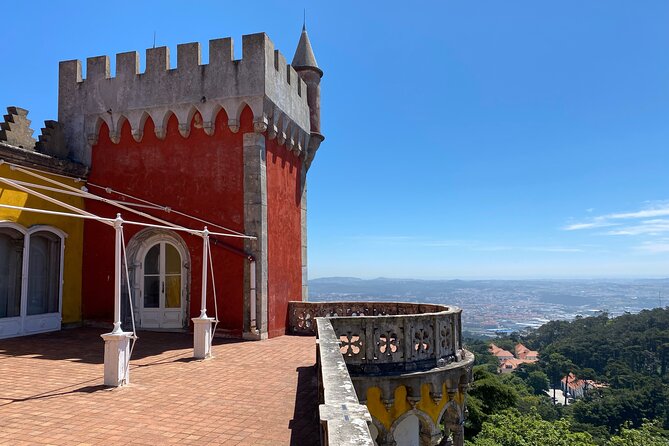
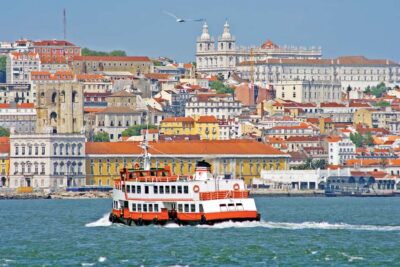
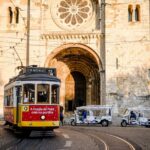
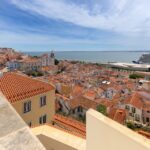
Lisbon begins with a reset story. You’ll start in Baixa de Lisboa, built after the 1755 earthquake, with a street plan designed using straight, perpendicular lines and an axis around Rua Augusta. It’s the kind of detail that makes Lisbon feel engineered for survival, not just pretty.
From there you can choose your castle strategy. Castelo de São Jorge is a major stop if it’s a must for you; otherwise, the exterior plus a view from Miradouro de Nossa Senhora do Monte still gives you that classic Lisbon vantage without committing to the full interior ticket.
Next is Alfama, Lisbon’s oldest quarter with narrow rows and alleys that once worked as a defensive system during Arab rule. This is also where the tour brings in a cultural thread: Fado’s connection to saudade and the neighborhood’s atmosphere.
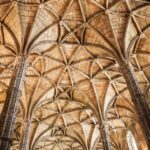
Then you shift to Lisbon’s maritime pride in Belém. You’ll have time around Jerónimos Monastery, Belém Tower, and the Monument to the Discoveries area (with monument tickets noted as not included). It’s a big theme day: the Portuguese Golden Age and the idea of sailors leaving the city with hope and protection rituals.
Finish with a practical Lisbon treat: a visit to Pasteis de Belém. The key value here is that you’re not just eating pastries; you’re stepping into a century-old food tradition.
Possible drawback for Day 1: you’re packing a lot of Lisbon into one push. If you’re sensitive to stairs or uphill streets, wear grippy shoes and plan slower breaks.
Day 2 Sintra and the coast: Pena’s romance, Cabo da Roca’s drama, Cascais and Estoril views
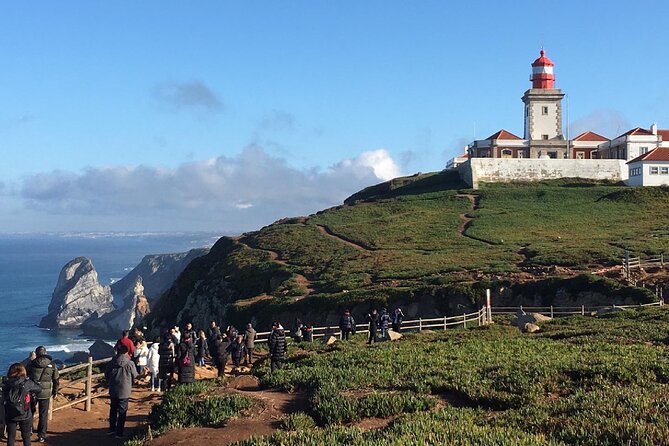
Sintra is the kind of place where “one palace” can feel like a whole week. You start in the Centro Histórico de Sintra area, moving through tight lanes and regional shops. The stop at Piriquita pastry is a concrete way to try Queijadas de Sintra and Travesseiros de Sintra.
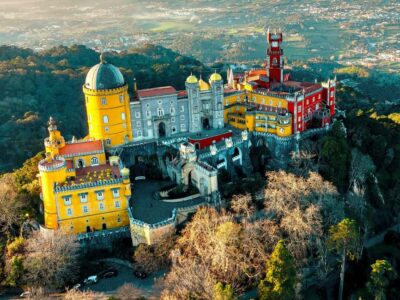
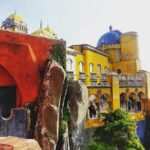
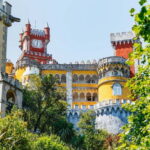
From there the guide helps you choose among the park and palace highlights. Pena Palace and the surrounding complex gets you into that 19th-century romantic reconstruction story, while the Moorish Castle side points to Islamic presence in the region (built between the 8th and 9th centuries, with later expansions).
Then you swing to the Atlantic edge: Cabo da Roca. The tour frames it with geology and poetry—often described as where the land ends and the sea begins. You’ll also have an easy add-on idea if conditions allow: follow ecological rails of the Serra de Sintra in the Natural Park area.
After that, you head to the Marina de Cascais area, where an old fisherman’s village vibe meets beach-resort energy. A final touch is Estoril, known for its casino and its 007 connection through the wartime Casino Royale writing association. You’ll return to Lisbon along the Marginal road with ocean scenery.
Possible drawback for Day 2: Sintra palaces and viewpoints can bring crowds and wind. If you’re prone to seasickness or cold, plan layers for Cabo da Roca and similar coastal points.
Day 3 Evora and Alentejo: cork craft, Ervideira wine tasting, and the Chapel of Bones
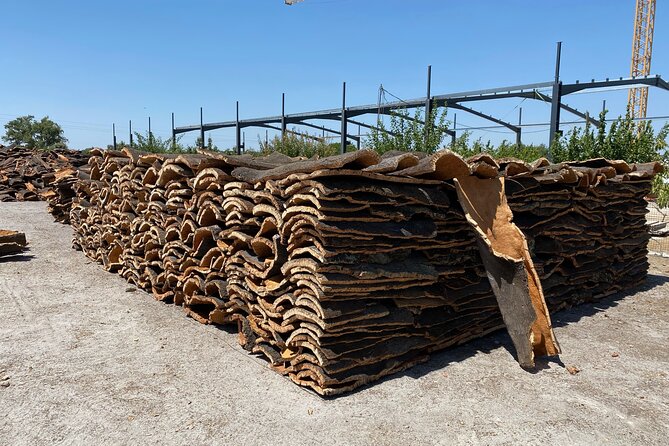
This day is a strong example of why the tour goes beyond just cities. It starts with cork at Corticarte – Arte em Cortica, where you learn the process from the cork tree itself to extraction, quality choices, and final products. Portugal produces a large share of the world’s cork, and you’ll hear the cycle details: bark growth every year, with harvest typically every nine years, reaching about 25 centimeters thick.
Next is an Alentejo winery day. At Ervideira, you get a personalized winery visit with explanation of the wine process and then tastings of white, rosé, and red. You’ll also get regional bites—Alentejo bread, sheep’s cheese, sausages, fruit compote, and toast with olive oil and oregano. The Alentejo climate angle matters here: hot and dry conditions, and drip systems in vineyards.
Then you arrive in Évora, where medieval streets and Roman references meet in one compact place. The highlight for many is the Chapel of Bones, lined with human bones and skulls from over 5,000 monks. It’s not meant to be scary; it’s meant to make you think about life and mortality, with that direct entrance message style.
You also see the Temple of Diana (Roman period) and the Praca do Giraldo area, which pulls together centuries of influence—Romans, later Arab street patterns, and royal connections.
Possible drawback for Day 3: this is emotionally intense sightseeing in parts. If you dislike morbid exhibits, you can treat the Chapel of Bones as a quick stop and spend more time walking Évora’s public squares.

Day 4 Óbidos, Fátima, and Coimbra’s Joanina Library
You start Day 4 with a time-warp move to Óbidos, a UNESCO World Heritage village with whitewashed medieval streets. There’s also a nice story thread about why Óbidos mattered: part of a defensive system linked to the Five Castles, later used as a wedding gift by Portuguese King Dinis I to Queen Isabel, and tied to the House of the Queens.
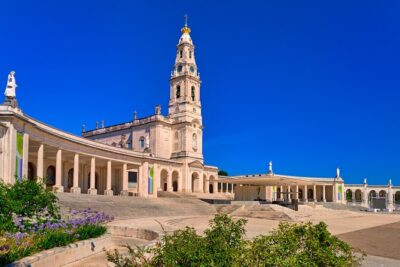
Then it’s Fátima, centered on the Marian shrines in the Cova da Iria area. You’ll visit the two basilicas: Our Lady of the White Rosary and the Basilica of the Holy Trinity, plus the Chapel of the Apparitions area. This day works best if you want both the religious architecture and the deeper pilgrimage atmosphere.
Next comes Coimbra. At Universidade de Coimbra’s Biblioteca Joanina, you get baroque splendor with a real timeline: construction began in 1717 (over an old prison site) and finished in 1728. The frescoes and decorations were done by named artists and craftsmen, and you can see why this library is famous beyond Portugal.
You also stroll Se Velha de Coimbra, where the city center is split conceptually between “High” (nobility, clergy, and later students) and “Baixa” (commerce and crafts).
Possible drawback for Day 4: Coimbra’s historic zones can be weather-dependent. If it’s raining, you’ll want to keep your pace slow and allow extra time for slick stone.
Day 5 Aveiro and Costa Nova: canal city, soft eggs, and striped haystack houses
Day 5 shifts you from inland religious stops to coastal texture. In Aveiro, you’ll see the city often called Portuguese Venice, with multiple canals and Moliceiro boats used originally for salt transport and sea algae (moliça) linked to pharmaceutical and fertilizer uses.
You’ll also walk the cable-stone streets with Art Nouveau and Art Deco buildings, plus connections to Gustave Eiffel’s legacy. The stop for food here is the local sweet soft eggs, and the tour suggests you try them.
Then you head to Costa Nova, known for its colorful striped haystack houses along the beach. These were originally structures for fishermen to store nets and tools, later becoming summer rentals.
Possible drawback for Day 5: coastal weather can change fast. If wind picks up, plan for shorter outdoor stretches and prioritize the viewpoint sections.
Day 6 Porto: Clerigos Tower views, Lello’s staircase, tile history, and Port cellars
Porto day is big, and it uses the city well. You start at Boavista, where you can see Casa da Música and its angular modern design.
Then you move into the historic center pattern with Torre dos Clérigos. The tower is 76 meters up, and the fun part is the view over city and river. The bells, too—there are 49—can surprise you when they start playing, but the payoff is the skyline.
You’ll also pass through one of Porto’s most photographed stops: Livraria Lello. It’s known for its staircase, and the tour mentions that JK Rowling lived in Porto and drew inspiration for Harry Potter. There are also nearby churches and galleries referenced around the night-city energy.
Next is one of the most practical “wow” stops in Portugal: São Bento Railway Station. The station’s 20,000 tiles by Portuguese artist Jorge Colaco tell a story through Portuguese history and Douro and Minho traditions.
From there you visit Igreja de San Francisco, a Romanesque church later transformed into Gothic and then Baroque, with golden carvings and estimated gold usage mentioned in the stop notes. You’ll also see Palácio da Bolsa, a UNESCO-listed neoclassical building with highlights like the Arab Hall area.
If you want a different angle, the day includes crossing the D. Luís I bridge and then an option for a boat trip (about 50 minutes). After that you do the modern classic: a Port wine cellar visit with tasting and the idea of aging the wine.
Finally, you end with Miradouro Serra do Pilar, a UNESCO-listed monastery viewpoint with a circular church design and a dome. It’s a great capstone: Porto from above, then port in your memory.
Possible drawback for Day 6: ticketed attractions stack up. If Livraria Lello, Clerigos Tower, and cellars are all on your personal must-do list, you’ll want to plan admissions budget early.
Day 7 Guimarães and Braga: Portugal’s first capital plus Bom Jesus do Monte steps
Day 7 starts with Guimarães, described as the first capital of the nation. It’s a UNESCO World Heritage site, and the day’s anchor is the sacred hill where the statue of D. Afonso Henriques is located.
Then you head to Paço dos Duques de Bragança and the castle area. You’ll see São Miguel Church and the palace buildings, then walk medieval streets that open into squares like Largo de São Tiago, Toural, and Oliveira. The tour also includes a sweet stop: Pastel de Santa Clara.
Next is Braga, where Roman and medieval layers show up on walls and façades. You’ll visit major church sites and squares, including the cathedral area and its baroque interior focus, plus Republic Square as a local-life pulse point.
Then the day goes spiritual and architectural with Tesouro Museu da Se Catedral—the 12th-century cathedral, a look at tube organs, and mortuary chapels that include tombs connected to early Portuguese royal figures.
You finish with the big showpiece: Bom Jesus do Monte. You can climb the 581 steps or use another option, then explore the Via Sacra chapels and the baroque mix of styles. It’s also paired with the Bom Jesus Funicular, described as a water-powered elevator system using water counterweights.
Possible drawback for Day 7: you’re dealing with stairs, whether you climb or walk. If you’d rather not do the full 581-step climb, you’ll still get the chapel circuit experience with less exertion.
Day 8 Douro Valley approach: Amarante, Casal de Loivos viewpoint, Pinhão tiles, and Quinta do Tedo
This day is more scenic and slower-feeling. You start in Amarante with São Gonçalo de Amarante, framed around the matchmaker saint. You’ll walk the historic center, cross the Saint Goncalo bridge, and see the Saint Goncalo Church and Convent area, plus the Amadeu de Souza-Cardoso Museum. The XVIII-century bridge over the Tâmega River is part of the geography of the day.
Then you go to Casal de Loivos, a viewpoint over mountains and valleys shaped by human work and nature together. Even if you don’t know the Douro ahead of time, this stop gives you orientation.
Next: Pinhão Railway Station, where tile panels show old artisanal winemaking. The Douro Valley is UNESCO-listed, and you’re also told it’s the oldest demarcated wine region in the world, with a date of establishment referenced in the tour notes.
The day ends in the tasting mode again with Quinta do Tedo. You’ll learn the grape-to-wine process from cultivation and pruning through harvesting, and then taste at the end. This is the kind of stop that turns wine country from a postcard into a working system.
Possible drawback for Day 8: viewpoints can be cold or windy outside of peak sunshine hours. Bring a layer even in warmer seasons.
Day 9 Serra da Estrela and Monsanto: cheese and winter-cold altitude, then rock-house fortresses
Day 9 heads into high-country Portugal. You visit Serra da Estrela, the highest point of continental Portugal at 1993 meters. The tour notes that snowfall is possible and that the ski resort is the country’s only ski resort, with temperatures in winter sometimes dropping as low as -20°C.
The food angle here is direct: Serra da Estrela cheese and sausages, especially chorizo. It’s a smart fit for this region, because the landscape and the agriculture are linked.
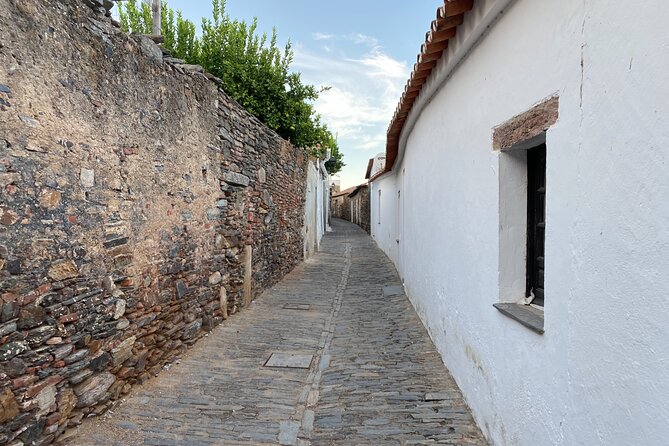
After that you arrive in Monsanto, described as one of the most Portuguese villages in Portugal. The big focus is the castle and the historic center made of houses built inside the rocks, fully fortified.
Possible drawback for Day 9: cold-weather days can slow you down. If the weather turns, you may want to keep the pace gentle and prioritize the most meaningful streets and viewpoints.
Day 10 Tomar’s Templar roots and Santarém’s Pedro Álvares Cabral tie-in
Your final day brings you back to Portugal’s layered power structures. You start in Tomar, touring the base of the Order of the Knights Templar in Portugal. The oldest part of the city is described as medieval and oriented in a cross pattern, with a convent in each extreme and key squares and churches in between.
You’ll also pass traditional commerce stops. The tour points to almond and chila cheesecakes and the famous Tomar slices, including the legend tied to their invention in the mid-20th century.
Then you visit the major stronghold: Convento de Cristo (Templars Castle/Convent of Christ). The story here includes the Templars’ extinction in 1311, the Portuguese king giving the patrimony to the Order of Christ, and later structural changes connected to the 1755 earthquake and alterations in the following century.
Next is Igreja de Santa Maria dos Olivais, a 12th-century Gothic example and also tied to the Templars as headquarters. The stop notes its national monument status and a curious detail: it was built as if smaller from above, partly because it sits two meters below ground level.
Finally, you head to Santarém, a Baroque-feeling city. You visit Graça Church, tied to the tomb of Pedro Álvares Cabral. Then you try Soupa da Pedra, stone soup, described as a regional dish combining local products with tales and legends.
Possible drawback for Day 10: it’s the end of the trip, so your stamina matters. Choose comfy shoes, hydrate, and don’t schedule anything big afterward.
Who this tour is best for
This fits well if you want a guided “big picture” map of Portugal without planning every connection. It’s especially good for people who like history and culture explained where they stand—street layouts, architecture changes over time, and why certain places became important.
It’s also a solid match for couples and families, based on the shared enthusiasm in past experience accounts—people valued having a guide and seeing a wide sweep of Portugal in one run. If you’re traveling with grandparents or someone who needs steady routing, a private car-service style day plan can reduce stress.
If your style is mostly beaches and downtime, this may feel structured and busy. The trip does give coastal moments, but it’s built around towns, monuments, and viewpoints.
Should you book this private Portugal tour?
I’d book it if you want an all-escorted route that ties Lisbon’s story to the coast, the wine country, and the mountains in a compact 10-day window. The best reason is how the days are designed: you aren’t just visiting places, you’re learning how those places connect.
I’d pause if you hate ticket costs and prefer full control over admissions, since admission fees aren’t included and some of the biggest names on the route (like major palaces and tower visits) can add up. I’d also check whether your travel dates match your comfort level for hills, stairs, and windy viewpoints.
If you do book, I’d prepare one simple thing: a realistic admissions and meal budget so you can enjoy the day without math panic.
FAQ
Is airport pickup and drop-off included?
Yes. Transfers from and to the airport are included.
What’s included in the tour price?
The included items listed are transfer from and to the airport, personal accidents insurance, bottled water, and WiFi on board.
Are hotel stays included?
No. Hotels are not included.
Are meals included?
No. Meals are not included.
Are admission tickets included?
No. Admission fees are not included.
Is this tour private?
Yes. It’s described as private, with only your group participating.
What time does the tour start?
The meeting start time is 9:00 am.
Is cancellation allowed for a full refund?
Yes. You can cancel up to 3 days in advance for a full refund, and cut-off times are based on local time.