REVIEW · FATIMA, NAZARE & OBIDOS DAY TRIPS
Religious Tour to Fátima and Aljustrel
Book on Viator →Operated by Outing Portugal · Bookable on Viator
Fátima and Aljustrel in one focused day makes the story click fast. This religious tour blends the childhood setting of the shepherds with the main Sanctuary area, plus a stop at Grutas da Moeda. It’s a smooth, about-6-hour format that keeps you from feeling rushed while still seeing the big landmarks.
I especially like the way this day is paced: two hours at Aljustrel and two hours at the Basilica gives you time to sit, walk, and absorb, instead of sprinting from photo spot to photo spot. I also really like that the guide can tailor the experience, and the standout name here is Diogo, praised for being both safety-minded and flexible. One thing to keep in mind: it’s a Catholic pilgrimage site, so your experience will depend a lot on the flow of worshippers and any Mass timing you choose.
In This Review
- Key highlights at a glance
- Why Aljustrel and Fátima fit together so well
- Pickup, private-group flow, and what a 6-hour day really means
- Stop 1: Casa-Museu de Aljustrel and the shepherds’ home setting
- Stop 2: Basilica de Nossa Senhora do Rosário de Fátima and the option to join Mass
- Stop 3: Grutas da Moeda for archaeology and the cave experience
- Diogo and the flexible guide approach that makes the day feel personal
- Price and value: about $188 for a full, structured day
- Practical tips so your day feels calm, not chaotic
- Who should book this Fátima and Aljustrel tour
- Should you book it
- FAQ
- How long is the tour to Fátima and Aljustrel?
- What stops are included in the tour?
- Are entrance tickets included?
- Is the tour offered in English?
- Is pickup available?
- Is this tour private?
- Is free cancellation available?
- Can service animals join the tour?
- Is there a child option for babies?
Key highlights at a glance
- Aljustrel first: start where the shepherds’ story begins, then move toward the Sanctuary
- Two long, unhurried blocks: about two hours at both Aljustrel and the Basilica
- Mass option: you can include contemplation and celebration of Mass if it fits your schedule
- Grutas da Moeda included: archaeological park and cave time with admission handled for you
- Private-group feel with pickup: only your group goes, with pickup based on your accommodation
Why Aljustrel and Fátima fit together so well
Fátima isn’t just a landmark to check off. It’s a place with a strong sense of sequence: the story starts in the countryside, then draws you toward the Sanctuary where pilgrims come to reflect and pray. That’s exactly how this tour is structured, so your understanding forms naturally.
You begin in Aljustrel, the residential area tied to the three children (Lúcia, Francisco, and Jacinta). Then you shift to the Basilica and the Sanctuary of Our Lady of the Rosary of Fátima, where the mood changes from “place-based storytelling” to “pilgrimage focus.” By the time you reach Grutas da Moeda, the day expands again, adding a layer of historical and geological learning through the archaeological park and cave.
If you’re short on time in the Lisbon area, this format is a smart way to get the heart of Fátima without turning the day into a blur. It also works well if you like structured sightseeing but still want room to pause and think.
You can also read our reviews of more tours and experiences in Lisbon.
Pickup, private-group flow, and what a 6-hour day really means
This experience runs about 6 hours total, with each major stop planned for roughly two hours. That timing matters. A half-day tour can feel chaotic when the schedule is tight. Here, you get enough breathing room to arrive, settle in, and actually experience each location rather than just standing in line for a moment.
Pickup is offered, and the key detail is that you identify your accommodation location so the team can handle the translation service. You’ll also appreciate that it’s described as private—only your group participates. That tends to make the experience feel less like a factory tour and more like a day shaped around your pace.
There’s also a mobile ticket, which simplifies day-of logistics. And if you’re worried about getting stuck far from transport, it’s noted to be near public transportation, which can be reassuring if plans change.
The only practical drawback to expect: because it’s a pilgrimage area, the real “tempo” on site depends on what’s happening there that day—Mass timing, visitor flow, and quiet moments you may want to protect.
Stop 1: Casa-Museu de Aljustrel and the shepherds’ home setting
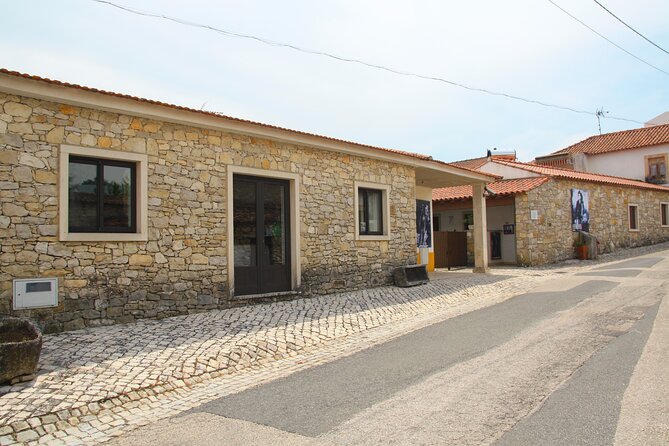
Casa-Museu de Aljustrel is where the story starts to feel human. This isn’t just a museum stop; it’s tied to the residential village of the little shepherds of Fátima. You’re stepping into a place associated with the origins of the angel’s appearances as experienced by Lúcia, Francisco, and Jacinta.
This stop is allotted about 2 hours, and that’s a big deal. Aljustrel can take more time than you’d expect because you’re not only looking at exhibits—you’re orienting yourself in a real geographic setting that supports the narrative. The museum component helps frame what you’re seeing, while the village context gives it emotional weight.
One value here is clarity. If you’re arriving with only a basic sense of the Fátima story, this is where you get grounded. You’ll likely leave with a more coherent sense of who the children were and why this area matters in the larger Sanctuary story.
The potential drawback: because it’s a meaningful setting, it may feel quieter or slower than a typical sightseeing attraction. If you prefer fast, high-energy tourism, you’ll want to mentally prepare for a more reflective atmosphere.
Stop 2: Basilica de Nossa Senhora do Rosário de Fátima and the option to join Mass
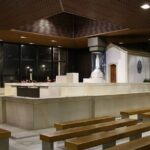
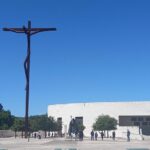
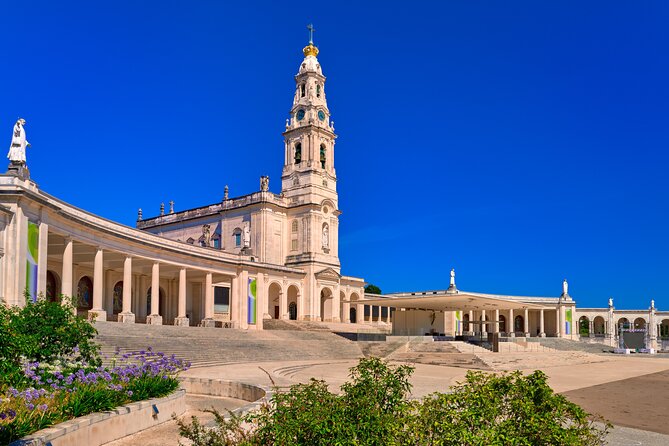
Next comes the Basilica de Nossa Senhora do Rosário de Fátima and the Sanctuary area—this is the big emotional center for many visitors. The focus here is contemplation and celebration of Mass (optional), plus time in the Sanctuary environment itself.
You’ll get another about 2 hours at this stop, which helps because the Basilica area isn’t the kind of place you enjoy best by rushing. Even if you don’t join Mass, you’ll benefit from having time to simply take in the space, notice how pilgrims move, and settle your thoughts before heading to the final stop.
Why this stop is valuable: it connects the earlier Aljustrel setting to what people come here to do. Aljustrel gives you background and context; the Basilica gives you purpose. That pairing makes the day feel more complete rather than like two separate attractions pasted together.
One consideration: Mass may be happening when you arrive, depending on your timing that day. Since Mass is listed as optional, you can decide what fits your preference—quiet observation or participation. Either way, plan to act calmly in shared religious space.
Stop 3: Grutas da Moeda for archaeology and the cave experience
Then the day shifts again, adding a different kind of learning at Grutas da Moeda. This stop includes the archaeological park and cave, with time focused on historical and geological knowledge.
This is the one stop where you might feel the tour expanding beyond purely religious pilgrimage. That’s not a bad thing. It adds variety and makes the day more than a single “theme park” of one topic. The cave setting naturally supports curiosity: you’re looking at a physical environment tied to history and geology, which gives you something to talk about after the religious sites.
Admission to this stop is noted as included, which is a practical value for budgeting. You don’t have to track extra entry costs or scramble for tickets while you’re on the move.
The potential drawback: if you’re hoping for nonstop religious focus, you may find this feels like a tone shift. But if you enjoy learning about place in multiple ways—culture, faith, and natural history—you’ll probably appreciate the balance.

Diogo and the flexible guide approach that makes the day feel personal
The most praised element in the experience is the guide. The name you’ll see repeatedly is Diogo, highlighted for being an amazing guide, with strong familiarity with Portugal history, and a safety-first mindset as a driver.
What I like about this kind of guide-driven flexibility is simple: you don’t just get a script. Diogo is described as knowledgeable and accommodating, and the tour can be customized to meet your needs at Fátima. That matters because Fátima isn’t one-size-fits-all. Some people want to prioritize Mass and quieter contemplation. Others want a more historical explanation that helps them understand the narrative quickly.
Also, one review specifically calls out that the explanation is easy to understand. That’s a big quality factor when the subject matter is emotionally loaded. You want context you can actually use, not a lecture that glides over the details.
If you’re the kind of traveler who likes to ask questions and adjust priorities mid-day, this guide style fits well. You’ll get a better experience by being clear about what you care about most: reflection time, story context, or a mix.
Price and value: about $188 for a full, structured day
At around $187.84 per person for an about-6-hour experience, this tour sits in a reasonable mid-range for private-feel sightseeing day trips from the Lisbon area. The key is what you actually get for that money.
You get:
- Pickup offered (based on your accommodation location)
- A private structure where only your group participates
- A mobile ticket system
- Guided time across three distinct stops
- Grutas da Moeda admission included
- Free admission tickets listed for both Casa-Museu de Aljustrel and the Basilica/ Sanctuary area
That last part is important. When you compare costs, entrance fees can quietly inflate the real price of a day. Here, two of the major stops are marked as free, and the cave stop is covered.
The value also comes from pacing. Three stops across two hours each means you’re paying for time and guidance, not just transport plus a quick photo stop. If you’ve ever spent a long day being rushed, you’ll appreciate this more than you might expect.
One caution for budgeting: there can be extra costs for certain items. A baby chair for ages 0–2 is listed as €10 extra.
Practical tips so your day feels calm, not chaotic
A tour like this goes smoothly when you plan around how it actually works on the ground. A few practical pointers that help:
- Build your mental rhythm around reflection. Two-hour blocks at Aljustrel and the Basilica mean you’ll want to slow down inside the moments that matter.
- Decide early about Mass. Since Mass is optional, choose based on your comfort and the timing on site. If you’re unsure, ask the guide for a recommendation as you get close.
- Wear comfortable walking shoes. Even if the plan doesn’t sound “hiking,” village and Sanctuary areas often involve steady walking.
- Keep flexibility in mind. The guide can customize the tour, but the physical flow of pilgrims and visitors is real. Going with the flow keeps the day enjoyable.
If you’re traveling with family, note that service animals are allowed. There’s also a note that a baby chair for 0–2 is available for an extra €10, which can be helpful if you’re traveling with very young kids.
Who should book this Fátima and Aljustrel tour
This tour is a great match if you want a structured introduction to Fátima that still feels thoughtful. It’s especially good for:
- First-time visitors who want story context before they reach the Sanctuary
- People who appreciate calm pacing and longer site time
- Anyone who likes having a guide steer the day—especially with flexibility at the Basilica
- Travelers who want religious sites plus one added “learning” stop at Grutas da Moeda
It may be less ideal if you only want quick, high-energy attractions and you dislike reflective religious settings. Also, if you’re extremely time-crunched, you might prefer a shorter itinerary—but given the stop lengths here, this one is built to feel complete.
Should you book it
I’d book this tour if you want the Fátima experience to make sense as a story. Starting in Aljustrel, then moving to the Basilica, then finishing at Grutas da Moeda creates variety without feeling random. And Diogo is a strong reason to trust the day will run well—safety-minded driving, clear explanations, and a flexible approach that helps you shape the experience around what you care about most.
If you’re worried about cost, the value case is strong here because major entry fees are free for two key stops and included for the cave stop. Add pickup, a mobile ticket, and a private-group feel, and the price starts to look less like a “tour fee” and more like you’re buying time, guidance, and convenience.
FAQ
How long is the tour to Fátima and Aljustrel?
It’s approximately 6 hours.
What stops are included in the tour?
The tour includes Casa-Museu de Aljustrel, the Basilica de Nossa Senhora do Rosário de Fátima (Sanctuary area), and Grutas da Moeda.
Are entrance tickets included?
Admission tickets are listed as free for Casa-Museu de Aljustrel and the Basilica/Sanctuary area. Grutas da Moeda admission is included.
Is the tour offered in English?
Yes, it is offered in English.
Is pickup available?
Pickup is offered, and you’ll need to identify your accommodation location for the pickup arrangement.
Is this tour private?
Yes, it’s a private tour/activity, so only your group participates.
Is free cancellation available?
Yes, you can cancel for a full refund up to 24 hours in advance of the experience start time.
Can service animals join the tour?
Yes, service animals are allowed.
Is there a child option for babies?
A baby chair for ages 0–2 is available for an extra €10.