REVIEW · LISBON
Private Tour to Defensive Lines of Torres, Mafra & Ericeira
Book on Viator →Operated by EpiTravels Portugal · Bookable on Viator
Torres Vedras’ defenses can feel like a map lesson until you stand in the hills. This private day ties together the Lines of Torres story with real viewpoints, forts, and the baroque grandeur of Mafra Palace. The private setup also means you get to move at your pace, ask questions, and actually notice details you’d miss in a crowd.
What I love most is the way the day starts with clear context at the Interpretation Center, then turns into hands-on exploration of key defense points. I also like that the itinerary mixes military engineering with Portuguese culture—history, yes, but also architecture and a real coastal town.
One thing to consider: parts of the day are outdoors around viewpoints and fort areas, so plan for weather and wear shoes you can trust on uneven ground.
In This Review
- Key highlights to look forward to
- Entering the Lines: why Torres Vedras matters
- Stop 1: Centro de Interpretação das Linhas de Torres
- Stop 2: Circuito do Alqueidão and the first-line defense
- Stop 3: Serra do Socorro and the telegraph system
- Stop 4: Mafra National Palace (and what makes it special)
- Stop 5: Forte do Zambujal and the second defense line
- Stop 6: Ericeira, old town walks, and beach time
- The guide makes the difference: Frederico’s style
- Price and value: what you’re really paying for
- Who this tour fits best
- Before you book: my quick decision checklist
- FAQ
- FAQ
- How long is the Private Tour to Defensive Lines of Torres, Mafra & Ericeira?
- Is this tour private?
- Does the tour include pickup?
- What language is the tour offered in?
- Which places are included in the itinerary?
- Are admission tickets included?
- What transportation is provided?
- What time does pickup/tour start typically?
- Is good weather required?
- What is the cancellation policy?
Key highlights to look forward to

- Interpretation Center context first, so the forts make sense instead of feeling random
- Circuito do Alqueidao viewpoints tied to Wellington’s first line of defense
- Serra do Socorro telegraph site, where you get the idea of communication across distance
- Mafra National Palace, a major 18th-century baroque stop with an exceptional library
- Forte do Zambujal as the second line point closest to the coast
- Ericeira old town and beaches, including its reputation as Portugal’s surf hub
Entering the Lines: why Torres Vedras matters
The Lines of Torres Vedras sit in the space between history you’ve heard and history you can see. In this region, the famous Peninsular War moments connect to a bigger “why” story: Portugal knew an invasion could come, and the response was to make the land itself part of the defense.
The tour starts with the Centro de Interpretação das Linhas de Torres, where you get the overall frame of what happened during the French invasions of Portugal. Maps, text, audio, and artifacts help you understand how this system worked, not just that it existed. This is the part that makes the rest click. Without it, forts can feel like scenic stops. With it, you start to recognize purpose: why certain positions were chosen, how communication mattered, and how the geography shaped strategy.
The best part is how the day stays coherent. You’re not bouncing from unrelated sites to random photos. It’s one narrative told in stops.
You can also read our reviews of more private tours in Lisbon



Stop 1: Centro de Interpretação das Linhas de Torres
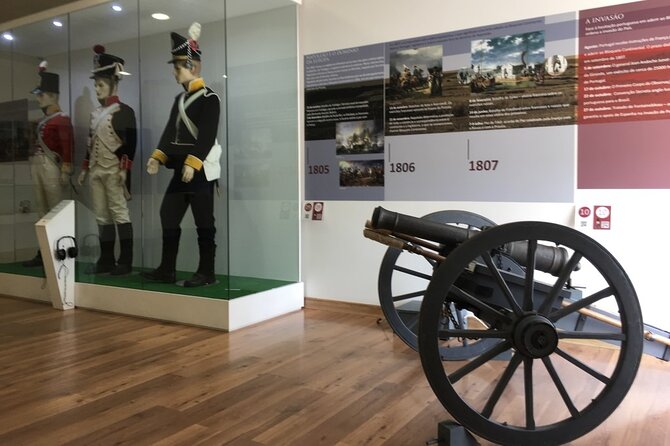
You’ll spend about an hour here, and it’s a smart use of time. You’ll get a first overview of the conflict, then you’ll see how the defense lines fit together.
What to pay attention to: don’t just skim the maps. Focus on how distances, hills, and movement relate to defense. If you enjoy military history, you’ll likely find yourself mentally tracing routes and imagining how people used these spaces.
Possible drawback: since it’s a general introduction, it may feel a bit “classroom” for people who want only outdoors. Still, I’d call it the anchor. It turns the rest of the day from sightseeing into understanding.
Stop 2: Circuito do Alqueidão and the first-line defense
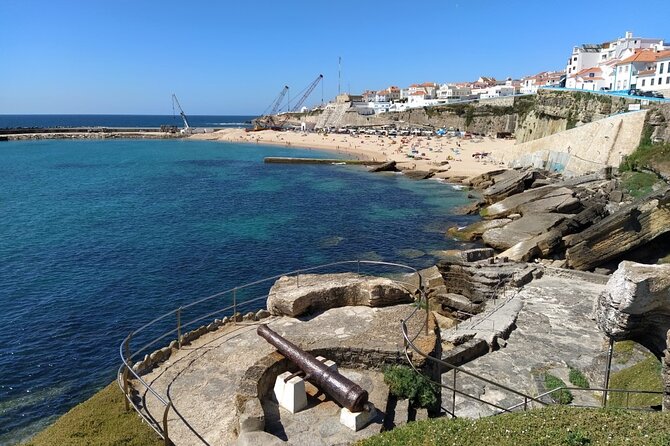
Next comes Circuito do Alqueidao, where you visit one of the key forts from Wellington’s first line of defense. There’s also a command post set up on a hill, and the view is a huge part of why this place mattered.
You get the sense of control: someone had to be able to observe, coordinate, and respond. Standing where communication and command were imagined helps you understand the logic behind the engineering. This is where you’ll start seeing the terrain as a tool, not scenery.
This stop is shorter—about 30 minutes—which is actually a good thing. You’re there long enough to walk, look, and absorb, without turning the day into a sprint through sites.
Tip: take a moment just to look across the hills and countryside. Even if you don’t know all the details yet, the terrain will start telling you the story.
Stop 3: Serra do Socorro and the telegraph system
At Serra do Socorro, you visit Wellington’s telegraph—an early communication method that used flags to connect forts and ships in the ocean.
This part can be surprisingly emotional, even if you’re not a history nerd. It’s a reminder that people were solving a problem we still recognize: how do you send information fast when you can’t physically be everywhere?
You’ll spend about 30 minutes here. It’s long enough to understand the basic idea and to appreciate how the high point supports communication.
What you’ll likely notice: communication wasn’t just about technology; it was about placement. If you’ve ever wondered why hills matter in war, this stop gives you a plain answer.
Stop 4: Mafra National Palace (and what makes it special)
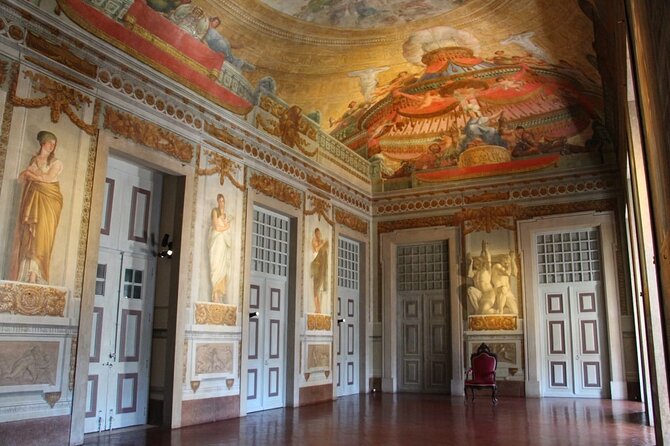
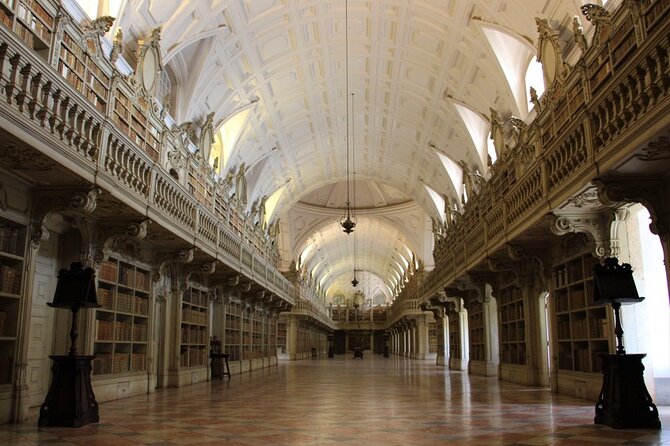
Then you shift gears to culture with a big “wow” building: Palácio Nacional de Mafra. You’ll have about 1 hour 30 minutes here, and the palace is an 18th-century baroque landmark with one of the oldest and most beautiful libraries in Europe.
This is a welcome break after fort-and-hill learning. The palace gives you a different kind of Portuguese power: not battlefield strategy, but state ambition expressed in stone, design, and collected knowledge.
Plan for the extra ticket cost: the Mafra Palace admission is not included, and you should budget about €6 per person for that part.
Why it’s worth the time: the library element changes how you think about history. It’s not only warfare and defense lines. It’s also how Portugal wanted to represent learning and authority.
Possible drawback: if you’re mainly interested in military history, you might wish you had more time on the fort stops. Still, the palace is the kind of stop that makes the whole day feel more complete—Portugal beyond the battlefield.



Stop 5: Forte do Zambujal and the second defense line
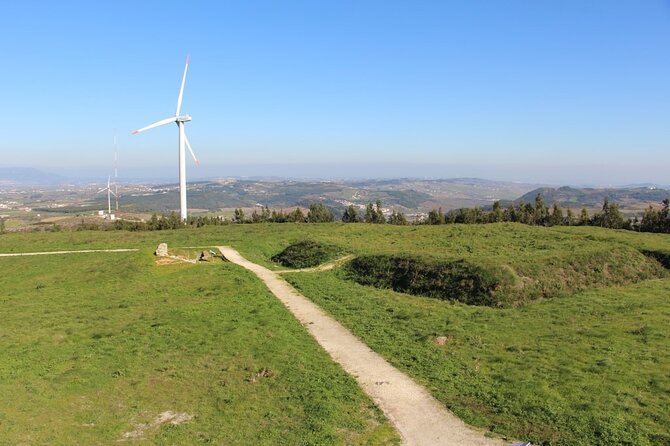
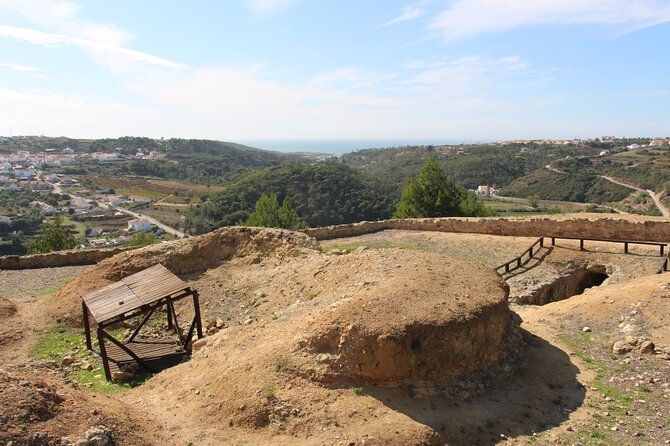
After Mafra, the tour returns to the defense system with Forte do Zambujal. This fort belongs to the second defense line, and it’s the one closest to the coast.
That “closest to the coast” detail matters. Different lines protected different approaches. By the time you reach this point, you’re no longer just learning the map—you’re seeing how the defenses relate to how an invasion would move.
You’ll spend about 30 minutes here, and it works well as a recap stop. You can look back through what you learned at the Interpretation Center and connect the dots between the first and second lines.
Tip: if you want the best photos, timing matters. Look for the moments when the light makes the contours and walls visible. Your guide can help you find good angles once you’re there.
Stop 6: Ericeira, old town walks, and beach time

End your day in Ericeira, a picturesque old town with beaches and a reputation as the Surf capital of Portugal. You’ll have about 1 hour 30 minutes for strolling.
This is a smart choice after hours of strategic places. Your brain needs an off-ramp, and Ericeira is a gentle one: walk, snack, watch the coast, and let the day’s themes shift from defense to everyday life.
You can enjoy the beaches even without getting in the water. Just being near the shoreline puts the fort story into perspective—this is the coast the defenses were meant to guard.
Practical thought: if you’re traveling in warm months, bring sun protection. Fort stops can be shaded, but beach time can get bright fast.
The guide makes the difference: Frederico’s style
The private format here really pays off because the guide can connect the dots for you. In the experiences I saw, Frederico (owner of EpiTravels Portugal) stood out for being friendly, personable, and genuinely invested in sharing Portuguese history in clear English.
What I’d expect you to notice with a guide like this:
- He helps you understand the bigger context while you’re driving between sites.
- At each stop, you don’t feel rushed. You can explore at your pace while still getting explanations that land.
- He answers questions instead of giving one-size-fits-all commentary.
- He’s willing to adjust the day if someone needs a slower pace, rather than forcing everyone to stick to the original timetable.
That last point matters more than it sounds. When the tour is private, flexibility is real, not theoretical.
Price and value: what you’re really paying for
At $228.30 per person, this is not a budget group tour. The value comes from three things working together:
First, you’re getting a private day with air-conditioned transportation. That means you’re not coordinating with strangers, and you’re not losing time waiting around.
Second, you’re visiting multiple major stops that are otherwise harder to piece together yourself. Several parts of the day have free admission (the Interpretation Center, Alqueidao circuit, Serra do Socorro, and Zambujal, plus the Ericeira time). The one extra you should account for is the Mafra Palace ticket (about €6 per person).
Third, the guide turns logistics into learning. The forts and viewpoints are more meaningful when someone explains why they were built and how they worked, especially when you’re seeing them in the real terrain.
If you’re traveling as a couple or a small group, the price usually starts to feel more reasonable because you’re buying not just transportation, but also time, context, and flexibility.
Who this tour fits best
This tour is a great fit if you:
- like history that you can see, not just read
- enjoy the Peninsular War era and Wellington’s role
- want a day that mixes military sites with classic Portuguese culture
- prefer a private pace and a guide who answers questions
It’s also a good choice if you’re worried about crowds. A private tour lets you slow down at viewpoints, take your time at the palace, and enjoy Ericeira without feeling herded.
Before you book: my quick decision checklist
Book it if you want a day where the story makes sense. This one is built like that—context first, then forts, then a cultural anchor, then a coastal finish.
Consider skipping (or at least manage expectations) if:
- you only want urban sightseeing and short walks (some stops involve outdoor terrain)
- you’re not interested in military communication and defensive engineering at all
If you’re even mildly curious about how Portugal prepared for invasion—and what that terrain looked like in the real world—this private tour is a strong bet.
FAQ
FAQ
How long is the Private Tour to Defensive Lines of Torres, Mafra & Ericeira?
The tour runs about 8 to 9 hours.
Is this tour private?
Yes. It’s a private tour/activity, so only your group participates.
Does the tour include pickup?
Pickup is offered. You can ask for other pickup areas.
What language is the tour offered in?
The tour is offered in English.
Which places are included in the itinerary?
You visit the Centro de Interpretação das Linhas de Torres, Circuito do Alqueidao, Serra do Socorro, Palácio Nacional de Mafra, Forte do Zambujal, and Ericeira.
Are admission tickets included?
Many admissions are free, but the Palácio Nacional de Mafra ticket is not included. The extra cost listed for that part is €6.00 per person.
What transportation is provided?
You’ll travel in an air-conditioned vehicle.
What time does pickup/tour start typically?
The opening hours listed are Monday to Sunday from 9:00 AM to 10:00 AM.
Is good weather required?
Yes. The experience requires good weather. If it’s canceled due to poor weather, you’ll be offered a different date or a full refund.
What is the cancellation policy?
You can cancel for a full refund up to 24 hours in advance of the experience start time. Free cancellation is available, and changes within 24 hours aren’t accepted.