REVIEW · FOOD & DRINK
Premium Lisbon Wine and Tapas Tasting
Book on Viator →Operated by Lisbon Winery · Bookable on Viator
Five wines, one unforgettable table in Lisbon. This 2-hour tasting pairs Portuguese bottles with olive oil, cheeses, and Iberian ham, guided in a central wine bar. You’ll sip vinho verde alongside reds and even Port, with the lineup shifting daily.
I love how food and wine are matched on purpose, not treated like separate acts. The Pata Negra finale alone is worth the walk, and the hosting can get personal fast, with staff like Adrianna/Arianna and Alex explaining choices and answering questions. One possible drawback: it can be a little tricky to find the spot if you rely on vague directions, and some people found the sampled items weren’t always available to buy on site.
In This Review
- Key Highlights You Should Know Before You Go
- Why This Lisbon Wine and Tapas Tasting Feels Like Real Portugal
- The Two-Hour Flow That Keeps the Evening Fun
- Step One: Extra-Virgin Portuguese Olive Oil (Yes, It Matters)
- Cheese Board Pairings: Six Artisanal Cheeses and Sweet-Salty Tricks
- Iberian Pork Charcuterie and Pickles: Where Reds Start Making Sense
- The Finale: Long-Cure Pata Negra Ham That Leaves an Impression
- The Wine Lineup: Vinho Verde, Port, Whites, Reds, and Small Producers
- Your Host’s Role: Clear Explanations, Lots of Questions, Real Passion
- Where to Meet in Lisbon (and How Not to Miss the Spot)
- Food-and-Wine Value: What You’re Really Getting for 2 Hours
- Who Should Book This Tasting (and Who Might Skip It)
- Should You Book This Lisbon Wine and Tapas Tasting?
- FAQ
- Is the wine and tapas tasting in English?
- How long is the tour?
- What time does it start?
- Where is the meeting point?
- How many wines will I taste?
- What food is included?
- Is hotel pickup included?
- Is there a group size limit?
- Are cancellations free?
Key Highlights You Should Know Before You Go
- Five Portuguese wines in about two hours, including vinho verde and Port
- Food-first structure: olive oil, then cheeses, then pork charcuterie, then long-cure ham
- Small-producer focus: boutique bottles, often under 6,000 produced
- Daily wine selection means you’re not doing a cookie-cutter tasting
- Allergy care is taken seriously, with garlic-free options when needed
- Maximum 20 people, so the vibe stays easy to talk and ask questions
Why This Lisbon Wine and Tapas Tasting Feels Like Real Portugal
If you only have a small window in Lisbon, this is the kind of experience that packs a lot of Portuguese flavor into one stop. The format is simple: you drink five wines and you eat a guided run of classic regional bites, all in the same place. Instead of a quick pour and a polite nod, you get commentary tied to grape types, wine regions, and what to taste for.
I also like the fact that this isn’t just about famous labels. The tasting focuses on Portuguese producers, many of them small. That matters because you taste more than the “greatest hits.” You get a sense of why Portugal’s wine culture works the way it does across different climates and traditions.
One more good sign: the reviews repeatedly mention how engaged the hosts are. You’ll likely get plenty of questions, explanations that actually connect to what’s in your glass, and a relaxed pace that’s not trying to rush you through.
You can also read our reviews of more food & drink experiences in Lisbon



The Two-Hour Flow That Keeps the Evening Fun
This tasting runs for about 2 hours and starts at 5:00 pm. That timing is ideal if you want something early that won’t steal your whole night. It’s also a nice reset after sightseeing when your feet need a break and you’d rather sit down with a view of Lisbon’s food-and-wine rhythm.
What you can expect from the flow:
- You begin with a short olive oil tasting.
- Then you move into cheeses paired with typical jams and fruit.
- After that comes pork charcuterie paired to help you understand the reds.
- The finale is the long-cure Pata Negra ham, bolota.
The order isn’t random. Each section helps your palate adjust. Olive oil teaches you how to smell and taste fat and freshness. Cheese trains you to notice salt, texture, and sweetness from pairings. Charcuterie and ham then show you how cured flavors and wine tannins work together.
Step One: Extra-Virgin Portuguese Olive Oil (Yes, It Matters)
You start with a premium extra-virgin Portuguese olive oil tasting. Most people think of olive oil as something you drizzle, not something you learn to taste. But this first stop changes that quickly.
Pay attention to how your nose reacts first. Olive oil can smell green and fresh, sometimes almost like herbs. Then you taste and notice bitterness and peppery notes that can show up even in high-quality oil. Those sensations matter because they set up your palate for the cheeses right after.
Also, this is one of the smartest ways to begin if you want a Portugal-focused evening. Olive oil is a core ingredient everywhere in the country, but in a tasting setting it becomes a lesson. You’re not just eating; you’re learning how to detect quality.
Cheese Board Pairings: Six Artisanal Cheeses and Sweet-Salty Tricks
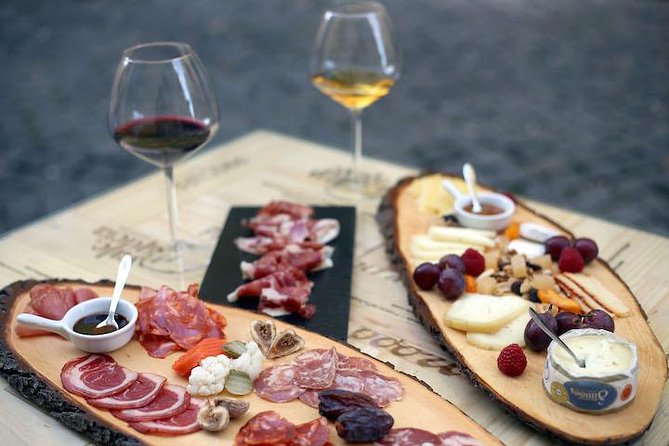
Next comes a Portuguese artisan cheese board. The menu calls for six different artisan cheeses, paired with typical jams, fruit, and more sweet elements. This part is where you’ll likely slow down the most, because cheese gives you room to compare textures and flavor direction.
Here’s how to get more value from it:
- Try one cheese with no pairing first if you can. Then taste the same cheese with jam or fruit.
- Notice whether the pairing adds lift (bright fruit) or depth (darker jam).
- Watch how saltiness changes the way wine tastes afterward.
The pairing idea is practical: cheese can dull some wine qualities, while the right sweet element can bring fruit back into the glass. Even if you’re not a formal wine person, this section makes the wine lessons land.
And if you have dietary needs, this is also a moment to be extra attentive. One review specifically praised how seriously allergies were handled, including accommodations for garlic-free serving.
Iberian Pork Charcuterie and Pickles: Where Reds Start Making Sense
After cheese, you move into Iberian pork charcuterie. The menu includes free-range Iberian pork items with jam and pickles, designed to pair with the reds.
This is the part where wine becomes more than taste. Charcuterie has salt, fat, and deep savory notes. Pickles add acidity. Jam brings sweetness. Together, they help you understand why Portuguese reds can feel different depending on what you’re eating.
A practical tip: alternate bites and sips instead of trying to do one long string of wine. That keeps you from missing what the food is teaching you.
Also, there’s a reason cured pork works so well with Portuguese reds. The combination of tannin, acidity, and salt creates a push-pull effect that keeps your palate engaged. If you’re nervous about reds, this pairing can convert you.
You can also read our reviews of more wine tours in Lisbon




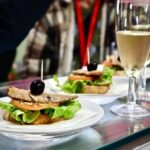

The Finale: Long-Cure Pata Negra Ham That Leaves an Impression
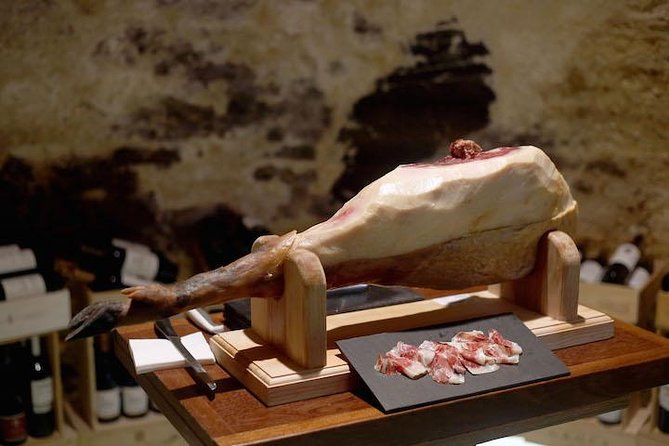
The closing plate features long-cure Pata Negra ham, described as bolota. This is the iconic moment, the one most people remember even after Lisbon nights blend together.
Why the finale is a smart choice: Pata Negra is intense. If you start with it, everything before can feel slightly watered down. Ending with it lets you appreciate the full aroma and flavor arc without competing tastes.
If you’re the type who likes to savor, give this part your attention. Take a small bite and notice how the texture shifts from aroma to salt to lingering sweetness. Then, sip wine right after and see how the cure changes the way you perceive the glass.
The Wine Lineup: Vinho Verde, Port, Whites, Reds, and Small Producers
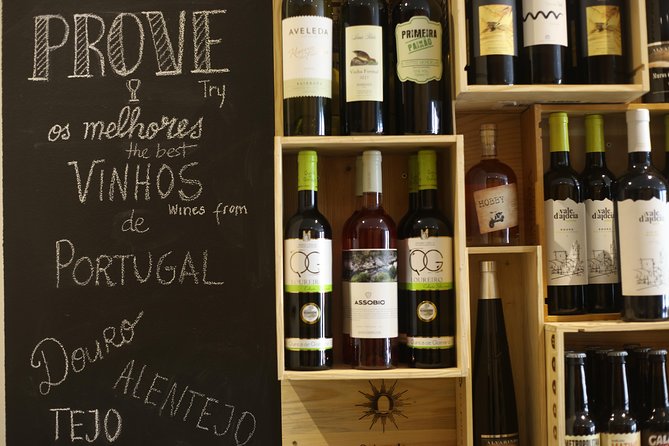
You’ll taste five Portuguese wines, guided by a host who connects what you smell and taste to the regions and grape varietals. The selection includes whites, reds, vinho verde, and Port. The daily lineup changes, so you’re tasting what the bar has selected for that day rather than a single fixed flight.
A key detail: many of the bottles come from small producers, often with fewer than 6,000 bottles in the market. That’s why the experience can feel special. You’re more likely to meet wines that aren’t just mass-market choices.
Here’s what you’ll likely notice as you go:
- Vinho verde tends to feel lighter and often zippier, which can refresh your palate after oil and cheese.
- Whites can broaden the picture of Portugal’s coastal and warmer-inland influence.
- Reds show up with stronger structure, built to handle cured pork.
- Port adds sweetness and weight at the end, acting like a dessert-style finish to the night.
If you’ve ever wondered why Portuguese wine doesn’t behave like a generic “red or white” conversation, this tasting format helps answer that. It’s region-plus-grape, explained through what’s on the table.
Your Host’s Role: Clear Explanations, Lots of Questions, Real Passion
The hosts are a huge part of why this works. Names you may encounter include Adrianna/Adriana and Alex, and the common thread in the experience is how lively and helpful the explanations feel.
In practical terms, that means you can ask follow-up questions without the conversation going awkward or turning into a lecture. People in the group who aren’t “wine people” still tend to enjoy it, because the host ties flavors in your glass to flavors on your plate.
One standout element from the experience notes: allergy handling. If you flag an allergy in advance, they take it seriously and adjust what you eat, including serving items without garlic when needed. That’s not a small detail. It turns a wine and food tasting into a comfortable experience where you don’t feel stuck.
Where to Meet in Lisbon (and How Not to Miss the Spot)
You meet at R. Rodrigues Sampaio 18 A, 1150-278 Lisboa, Portugal. It’s in the heart of the city and near public transportation, which helps if you’re planning routes around trams or metro.
Still, one practical warning: some directions can send you near the wrong landmark. If you’re using online mapping, double-check the exact street number and confirm the meeting address matches. In one case, a guest noted the place was not in the back of a Louis Vuitton store, so don’t let a search result get you turned around.
Quick tip: arrive 10 minutes early and look for the wine bar setting. When you’re on the street in Lisbon’s central areas, that early buffer can save stress.
Food-and-Wine Value: What You’re Really Getting for 2 Hours
Even without a stated price here, you can judge value based on what’s included. This is not a tiny sip-and-snack plan. You get:
- Bottled water
- Five Portuguese wines (including vinho verde and Port)
- Extra-virgin olive oil tasting
- A board of cheeses, including jam/fruit pairings
- Iberian pork sausages/charcuterie with jam and pickles
- Long-cure Pata Negra ham
That lineup matters because it turns a wine tasting into a proper food experience. For many people, it can also reduce what they need for dinner. If you’re the type who likes to eat well without formal planning, this can be a strong use of your time.
There’s also the learning component. You’re not just tasting randomly; you’re learning which wines pair best with which foods and why. That kind of practical knowledge often makes your next meal in Lisbon cheaper and better, because you’ll order with more confidence.
One more value angle: bottles can sometimes be purchased after you taste, and in at least one case the host packaged bottles for transport. But that can vary. If buying bottles is important, ask during the tasting about availability for sale and packing options.
Who Should Book This Tasting (and Who Might Skip It)
This works best for you if:
- You want a focused Portugal food-and-wine lesson in a short time
- You like guided tastings with clear pacing and room for questions
- You’re curious about vinho verde, Port, and small-producer Portuguese bottles
- You want a sit-down plan that fits a sightseeing day
You might consider skipping if:
- You’re looking for a large, high-energy party-style tour (this is more tasting-and-talking than a lively crowd spectacle)
- You need very specific foods and prefer a restaurant menu with full ingredient lists for every item (they can handle allergies, but the menu is still a set tasting format)
Should You Book This Lisbon Wine and Tapas Tasting?
I’d book it if you want a quality way to understand Portuguese wine and eating without over-planning. The format is compact, the pairing sequence makes sense, and the host style is consistently praised for being engaged and helpful. You also get a rare combo: wine expertise plus olive oil, cheese pairings, Iberian pork, and a Pata Negra finish in one seated run.
Before you go, do two small things:
- Confirm your meeting point address matches your map app so you don’t waste time.
- If you want to buy bottles, ask early during the tasting whether anything from the flight is available and whether they can pack it for transport.
FAQ
Is the wine and tapas tasting in English?
Yes. The experience is offered in English.
How long is the tour?
It lasts about 2 hours.
What time does it start?
The start time is 5:00 pm.
Where is the meeting point?
The meeting point is R. Rodrigues Sampaio 18 A, 1150-278 Lisboa, Portugal.
How many wines will I taste?
You will taste five Portuguese wines.
What food is included?
The tasting includes an extra-virgin olive oil tasting, five types of artisanal Portuguese cheeses, Iberian pork sausages/charcuterie, and long-cure Pata Negra ham.
Is hotel pickup included?
No. Hotel pickup and drop-off are not included.
Is there a group size limit?
Yes. The maximum group size is 20 travelers.
Are cancellations free?
Free cancellation is available. You can cancel up to 24 hours in advance for a full refund.