REVIEW · LISBON
Portuguese flavors in a typical village home
Book on Viator →Operated by K Go foodie · Bookable on Viator
A real Portuguese meal starts with a real table. In a 100-plus-year village home near Lisbon, Katija guides you through a hands-on lunch with seasonal ingredients and stories that explain why Portuguese food tastes the way it does.
I especially love the intimate setup, with a small group maxing out at 6, so conversation stays easy. I also like that the menu gets adapted to what you can eat, so you’re not stuck with a generic option.
One thing to consider: this is more relaxed cooking than a heavy, technical class. You’ll do real tasks, but the pace stays friendly and the main dish can be simpler than you might expect.
In This Review
- Key things that make this meal-at-home experience different
- A 3-Hour Village Table Just 20 Minutes from Lisbon
- Meet Katija in a 100-Year-Old Home and Settle into Local Rhythm
- What You Cook: Seasonal Portuguese Dishes, Adjusted for You
- The Meal Spread: Welcome Drinks, Wine, and a Dessert Worth Waiting For
- Stories from the Table: Why Portuguese Food Feels Personal
- Diet-Friendly Dining: Real Adaptations, Not an Afterthought
- Weather and Where the Cooking Happens
- Group Size and Value: How $106.65 Fits in the Lisbon Mix
- Getting There from Lisbon, Sintra, or Cascais (Without Making It a Project)
- Who This Is Best For (and Who Should Skip It)
- Should You Book This Home-Cooked Portuguese Meal with Katija?
- FAQ
- What’s included in the lunch?
- How long is the experience?
- How many people are in the group?
- Where do we meet and what time does it start?
- Is private transportation included?
- What if the weather is bad?
Key things that make this meal-at-home experience different
- A 20-minute hop from Lisbon city life into a quiet valley with village atmosphere
- Katija’s story-first cooking style, where recipes connect to local history and everyday life
- Fresh, seasonal ingredients picked and chosen for how they taste that day
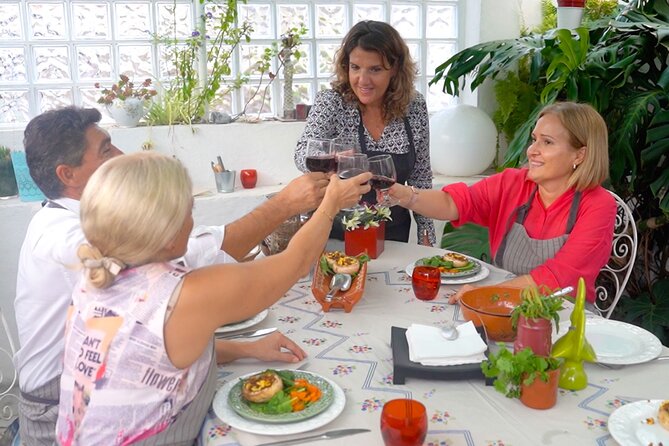
- Small group dining (up to 6) so you actually talk, not just watch
- Wine and drinks included, with tea and options like water on the side
- A recipe e-book after you share your feedback, so you can cook from memory later
A 3-Hour Village Table Just 20 Minutes from Lisbon
Lisbon can feel like constant motion. This experience is designed to slow you down fast. You meet in Barcarena at Igreja de São Bento de Valejas (2730-106), then in about 20 minutes you’re in a small village setting in Lisbon’s region—calmer air, quieter streets, and a home that feels like it belongs to a family, not a program.
The timing is also practical. You get a 3-hour lunch experience starting at 1:00 pm, and it ends back at the meeting point. That’s a sweet spot for visitors who want something authentic without sacrificing the rest of the day.
And yes, you’re still close to the Lisbon-Sintra-Cascais zone. If your trip includes one or two busy sightseeing days, this becomes a reset button.
You can also read our reviews of more tours and experiences in Lisbon.



Meet Katija in a 100-Year-Old Home and Settle into Local Rhythm
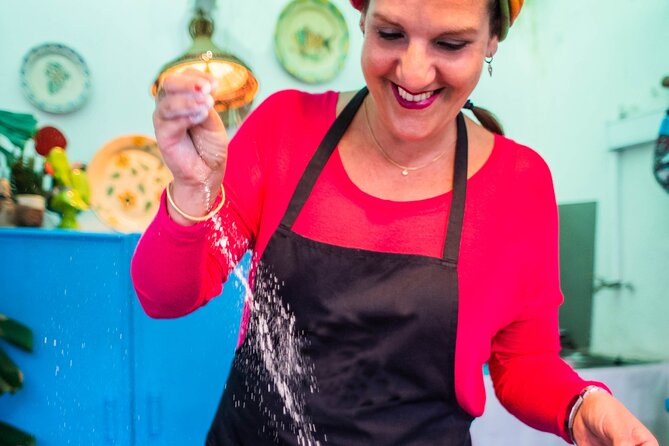
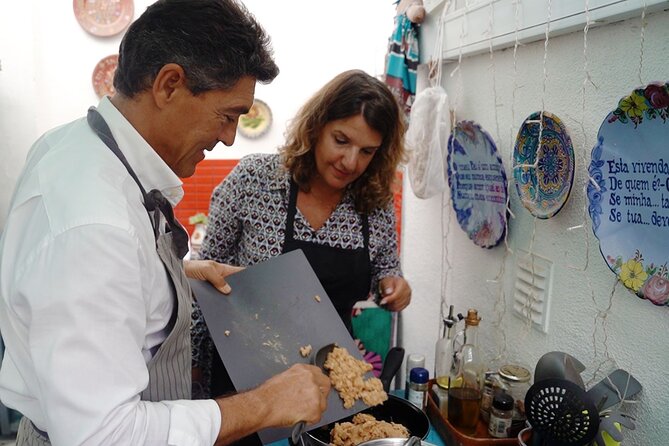
This isn’t a classroom with demo videos. You’re welcomed into Katija’s home, the kind of place where you can feel the generations before you. Multiple details in the conversation and the way meals are served point to one thing: food here is family life.
Katija is the heart of the experience—warm, engaging, and focused on making sure you understand what you’re doing. You get explanations as you cook, not just a list of ingredients. There’s also a strong “table talk” element: you’ll hear local tales while you work, and those stories help the dishes make sense beyond taste.
A nice bonus is that the home setting also supports real interaction with your small group. If you’re traveling solo, it’s an easy way to meet people without awkward small talk forcing its way in.
What You Cook: Seasonal Portuguese Dishes, Adjusted for You
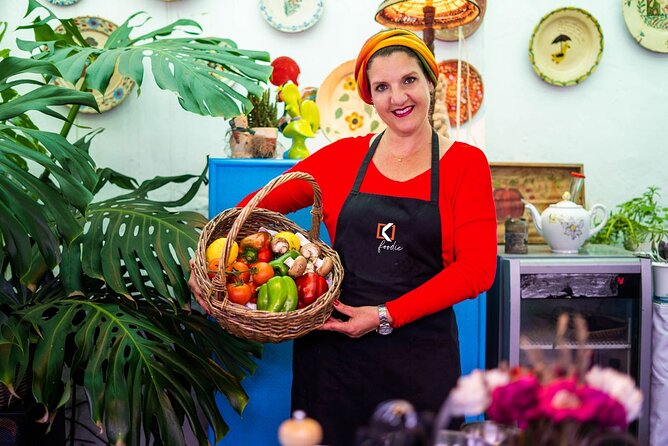
The menu is built to match the season, and Katija adapts it based on dietary restrictions and preferences. That matters more than you might think. Portuguese cuisine can lean on dairy, eggs, seafood, and sometimes wheat—so the ability to adjust keeps the experience genuinely inclusive.
You’ll start with typical Portuguese starters, then move into the main course described as a house recipe you get to taste. Dessert is one of the many Portuguese sweets, with a key point: Portuguese desserts usually fall into two broad categories—either dairy-and-egg style, or fruit-based sweets with a special touch.
What you’ll likely appreciate is the balance between participation and guidance. One guest noted it felt like an accessible, beginner-friendly class level. That doesn’t mean it’s short on quality. It means you should come with the right expectations: you’ll cook in a manageable way, with tasks distributed, and you won’t need to be an experienced home cook.
If you’re the type who wants to master complicated techniques, you might feel the steps are simple. But if you want to actually understand how Portuguese flavors get built—and then replicate them later—this format works.
The Meal Spread: Welcome Drinks, Wine, and a Dessert Worth Waiting For
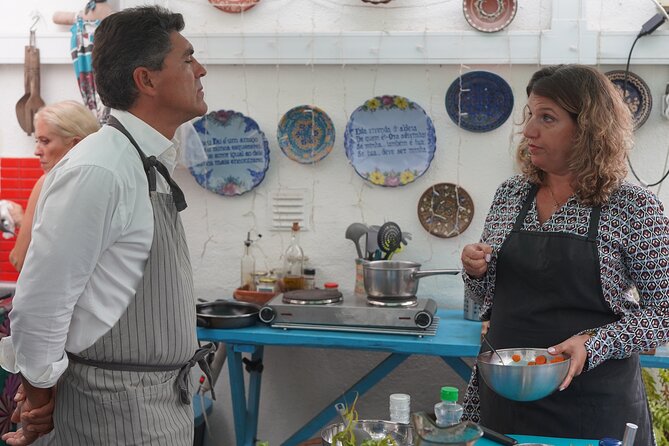
The meal isn’t “snacks then hope.” It’s a full lunch structure:
- Welcome drink: local tea, wine, or water
- Starter: typical Portuguese starter plate with items like olives, cheese, local jam, and toasts
- Main course: the house recipe to taste (seasonal, adapted)
- Dessert: one classic Portuguese sweet selected for that day
- Drinks included: red and white wine plus tea and water
A detail that helps set expectations: the wine is included, but this isn’t a wine-tasting event. You’re not going to get a formal tasting lesson. The wine is simply part of a normal Portuguese lunch rhythm—shared with the meal and conversation.
I also like that there’s a tea option. In one story, Katija used herbs from her garden—like lemon verbena—to make tea. Even if the exact herb changes with the season, the idea is consistent: the drinks connect to the home and the local growing cycle.
Stories from the Table: Why Portuguese Food Feels Personal
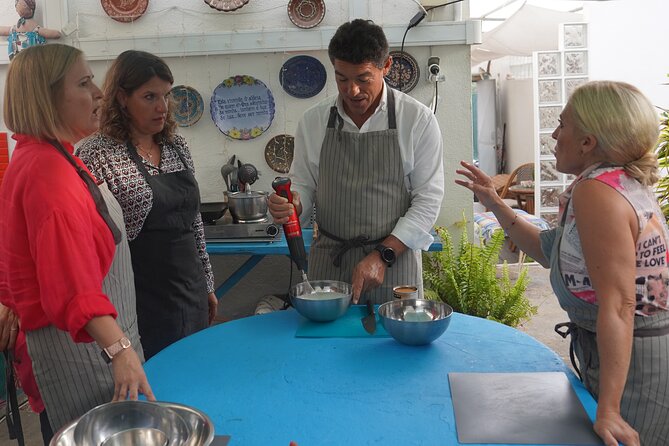
Cooking in Portugal isn’t only about recipes. It’s about why those recipes survived. That’s where this experience earns its “cultural” tag.
As you cook, Katija weaves in local history tied to the food. The conversation can touch on how Portuguese cuisine evolved over time and how those influences show up in everyday meals. One guest described learning about Portuguese culinary roots and how food connects Portugal’s past and present.
You may also hear about specific staples—like bacalao (dried codfish)—and why it’s so common across Iberian cooking traditions. When dishes include that kind of ingredient, Katija tends to explain not just what it is, but how it fits into Portuguese kitchens.
Another thing I appreciate: the stories don’t feel like a lecture. They’re shared around the working pace of cooking, while you’re chopping, sautéing, stirring, tasting, and moving from course to course.
And yes, you might also see family photos and small artifacts connected to the home and village history—details that make the visit feel less like a tour and more like being invited to someone’s real life.



Diet-Friendly Dining: Real Adaptations, Not an Afterthought
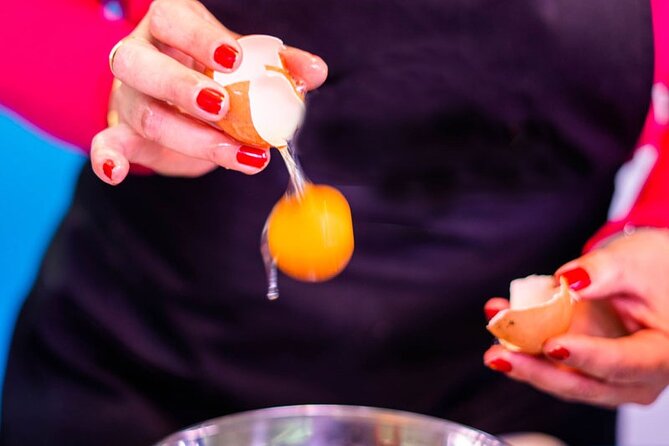
If you have a food allergy or a dietary preference, this is one of the better Lisbon-area options to consider because the menu is explicitly adapted. That includes adjusting the dishes you’ll cook and eat.
You’ll still want to communicate your needs clearly when booking. But the bigger point is: this experience doesn’t treat restrictions like a separate inconvenience. It builds them into the recipe plan from the start.
That’s also why the class works for many different travelers—families, couples, and solo visitors—because it’s designed to keep everyone at the table tasting the same meal experience.
Weather and Where the Cooking Happens
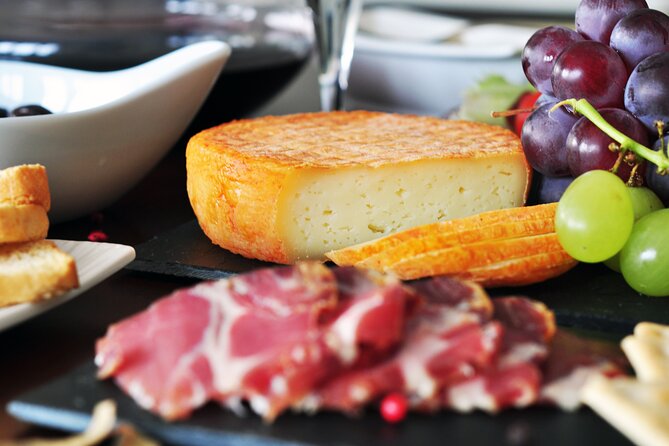
Portugal’s weather is friendly until it isn’t. This experience depends on good weather, and in rougher conditions you may move cooking inside rather than outside.
You can think of it like this: the experience is planned with a village home in mind, and the kitchen setup may shift depending on the day. One guest described the host inviting them into the home when the forecast changed, while keeping the ingredients prepped enough that everyone still got a hands-on role.
So don’t count on a specific kitchen spot. Do count on a comfortable plan B—and a warm host who keeps things moving.
Group Size and Value: How $106.65 Fits in the Lisbon Mix
At $106.65 per person for about 3 hours, you’re paying for three things at once:
- A home-cooked meal with starter, main, dessert, and included drinks
- The host’s time—shopping/selection of daily-fresh ingredients, teaching, and guiding a small-group experience
- A cultural connection you can’t get from a restaurant or a quick market stop
This is not the cheapest thing you can do around Lisbon. But it’s also not overpriced in the typical “tour bus” sense. The small group cap at 6 travelers matters for value. When you’re in a larger group, you get less attention and less conversation. Here, you’re more likely to be included in the process and explanation.
There is a fair caution: one person felt the session was “elementary” and therefore overpriced for their taste. If you’re the type who wants a cooking technique bootcamp, you might find the hands-on portion lighter than expected. But if you want a relaxed, meaningful lunch that teaches you how Portuguese flavors come together, the value looks stronger.
Getting There from Lisbon, Sintra, or Cascais (Without Making It a Project)
Transportation isn’t included. Private transportation isn’t part of the price, so you’ll need to arrange your own way. The good news: the meeting point is near public transportation, and the experience is described as easily reached from Lisbon, Sintra, or Cascais by car or train.
Practical tip: if you’re doing this in the middle of a sightseeing day, plan to be on time for the 1:00 pm start. A home meal needs its schedule.
Also, the tour uses a mobile ticket, and service animals are allowed. That’s useful for planning and comfort.
Who This Is Best For (and Who Should Skip It)
This works especially well if you want:
- A real home setting outside central Lisbon
- A lunch built around Portuguese basics—seasonal, simple, and flavorful
- A small group atmosphere where conversation isn’t forced
- A host like Katija who connects recipes to village life and Portuguese food traditions
- A chance to take recipes home via the e-book (exclusive offer after you share your opinion)
It might not be the best fit if you:
- Want an advanced cooking masterclass with lots of complex techniques
- Prefer a strictly structured “classroom style” program with minimal conversation
- Are searching only for a quick photo-and-then-leave meal (this is slower and more social)
Should You Book This Home-Cooked Portuguese Meal with Katija?
I’d book it if you want Portugal in a smaller, calmer slice. The best part is how the meal becomes more than food. You get practical cooking guidance, a full lunch with included drinks, and stories tied to a real home in a real village setting.
If your main goal is culinary depth through complex technique, you might want to compare with a more advanced cooking course. But if your goal is learning Portuguese flavors in a way you can repeat later—while spending an afternoon that feels human—this is an excellent choice.
If you’re deciding between this and a restaurant meal, pick the one that gives you both the plate and the story. Here, you get both.
FAQ
What’s included in the lunch?
You get appetizers, the main course, dessert, and drinks including red and white wine plus tea and water.
How long is the experience?
It lasts about 3 hours.
How many people are in the group?
The experience has a maximum of 6 travelers.
Where do we meet and what time does it start?
The meeting point is Igreja de São Bento de Valejas, Barcarena, 2730-106, Portugal, and it starts at 1:00 pm. It ends back at the same meeting point.
Is private transportation included?
No. Private transportation isn’t included.
What if the weather is bad?
This experience requires good weather. If it’s canceled due to poor weather, you’ll be offered a different date or a full refund.